Veracruz, Mexico, is a vibrant port city rich in history and culture. Founded in 1519 by Hernán Cortés, it is Mexico’s oldest city, and its historic center, with its colorful colonial buildings and bustling Zócalo, reflects its deep historical roots. Visitors can explore the impressive San Juan de Ulúa Fortress, a massive colonial-era fort that once served as a prison and a key military base.
Chiang Mai, located in northern Thailand, is a city where ancient walls surround over 30 historic temples, and daily life continues just steps away from centuries-old rituals. Founded in 1296 as the capital of the Lanna Kingdom, the city still reflects its origins through distinctive architecture, moats, and cultural practices. Wat Phra Singh and Wat Chedi Luang are two of the most visited temples within the Old City, offering a chance to see traditional Lanna-style design.
Grand Cayman, the largest of the Cayman Islands, is a Caribbean paradise offering stunning beaches, world-class diving, and a rich blend of culture and luxury. Seven Mile Beach, often ranked as one of the most beautiful beaches in the world, is the island’s crown jewel. Its powdery white sands and crystal-clear waters are perfect for swimming, snorkeling, or simply relaxing under the sun. Luxury resorts and beachfront restaurants dot the coastline, providing both indulgence and accessibility to
Whistler, nestled in the Coast Mountains of British Columbia, is a year-round destination renowned for its world-class skiing and vibrant outdoor lifestyle. As home to the largest ski resort in North America, Whistler Blackcomb, this picturesque town transforms into a snowy wonderland each winter.
Nouméa, the vibrant capital of New Caledonia, offers a captivating mix of French sophistication and Pacific charm. This bustling city is renowned for its beautiful beaches, such as Anse Vata, where turquoise waters and white sand invite relaxation and water sports.
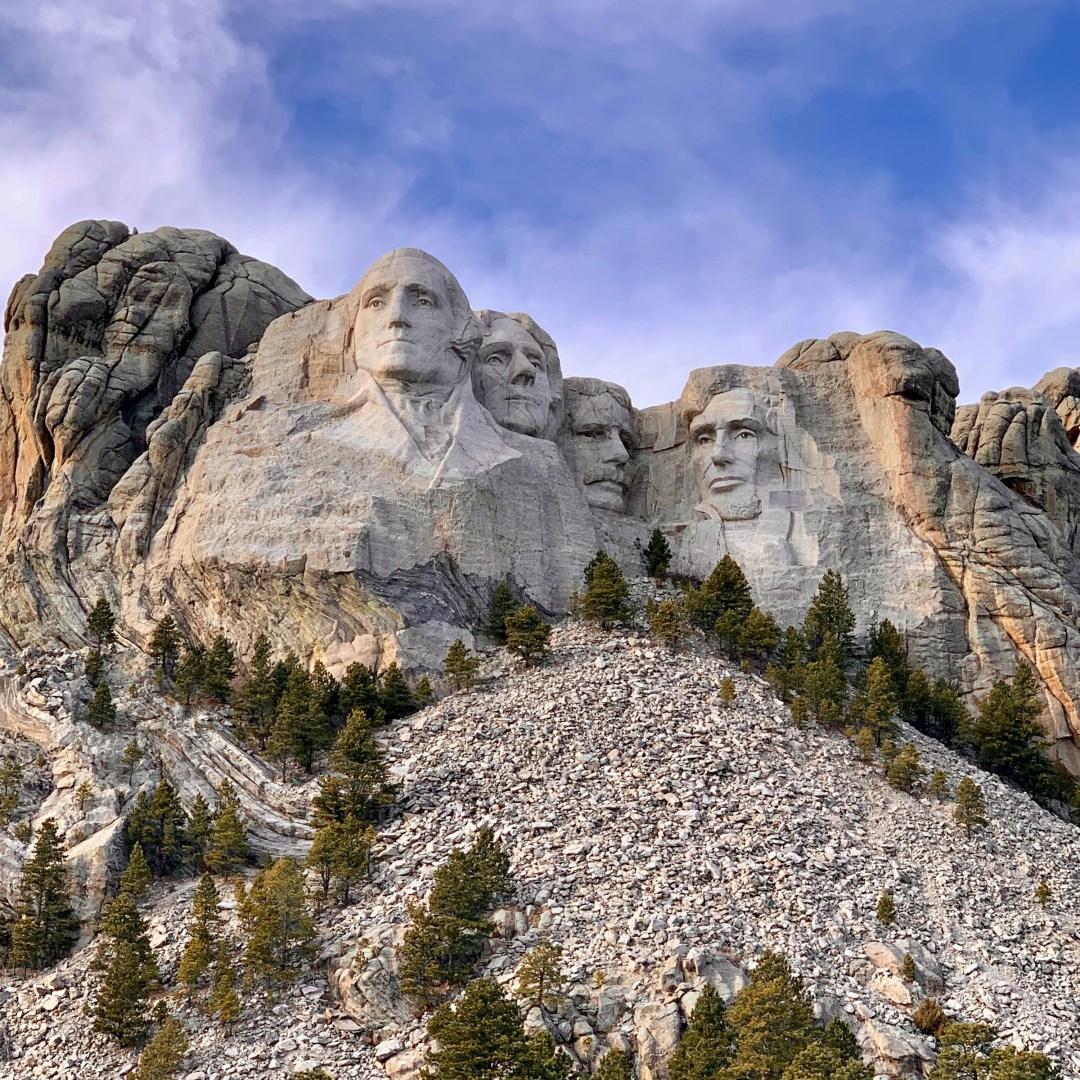
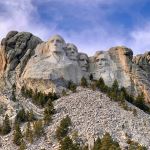
Located about twenty-five miles southwest of Rapid City, South Dakota, lies Mount Rushmore. Following Highway 244 from the west leads to the orientation center. There exhibits tell how sculptor Gutzon Borglum carved away twice the rock needed to construct Egypt's Great Sphinx (which isn't even as tall as Washington's nose). Through a 25-cent telescope one can witness Washington's wide brow and the sad, determined line of Lincoln's mouth, shaped by the terrible decisions of the Civil War. Jefferson gazes heavenward, eyes abrim with lofty ideas. One can observe Teddy Roosevelt's bully grit. And you realize that Borglum intended to incise basic American ideals here, to present history writ large in stone.
Borglum set about creating Mount Rushmore's famous 60-foot-high faces of George Washington, Thomas Jefferson, Theodore Roosevelt, and Abraham Lincoln by blasting and drilling them from Rushmore's gray pegmatite granite. He started work in 1927, wanting to sculpture full busts of the four Presidents, but died in 1941 with only the heads
completed, and almost no work has been done on the mountain since that time. The artist had chosen these President's because he felt they represented America's ideals and also her territorial destiny: Washington, land surveyor and father of his country; Jefferson, architect of the Louisiana Purchase; Lincoln, preserver of the Union in the face of civil war; and Theodore Roosevelt, extender of American prestige abroad and engineer of the Panama Canal Zone acquisition.
Mount Rushmore National Memorial and nearby parklands bring millions of visitors to South Dakota's Black Hills each year.