>Estonia, a hidden gem in Northern Europe, boasts a fascinating mix of medieval charm and modern vibrancy. The capital city, Tallinn, is renowned for its well-preserved medieval Old Town, a UNESCO World Heritage Site. Wander through the cobbled streets of the Old Town, where you’ll encounter stunning Gothic architecture, including the impressive Alexander Nevsky Cathedral and the Town Hall, with its ornate spire and charming square.
The Seine River, meandering gracefully through the heart of Paris, is a living testament to the city’s rich history and vibrant culture. From the picturesque quays to the iconic landmarks lining its banks, the Seine offers an enchanting journey through Parisian elegance.
Portland, Oregon, is a city where natural beauty and urban innovation coexist harmoniously. Nestled between the Columbia and Willamette Rivers and framed by volcanic mountains, Portland offers an array of outdoor adventures alongside its renowned cultural scene. Visitors can explore the lush expanses of Forest Park, one of the largest urban forests in the U.S., or take a leisurely stroll through the Portland Japanese Garden, which showcases exquisite traditional Japanese landscape design.
Valladolid is the name of both a province and the city that is its capital. It is the current capital of Castilla y León and the largest city in the region. It is famous for its beautiful gardens and the solemnity and grace of its Holy Week celebrations. The people of Valladolid claim to speak "the pure Spanish."
Kamloops, located in the interior of British Columbia, sits at the meeting point of the North and South Thompson Rivers. The name comes from the Secwépemc word “Tk’emlúps,” meaning "where the rivers meet," and the area has been a gathering place for Indigenous communities for thousands of years. Today, visitors can explore this rich cultural heritage at the Secwépemc Museum and Heritage Park, where trails lead through archaeological sites and reconstructed pit houses.
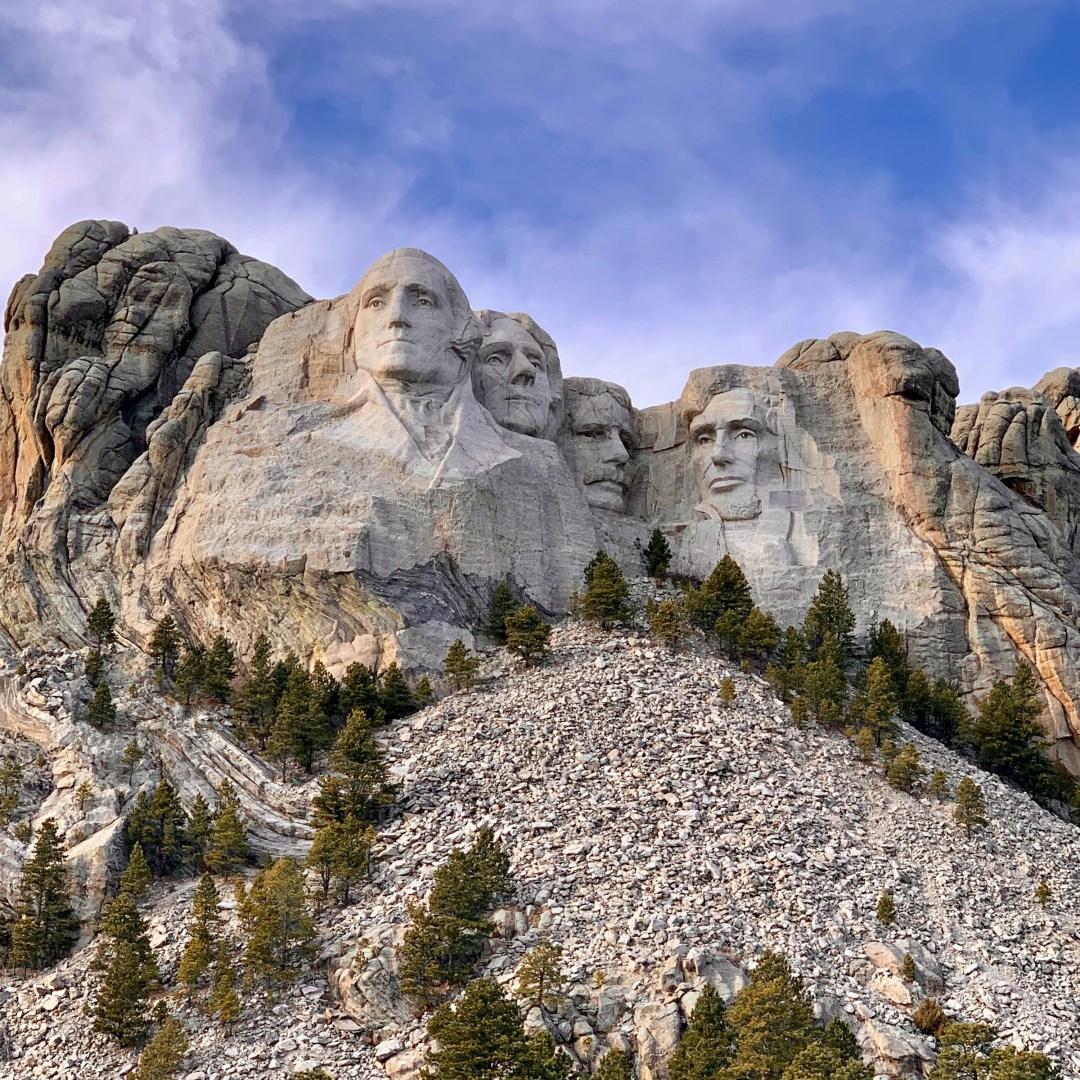
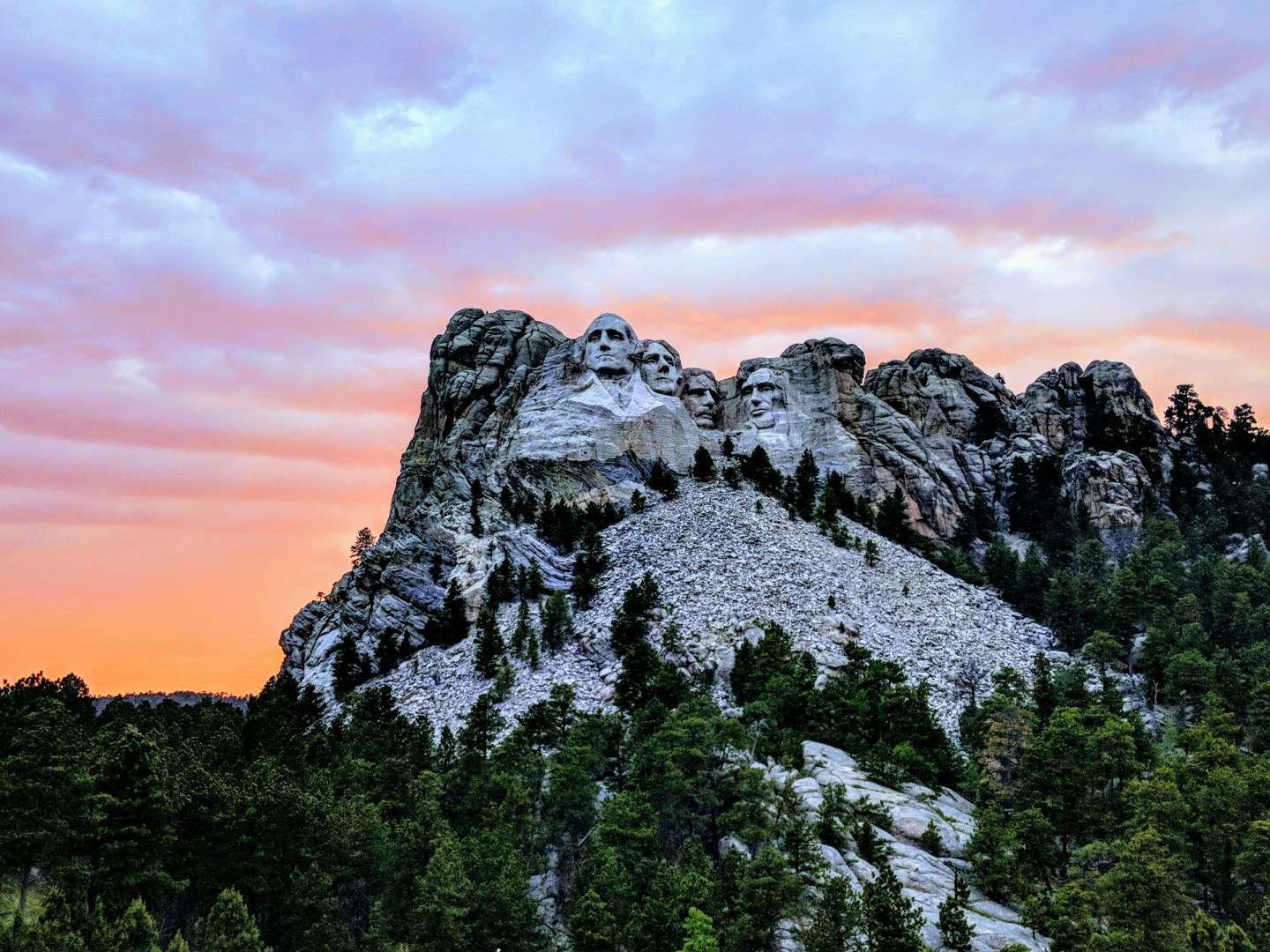
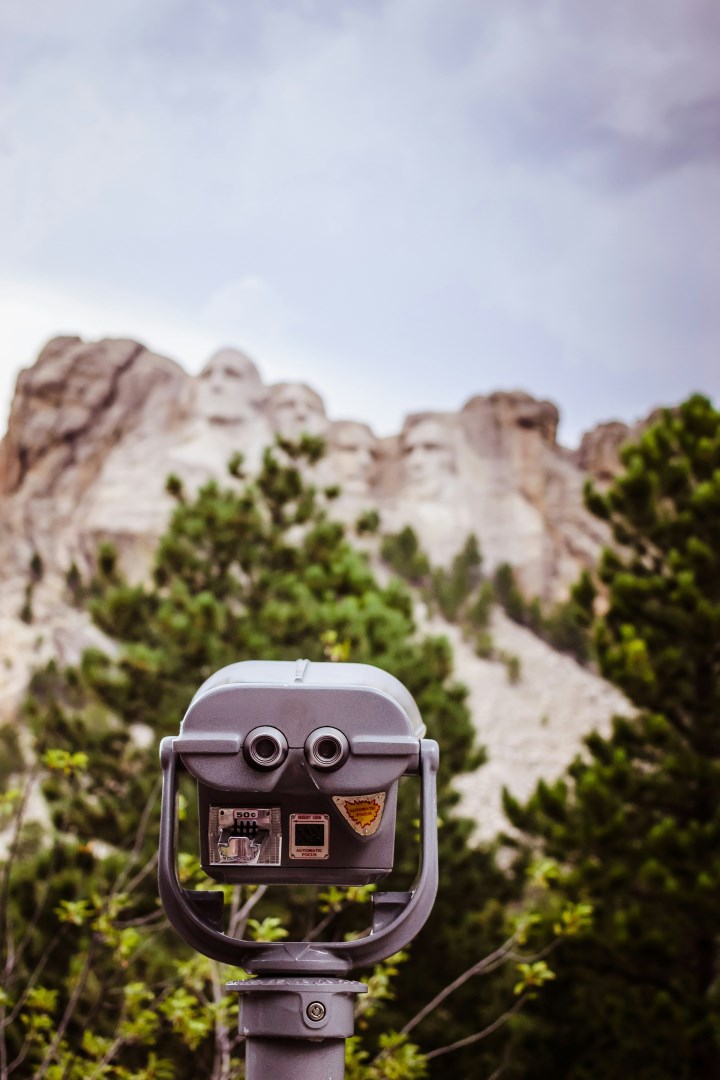
Located about twenty-five miles southwest of Rapid City, South Dakota, lies Mount Rushmore. Following Highway 244 from the west leads to the orientation center. There exhibits tell how sculptor Gutzon Borglum carved away twice the rock needed to construct Egypt's Great Sphinx (which isn't even as tall as Washington's nose). Through a 25-cent telescope one can witness Washington's wide brow and the sad, determined line of Lincoln's mouth, shaped by the terrible decisions of the Civil War. Jefferson gazes heavenward, eyes abrim with lofty ideas. One can observe Teddy Roosevelt's bully grit. And you realize that Borglum intended to incise basic American ideals here, to present history writ large in stone.
Borglum set about creating Mount Rushmore's famous 60-foot-high faces of George Washington, Thomas Jefferson, Theodore Roosevelt, and Abraham Lincoln by blasting and drilling them from Rushmore's gray pegmatite granite. He started work in 1927, wanting to sculpture full busts of the four Presidents, but died in 1941 with only the heads
completed, and almost no work has been done on the mountain since that time. The artist had chosen these President's because he felt they represented America's ideals and also her territorial destiny: Washington, land surveyor and father of his country; Jefferson, architect of the Louisiana Purchase; Lincoln, preserver of the Union in the face of civil war; and Theodore Roosevelt, extender of American prestige abroad and engineer of the Panama Canal Zone acquisition.
Mount Rushmore National Memorial and nearby parklands bring millions of visitors to South Dakota's Black Hills each year.