Braga, one of Portugal’s oldest and most vibrant cities, blends deep religious heritage with a youthful, energetic spirit. Founded over two millennia ago by the Romans as Bracara Augusta, the city has long been a center of faith and culture, earning it the nickname “the Rome of Portugal.”
Looe is a small seaside town on the south coast of Cornwall, England, divided by the River Looe into East and West Looe and connected by a graceful stone bridge. With origins as a medieval port, the town has long been shaped by fishing and seafaring, traditions that still define its identity today.
Perched at the meeting point of Lake Como’s three branches, Bellagio is often called the “Pearl of Lake Como” for its spectacular setting and timeless elegance. This Italian village has been a retreat for centuries, drawing poets, aristocrats, and travelers alike with its harmonious blend of natural beauty, refined architecture, and relaxed sophistication.
Plan to spend at least a full day in downtown Gatlinburg exploring the hundreds of gift and craft shops, and dozens of family entertainment attractions such as the "Sweet Fanny Adams" Theater and Elwood Smooch's Hillbilly Hoedown. For a totally different experience, ride the world's larges tramway to Ober Gatlinburg featuring year round skking, ice skating, and ski lift rides...
Cleveland, Ohio is a city with grit, pride, and a surprising amount of charm. Perched along the southern shore of Lake Erie, it blends industrial roots with a strong cultural identity. One of its most iconic attractions is the Rock & Roll Hall of Fame, where visitors can view everything from Prince’s custom guitars to handwritten lyrics by The Beatles. The museum brings history to life through rotating exhibits, film screenings, and live performances on the lakefront plaza.
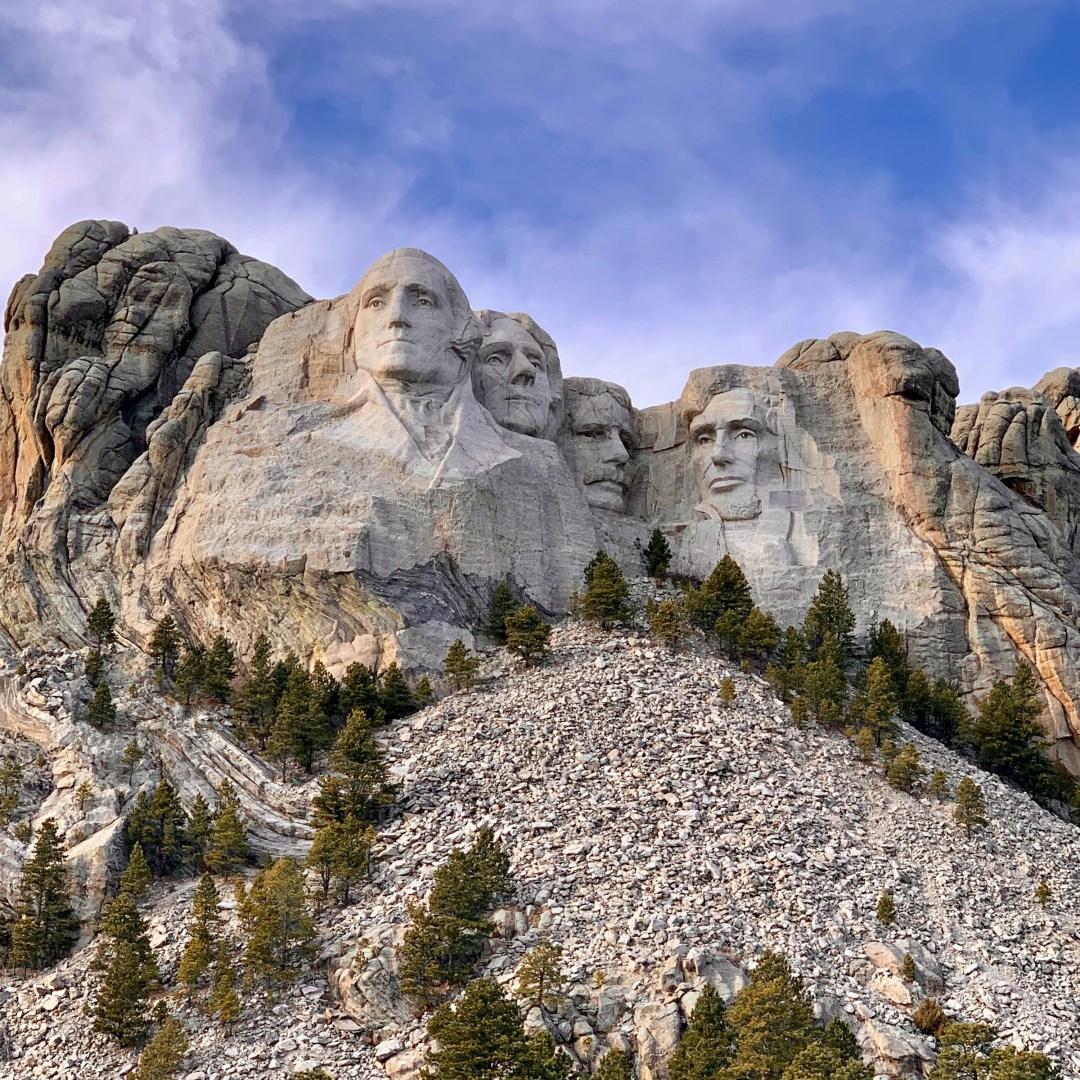
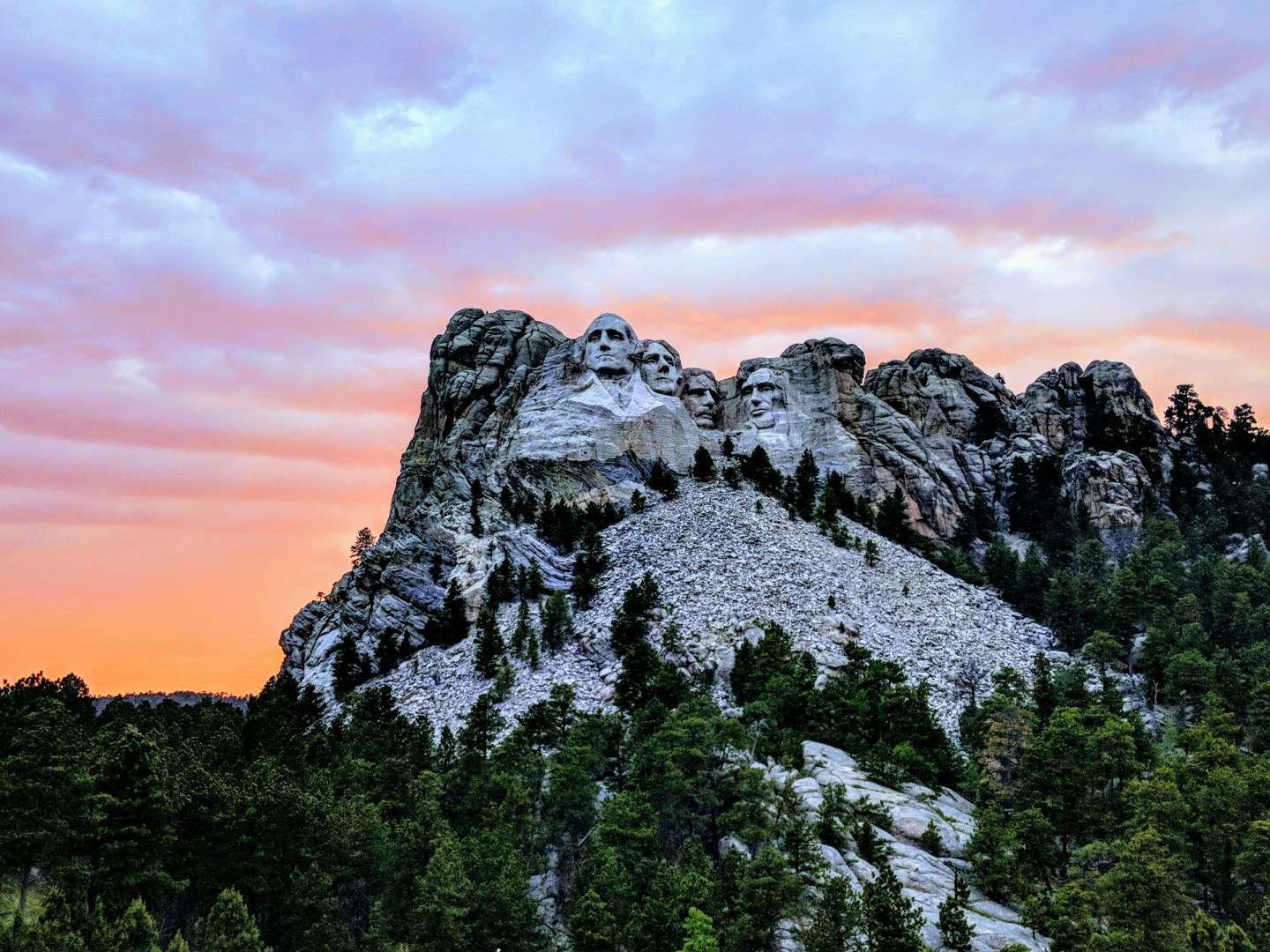
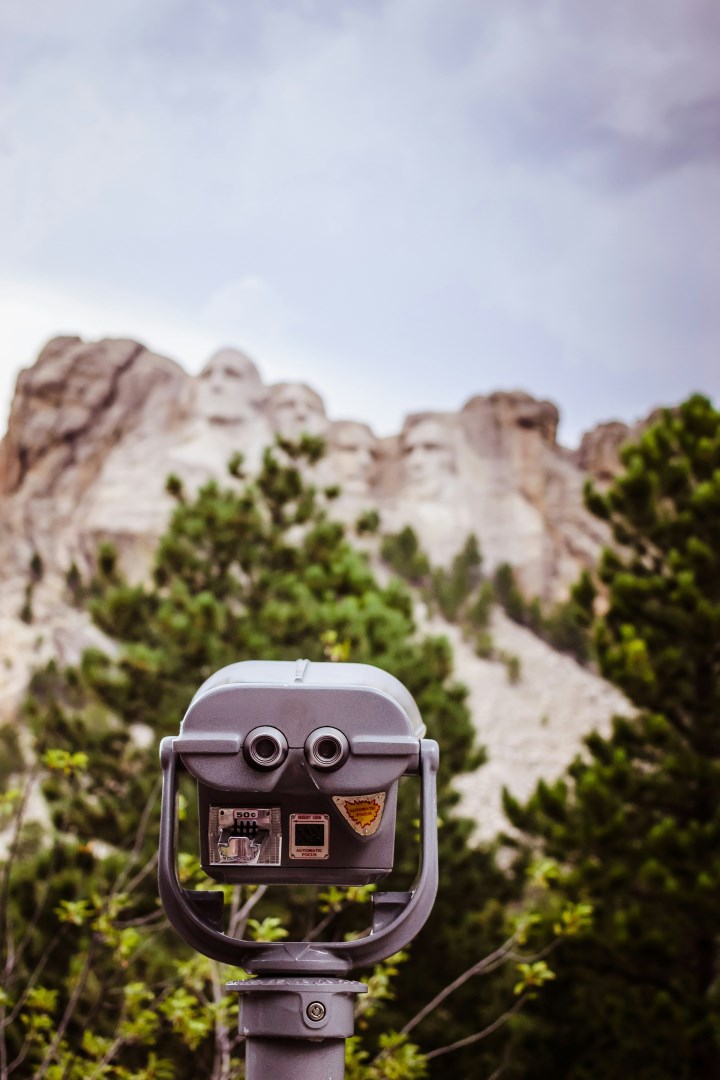
Located about twenty-five miles southwest of Rapid City, South Dakota, lies Mount Rushmore. Following Highway 244 from the west leads to the orientation center. There exhibits tell how sculptor Gutzon Borglum carved away twice the rock needed to construct Egypt's Great Sphinx (which isn't even as tall as Washington's nose). Through a 25-cent telescope one can witness Washington's wide brow and the sad, determined line of Lincoln's mouth, shaped by the terrible decisions of the Civil War. Jefferson gazes heavenward, eyes abrim with lofty ideas. One can observe Teddy Roosevelt's bully grit. And you realize that Borglum intended to incise basic American ideals here, to present history writ large in stone.
Borglum set about creating Mount Rushmore's famous 60-foot-high faces of George Washington, Thomas Jefferson, Theodore Roosevelt, and Abraham Lincoln by blasting and drilling them from Rushmore's gray pegmatite granite. He started work in 1927, wanting to sculpture full busts of the four Presidents, but died in 1941 with only the heads
completed, and almost no work has been done on the mountain since that time. The artist had chosen these President's because he felt they represented America's ideals and also her territorial destiny: Washington, land surveyor and father of his country; Jefferson, architect of the Louisiana Purchase; Lincoln, preserver of the Union in the face of civil war; and Theodore Roosevelt, extender of American prestige abroad and engineer of the Panama Canal Zone acquisition.
Mount Rushmore National Memorial and nearby parklands bring millions of visitors to South Dakota's Black Hills each year.