Dominica
Dominica, known as the “Nature Island of the Caribbean,” is a haven for eco-tourists and adventure seekers. Nestled between the French islands of Guadeloupe and Martinique, this lush island boasts a remarkable landscape of volcanic mountains, dense rainforests, and stunning waterfalls. Dominica’s most iconic natural wonder is the Boiling Lake, the second-largest hot spring in the world.
Pensacola
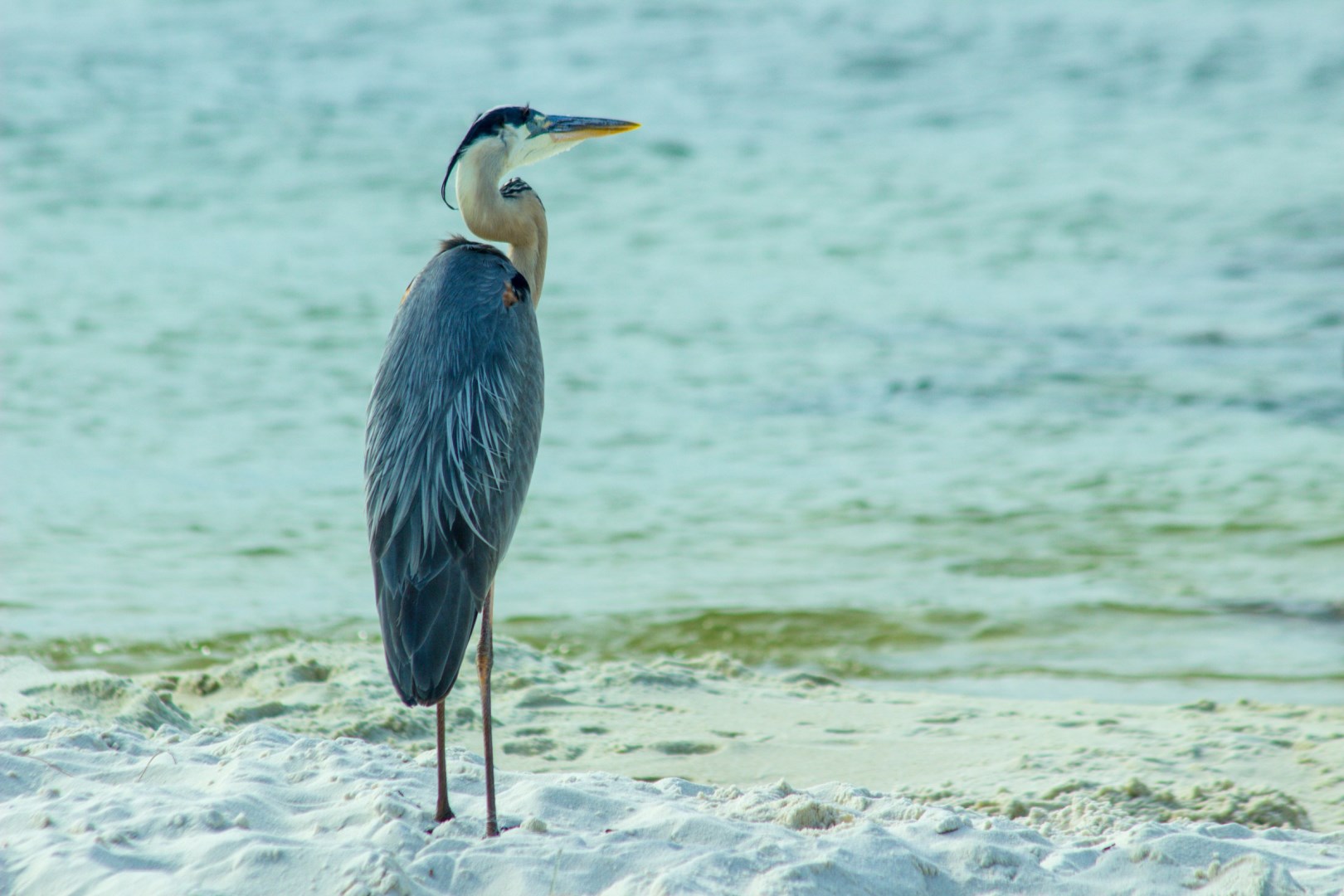
Pensacola is a coastal city in Florida’s western Panhandle, situated around Pensacola Bay near the Gulf of Mexico. Its deep natural harbor has shaped the city’s identity as a port, naval centre, and coastal community. Downtown Pensacola contains historic streets, museums, restaurants, and public squares, while Pensacola Beach lies across the bay on Santa Rosa Island. The city is also closely associated with naval aviation, earning recognition as the “Cradle of Naval Aviation.”

Goa
Goa, the sun-soaked paradise on India's western coast, is a destination where history, culture, and natural beauty converge in a spectacular way. Known for its golden beaches and vibrant nightlife, Goa is also rich in heritage, reflecting its unique blend of Indian and Portuguese influences. The old quarters of Panaji and Margao are dotted with charming colonial-era buildings, quaint churches, and lively markets that beckon travelers to explore the region’s storied past.
Concord
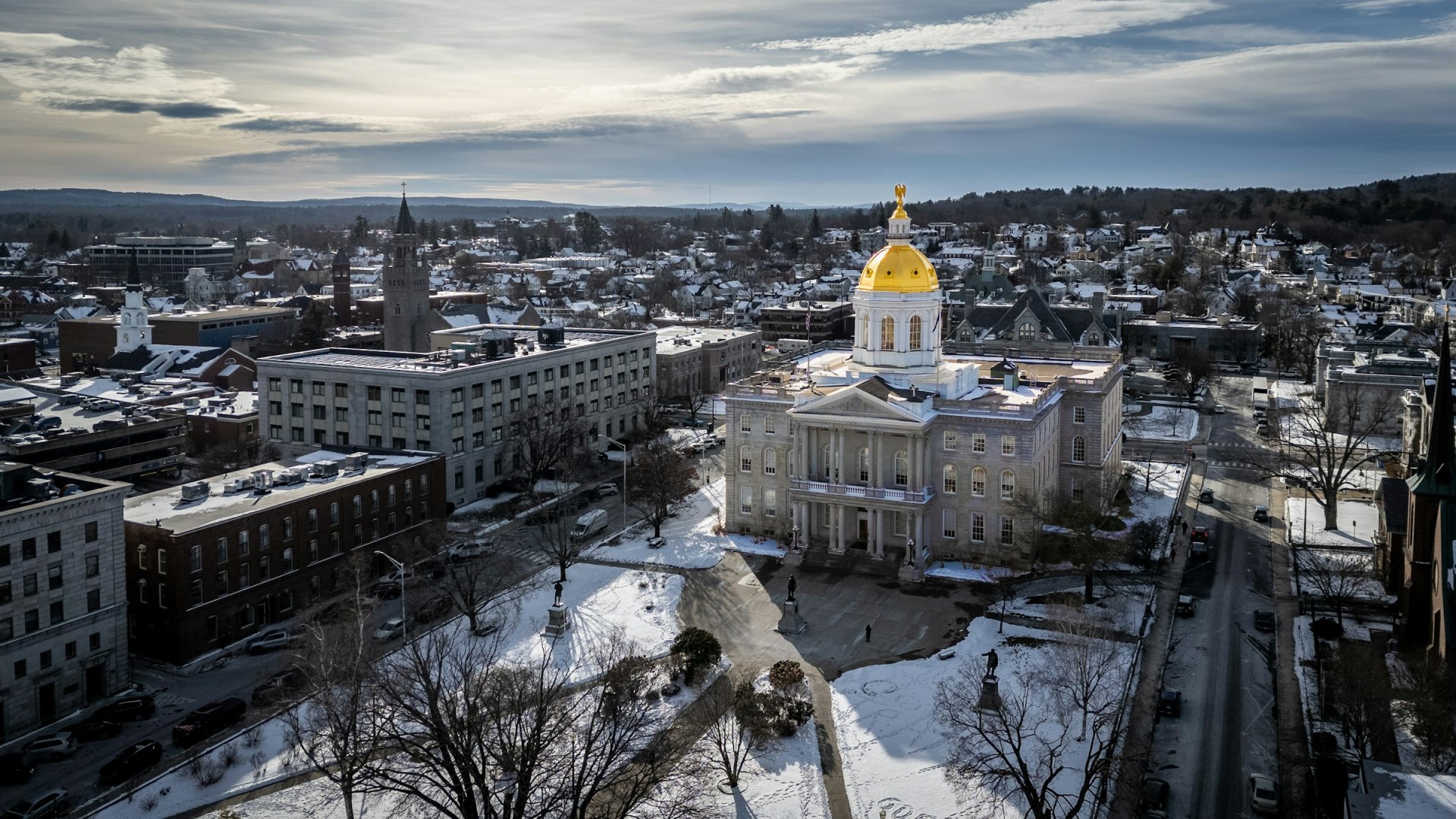
Concord is the capital of New Hampshire, situated along the Merrimack River in the central part of the state. The city combines a compact downtown with historic neighborhoods, wooded conservation areas, and a strong civic identity. Main Street serves as the heart of the centre, lined with independent shops, restaurants, galleries, and public spaces. The New Hampshire State House, with its distinctive golden dome, stands nearby and remains a major landmark.
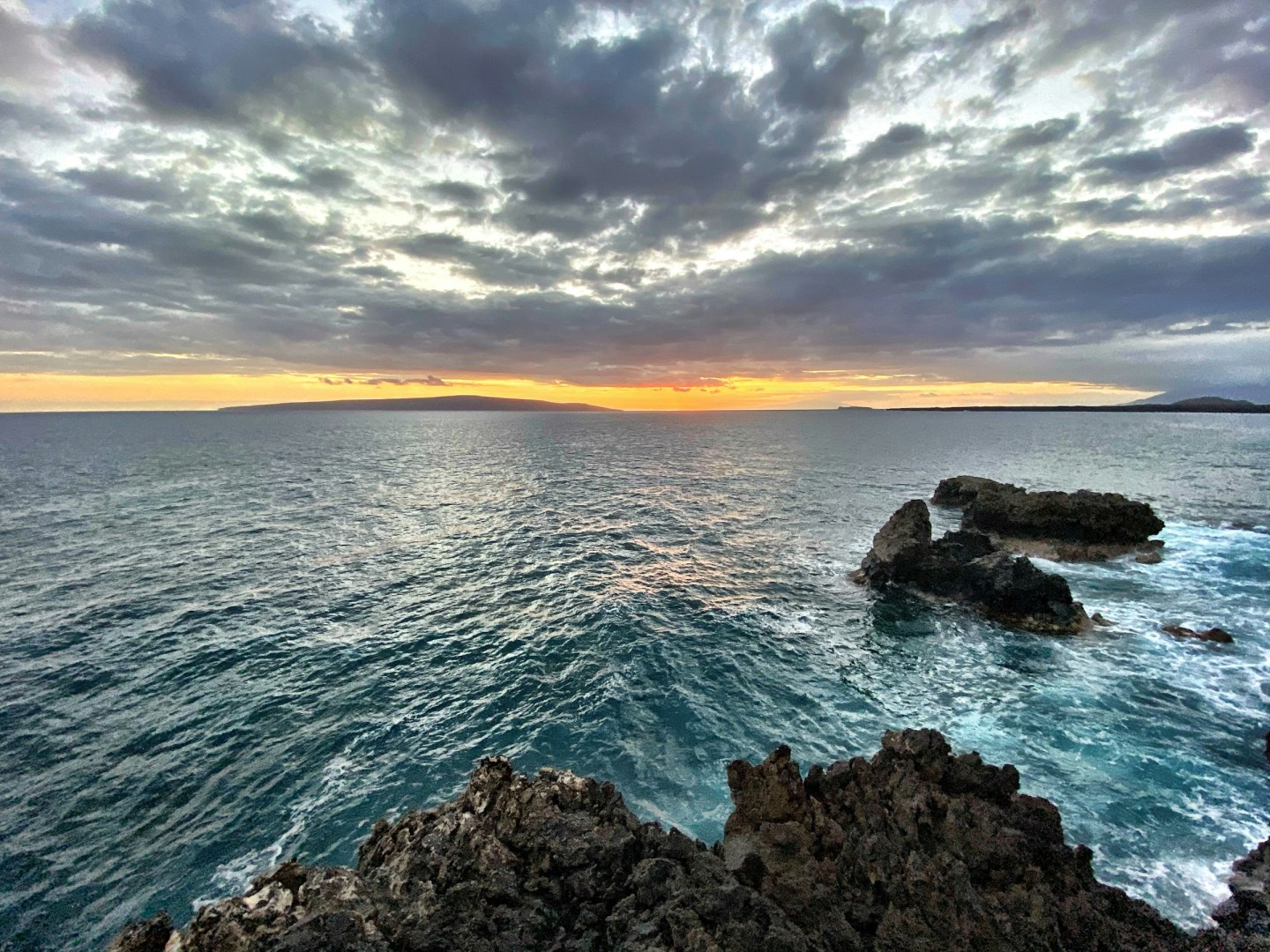
Makena, Maui
The Makena area has one of the most beautiful shorelines in South Maui, it is also home to a world class golf course and some of the major resorts on Maui. Makena is also adjacent to one of the more remote areas of Maui, the La Perouse Bay are, the end of the road for the South side.