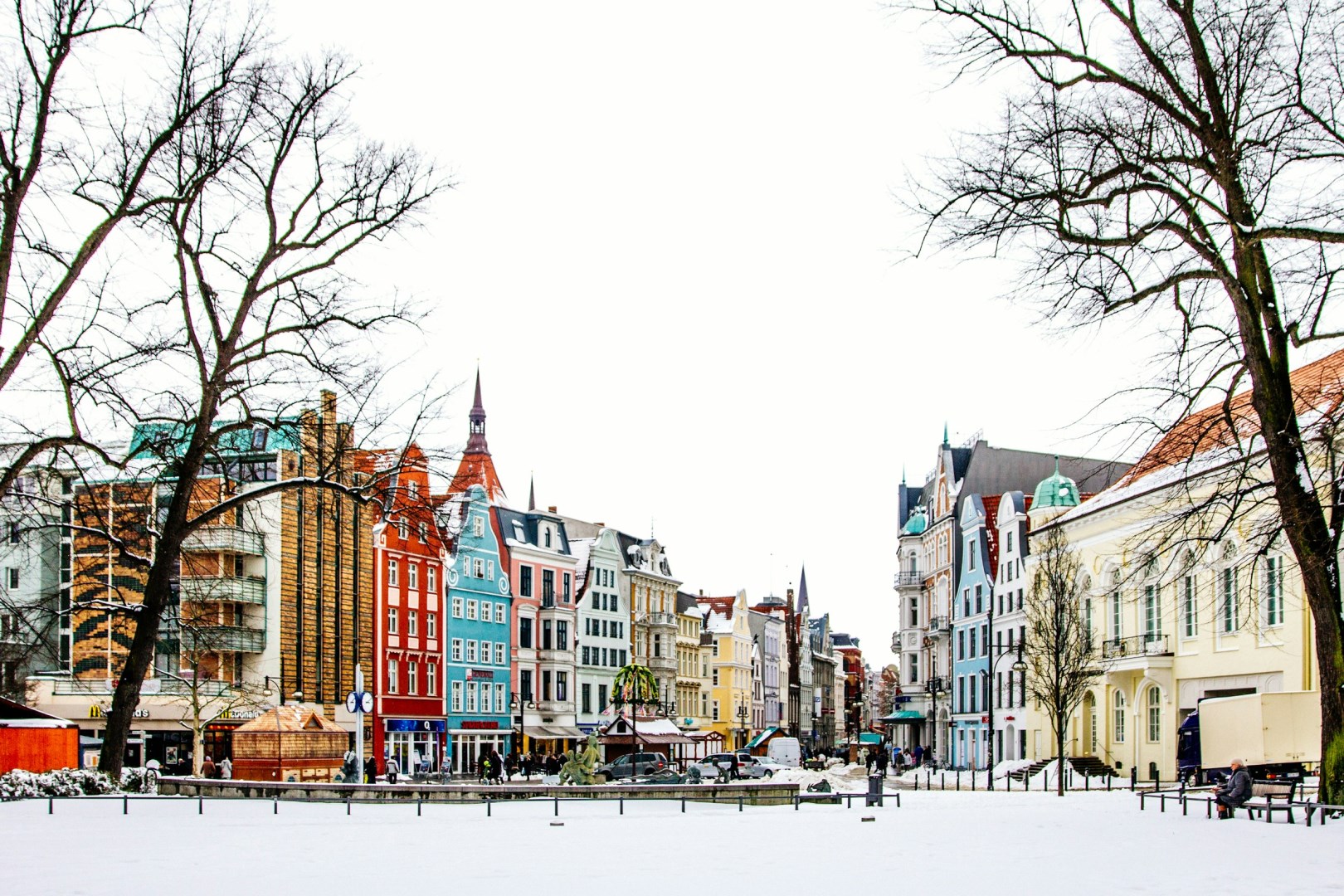
Rostock
Make friends with Rostock, one of Germany's most beautiful Hanseatic cities - where the Baltic Sea laps the shores of Mecklenburg/Western Pomerania and the air tastes slightly salty, where old-fashioned sailboats provoke nostalgic longings, and where brick gables reach into the sky.

Colón
Colón is a Caribbean port city on Panama’s northern coast, positioned near the Atlantic entrance to the Panama Canal. Its waterfront setting, tropical climate, and access to the canal, Caribbean beaches, and surrounding rainforest give it a distinctive role within Panama’s geography. The city is closely connected to the canal’s commercial activity and serves as an important gateway to destinations in Colón Province.
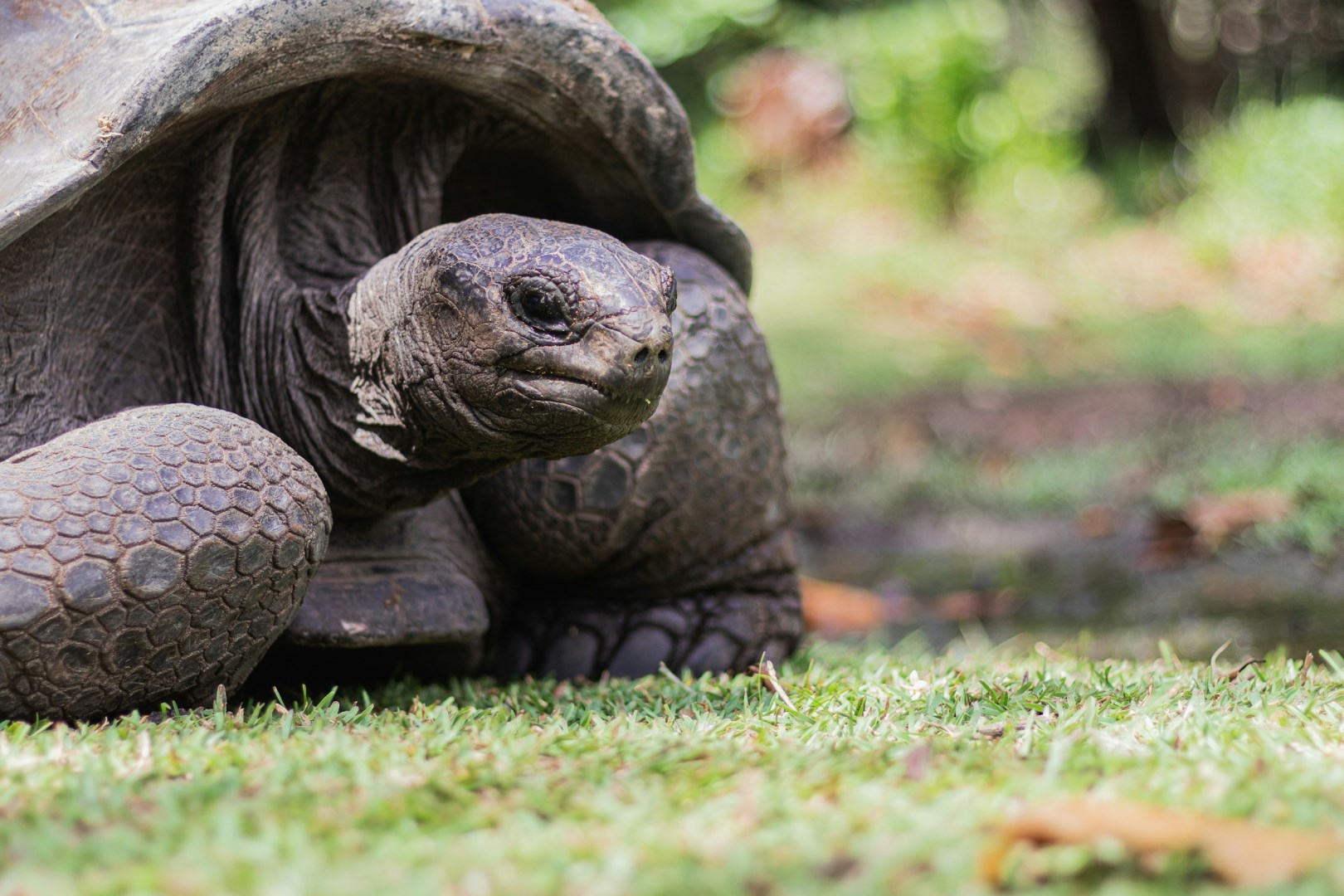
Alphonse Atoll
Alphonse Atoll, located in the Seychelles, is a true paradise for nature lovers and adventure seekers. This remote atoll, part of the Outer Islands of the Seychelles, is renowned for its stunning coral reefs, pristine white-sand beaches, and crystal-clear waters. The atoll is a haven for marine life, including vibrant coral formations and diverse fish species, making it an ideal destination for snorkeling and diving enthusiasts.

Tirana
Tirana, the lively capital of Albania, is a city that blends historical charm with modern vibrancy. At the heart of its transformation is Skanderbeg Square, a bustling hub named after the national hero Gjergj Kastrioti Skanderbeg.

Pigeon Forge
Nestled in the heart of the Smoky Mountains, Pigeon Forge, Tennessee, is a charming destination that combines natural beauty with family-friendly attractions. This small town, known for its close proximity to the Great Smoky Mountains National Park, offers visitors an array of outdoor adventures, including hiking, fishing, and wildlife viewing.