Sweden
Sweden is a country where medieval towns, coastal archipelagos, and expansive forests sit side by side with modern design and a strong cultural identity. Stockholm, the capital, is built across 14 islands connected by bridges and ferries. The historic district of Gamla Stan features narrow, cobbled streets and colorful buildings dating back to the 13th century.
Oviedo
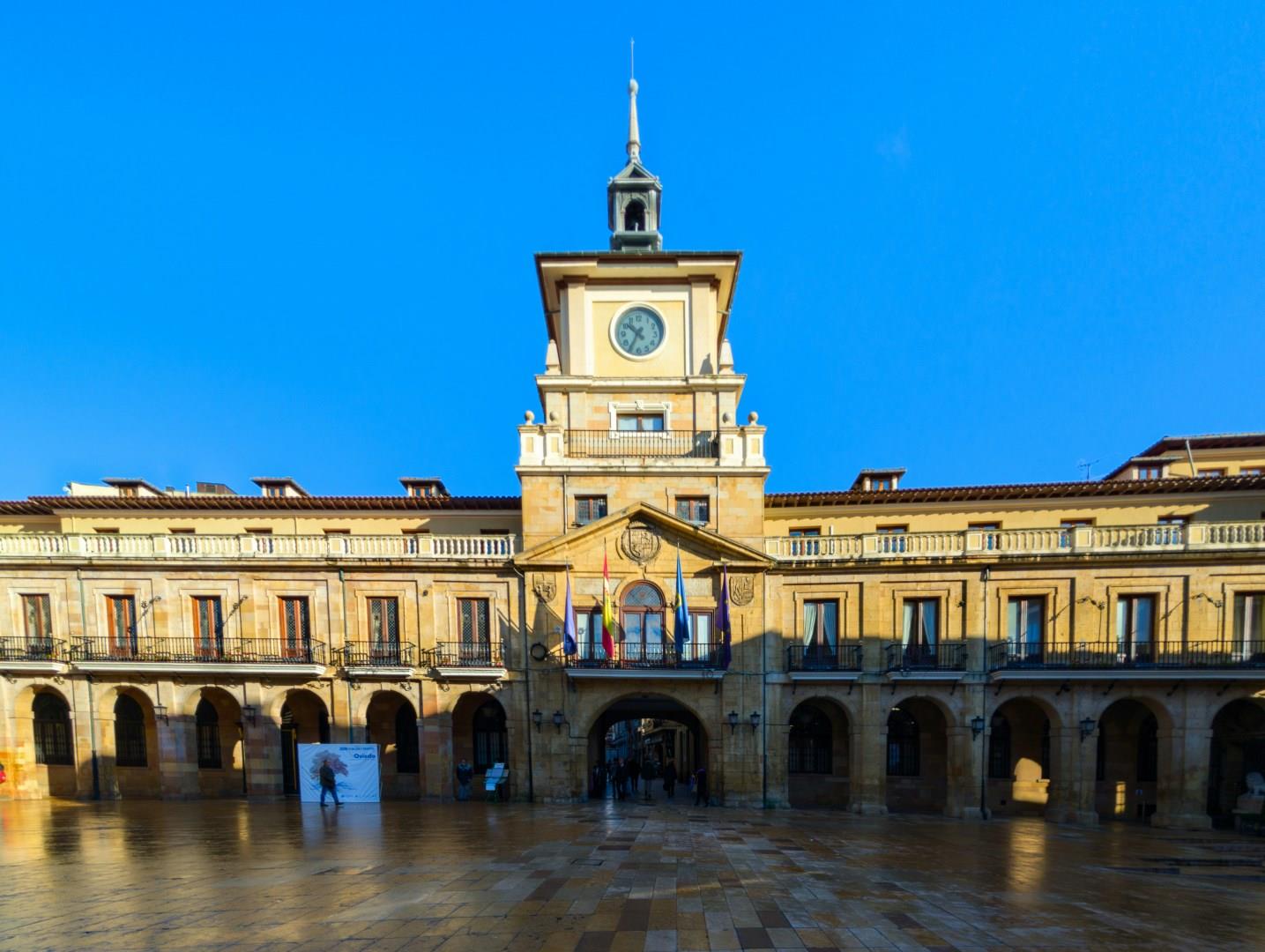
Oviedo, the capital of Asturias in northern Spain, offers a rare mix of medieval heritage and everyday life that feels rooted rather than staged. The city’s historic center is home to some of the oldest pre-Romanesque buildings in Europe, including the UNESCO-listed Santa María del Naranco and San Miguel de Lillo. Cider, not wine, defines the local table. Oviedo is surrounded by apple orchards, and the traditional drink, sidra natural, is poured from a height by skilled escanciadores.

Dominica
Dominica, known as the “Nature Island of the Caribbean,” is a haven for eco-tourists and adventure seekers. Nestled between the French islands of Guadeloupe and Martinique, this lush island boasts a remarkable landscape of volcanic mountains, dense rainforests, and stunning waterfalls. Dominica’s most iconic natural wonder is the Boiling Lake, the second-largest hot spring in the world.
Lewa Wildlife Conservancy
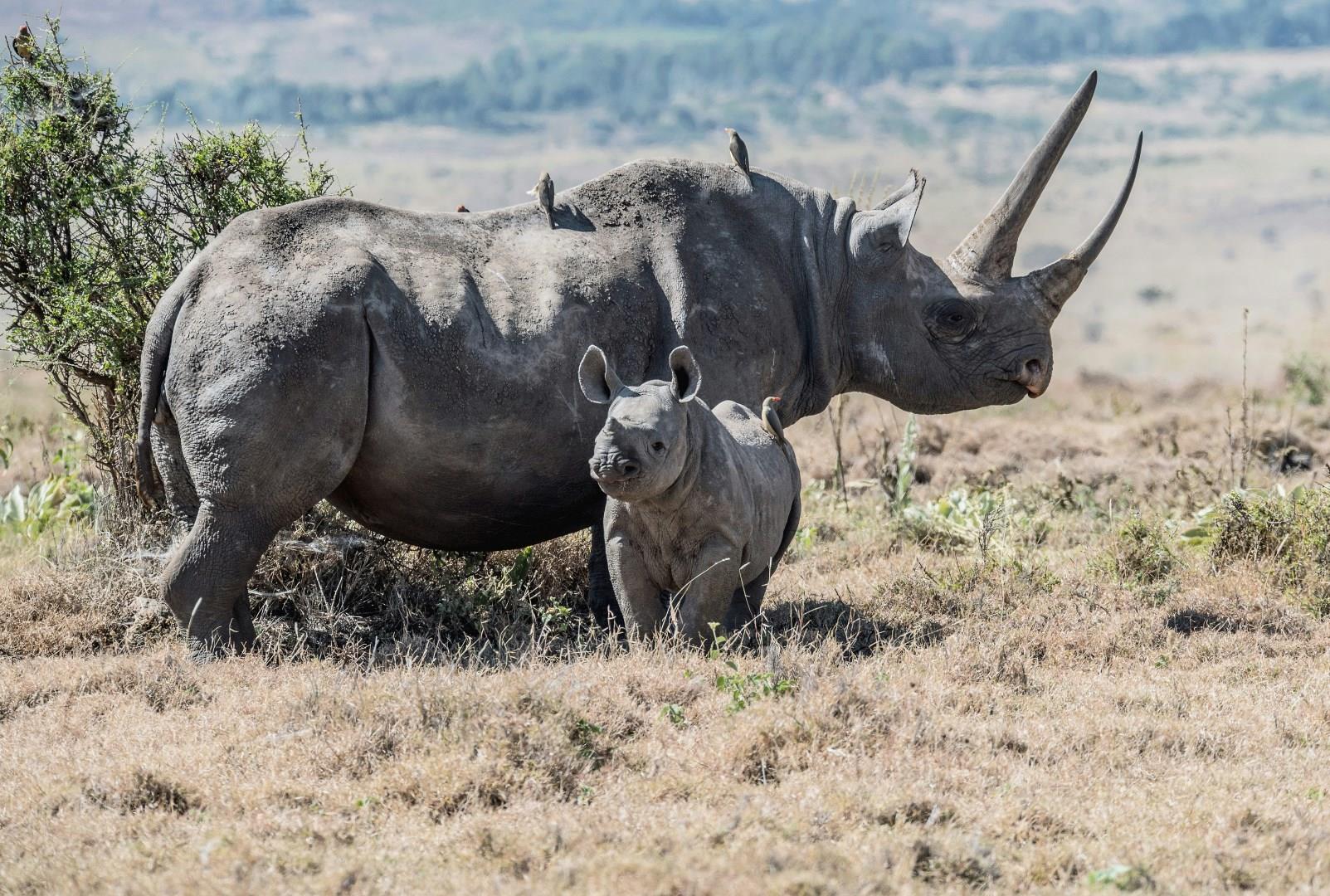
Lewa Wildlife Conservancy lies in northern Kenya at the foothills of Mount Kenya, where open savannah, wooded hills, and seasonal rivers create a varied and striking landscape.
Dodoma
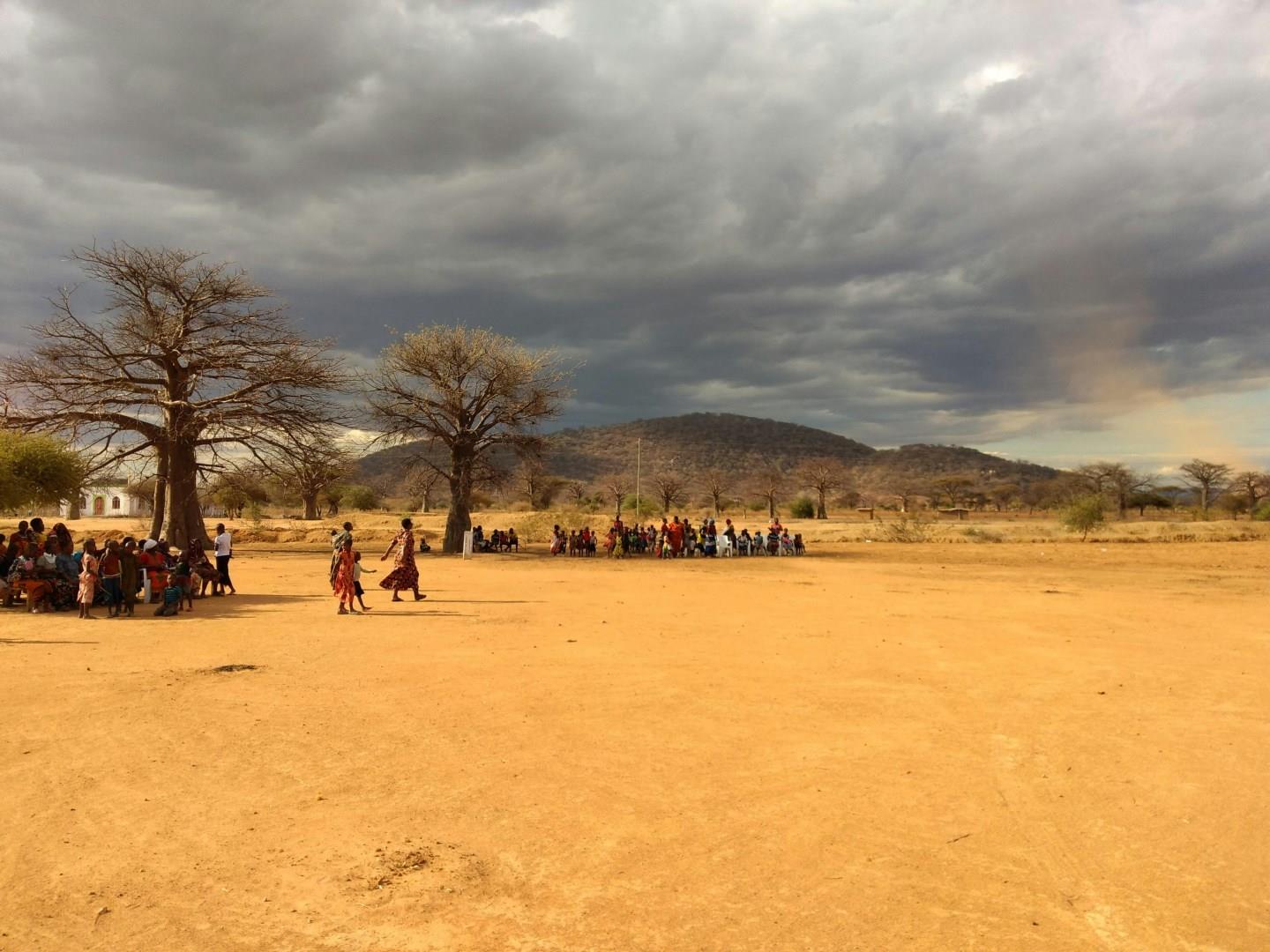
Dodoma, the capital of Tanzania, is a city that sits in the heart of the country, surrounded by rolling hills and semi-arid plains.