Lusaka
Lusaka, the capital of Zambia, is a city that blends modern energy with authentic African culture. As the country’s largest urban center, it serves as the gateway for travelers exploring Zambia’s natural wonders while also offering its own dynamic experiences.
Ubud
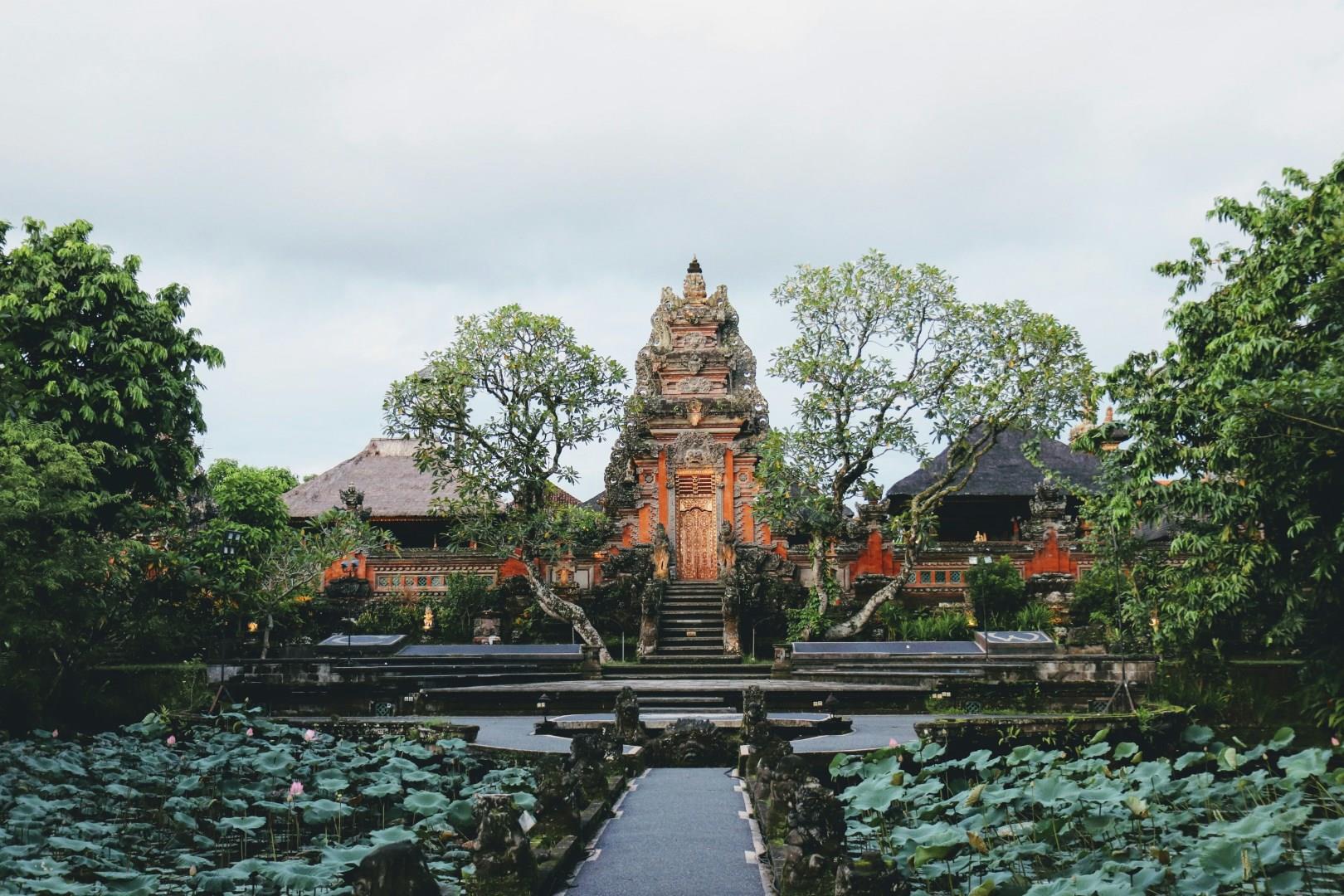
Ubud lies in the uplands of central Bali and has long been regarded as the island’s cultural and spiritual heart. Historically a center for healing and royal patronage, the town developed around temples, palaces, and traditional villages that supported dance, painting, woodcarving, and ritual life.
Salamanca
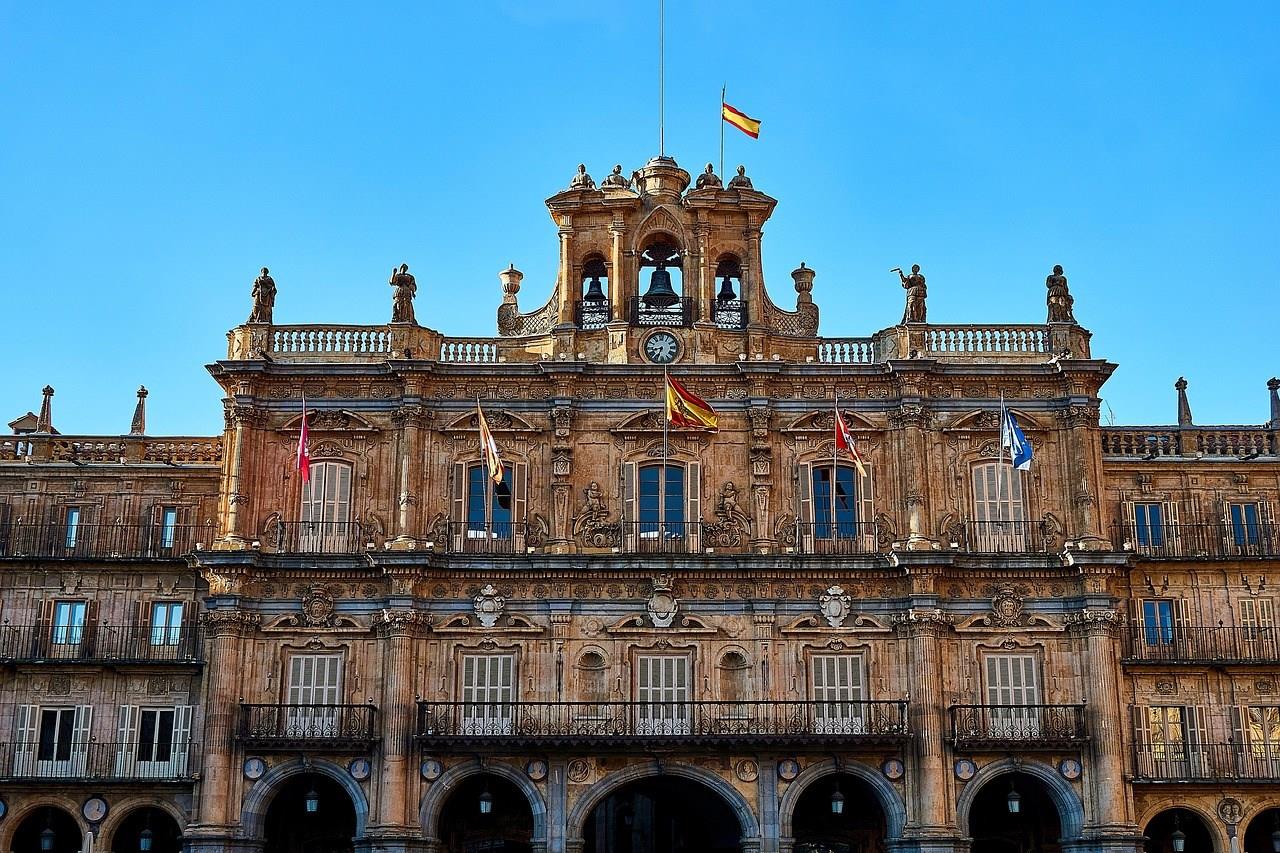
Salamanca, often called the “Golden City” for the warm glow of its sandstone buildings, is a place where centuries of stories are etched into every wall. Visit its historic center to wander through cobbled streets lined with architectural marvels. The University of Salamanca, founded in 1218, is one of the oldest in Europe and still buzzes with student life.

Dublin
Dublin, Ireland is an architectural, artistic, and gastronomic marvel. Immerse yourself in this cultural capital and discover a few of Ireland’s most famous landmarks! The city is home to both the Old Jameson Whiskey Distillery and the Guinness Storehouse, where authentic Irish spirits and ales flow freely. Explore the long histories of these brewing giants in their respective factory museums.
Oruro
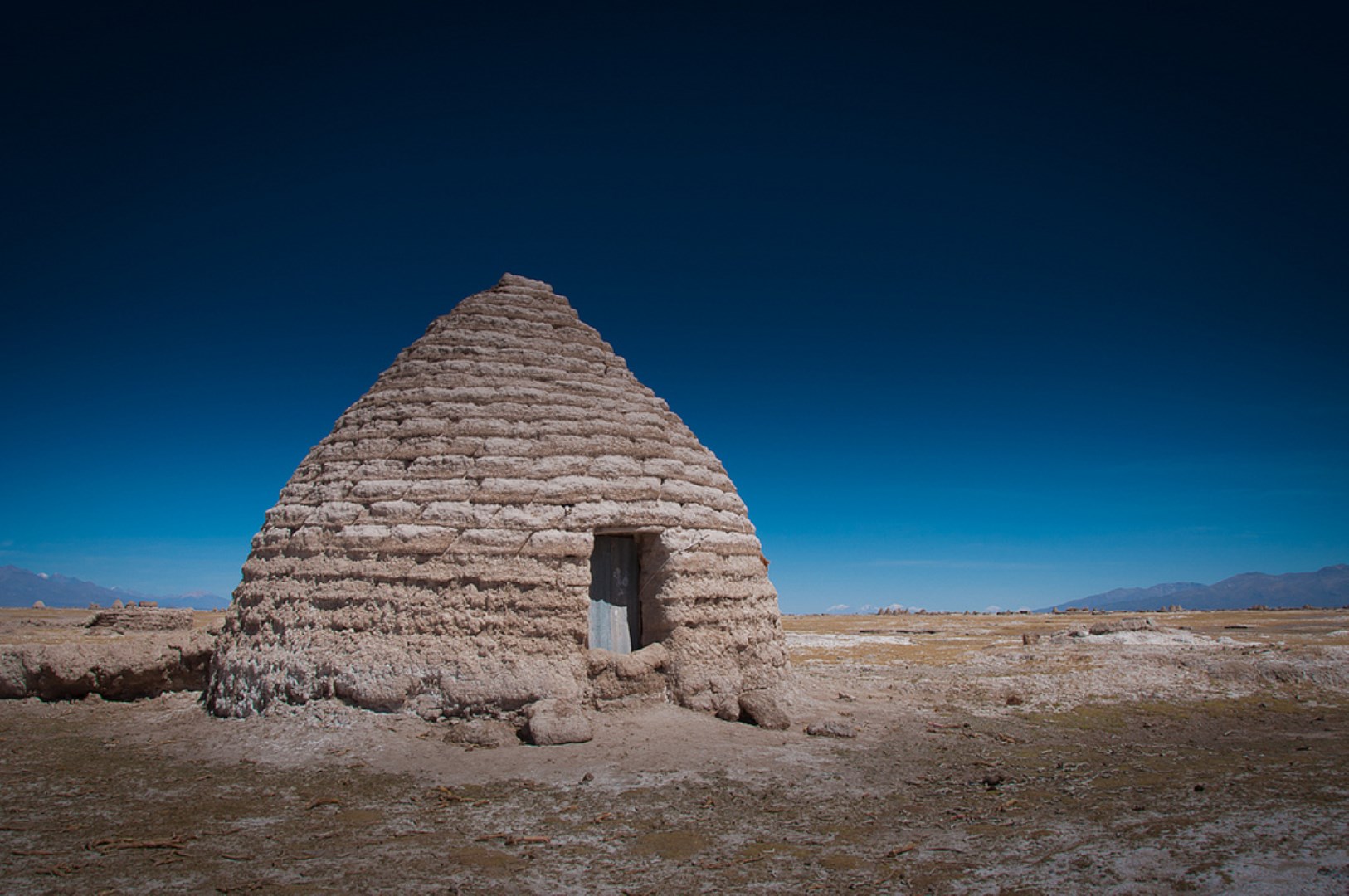
Oruro, city in western Bolivia, capital of Oruro Department, located on a plateau about 3700 m (about 12,140 ft) above sea level. Oruro is a major railroad junction and an important commercial and processing center in a mineral, especially tin, mining area. Industries in the city include tin smelting and shoe and clothing manufacture. The Technical University of Oruro (1892) is here. Oruro was settled about 1595 by Spaniards interested in its silver deposits.