Alter do Chão
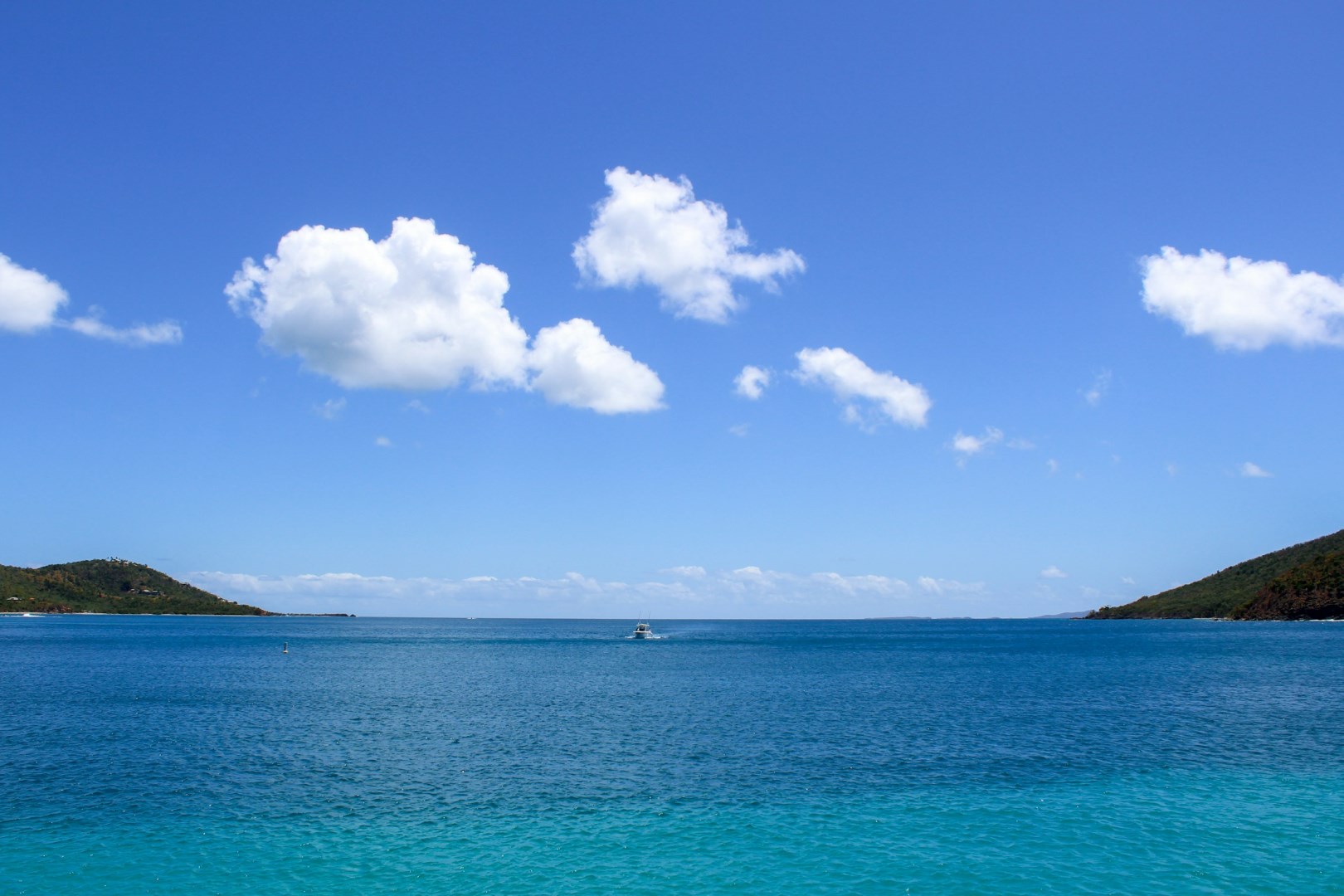
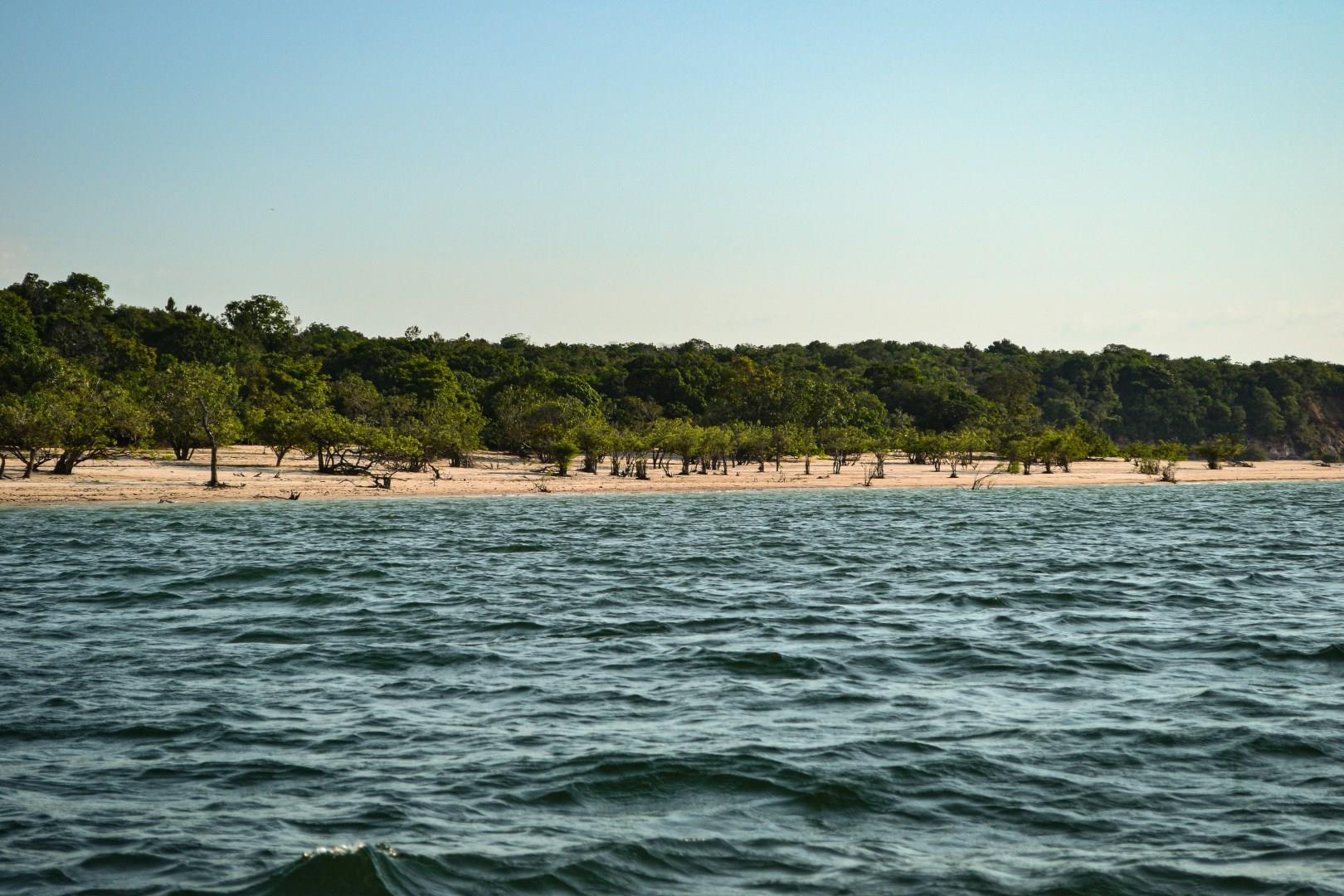
Alter do Chão is a riverside village in the Brazilian state of Pará, on the banks of the clear Tapajós River. Though part of the larger municipality of Santarém, Alter do Chão has its own rhythm and identity, known far beyond Brazil for the white-sand beaches that appear when river levels drop between July and December. One of the most famous spots is Ilha do Amor (Love Island), a sandbar just off the village shore that feels almost like a hidden world of warm water and bright sky.
Airlie Beach
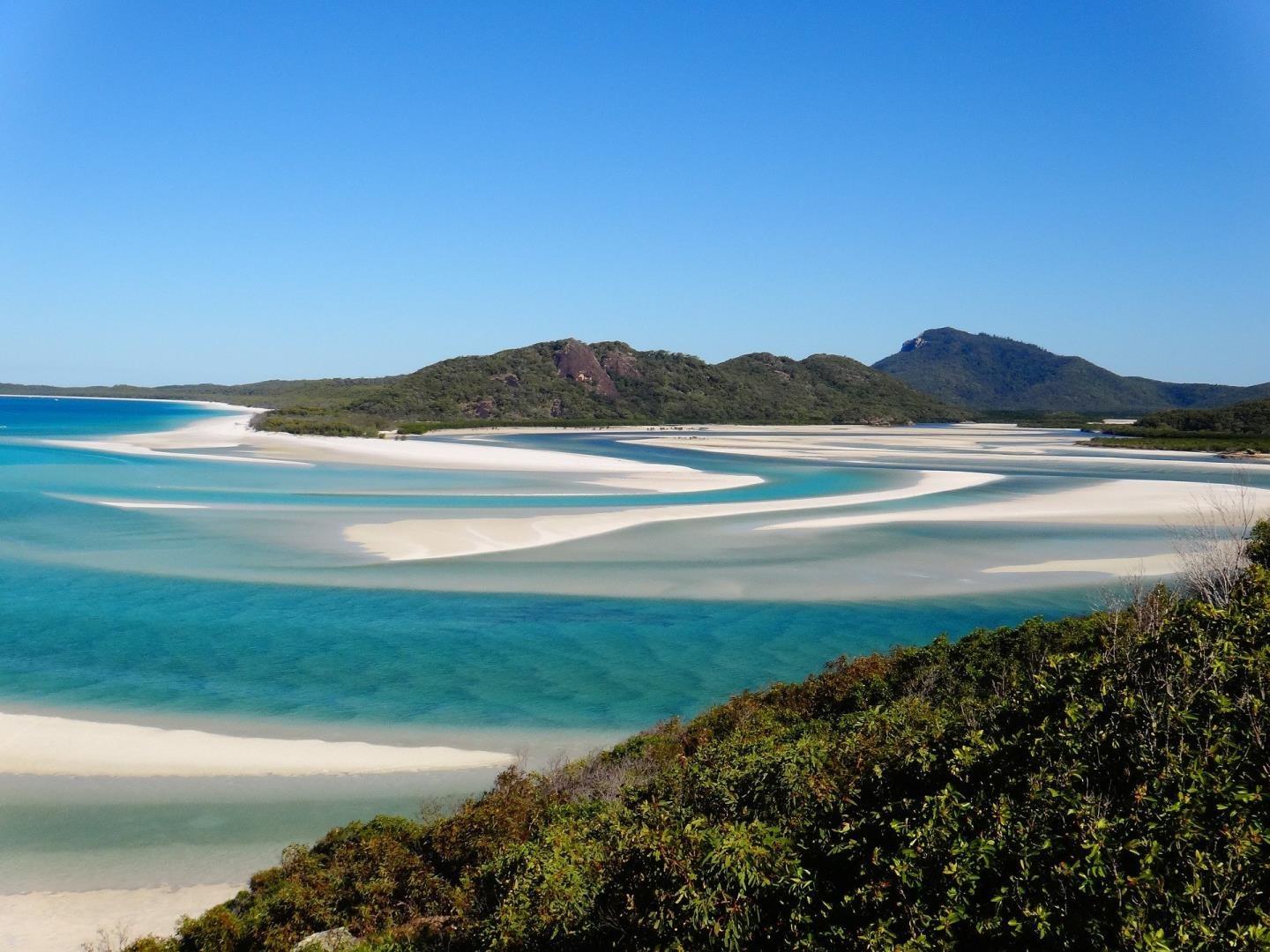
Located on the coast of Queensland, Australia, Airlie Beach is a favorite stop for cruises along the Great Barrier Reef. This coastal paradise offers spectacular beaches and easy access to the Whitsunday Islands, Conway National Park, and, of course, the Great Barrier Reef.

Dominica
Dominica, known as the “Nature Island of the Caribbean,” is a haven for eco-tourists and adventure seekers. Nestled between the French islands of Guadeloupe and Martinique, this lush island boasts a remarkable landscape of volcanic mountains, dense rainforests, and stunning waterfalls. Dominica’s most iconic natural wonder is the Boiling Lake, the second-largest hot spring in the world.
Peanut Island
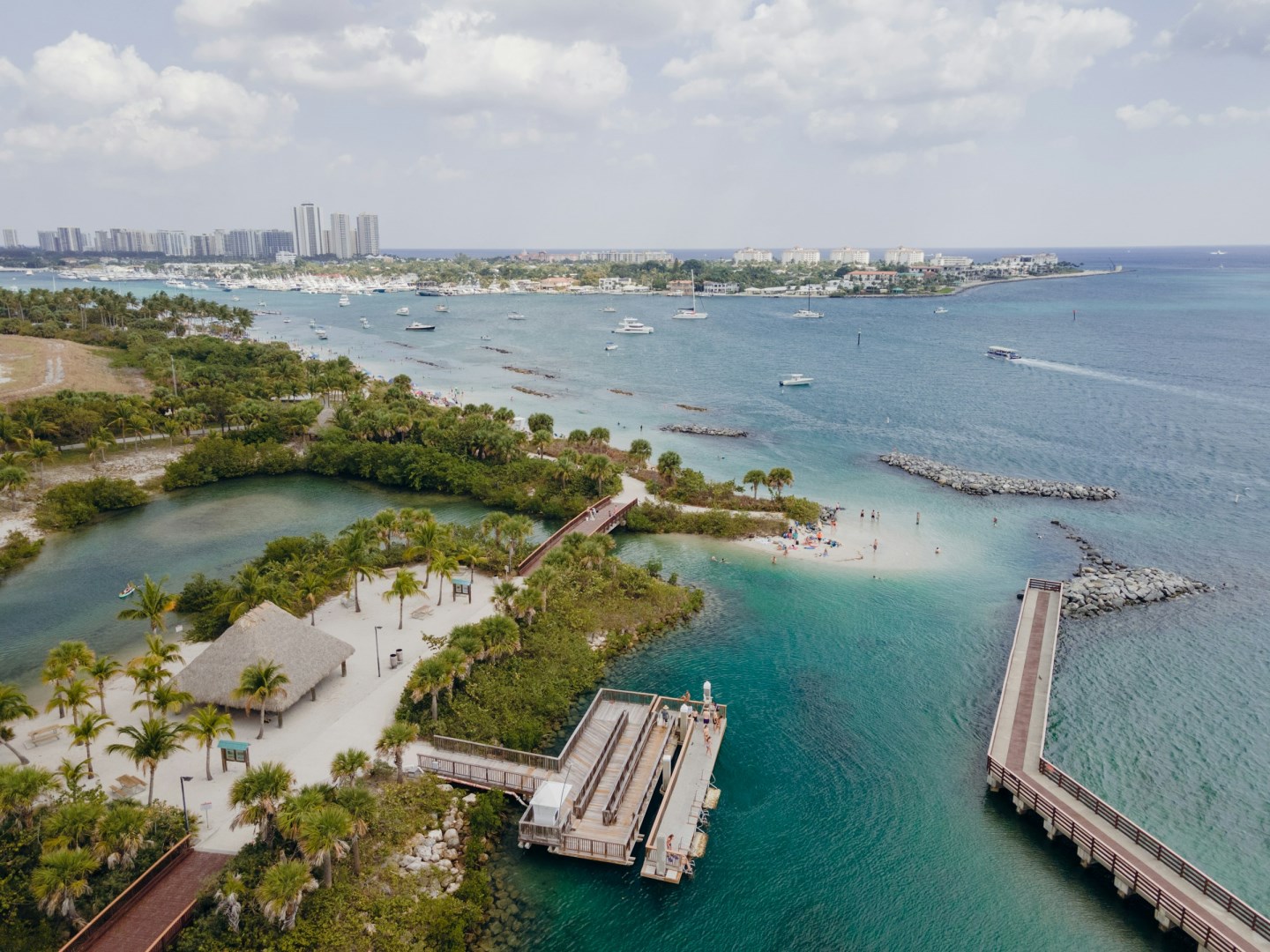
Peanut Island is a small 79-acre island in Lake Worth Lagoon, just north of the Port of Palm Beach in southeastern Florida. Accessible only by boat or water taxi, the island is known for its sandy beaches, clear lagoon waters, picnic areas, and views of the surrounding Palm Beach County coastline. A network of paths crosses the island, connecting its beaches and recreation areas. Peanut Island is also notable for its location near the Lake Worth Inlet, where the lagoon meets the Atlantic Ocean,
Catalina Island
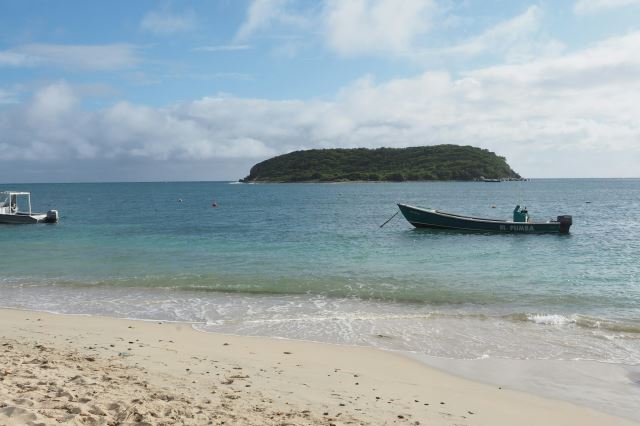
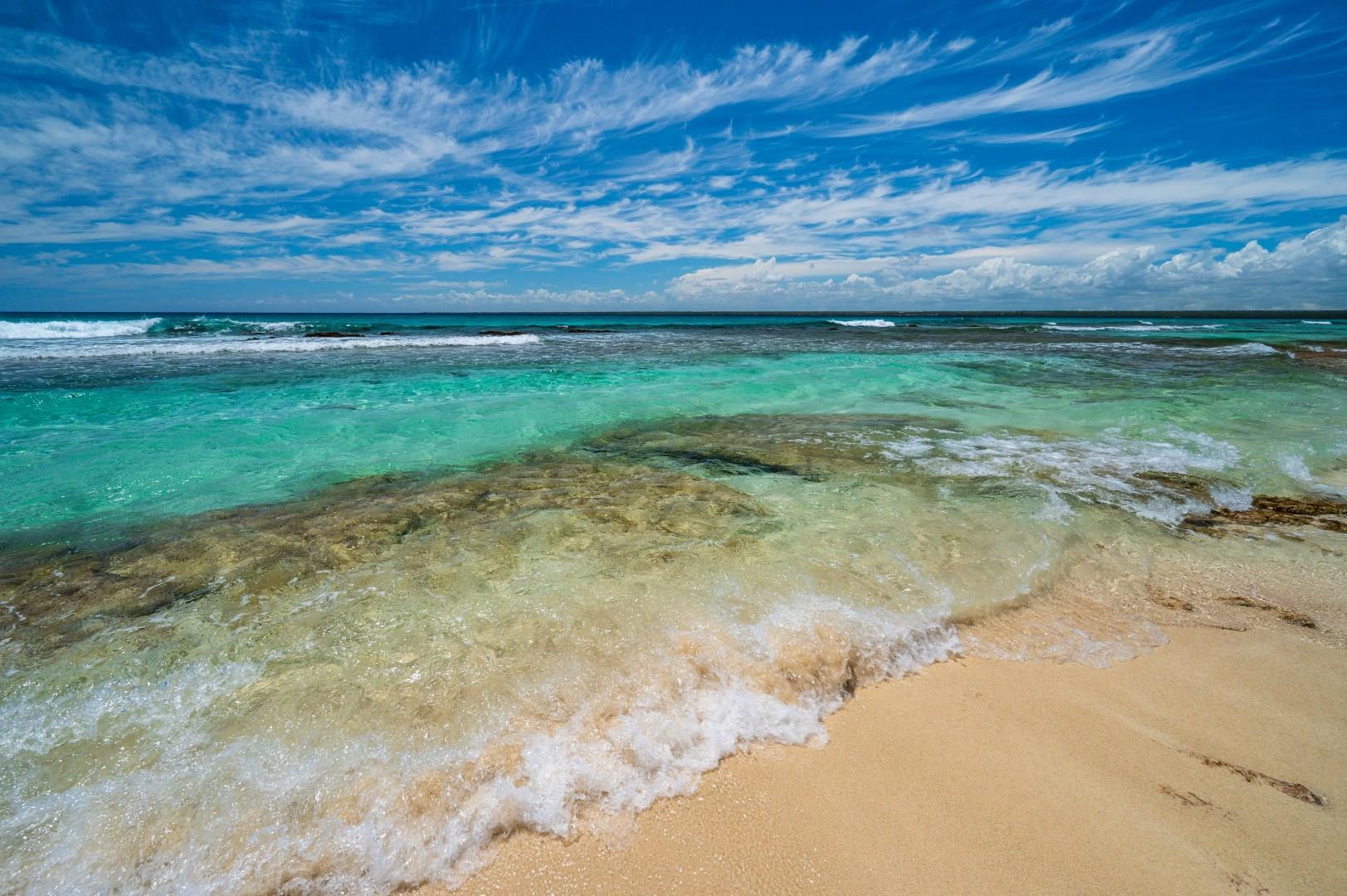
Catalina Island, located just 1.5 miles off the southeastern coast of the Dominican Republic, is a serene tropical escape known for its pristine beaches and vibrant coral reefs.