Darvaza
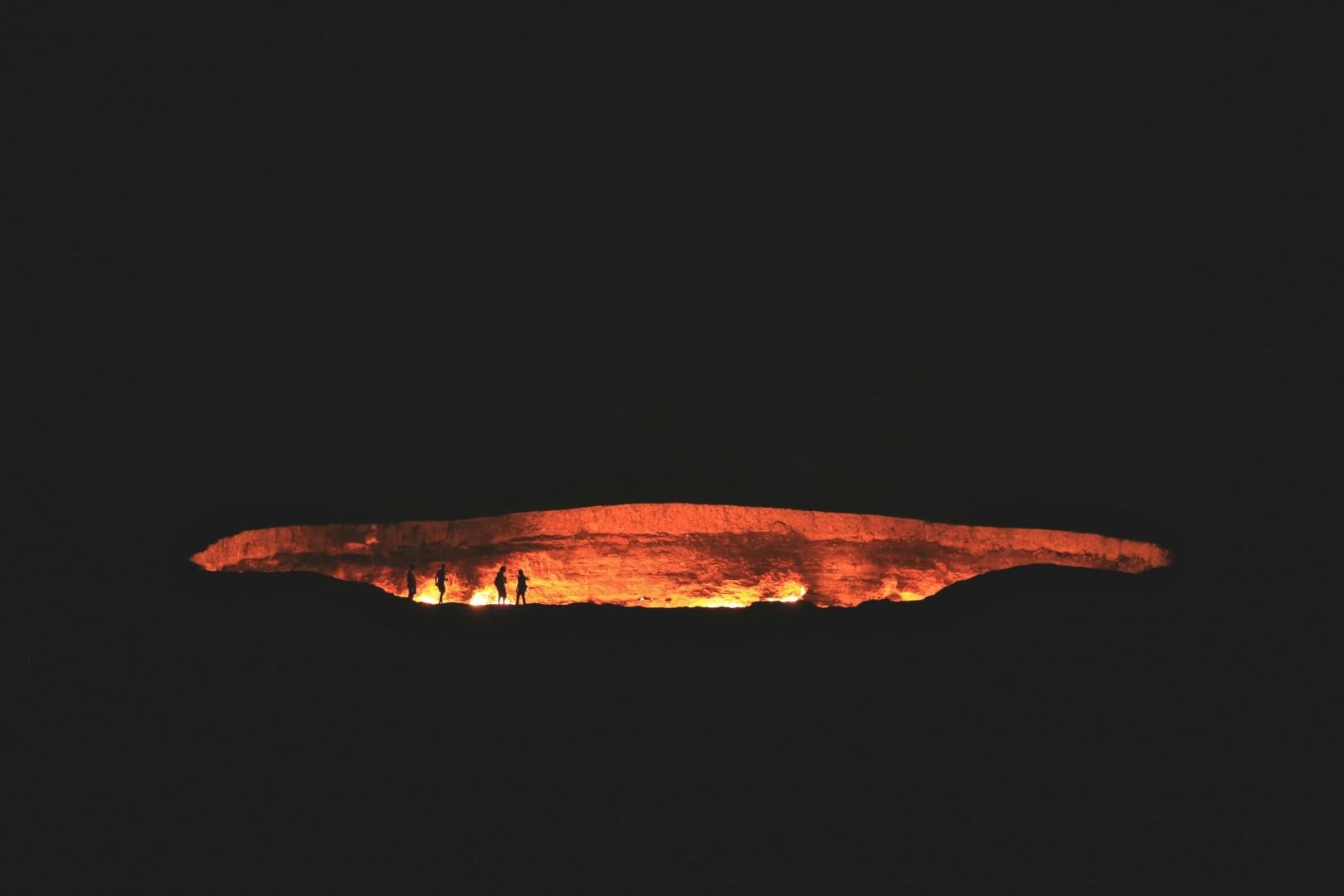
The Darvaza Gas Crater, famously nicknamed the “Door to Hell,” is one of Turkmenistan’s most extraordinary landmarks. Located deep in the Karakum Desert, this fiery pit has been burning continuously since the early 1970s, when Soviet engineers reportedly set fire to a collapsed natural gas field to prevent the spread of methane.
Lille
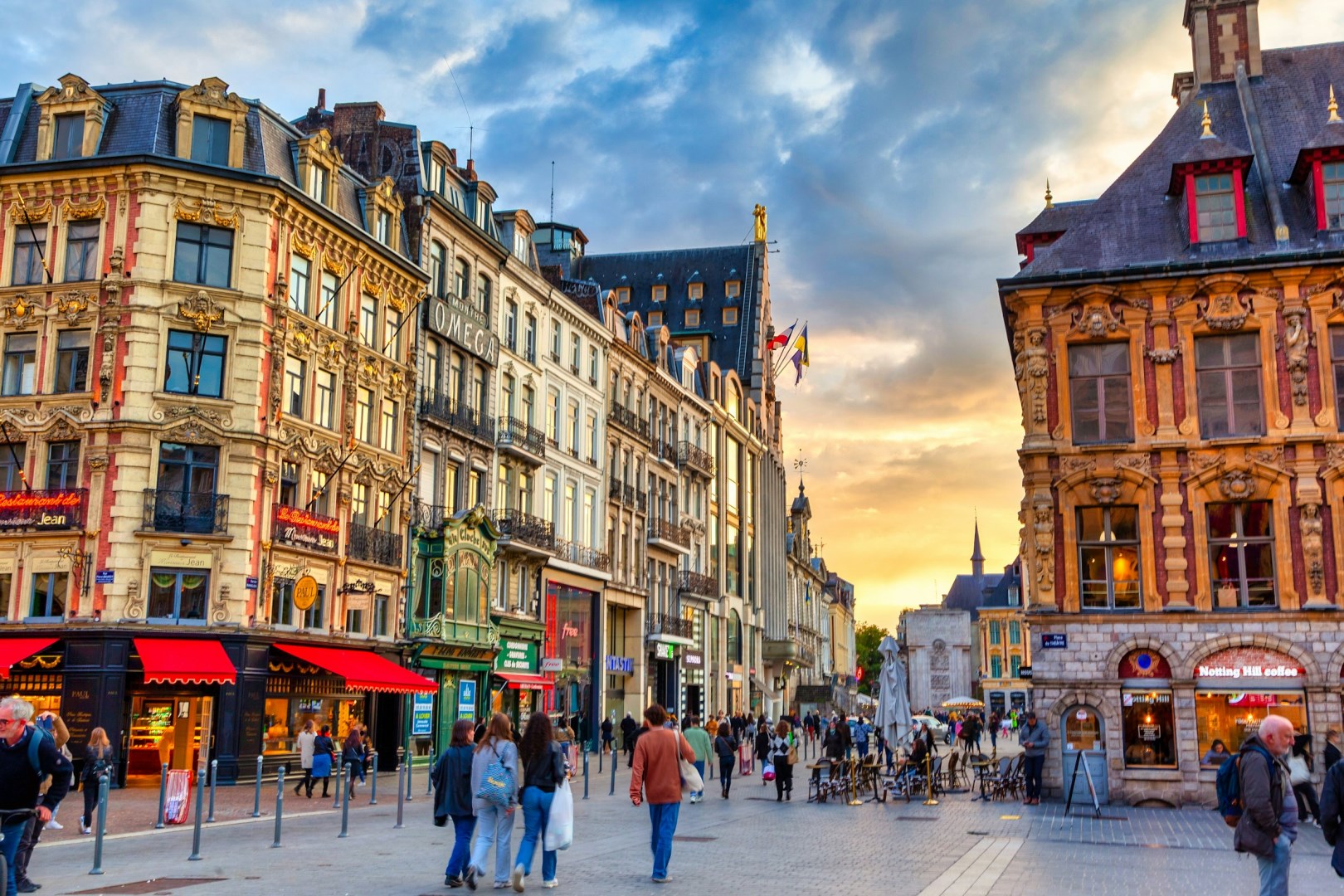
Lille, the lively capital of France’s Hauts-de-France region, is a city where Flemish charm meets French sophistication. Once an important industrial hub, Lille has reinvented itself as a cultural and artistic center without losing its historic character.

Cape Horn
Located off the southern coast of Chile, Cape Horn is a coastal headland on Isla Hornos, the southernmost island in the Tierra del Fuego archipelago. The Cape Horn Monument provides a spectacular panoramic view of the Pacific and Atlantic Oceans. This rocky cliffside is a popular stop for Antarctic and South American cruises.

Abruzzo
Abruzzo, a hidden gem in central Italy, offers travelers a captivating blend of medieval history, stunning natural landscapes, and authentic Italian charm. Known as "the greenest region in Europe," Abruzzo is home to three national parks, including Gran Sasso e Monti della Laga, which features some of the highest peaks in the Apennines.

Tournon
A popular stop on river cruises down the Rhône, Tournon, France is a picturesque town south of Lyon. Despite its small size, this French ville is instantly charming. From historic buildings like the Château-Musée de Tournon and the Église Saint-Julien de Tournon, to the lush botanical splendor of the Jardin d’Eden, Tournon’s quaint beauty is guaranteed to enchant.