Bulawayo
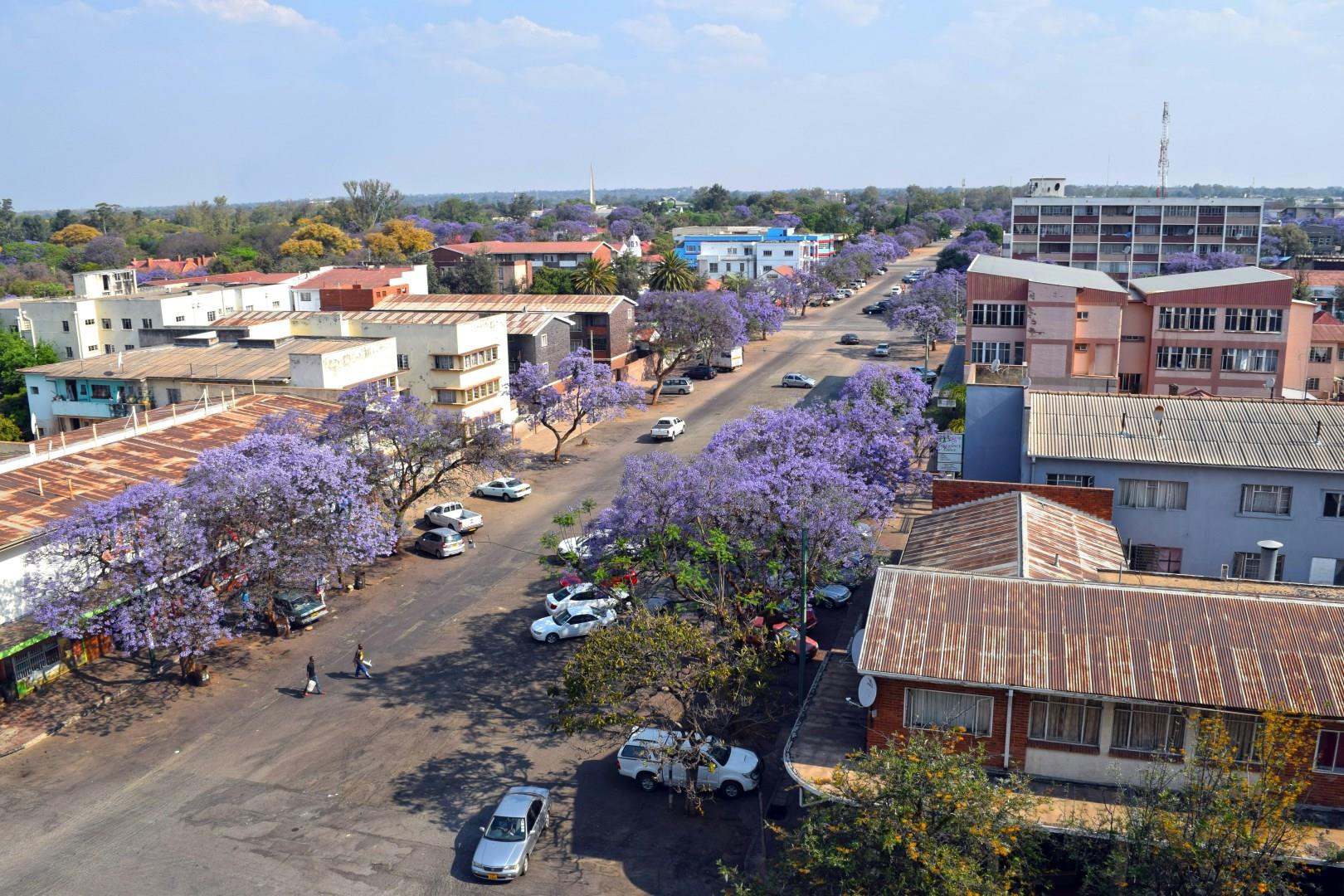
Bulawayo is Zimbabwe’s second-largest city and a place where industrial heritage and deep cultural roots intersect. Founded near the former capital of the Ndebele kingdom, the city carries strong historical significance tied to King Lobengula and the resistance to colonial expansion.
Marsala Sicily
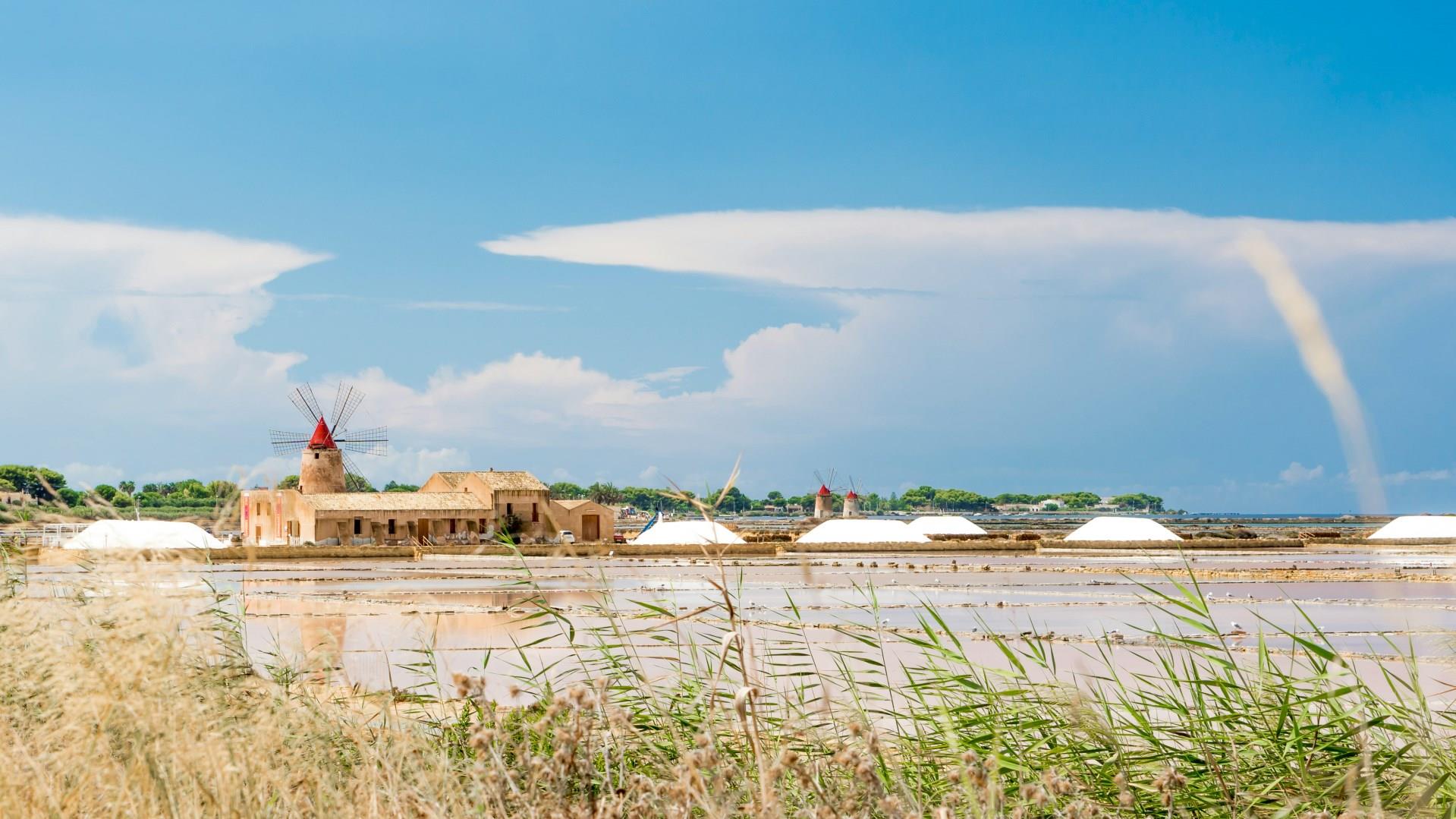
Marsala is a coastal city in western Sicily with a long history shaped by trade, conquest, and winemaking. Founded by the Phoenicians in the 4th century BCE, it later passed through Roman, Arab, Norman, and Spanish hands, each leaving traces in the city’s layout and culture.

Kruger National Park
Kruger National Park, located in northeastern South Africa, is one of the world’s premier wildlife reserves and a cornerstone of African conservation. Established in 1898, it spans nearly 20,000 square kilometers, making it larger than many countries.

Osaka
Osaka is a city that thrives on contrasts with centuries-old castles sit just blocks from neon-lit arcades and high-speed trains. Once known as “Japan’s kitchen” during the Edo period, Osaka played a key role in rice trading and food distribution across the country. Today, visitors can walk the grounds of Osaka Castle, originally built in the 16th century by Toyotomi Hideyoshi, and take in panoramic city views from the top floor of its museum.

Edfu
The Temple of Horus at Edfu has a massive entrance pylon covered with sunk relief carvings. This Ptolemaic temple was constructed between 237 and 57 B.C.E.