Michigan
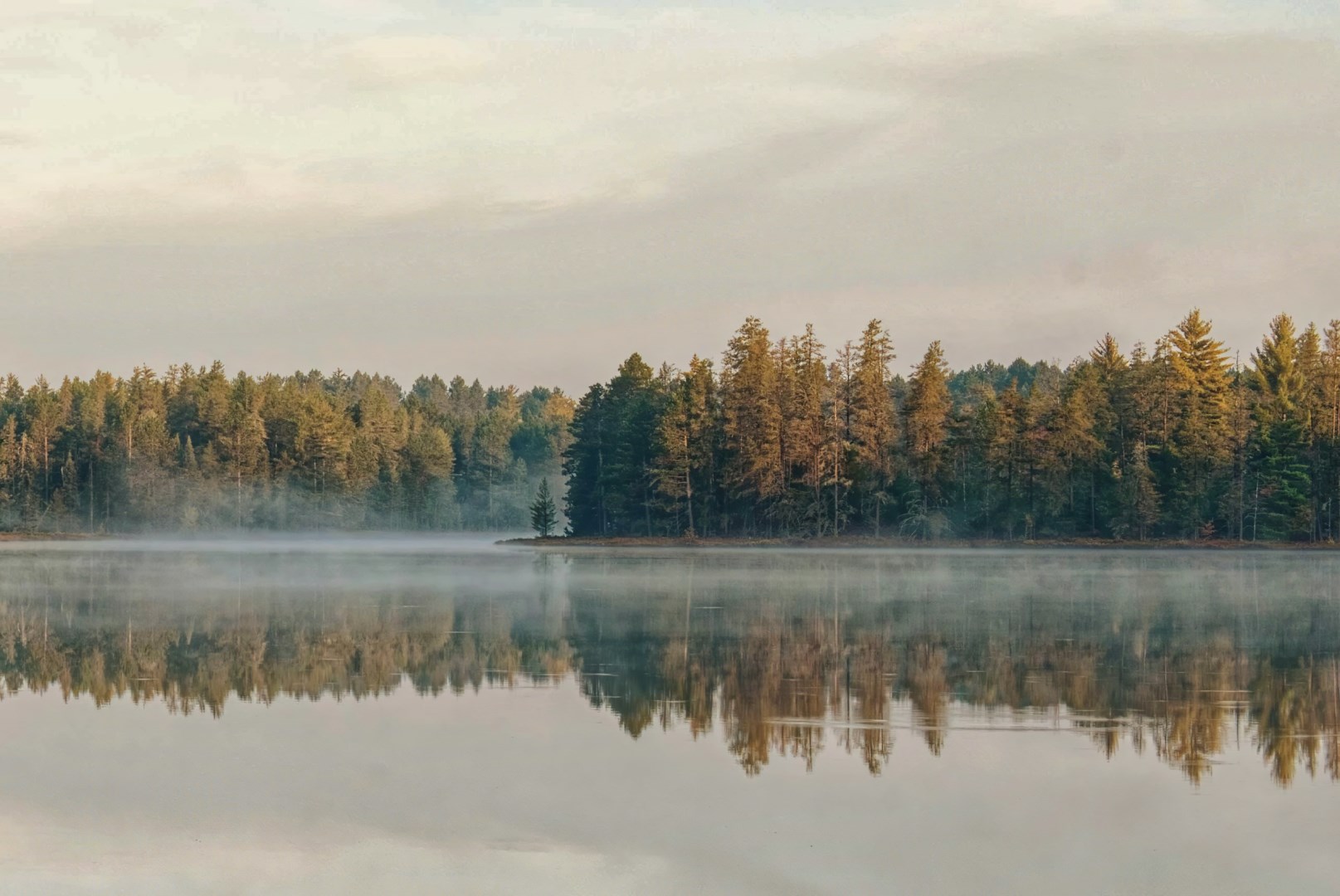
Michigan offers a diverse array of attractions that cater to all types of travelers. The state's natural beauty is showcased in its expansive Great Lakes coastline, including the stunning shores of Lake Michigan, Lake Huron, and Lake Superior. Visitors can explore the breathtaking scenery of the Sleeping Bear Dunes National Lakeshore, renowned for its towering sand dunes and picturesque lake views. This natural wonder provides ample opportunities for hiking, beachcombing, and wildlife watching.
Mount Paget
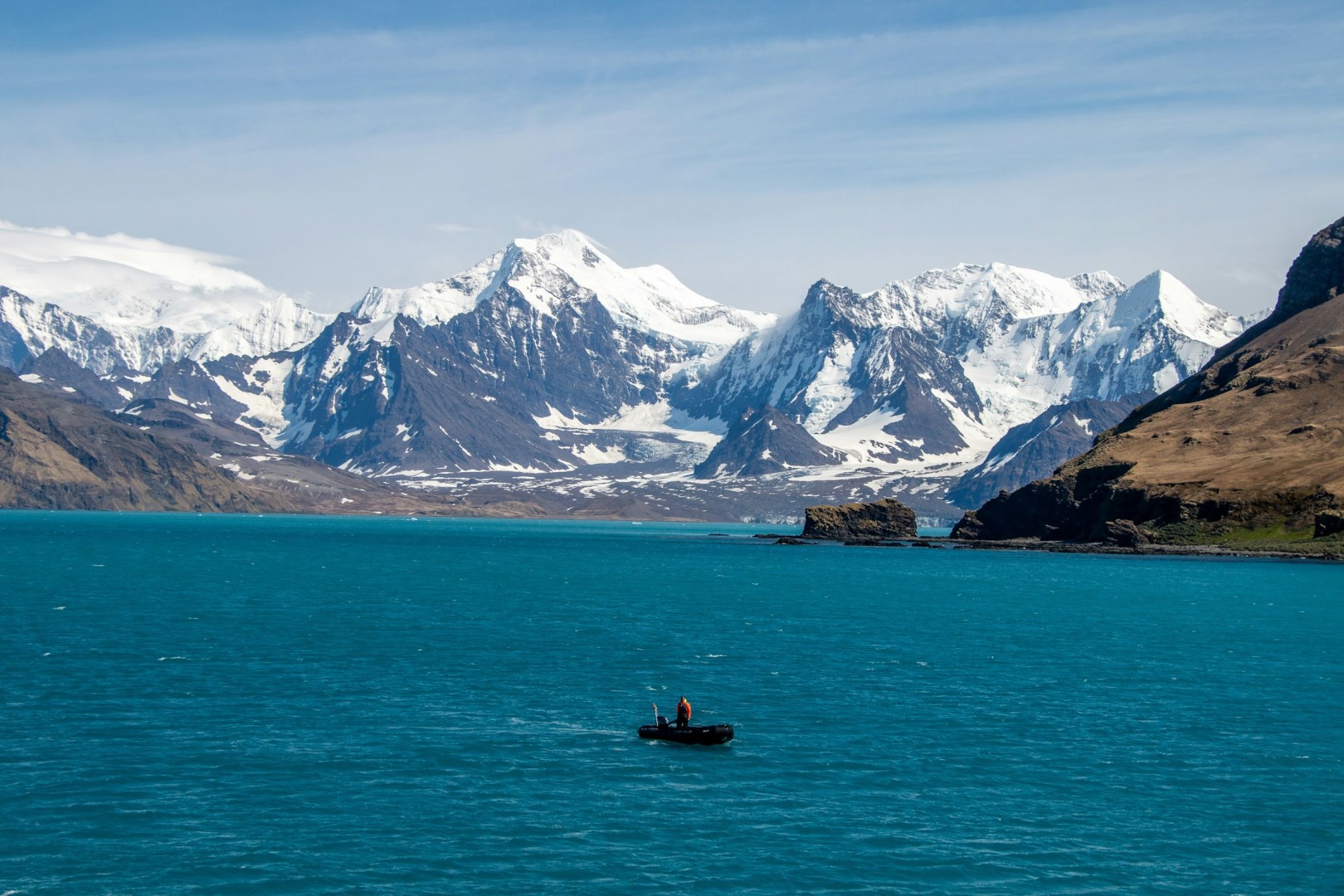
Mount Paget is the highest mountain on South Georgia, rising prominently above the interior of the island and forming part of the Allardyce Range. Its slopes are covered by glaciers, snowfields, and exposed rock, creating a rugged profile that dominates views from surrounding coastal areas. The mountain is located near the island’s central region and is best appreciated from a distance, particularly from valleys, fjords, and coastal waters.

Nafplion
Nafplion, a picturesque coastal town in the Peloponnese, is often hailed as one of Greece's most charming and romantic destinations. As the first capital of modern Greece, Nafplion boasts a rich history, evident in its well-preserved neoclassical buildings, Venetian fortresses, and Ottoman influences.
Castaway Cay
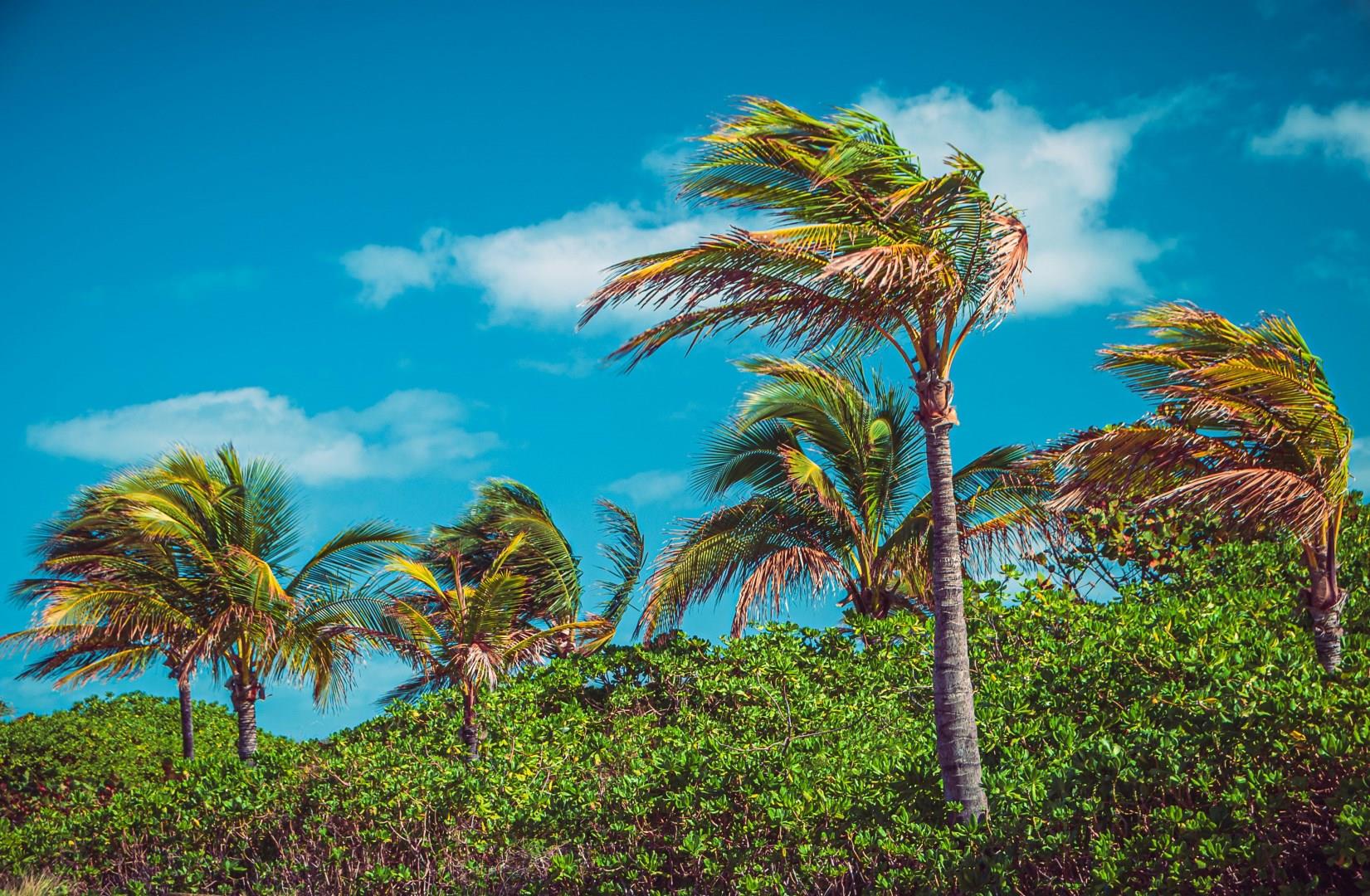
Castaway Cay, Disney’s private island in the Bahamas, is designed as a tropical retreat blending natural scenery with family-friendly experiences. Nestled among turquoise waters and soft sandy beaches, the island serves as an exclusive stop for Disney Cruise Line guests.
Maio
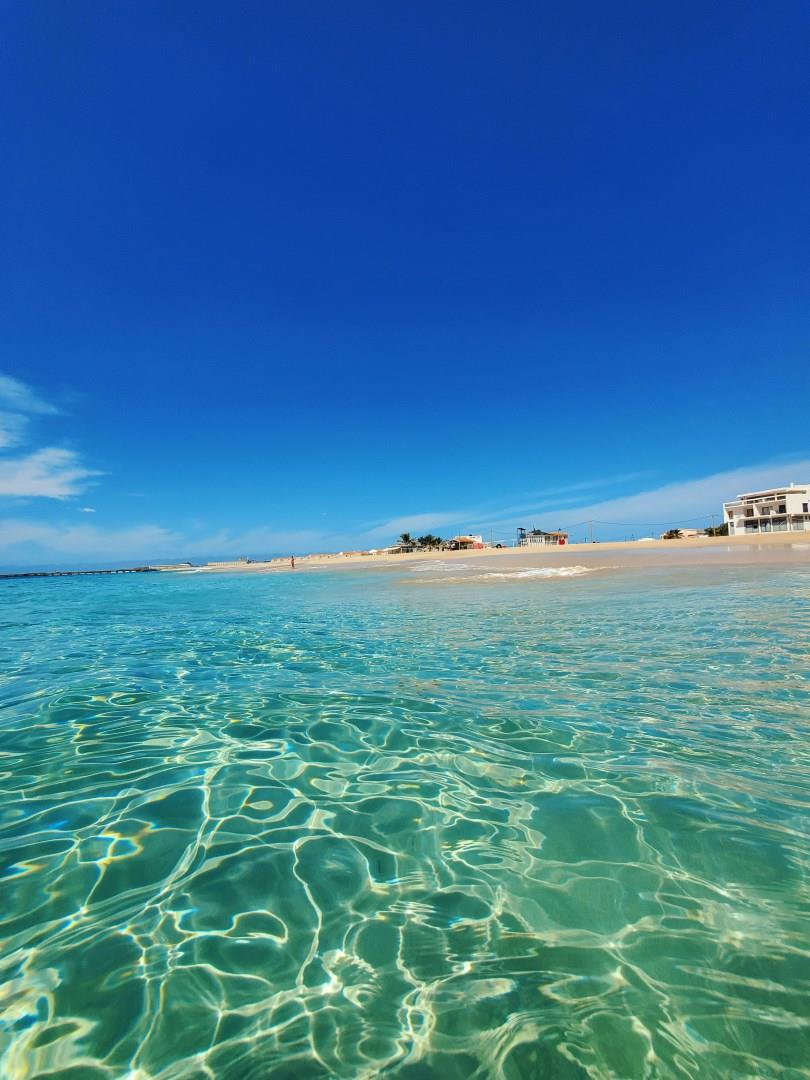
Maio, one of Cape Verde's hidden gems, offers a serene escape with its unspoiled landscapes and charming island atmosphere. This tranquil island, part of the Cape Verde archipelago, is renowned for its stunning beaches and laid-back vibe. The white sandy shores of Praia do Morro, with its crystal-clear waters and gentle waves, provide the perfect setting for relaxation and sunbathing, while the surrounding salt pans showcase Maio's historical role in the salt industry.