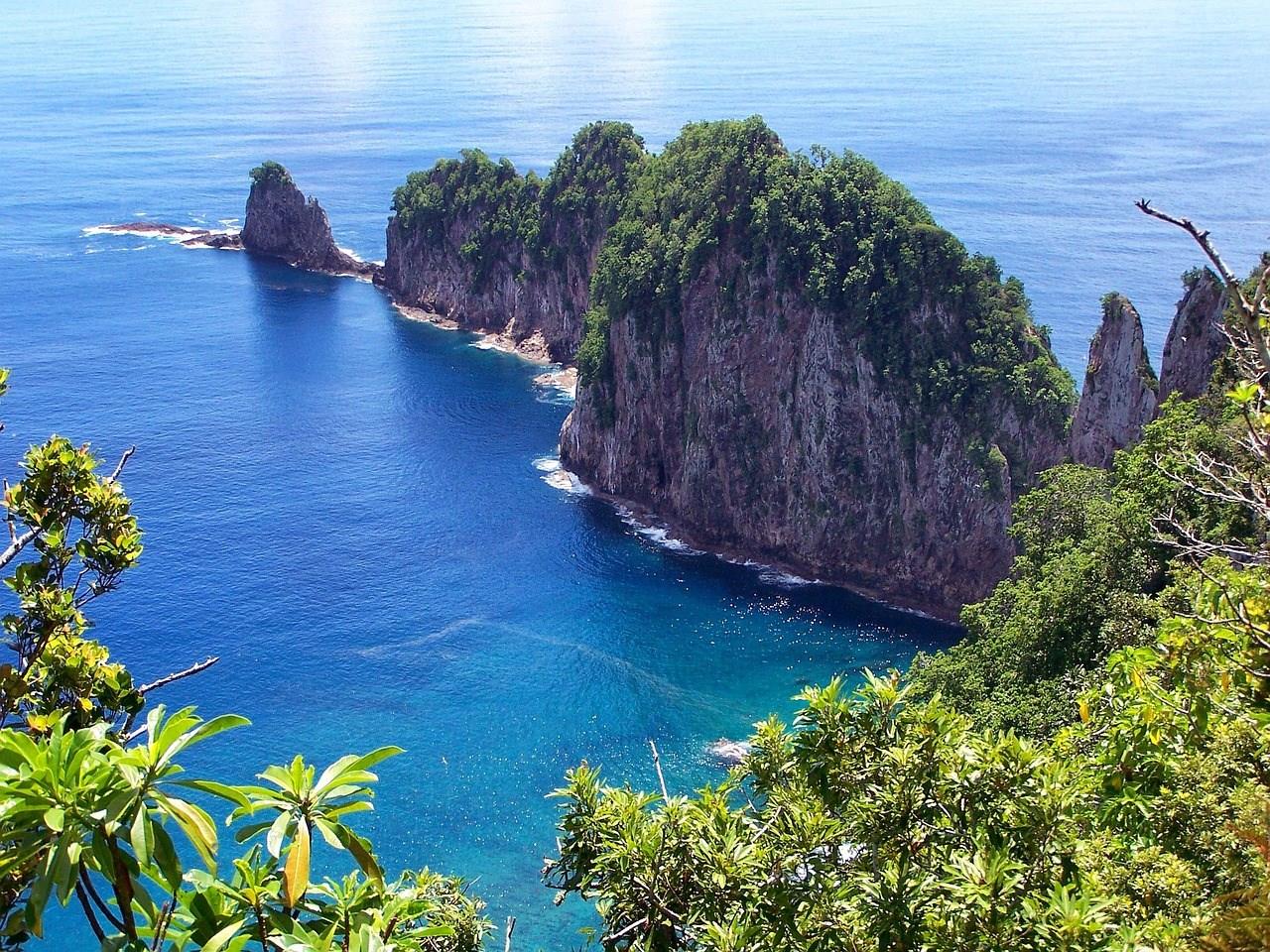
The Lemaire Channel is a spectacular sight with enormous sheer cliffs falling straight into the sea. It's a narrow channel flanked by the Antarctic Peninsula on one side and Booth Island on the other. So photogenic is the channel that it's nicknamed 'Kodak Gap', and it's only once you're well within it that a way through is visible.
Matobo National Park sits in the rolling hills of southern Zimbabwe stands as one of the country’s most remarkable landscapes. Its granite domes, balancing rocks and wooded valleys have formed over more than two billion years, creating a setting that feels both ancient and alive. As a UNESCO World Heritage cultural site, the park preserves a landscape that has shaped human life here for millennia, drawing travelers to explore its unusual terrain and storied past.
This quaint and historic village has a notable Old Town with over 100 half timbered houses, with the oldest dating to 1339. During your exploration of Miltenberg, make sure to stop the oldest and most historic bar in town, a 500-year-old hangout that locals refer to simply as Weinhaus.
The Mekong River, one of the world’s most iconic waterways, flows through six countries in Southeast Asia (China, Myanmar, Laos, Thailand, Cambodia, and Vietnam). Stretching over 4,300 kilometers, the Mekong weaves through lush landscapes, villages, and historic cities, making it an unforgettable destination for those seeking adventure. Cruising along the river is one of the best ways to explore its wonders, from the tranquil waters of Laos to the floating markets of Vietnam.
Vancouver Island, British Columbia, is a nature lover's paradise, offering a diverse landscape that ranges from rugged coastlines to lush rainforests. The island’s stunning natural beauty is best explored through its extensive network of parks and outdoor spaces, such as the iconic Pacific Rim National Park Reserve and Strathcona Provincial Park, British Columbia’s oldest provincial park.
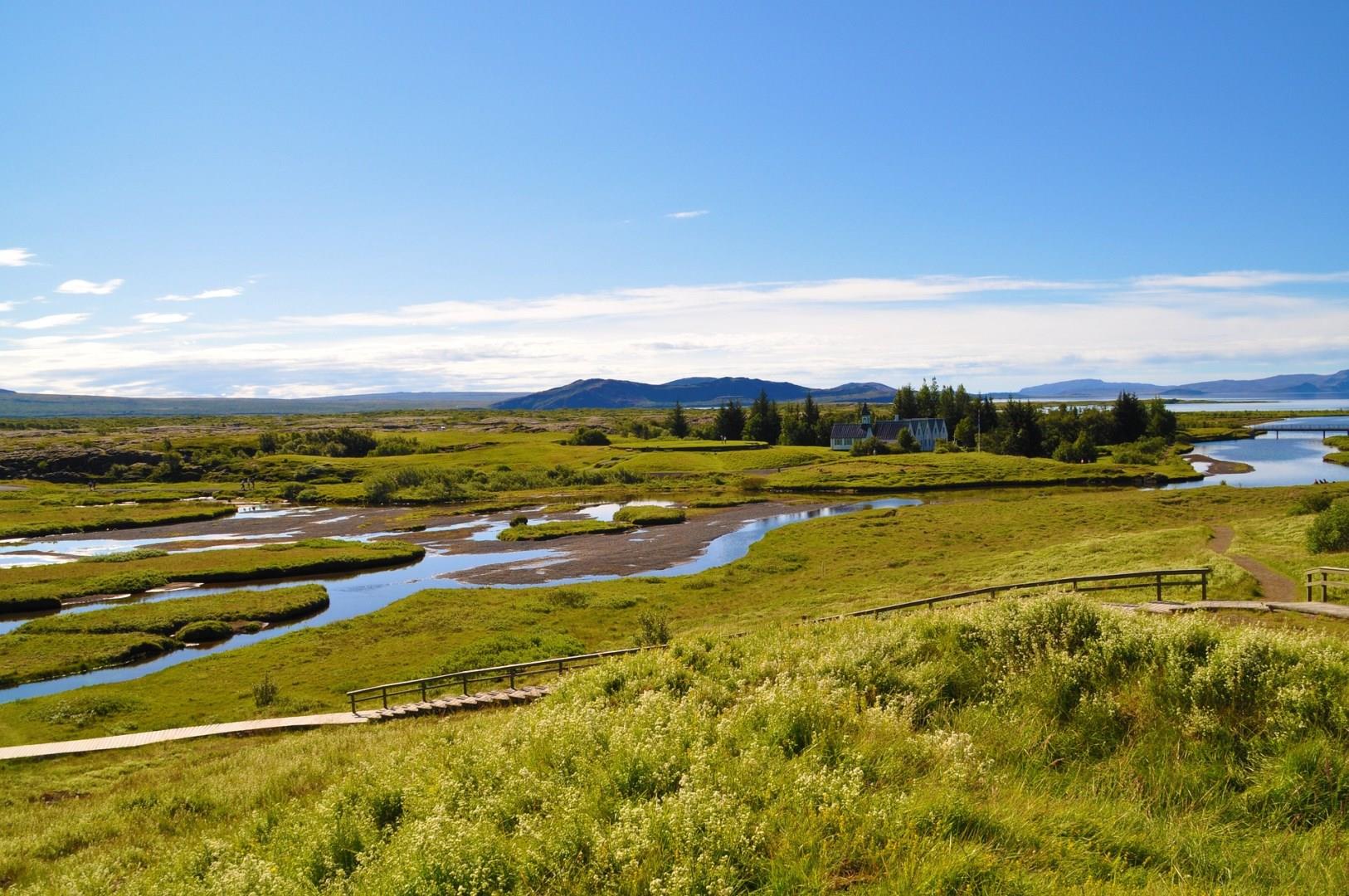
Thingvellir, a captivating site in Iceland, seamlessly combines natural beauty and historical significance. Located in the Thingvellir National Park, this UNESCO World Heritage Site is a geological wonder where the North American and Eurasian tectonic plates meet. The dramatic landscape features rift valleys and stunning volcanic formations, making it a paradise for hikers and nature enthusiasts. The park is also home to Þingvallavatn, Iceland’s largest natural lake, which offers serene views and opportunities for fishing and kayaking.
Historically, Thingvellir holds great importance as the site of Iceland's first parliament, the Althing, established in 930 AD. This ancient assembly was a significant center for Icelandic democracy and lawmaking, where chieftains gathered annually to settle disputes and create laws. Visitors can explore the ruins of the original site and learn about Iceland’s early governance at the Thingvellir Visitor Centre.
A visit to Thingvellir offers a unique blend of natural splendor and historical intrigue. The park is part of the Golden Circle route, which includes other iconic Icelandic sites such as Geysir and Gullfoss waterfall. In addition to its historical and geological attractions, Thingvellir is a prime location for viewing the Northern Lights during winter months. The park’s low light pollution and expansive views make it an ideal spot for this breathtaking natural phenomenon.
Fun fact: Thingvellir is one of the few places in the world where you can literally walk between two tectonic plates. The Silfra fissure within the park offers a unique snorkeling experience where you can swim between these two plates, immersing yourself in crystal-clear glacial water.