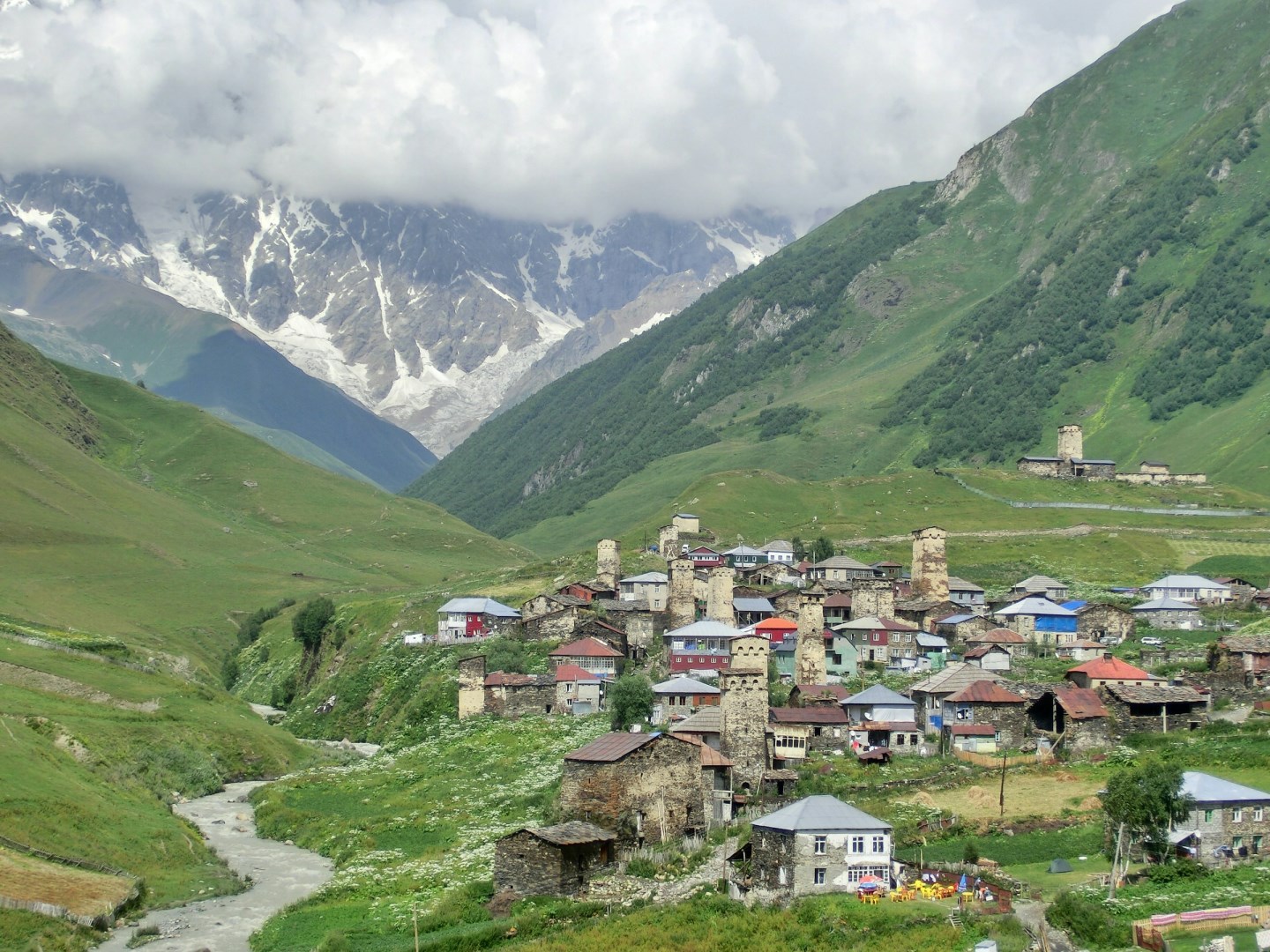
Ushguli
Ushguli is a group of high mountain villages in Upper Svaneti, northwestern Georgia, set in the Enguri valley beneath the Greater Caucasus. The settlement is widely known for its traditional stone houses and defensive towers, with Mount Shkhara rising above the surrounding landscape.
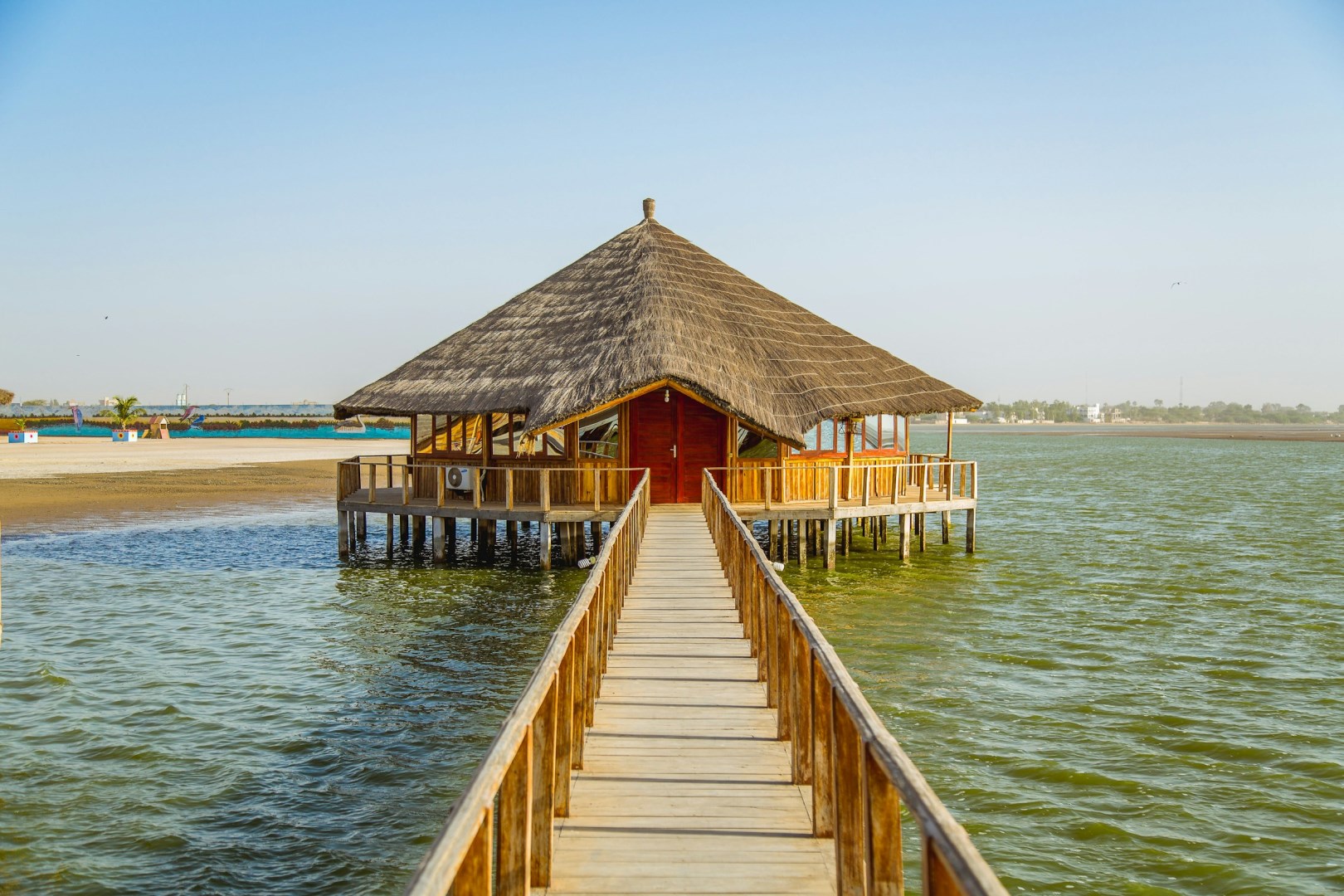
Kaolack
Kaolack is a major city in central Senegal, located along the Saloum River and serving as an important commercial center for the surrounding agricultural region. Its position near the river and at the crossroads of routes linking Dakar with southeastern Senegal has helped make it a significant trading and transport hub.
Belize Barrier Reef
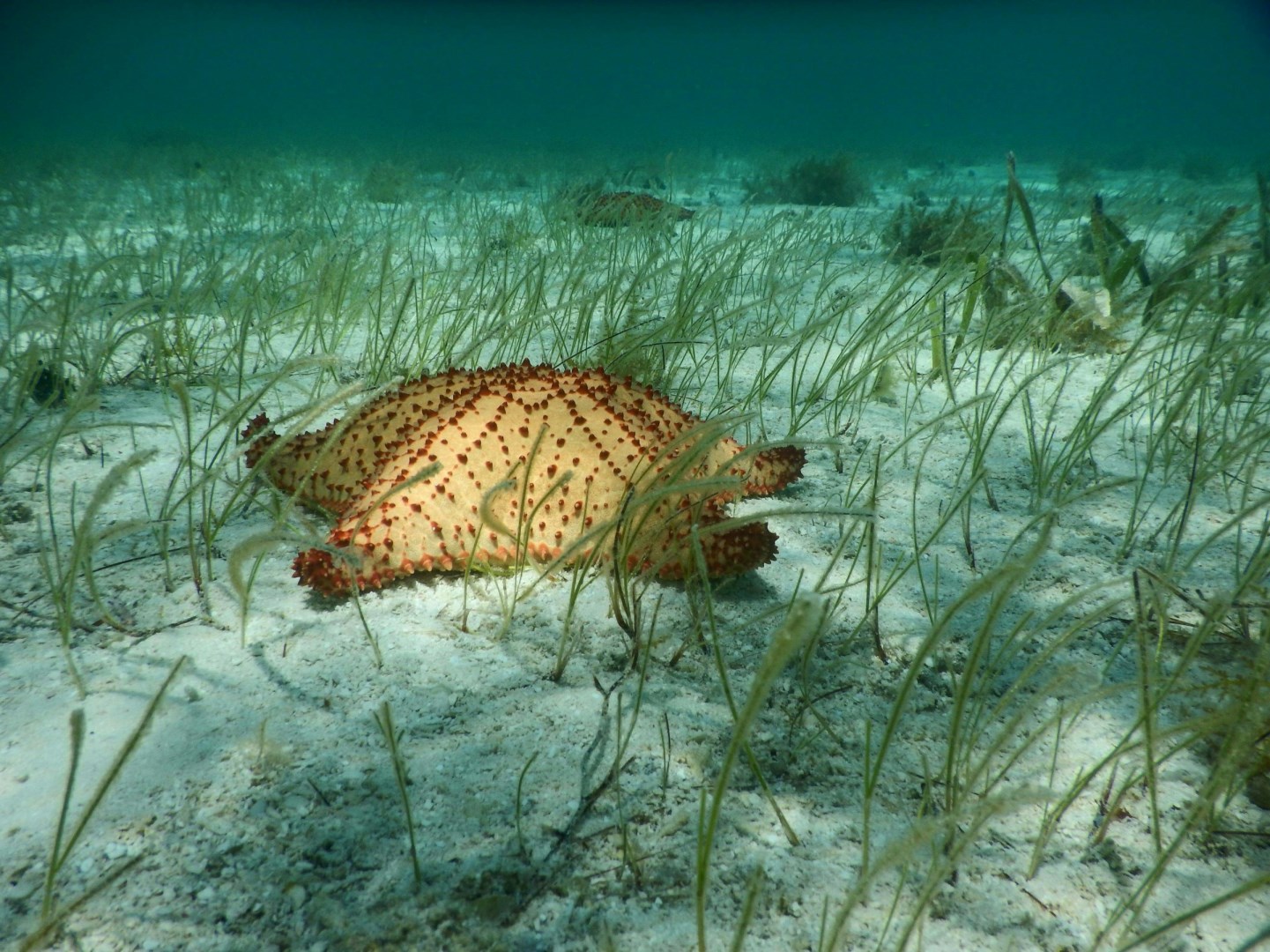
The Belize Barrier Reef is a long coral reef system along the Caribbean coast of Belize, forming part of the larger Mesoamerican Barrier Reef System. It extends for much of the country’s coastline and includes hundreds of cayes, mangrove islands, lagoons, seagrass beds, and offshore reef formations. The reef lies close to several coastal communities, including San Pedro, Placencia, and Dangriga, providing an important setting for fishing, tourism, and marine research.
Margarita Island
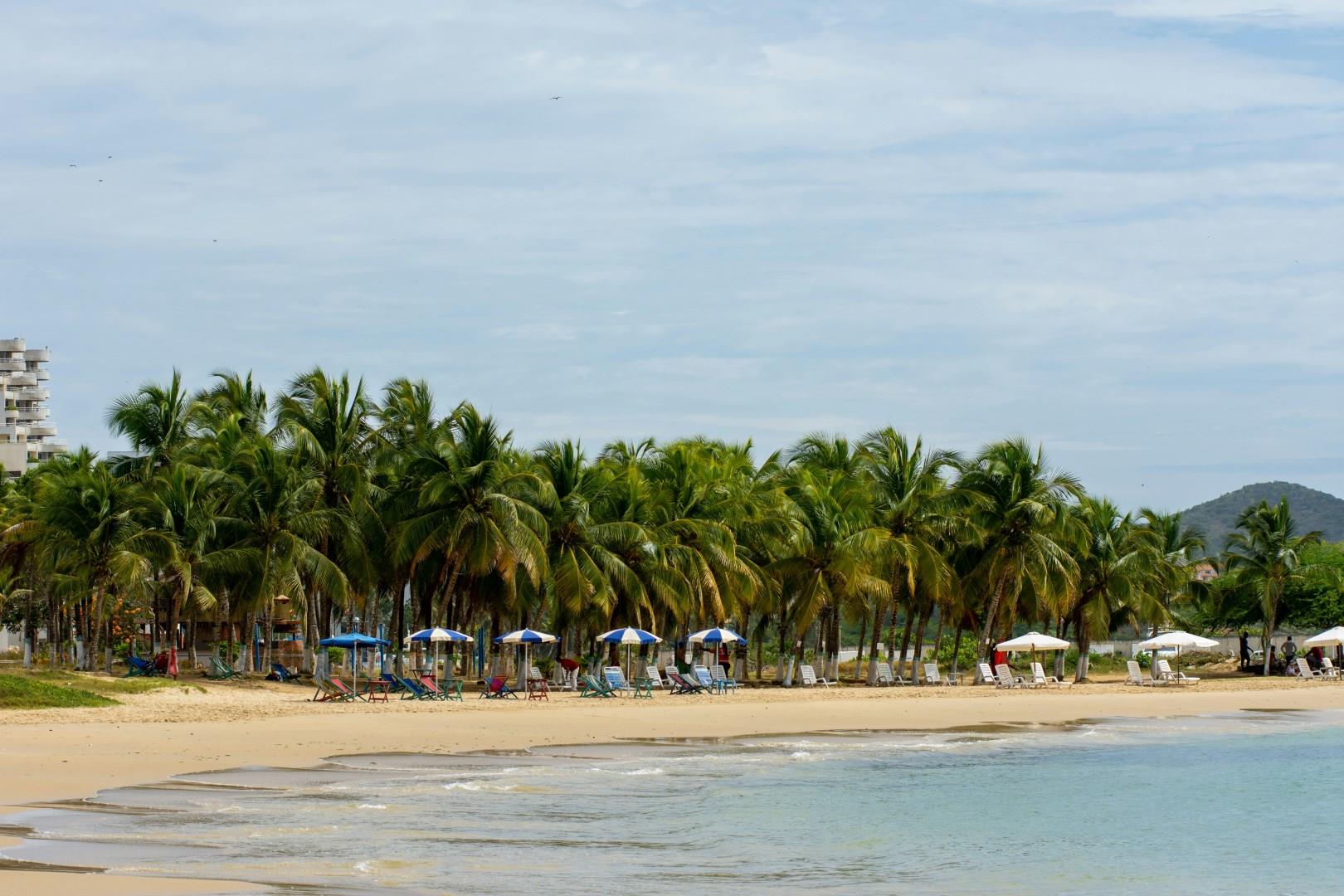
Margarita Island, known locally as Isla de Margarita, sits just off Venezuela’s northeastern coast in the warm Caribbean Sea. The island's famous beaches span from quiet coves to wide-open shorelines. Playa El Agua stretches for over two miles with swaying palms and lively beachfront restaurants serving fresh snapper, tostones, and cold Polar beer. For those seeking less crowded sands, Playa Zaragoza offers calm waters and a glimpse of everyday coastal life.
Matagalpa
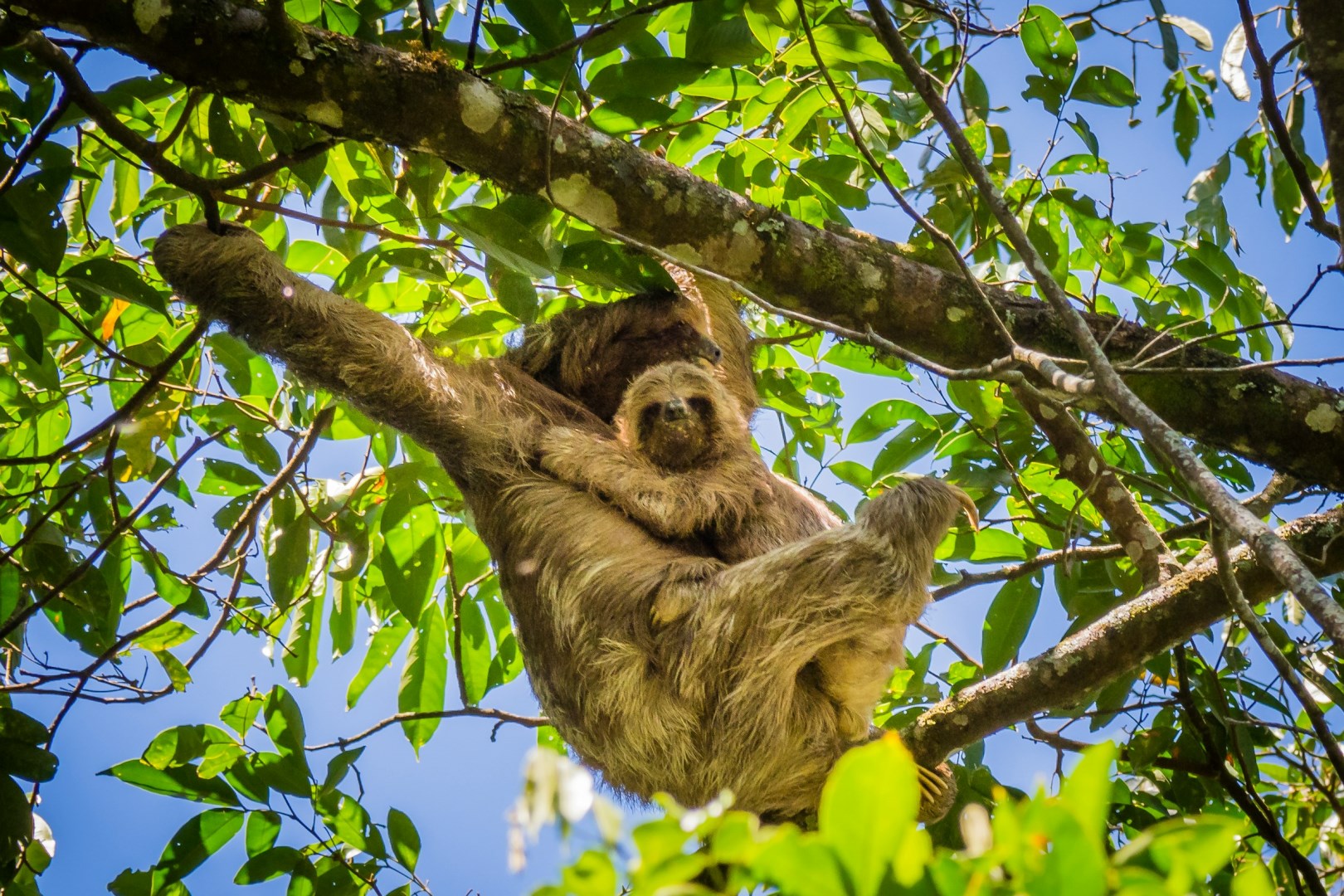
Matagalpa is a mountain city in northern Nicaragua, surrounded by forested hills and agricultural land. Known as one of the country's principal coffee-growing areas, it sits in a cool, elevated landscape where coffee plantations, pine forests, and cloud forest environments are common.