Manaus, capital of Brazil’s Amazonas state, is a city that rises unexpectedly from the rainforest. Once the center of the global rubber boom in the late 1800s, Manaus still holds onto that legacy with surprising elegance. The Teatro Amazonas, an opulent opera house imported piece by piece from Europe, sits at the heart of the city, its pink façade and domed roof tiled in the colors of the Brazilian flag. Today, it hosts concerts, festivals, and curious visitors eager to step back in time.
Dambulla, situated in the Central Province of Sri Lanka, is best known for its rock temple complex that has been in use for over two thousand years. The Dambulla Cave Temple, also called the Golden Temple of Dambulla, is made up of five caves carved into a granite outcrop, filled with over 150 Buddha statues and intricate wall paintings. These caves were first used by King Valagamba in the 1st century BCE as a refuge during exile, and later transformed into a sacred site.
Aït Benhaddou, located in southern Morocco along the former caravan route between the Sahara and Marrakesh, is one of the country’s most iconic historic sites. This fortified village, or ksar, is recognized as a UNESCO World Heritage Site and is admired for its striking earthen clay architecture that rises dramatically from the desert landscape.
Wertheim is an enchanting town on the banks of the Main River in Germany. A favorite stop on European river cruises, highlights of this charming destination include the Wertheim Castle and the town center, where you can wind your way down cobblestone streets replete with 16th century architecture. Venture outside of town and follow the Tauber River to Kloster Bronnbach, an immense and ornate monastery dating back to the 12th century.
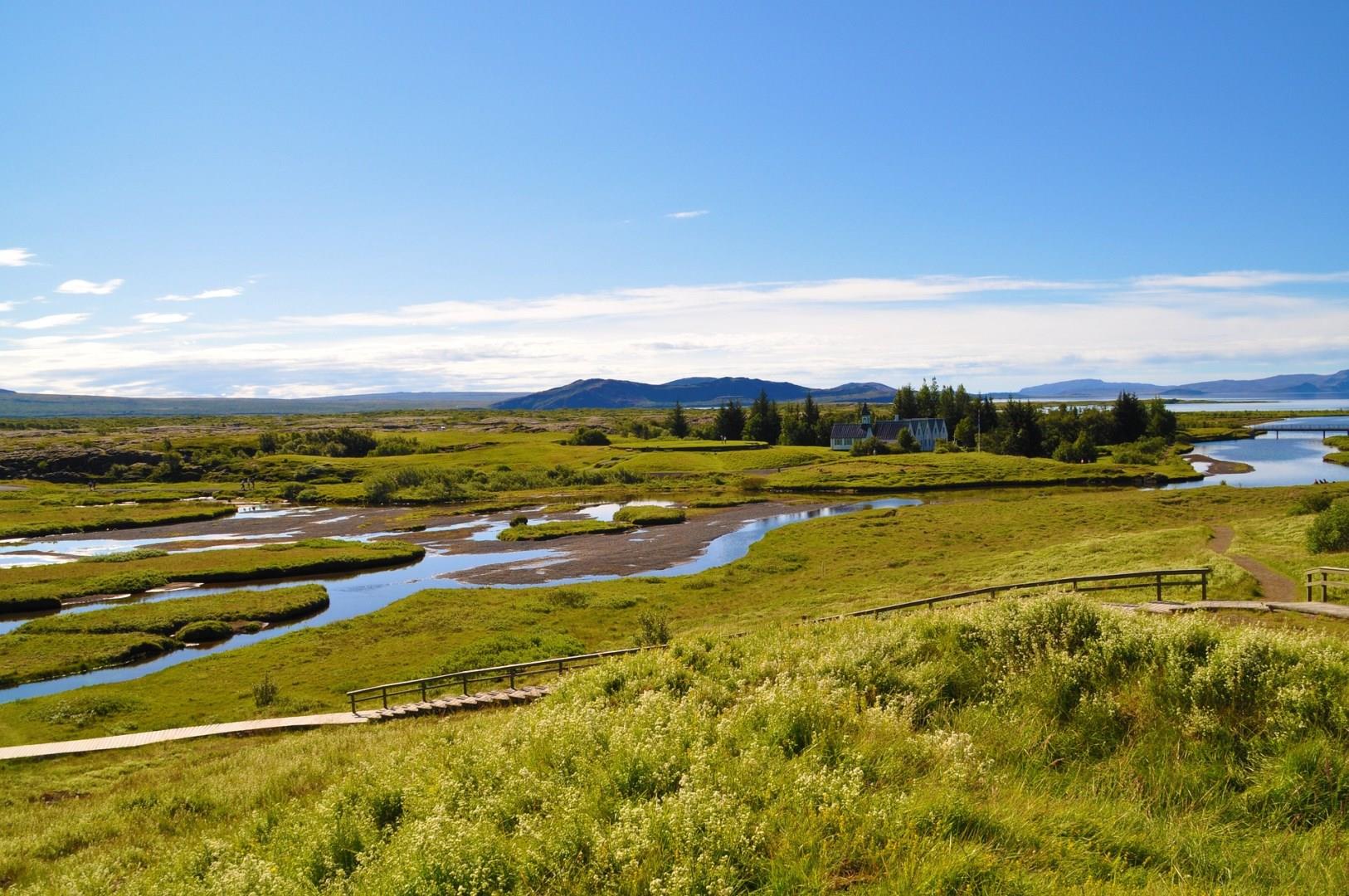
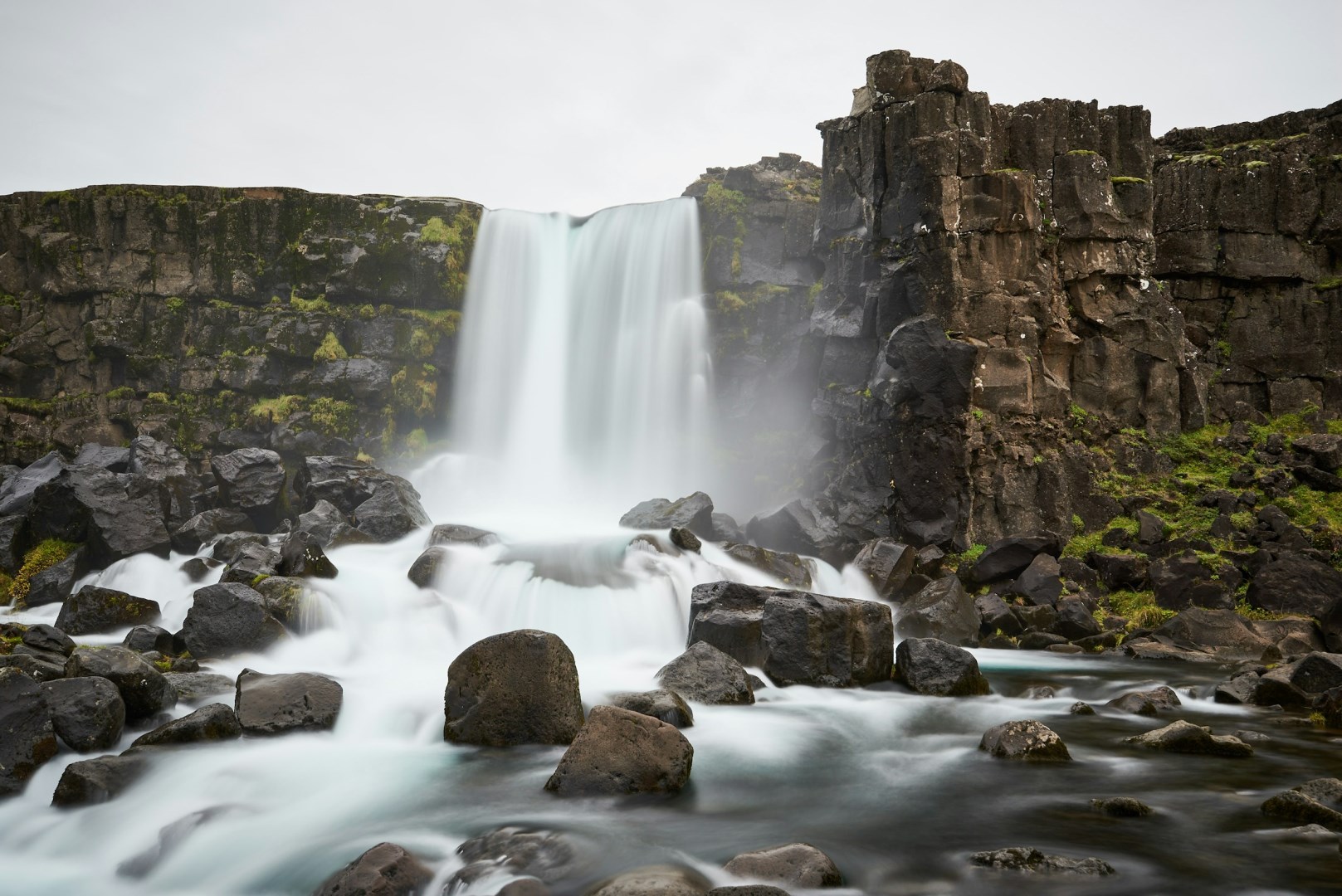
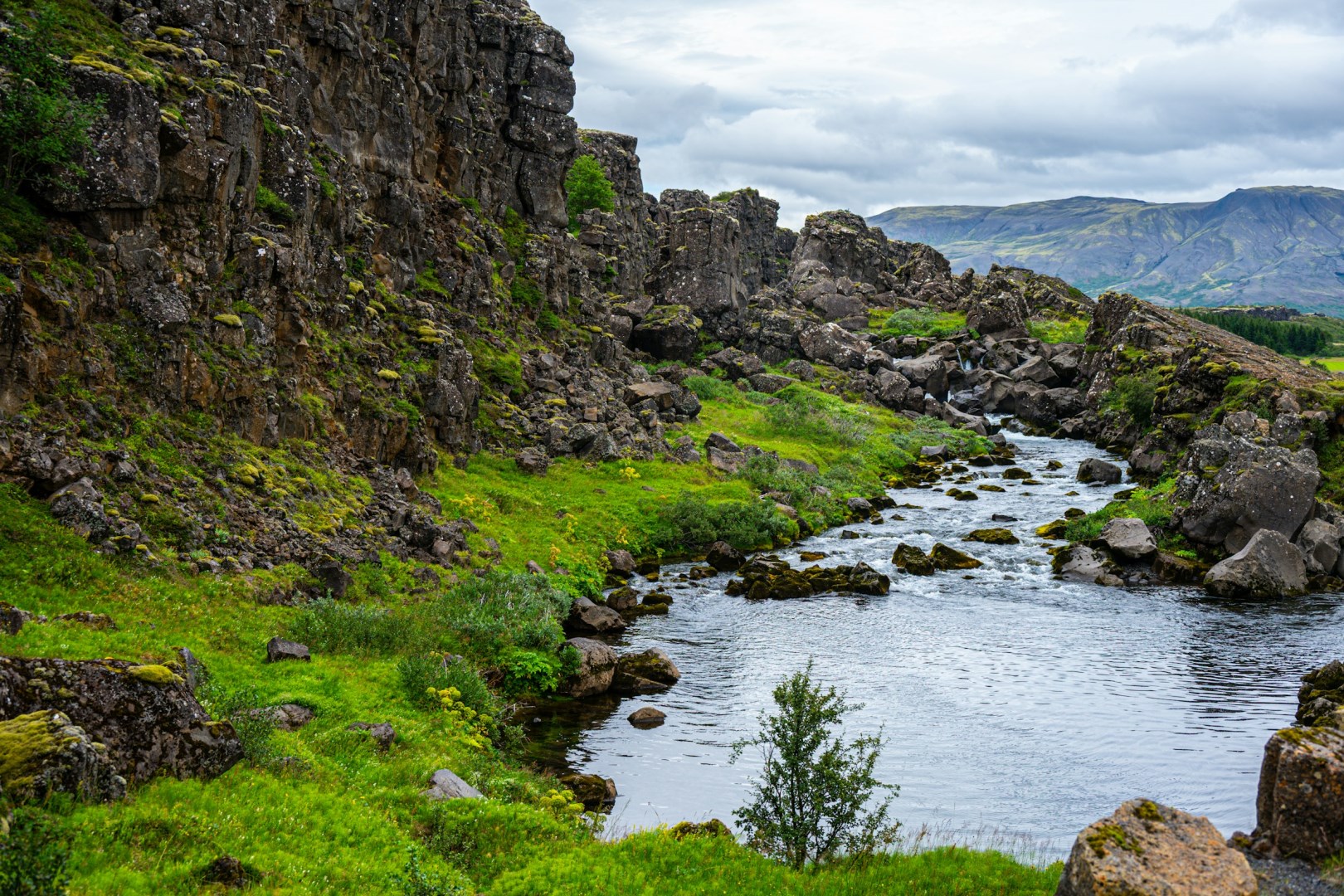
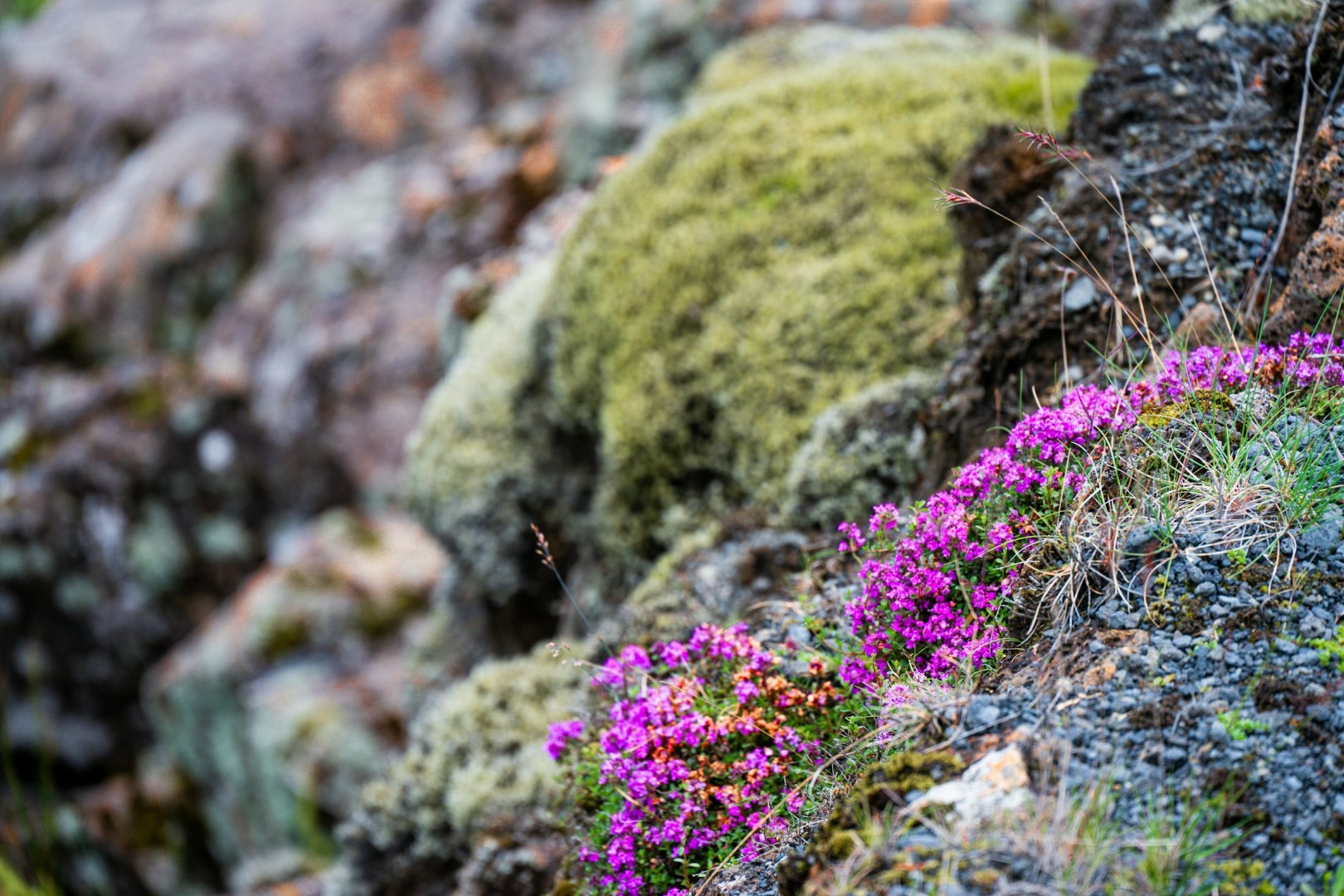
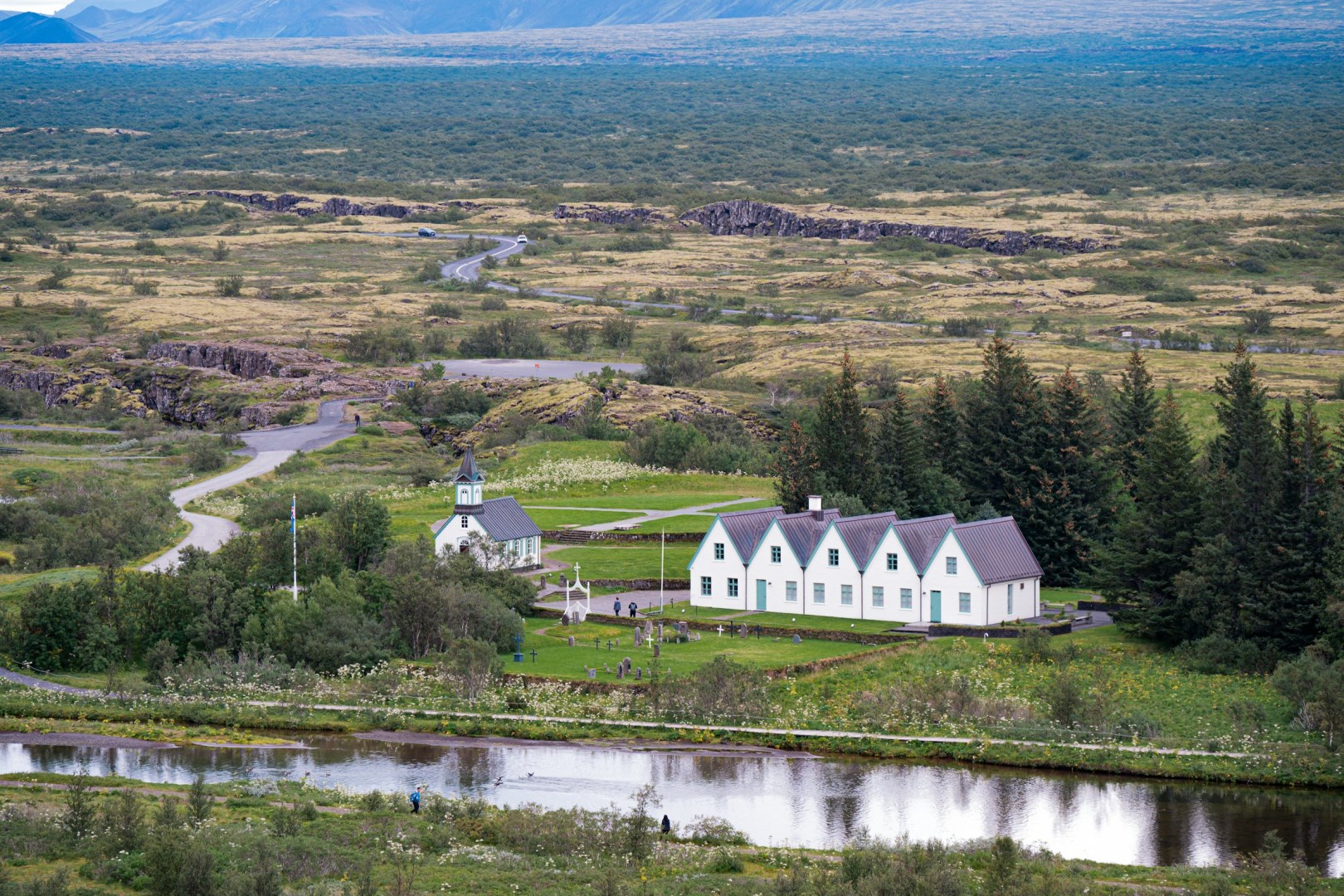
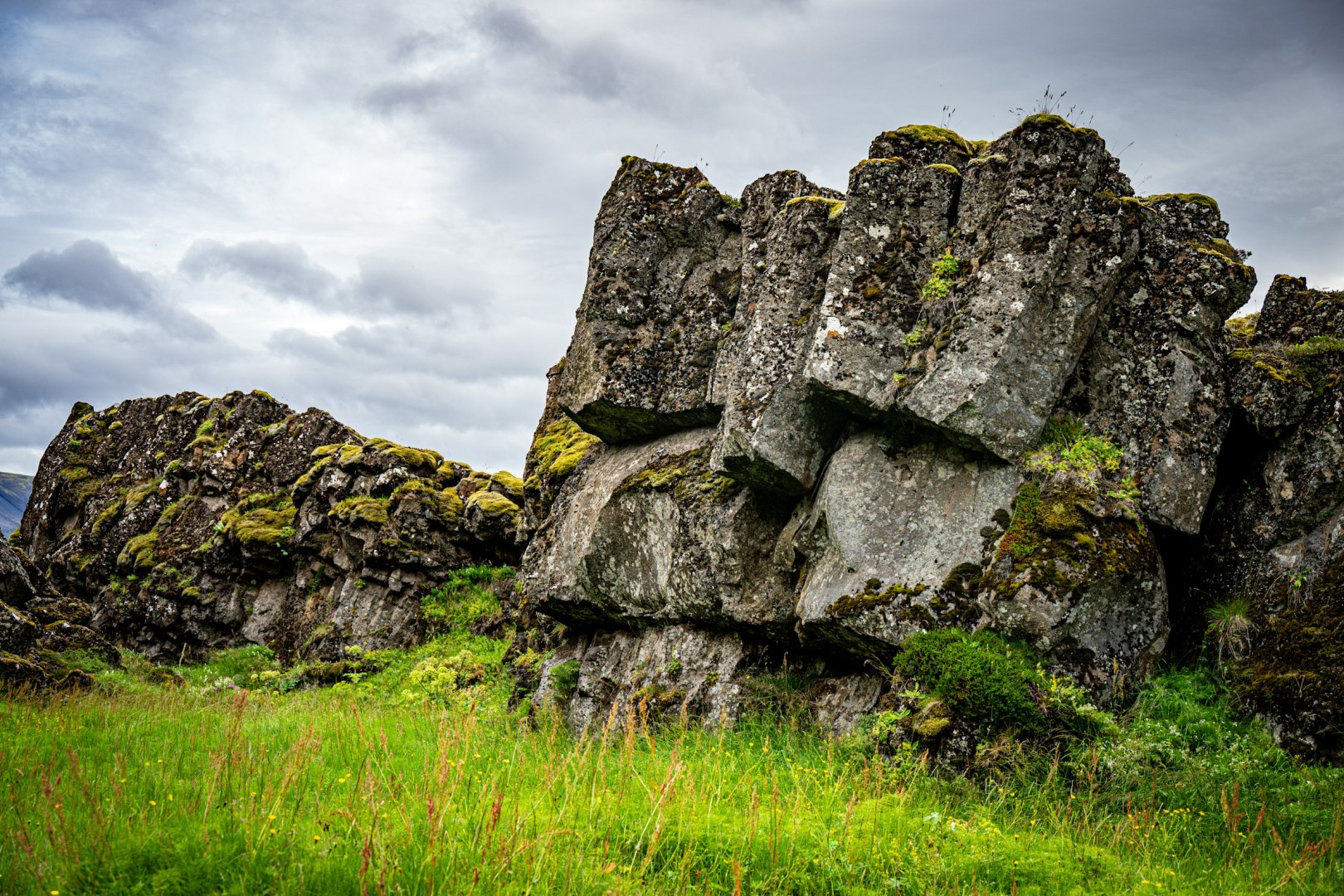
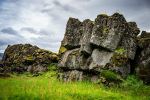
Thingvellir, a captivating site in Iceland, seamlessly combines natural beauty and historical significance. Located in the Thingvellir National Park, this UNESCO World Heritage Site is a geological wonder where the North American and Eurasian tectonic plates meet. The dramatic landscape features rift valleys and stunning volcanic formations, making it a paradise for hikers and nature enthusiasts. The park is also home to Þingvallavatn, Iceland’s largest natural lake, which offers serene views and opportunities for fishing and kayaking.
Historically, Thingvellir holds great importance as the site of Iceland's first parliament, the Althing, established in 930 AD. This ancient assembly was a significant center for Icelandic democracy and lawmaking, where chieftains gathered annually to settle disputes and create laws. Visitors can explore the ruins of the original site and learn about Iceland’s early governance at the Thingvellir Visitor Centre.
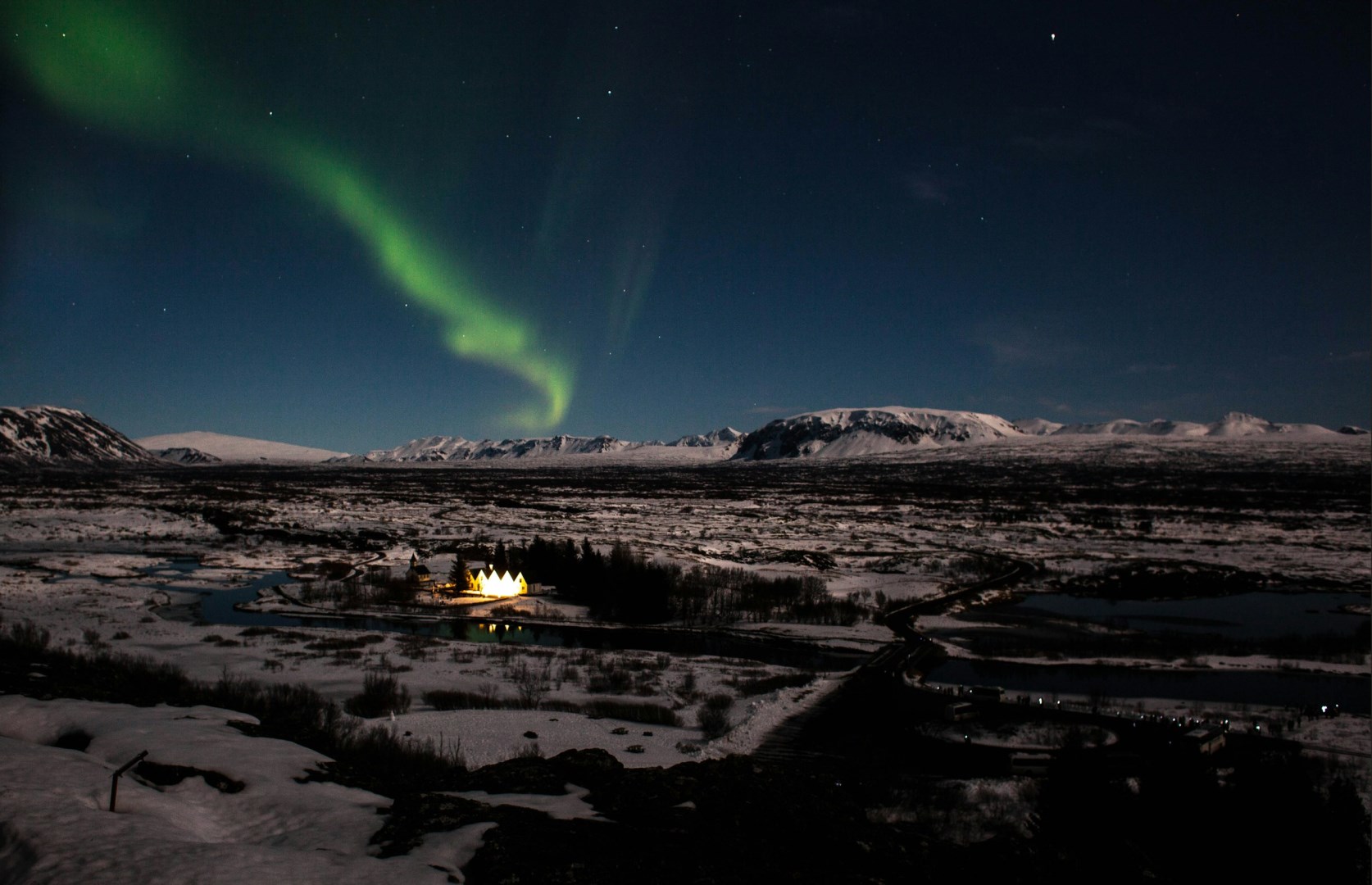
A visit to Thingvellir offers a unique blend of natural splendor and historical intrigue. The park is part of the Golden Circle route, which includes other iconic Icelandic sites such as Geysir and Gullfoss waterfall. In addition to its historical and geological attractions, Thingvellir is a prime location for viewing the Northern Lights during winter months. The park’s low light pollution and expansive views make it an ideal spot for this breathtaking natural phenomenon.
Fun fact: Thingvellir is one of the few places in the world where you can literally walk between two tectonic plates. The Silfra fissure within the park offers a unique snorkeling experience where you can swim between these two plates, immersing yourself in crystal-clear glacial water.