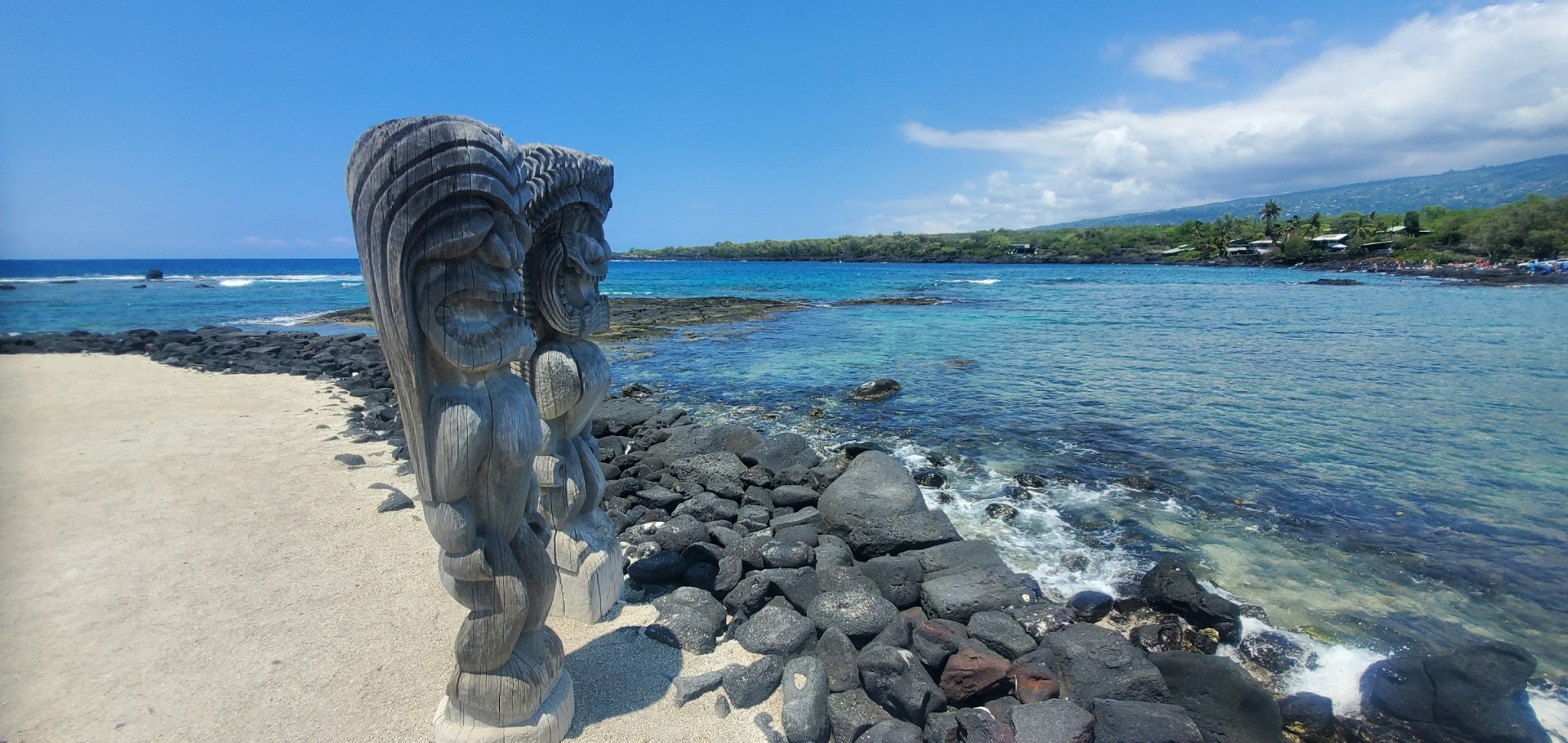
Hawaii Island, also known as the Big Island, is a place where natural wonder and cultural heritage converge in breathtaking ways. The island’s diverse landscapes span black sand beaches, verdant rainforests, and snow-capped mountains. Volcanoes National Park is a must-see destination where visitors can witness the power of Earth’s creation at the Kīlauea and Mauna Loa volcanoes, two of the most active in the world.
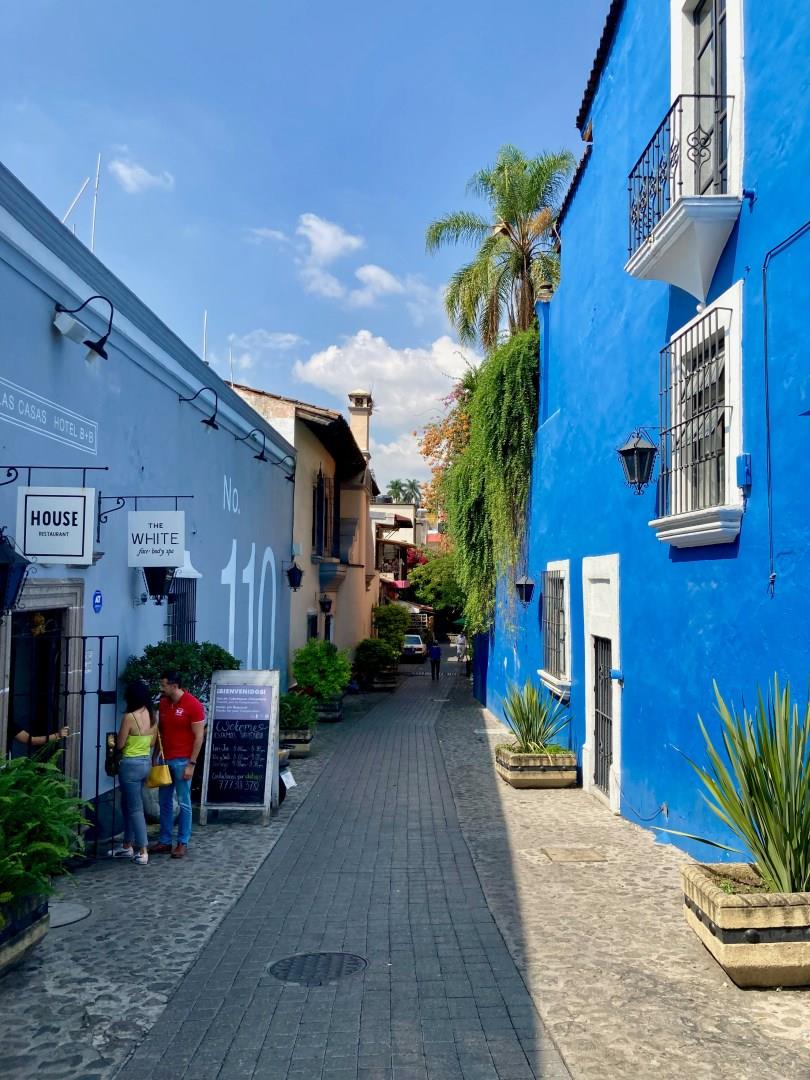
Cuernavaca, often called the “City of Eternal Spring,” has long been a retreat for those seeking warm weather and relaxing surroundings just 90 minutes from Mexico City. With a history that stretches back to the Aztec empire, the city is layered with centuries of cultural change. The historic center of Cuernavaca combines architecture from multiple eras, with narrow streets leading to quiet plazas and colonial churches.
Dominica, known as the “Nature Island of the Caribbean,” is a haven for eco-tourists and adventure seekers. Nestled between the French islands of Guadeloupe and Martinique, this lush island boasts a remarkable landscape of volcanic mountains, dense rainforests, and stunning waterfalls. Dominica’s most iconic natural wonder is the Boiling Lake, the second-largest hot spring in the world.
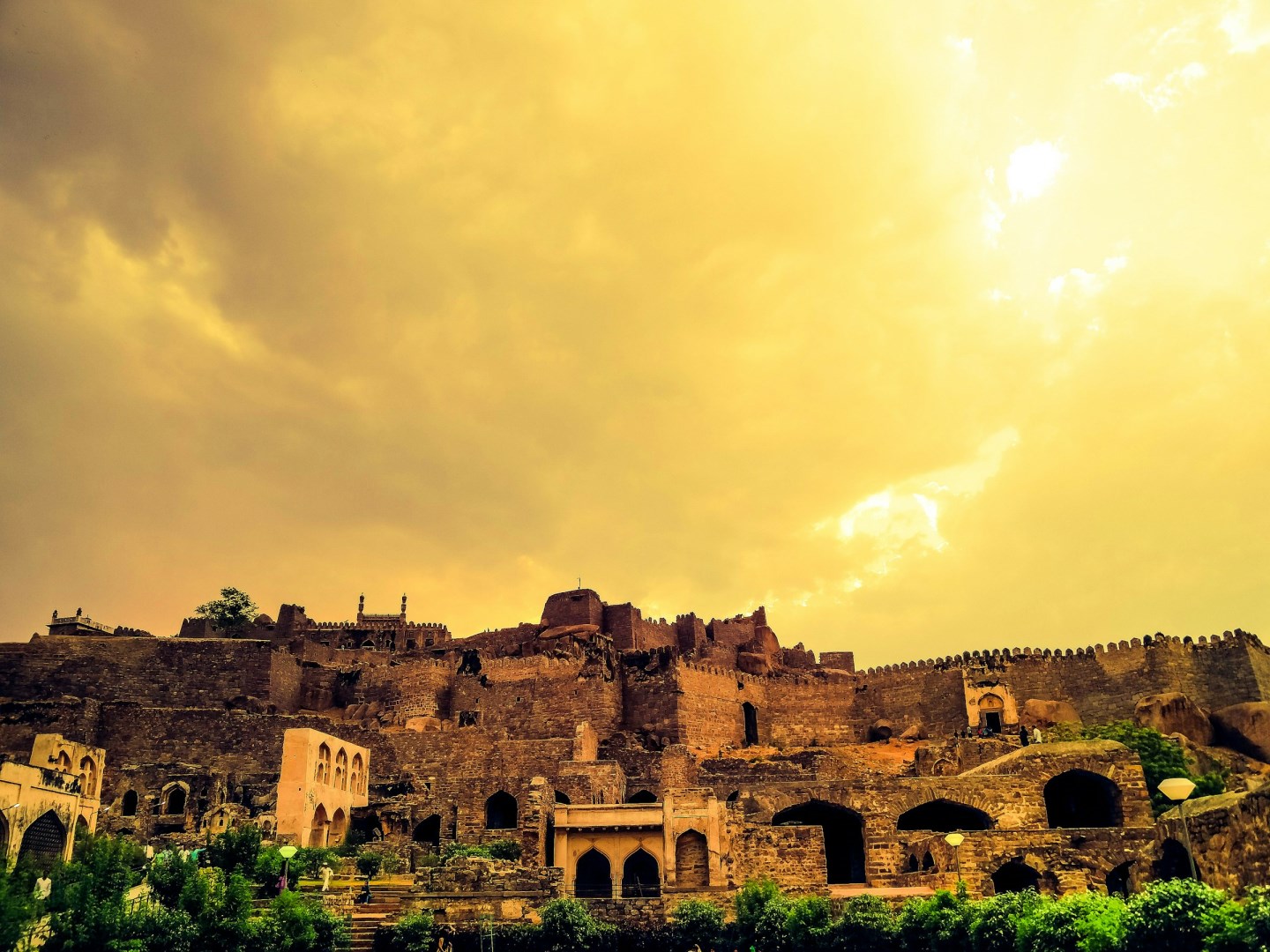
Hyderabad is the capital of Telangana in southern India, built around the Musi River and shaped by a long history of Deccan kingdoms, Islamic architecture, Hindu traditions, and modern technology. The city combines historic neighborhoods with expanding business districts, universities, markets, and residential areas. Its older quarters are centered around landmarks such as Charminar and the Mecca Masjid, while newer Hyderabad is known for its technology and pharmaceutical industries. Granite out
The capital and largest city in Arizona, Phoenix, also known as the "Valley of the Sun", offers warm weather for the winter months, excellent golf and tennis resorts, access to Oak Creek Canyon, Grand Canyon and the desert.
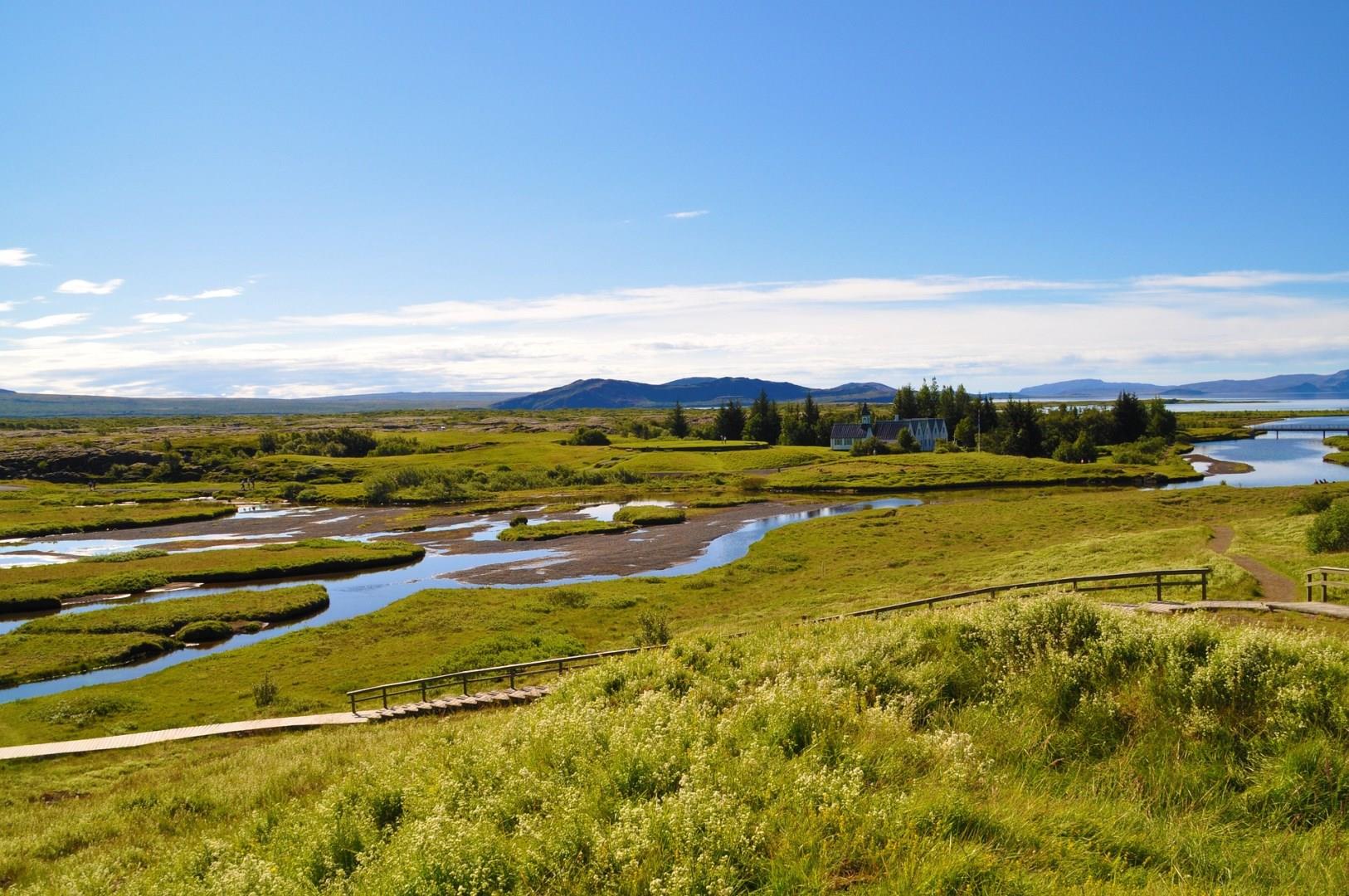
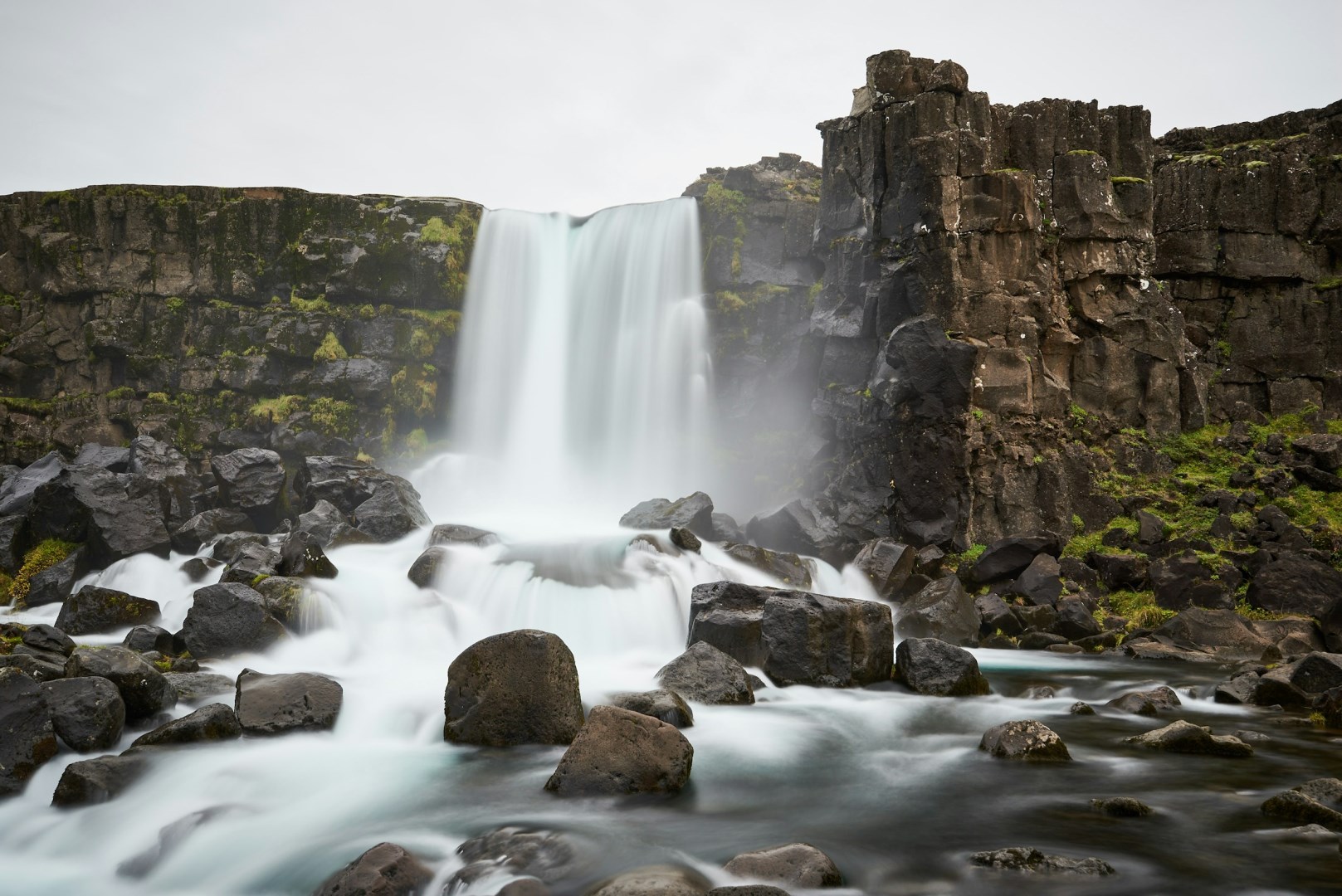
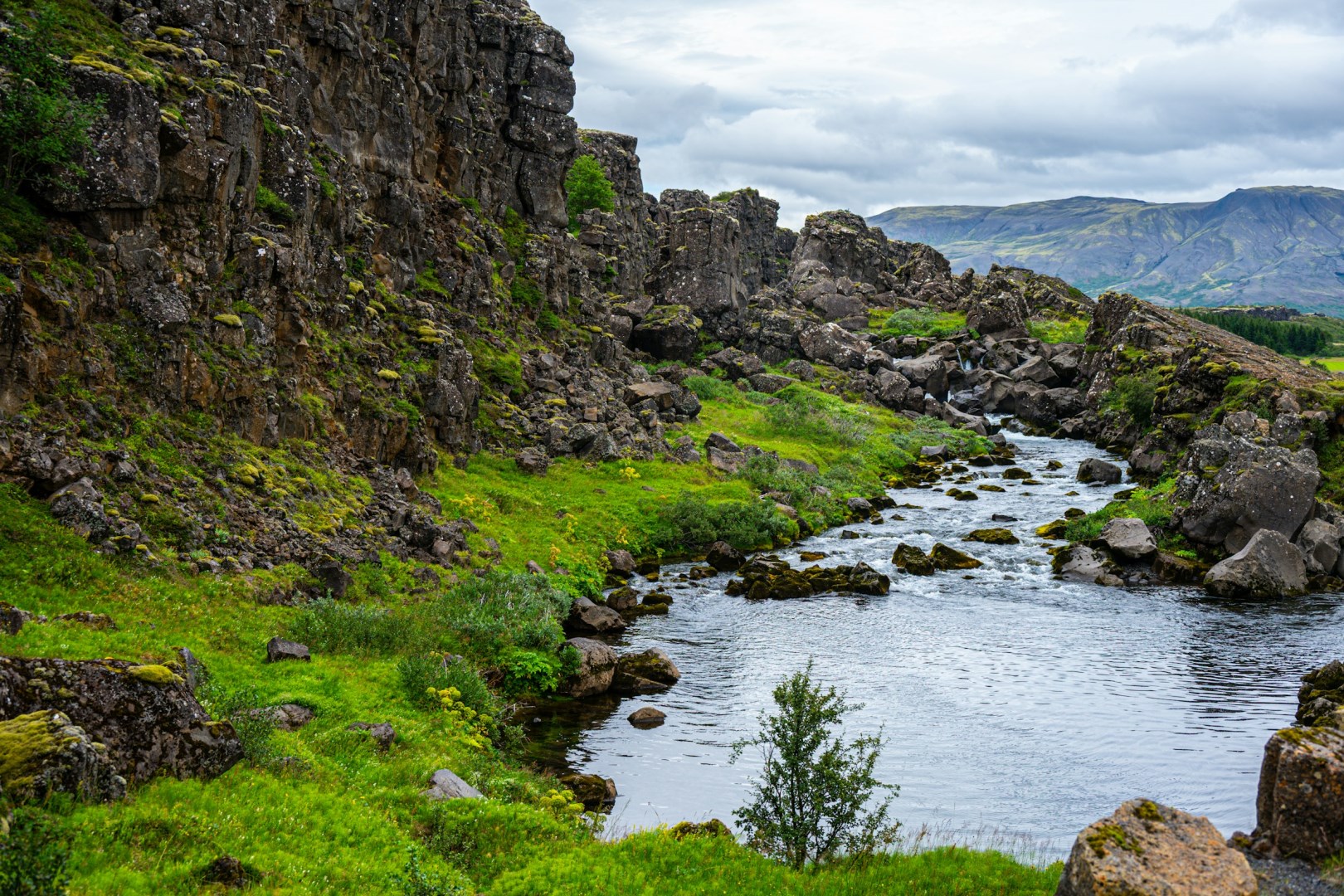
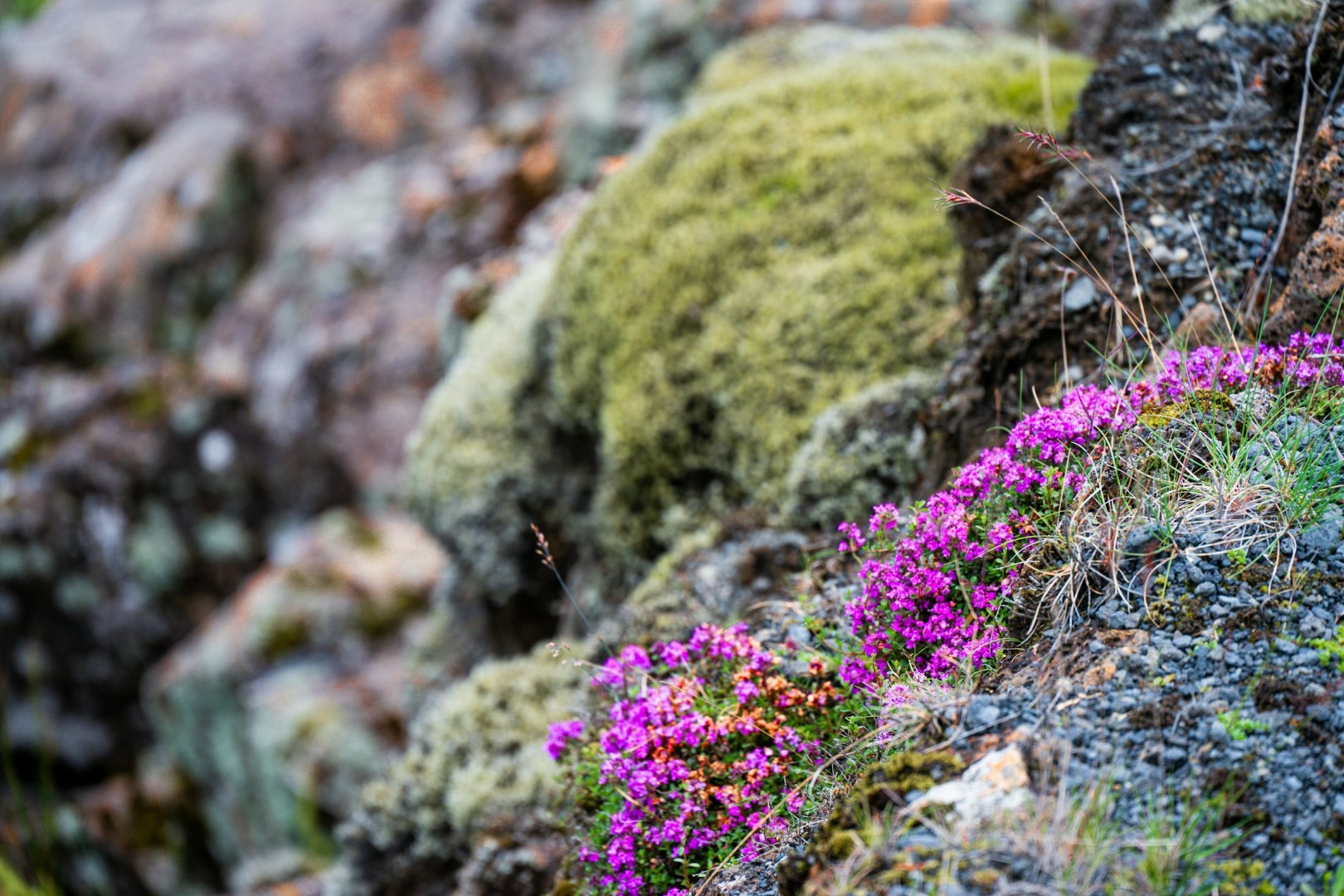
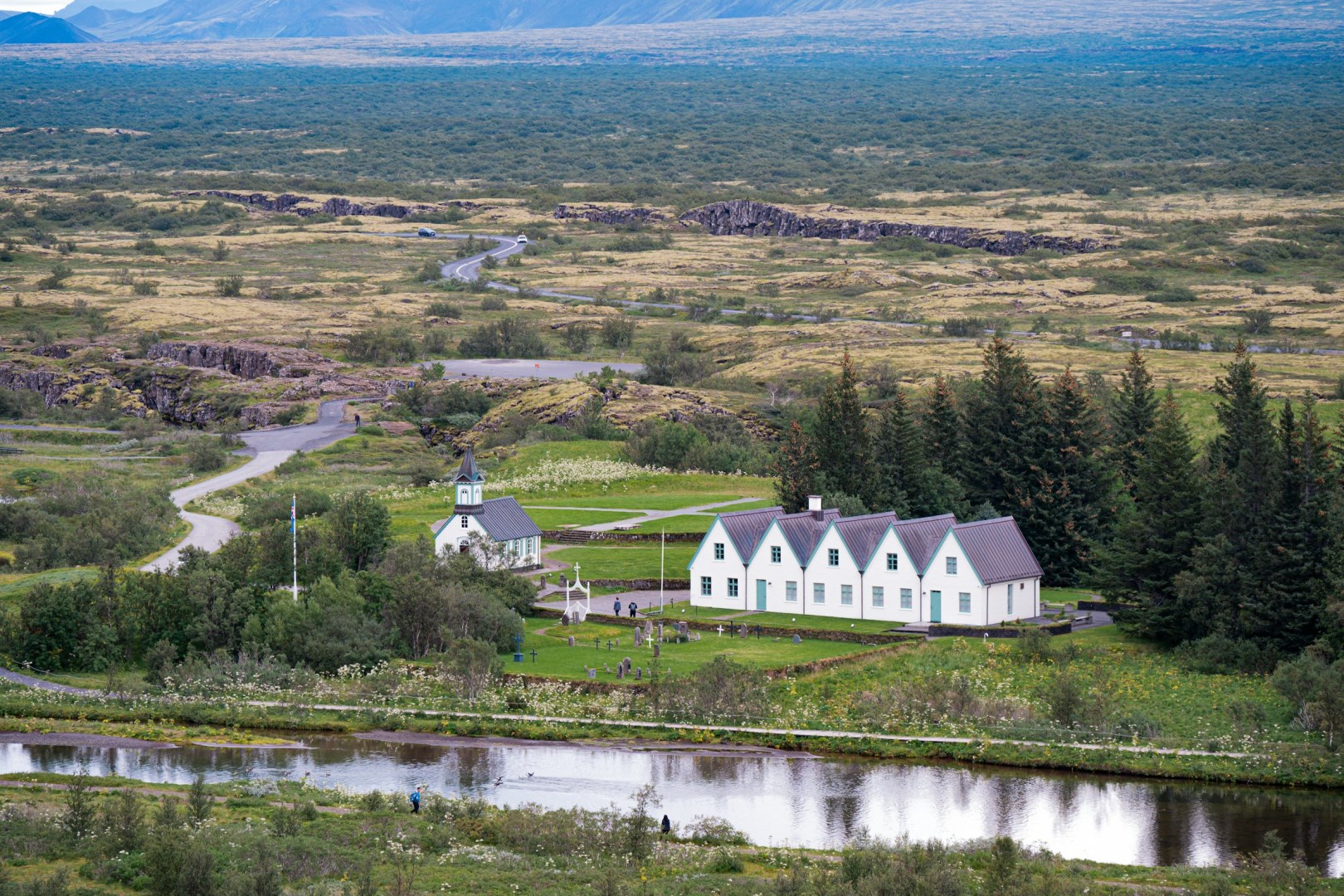
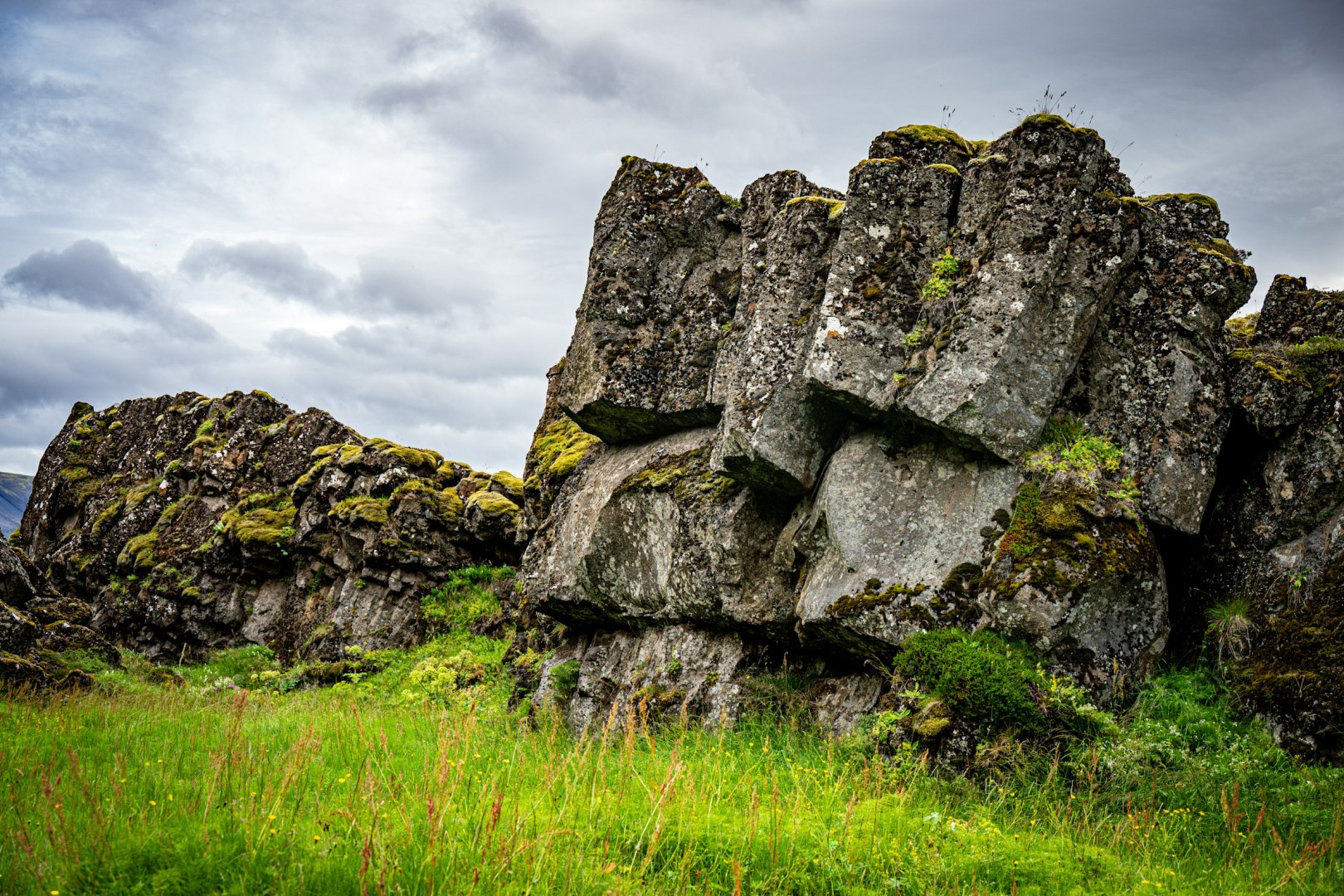
Thingvellir, a captivating site in Iceland, seamlessly combines natural beauty and historical significance. Located in the Thingvellir National Park, this UNESCO World Heritage Site is a geological wonder where the North American and Eurasian tectonic plates meet. The dramatic landscape features rift valleys and stunning volcanic formations, making it a paradise for hikers and nature enthusiasts. The park is also home to Þingvallavatn, Iceland’s largest natural lake, which offers serene views and opportunities for fishing and kayaking.
Historically, Thingvellir holds great importance as the site of Iceland's first parliament, the Althing, established in 930 AD. This ancient assembly was a significant center for Icelandic democracy and lawmaking, where chieftains gathered annually to settle disputes and create laws. Visitors can explore the ruins of the original site and learn about Iceland’s early governance at the Thingvellir Visitor Centre.
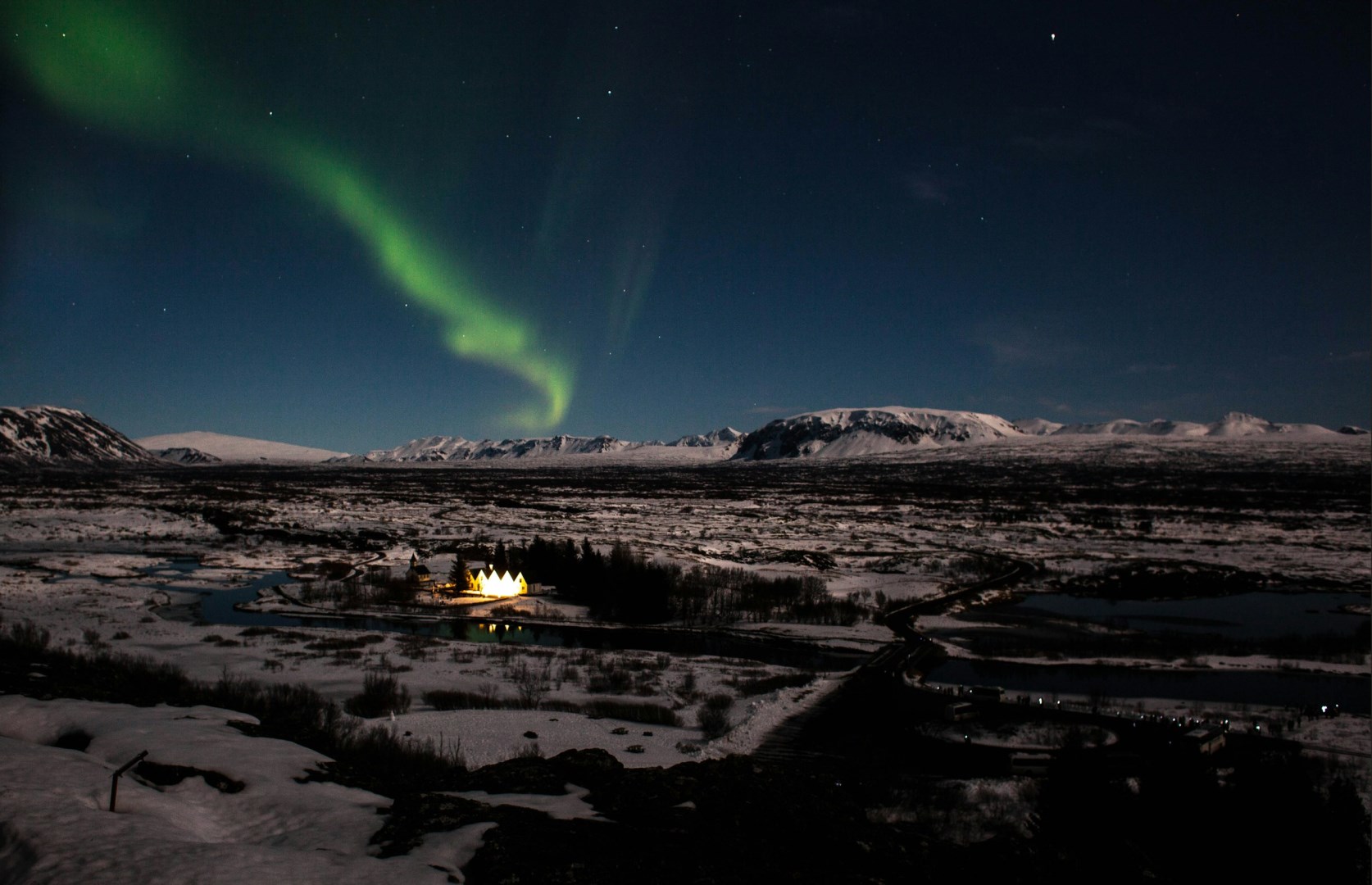
A visit to Thingvellir offers a unique blend of natural splendor and historical intrigue. The park is part of the Golden Circle route, which includes other iconic Icelandic sites such as Geysir and Gullfoss waterfall. In addition to its historical and geological attractions, Thingvellir is a prime location for viewing the Northern Lights during winter months. The park’s low light pollution and expansive views make it an ideal spot for this breathtaking natural phenomenon.
Fun fact: Thingvellir is one of the few places in the world where you can literally walk between two tectonic plates. The Silfra fissure within the park offers a unique snorkeling experience where you can swim between these two plates, immersing yourself in crystal-clear glacial water.
Other Popular Destinations in Iceland
Reykjavik
On coastal Iceland, the globe's northernmost capital, Reykjavík, invites visitors to discover its unique charms. Iceland is rife with natural wonders: geysers, geothermic spas, waterfalls and the spectacular Northern Lights. Reykjavik, dating back to 870 AD, offers world-class museums, restaurants, shopping and nightlife.
Akureyri
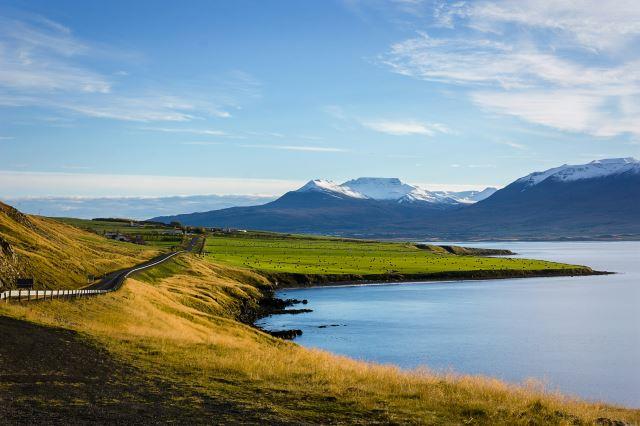
Akureyri, often referred to as the capital of North Iceland, offers travelers a distinct experience shaped by its Arctic location and rich local culture. Nestled at the base of Eyjafjörður fjord, the town has served as a trading center since the 1600s and continues to thrive with a mix of fishing, arts, and tourism. Within a few hours’ drive, visitors can reach the geothermal fields of Hverir, the volcanic craters at Lake Mývatn, and the powerful Goðafoss waterfall.