Beypazari
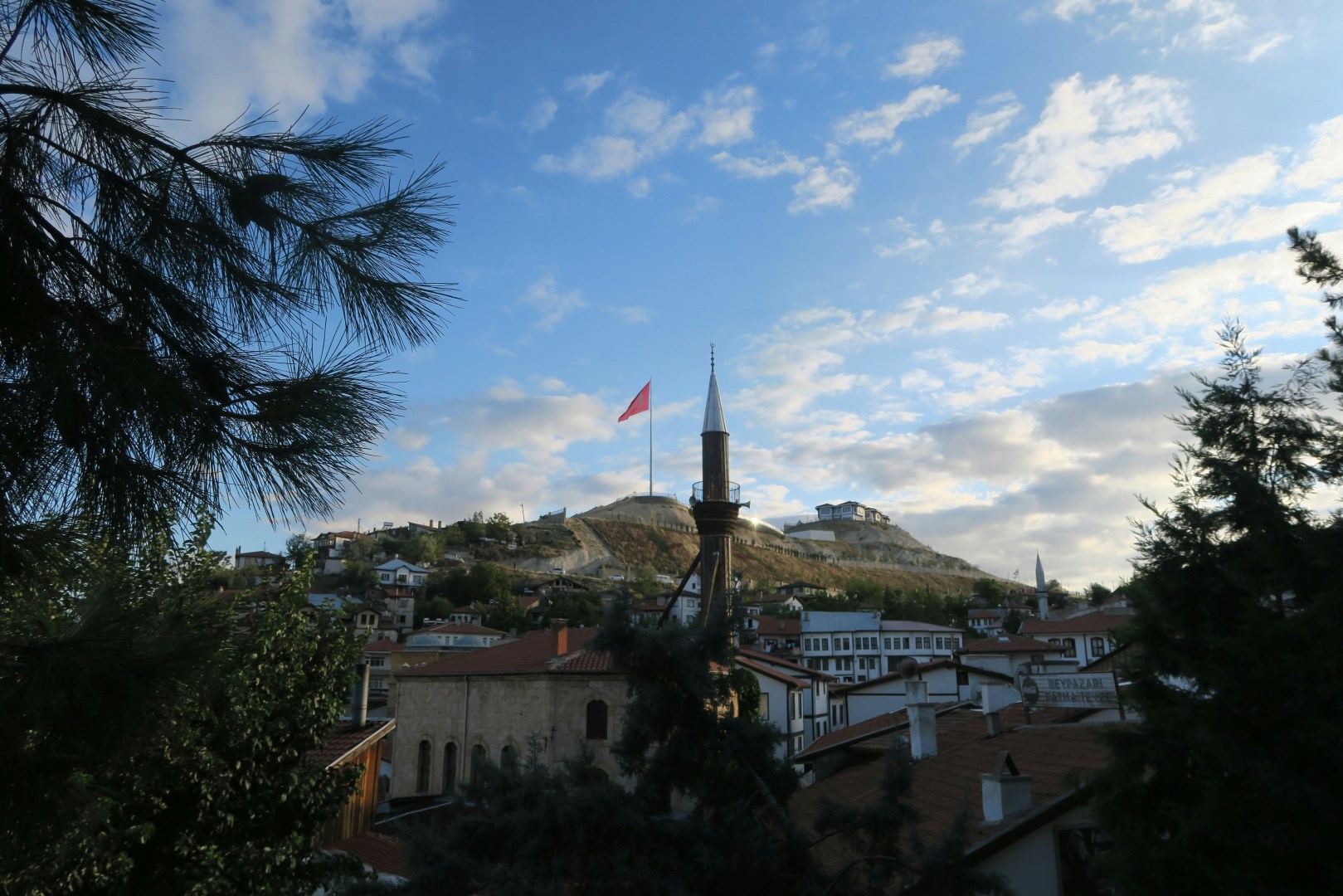
Beypazarı is a historic town in Ankara Province, Turkey, situated on the edge of the Central Anatolian plateau. It is recognized for its well-preserved Ottoman-era houses, narrow streets, and strong connection to traditional crafts. The town serves as both a residential center and a cultural destination, where restored buildings now function as museums, guesthouses, and workshops.

Grundarfjörður
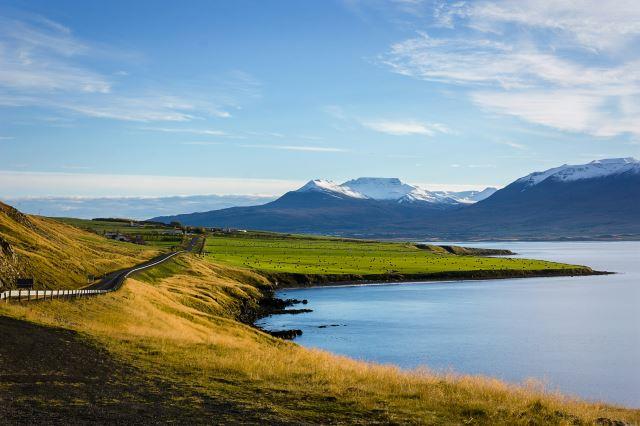
Situated on the north coast of the Snæfellsnes peninsula between a mountain range and the sea is the small town of Grundarfjordur, Iceland. Though certainly now the most well-known town on the peninsula, its nearby mountain Kirkjufell ("church mountain" in Icelandic) is perhaps Iceland's most famous.
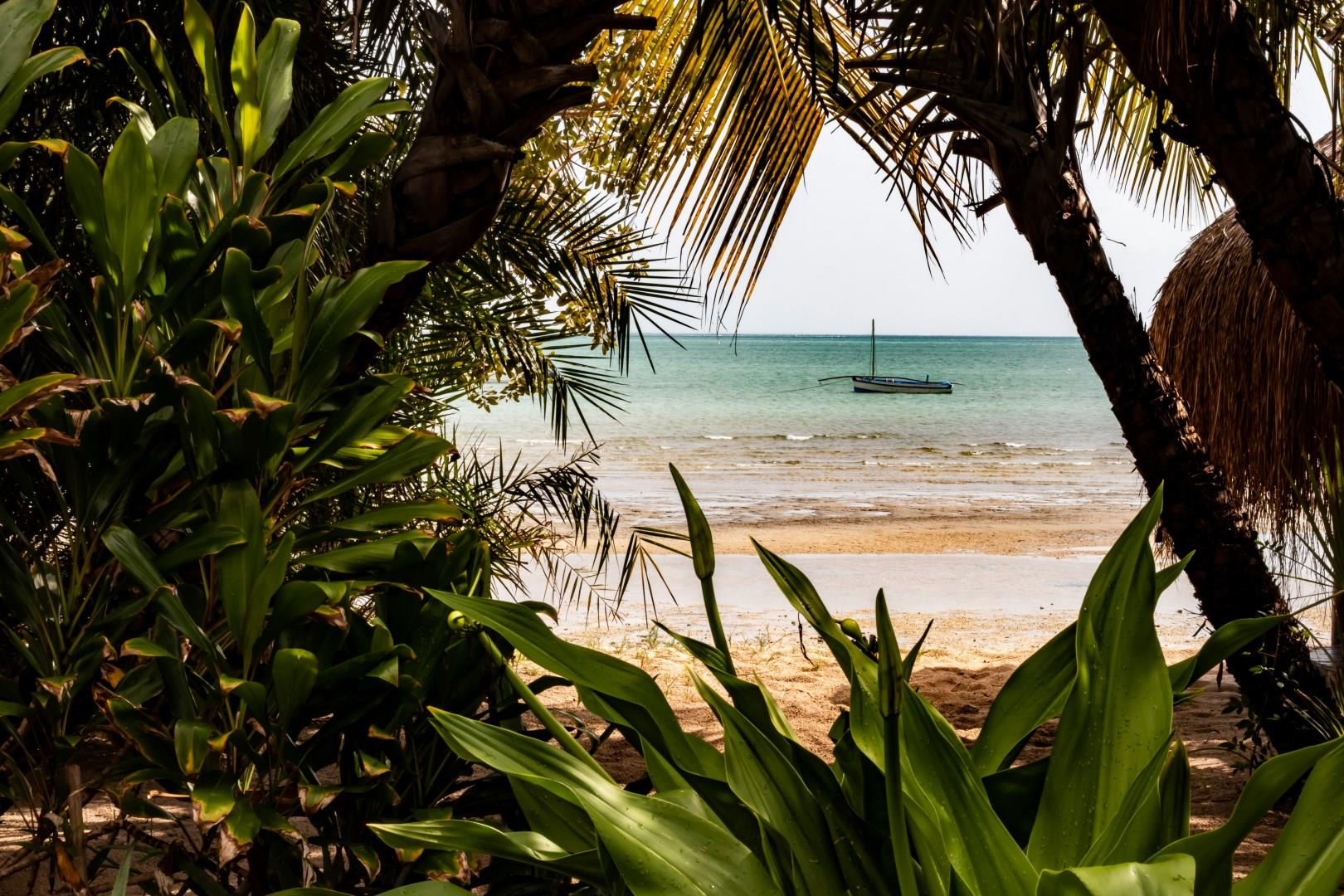
Benguerra Island
Benguerra Island, part of Mozambique’s Bazaruto Archipelago, is a tropical paradise known for its pristine beaches, turquoise waters, and rich marine life. Accessible by boat from Vilankulo, the island offers a secluded retreat where visitors can enjoy sun-soaked sandbanks, coral reefs, and the gentle sway of palm trees. Its small size and limited development help maintain an intimate atmosphere that feels far removed from bustling tourist hubs.
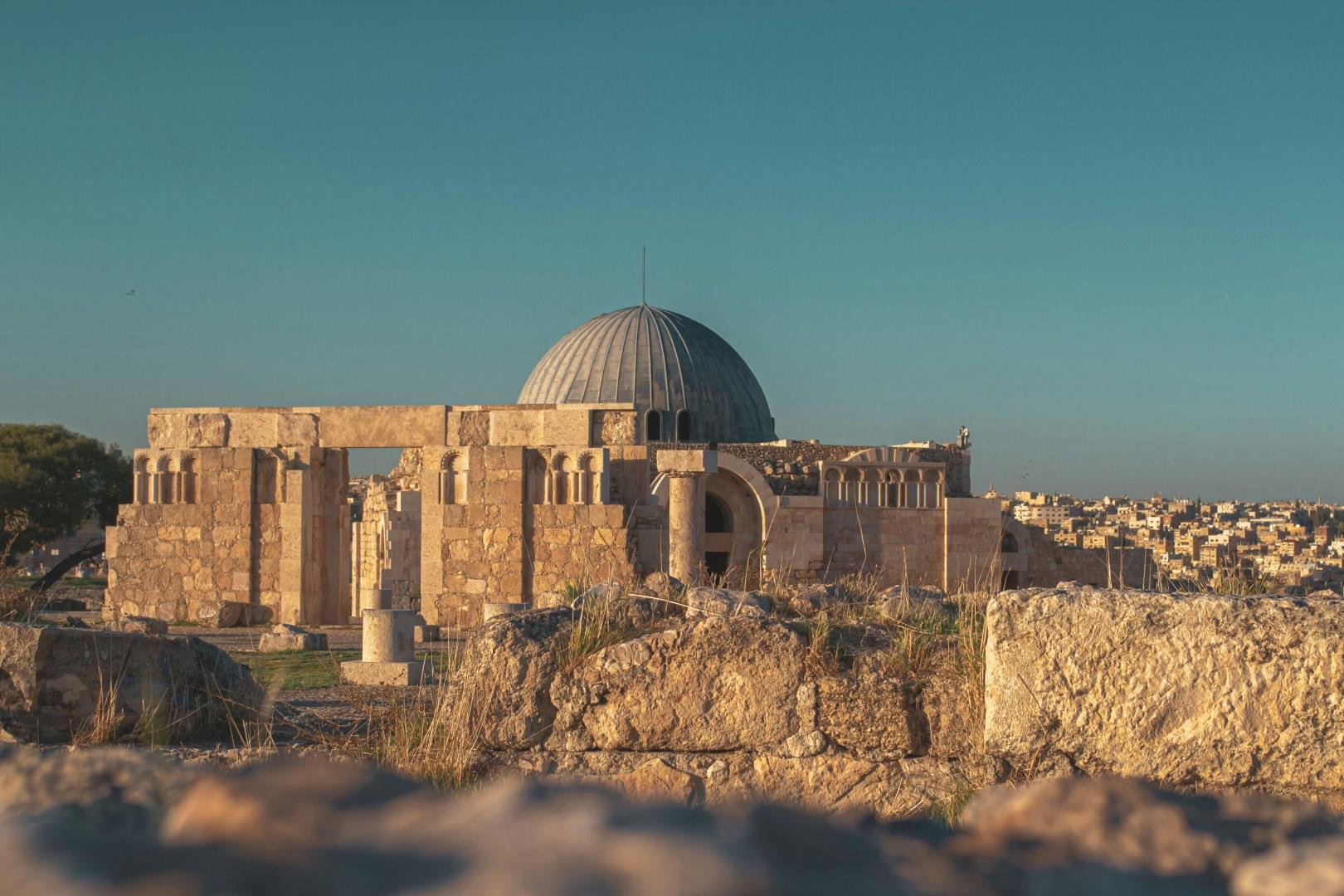
Amman
Situated near the Dead Sea, Amman is the capital of Jordan and a cultural and historical hub in the Middle East. Explore this sprawling city, replete with historic landmarks, museums, and mosques, and you’ll soon be enraptured by its blend of metropolitan and ancient beauty.
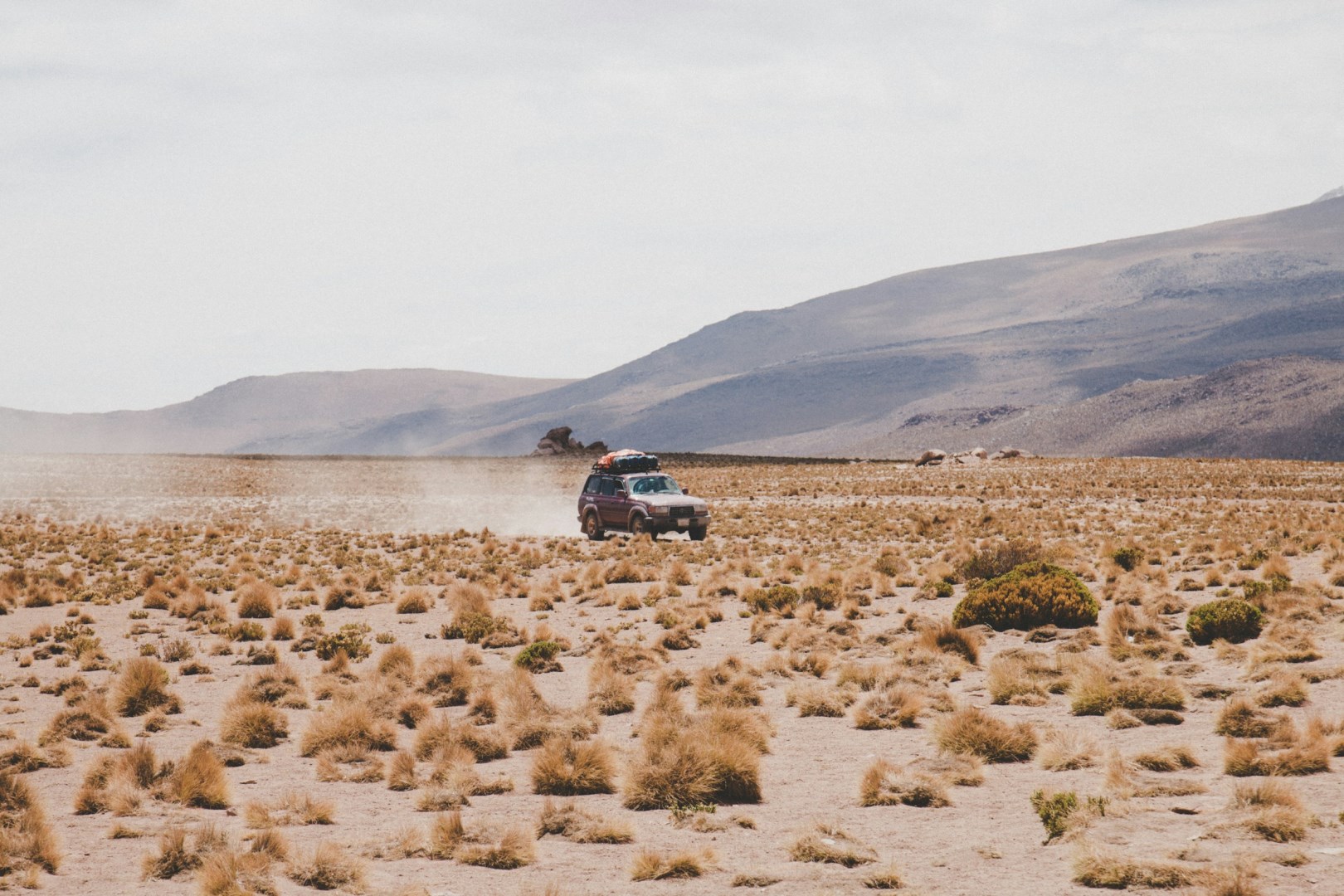
Eduardo Avaroa Andean Fauna National Reserve
Eduardo Avaroa Andean Fauna National Reserve is a vast protected area in southwestern Bolivia, close to the borders with Chile and Argentina. It covers a high-altitude landscape of volcanic mountains, deserts, salt flats, geothermal fields, and mineral-rich lagoons. The reserve forms part of the southern Altiplano and is one of Bolivia’s most distinctive protected areas.