Molokai Island
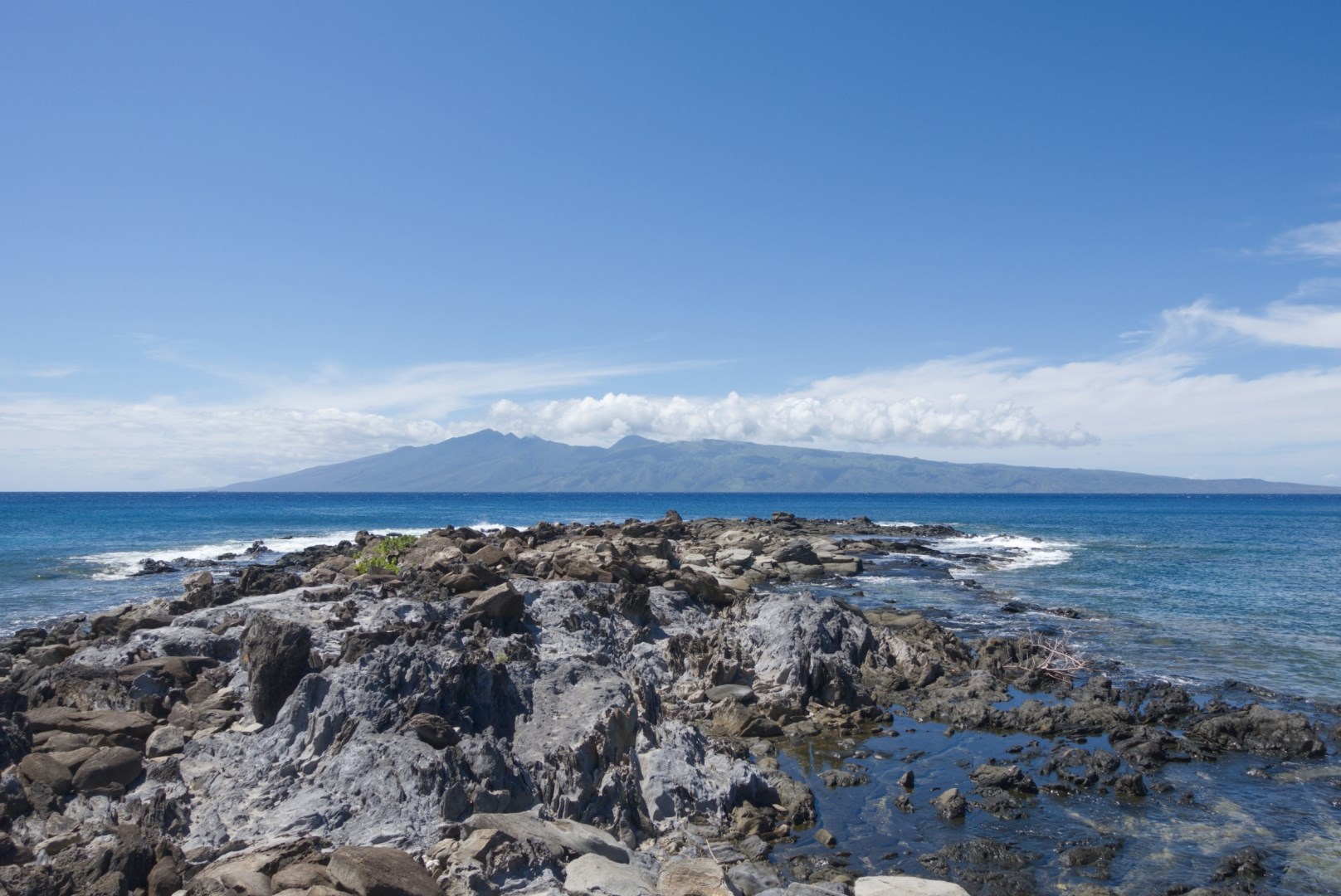
Molokai, island, in Kalawao County, administered by Maui County, central Hawaii, between Oahu and Maui islands, known as the Friendly Island. On the southern coast of Molokai is the port of Kaunakakai. The island rises to 1512 m (4961 ft) in the east at Kamakou Peak. Pineapples, coffee, and cattle are raised. In 1873Father Damien, the Belgian Roman Catholic missionary, began his work in the leper colony of Kalawao on the Kalaupapa Peninsula of northern Molokai.

Iron Gates
The Iron Gates, a dramatic gorge along the Danube River, is a spectacular natural wonder straddling the border between Romania and Serbia. This striking geological formation carves its way through the Carpathian Mountains, creating breathtaking views that captivate all who visit.
Saint-Émilion
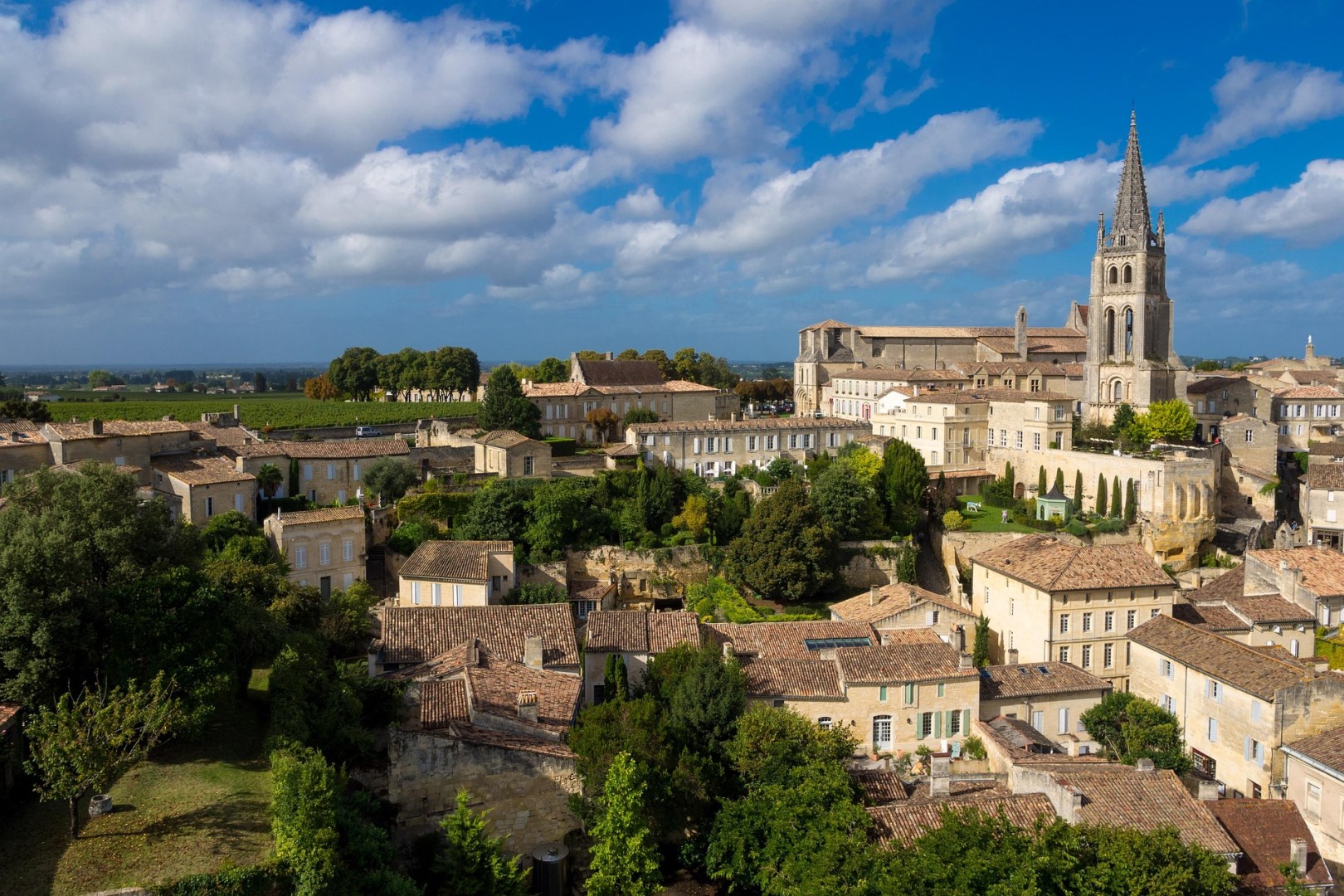
Saint-Émilion, nestled in the heart of southwest France, is a living monument to centuries of craftsmanship, faith, and wine-making. Recognized as a UNESCO World Heritage Site since 1999, this medieval town sits on a limestone plateau surrounded by vineyards that date back to Roman times. Visitors can explore cobbled streets that wind past centuries-old stone houses, descend into underground catacombs carved by monks, and visit the astonishing Monolithic Church.
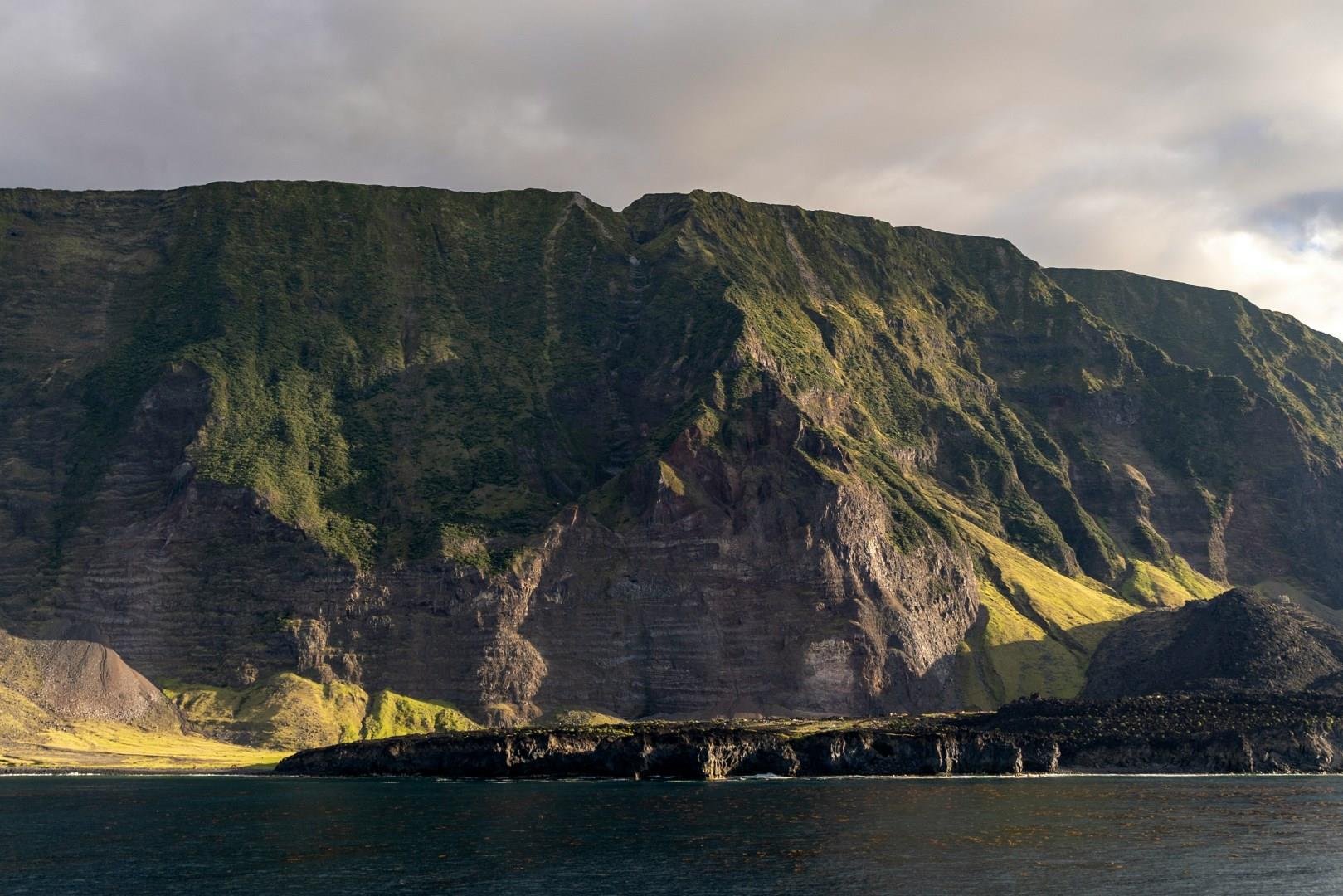
Tristan da Cunha
Tristan da Cunha is a remote volcanic island in the South Atlantic Ocean, forming part of a small archipelago along with Inaccessible Island and Nightingale Island. Known as the most isolated inhabited island in the world, it is accessible only by a week-long boat journey from South Africa.
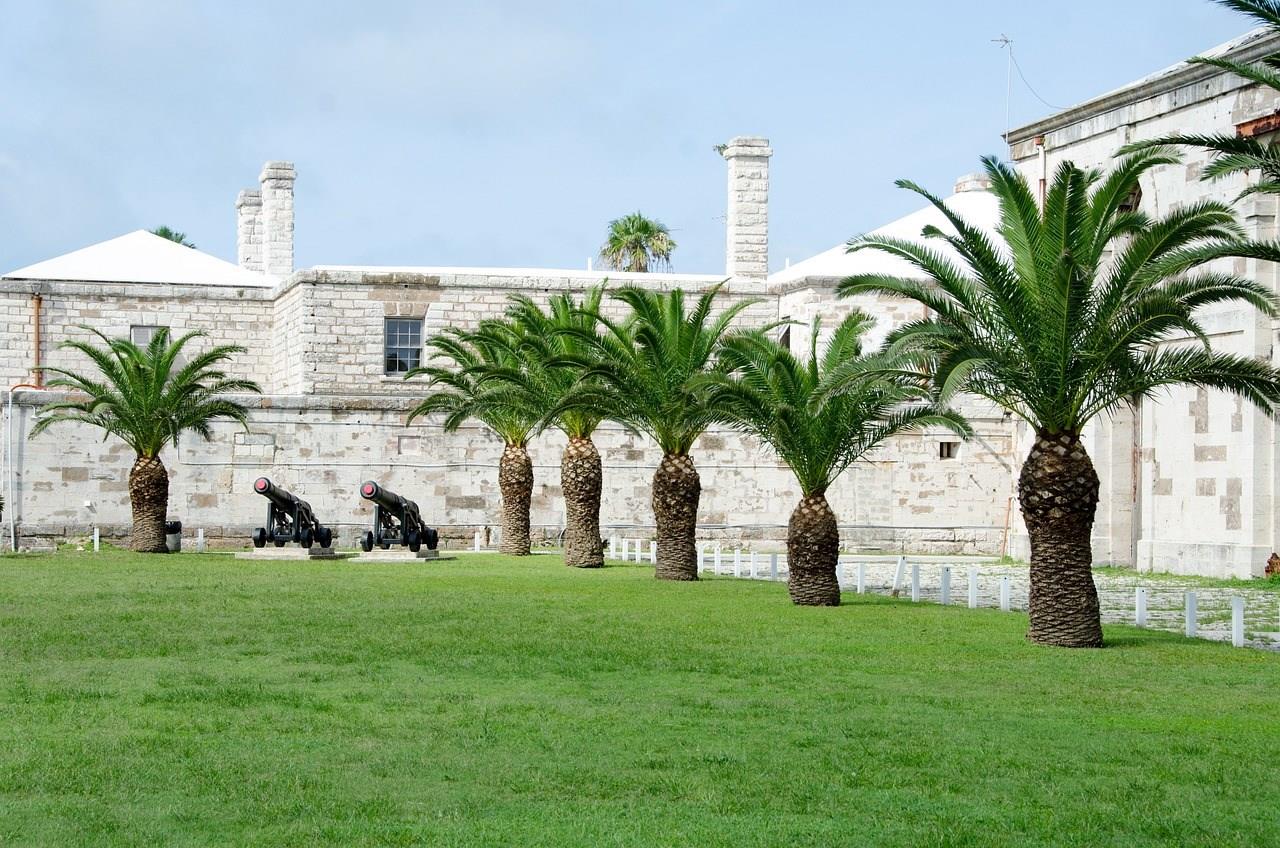
Royal Naval Dockyard
The Royal Naval Dockyard in Bermuda stands as a testament to the island's maritime history and naval heritage. Located at the western tip of Bermuda, this historic site was once a major naval base for the British Royal Navy and is now a thriving hub of culture, history, and tourism. The Dockyard's impressive buildings, including the Commissioner's House and the historic fortifications, offer a glimpse into Bermuda's naval past.