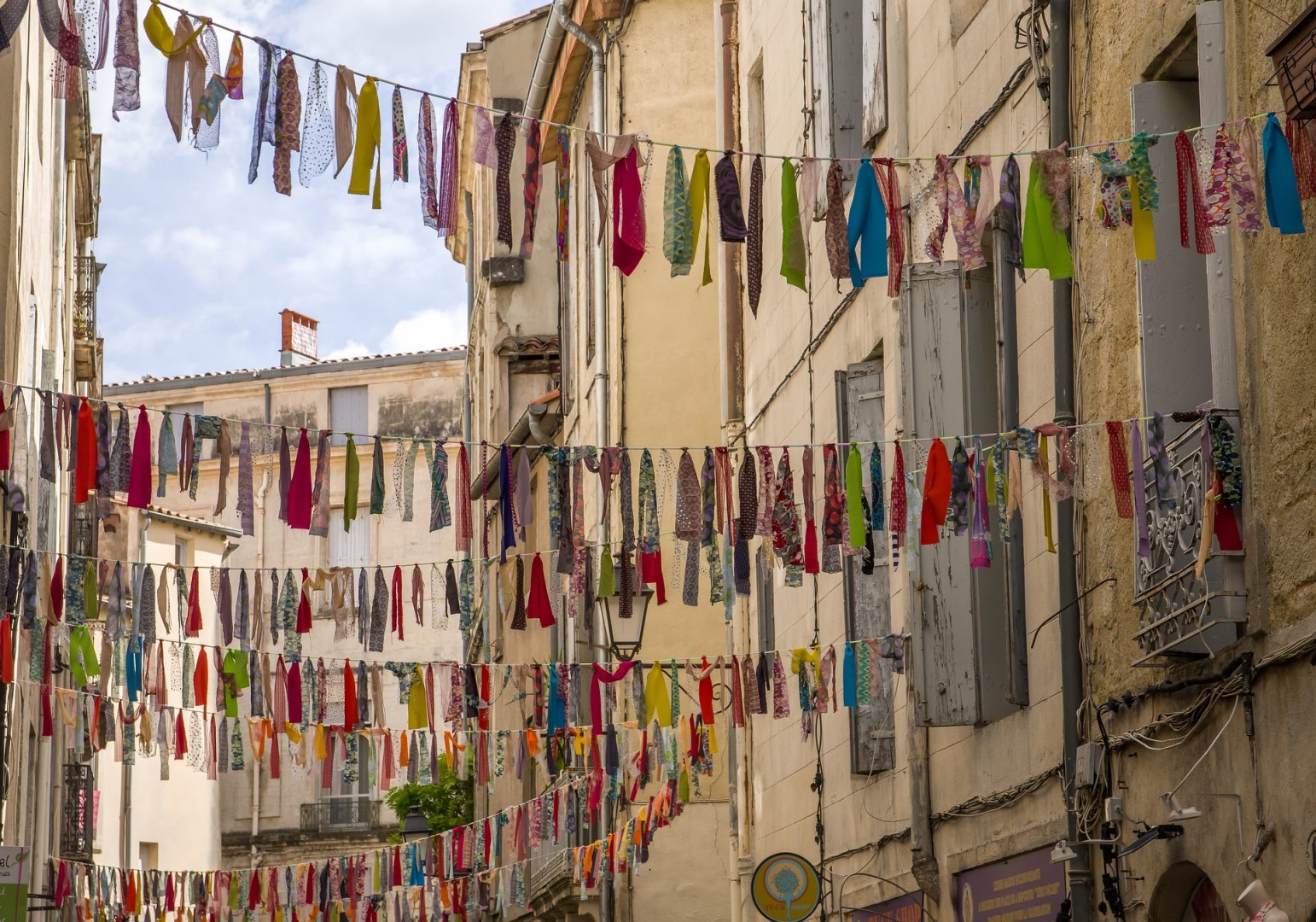
Montpellier
Located in southern France it is known as the "Oxford of France" for it famous medical university

Kraków
Kraków lies in southern Poland along the Vistula River and serves as one of the country’s most recognized cultural centers. Its layout is shaped by a well-preserved historic core, with streets radiating from a large central square. The city retains a human scale, where daily life unfolds among historic buildings, universities, and markets. It stands apart for its continuity of urban life, where medieval structures coexist with modern institutions without dramatic contrast.
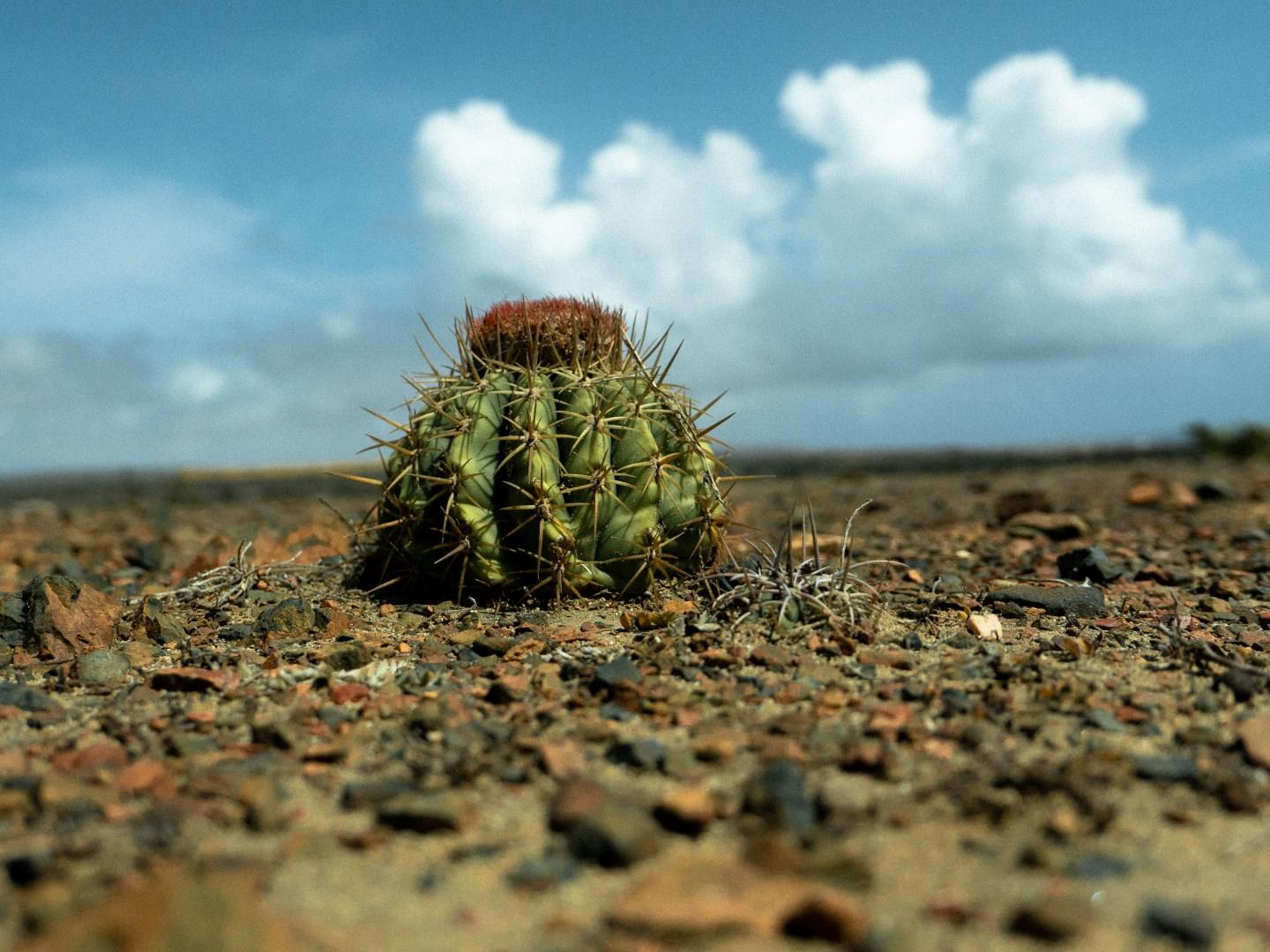
Arikok National Park
Arikok National Park, covering nearly 20% of Aruba, is a striking showcase of the island’s rugged landscapes, cultural history, and biodiversity. Unlike the postcard image of Aruba’s white-sand beaches, Arikok reveals a wilder side, with windswept hills, desert-like terrain, and dramatic limestone cliffs meeting the sea.
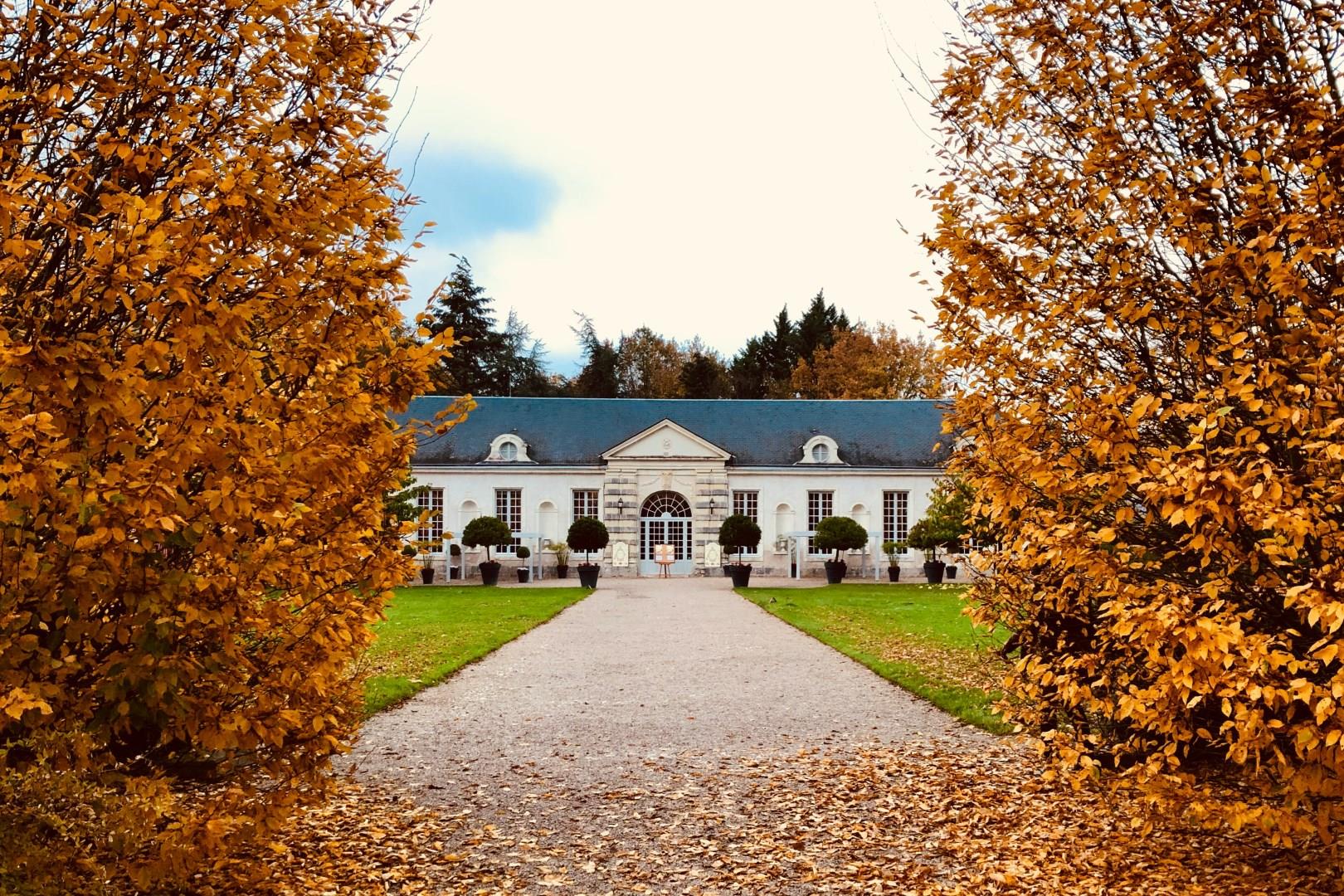
Loire Valley
The Loire Valley stretches along the gentle curves of France’s longest river, a place where riverside towns, historic estates and vineyards have shaped daily life for centuries. This long stretch of landscape was recognized as a UNESCO World Heritage Site because of its remarkable cultural landscape, which includes towns like Tours, Blois, Amboise and Saumur and a tapestry of castles standing beside the river banks.
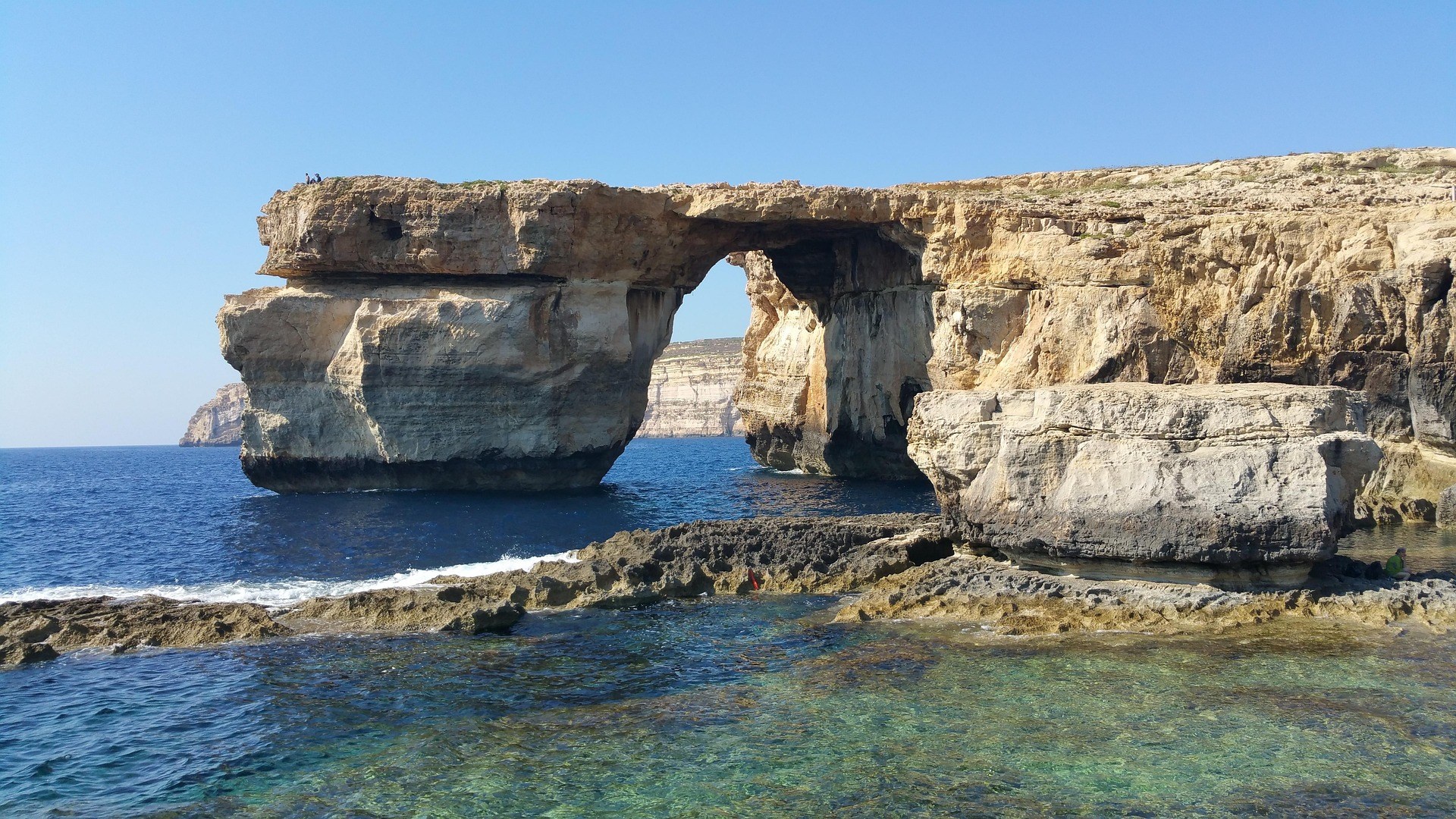
Gozo Island
Gozo, the smaller sister island of Malta, offers a tranquil contrast to the busier main island, blending rich history, rugged landscapes, and a slower pace of life. Known for its rolling hills, picturesque villages, and dramatic coastline, Gozo has preserved much of its rural charm, allowing visitors to step back into centuries of Mediterranean culture and tradition.