Liverpool
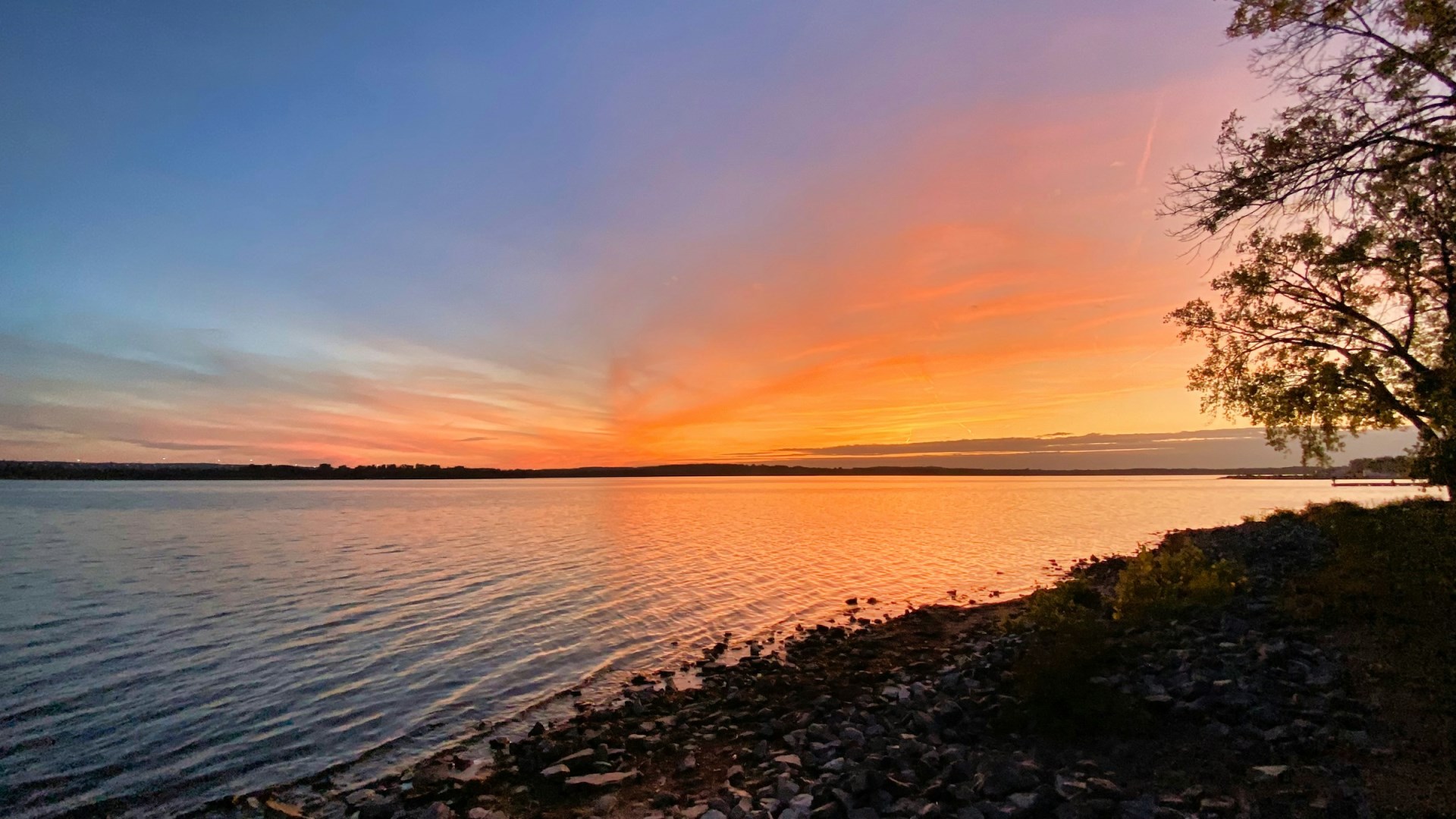
Liverpool, New York, offers a charming retreat with its blend of historical appeal and picturesque landscapes. Nestled along the eastern shore of Onondaga Lake, this village boasts a rich history dating back to the early 19th century. A highlight of Liverpool's heritage is the Onondaga Lake Park, which provides scenic walking trails, picnic areas, and views of the lake

St. Petersburg
A family vacation favorite with glorious weather year-round. There are 102 city parks on 2400 acres, five beaches, eight public swimming pools, 2 municipal golf courses, plenty of tennis courts, fine shops, museums and restaurants to explore and enjoy in St. Petersburg.
Mount Paget
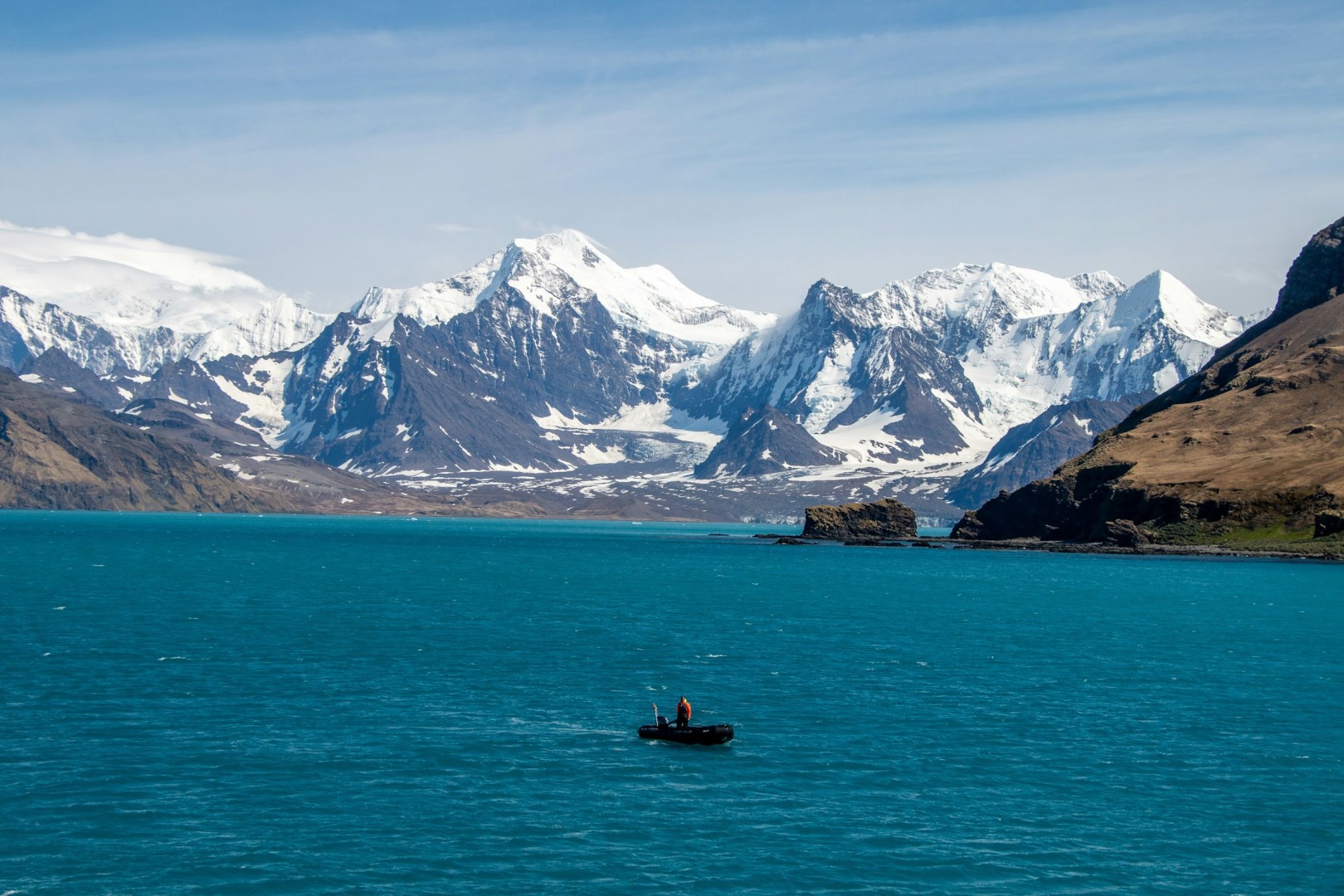
Mount Paget is the highest mountain on South Georgia, rising prominently above the interior of the island and forming part of the Allardyce Range. Its slopes are covered by glaciers, snowfields, and exposed rock, creating a rugged profile that dominates views from surrounding coastal areas. The mountain is located near the island’s central region and is best appreciated from a distance, particularly from valleys, fjords, and coastal waters.
El Chaltén
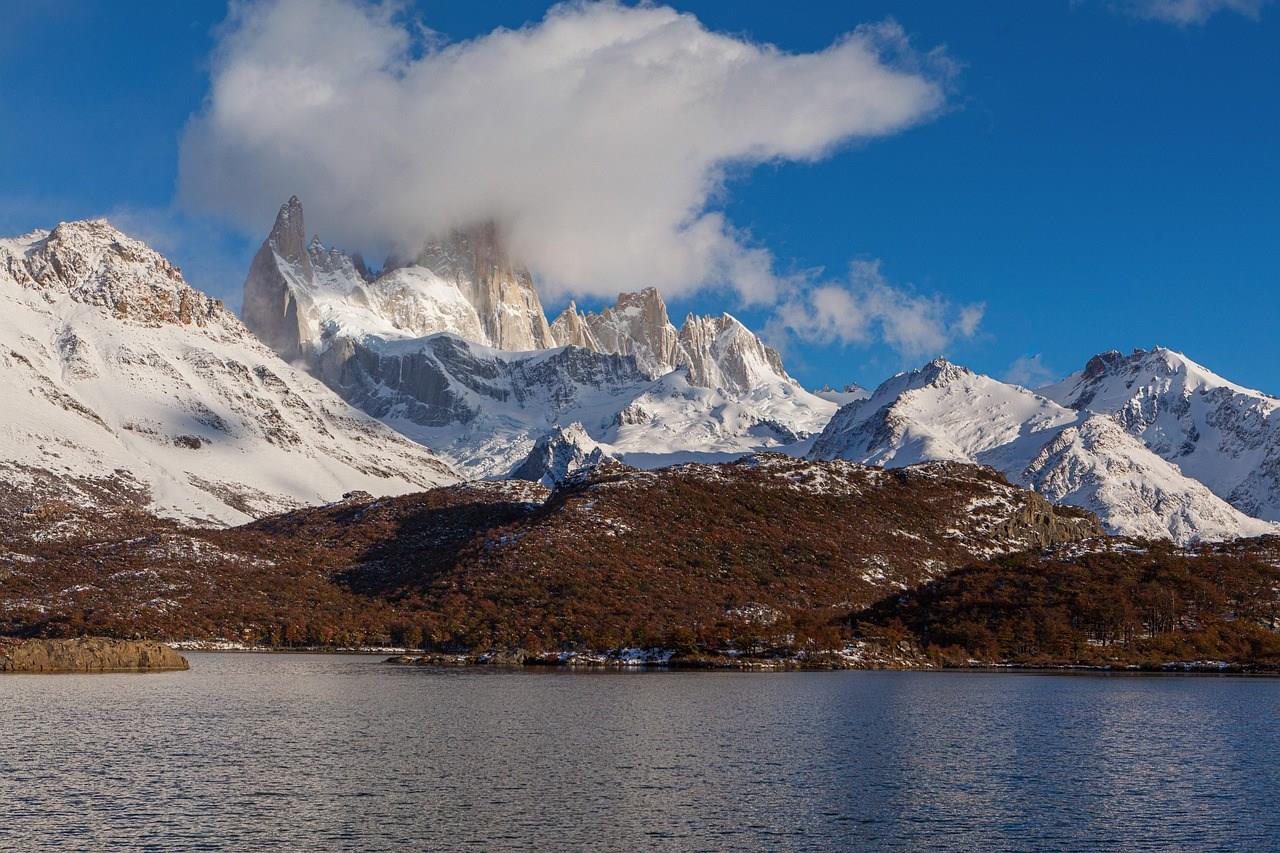
El Chaltén sits at the edge of Los Glaciares National Park in Argentina’s Patagonia region, framed by the iconic peaks of Cerro Fitz Roy and Cerro Torre. Its remote location beside the Río de las Vueltas makes it a gateway to dramatic landscapes of granite spires, glacial streams and wide steppe plains.
Isalo National Park
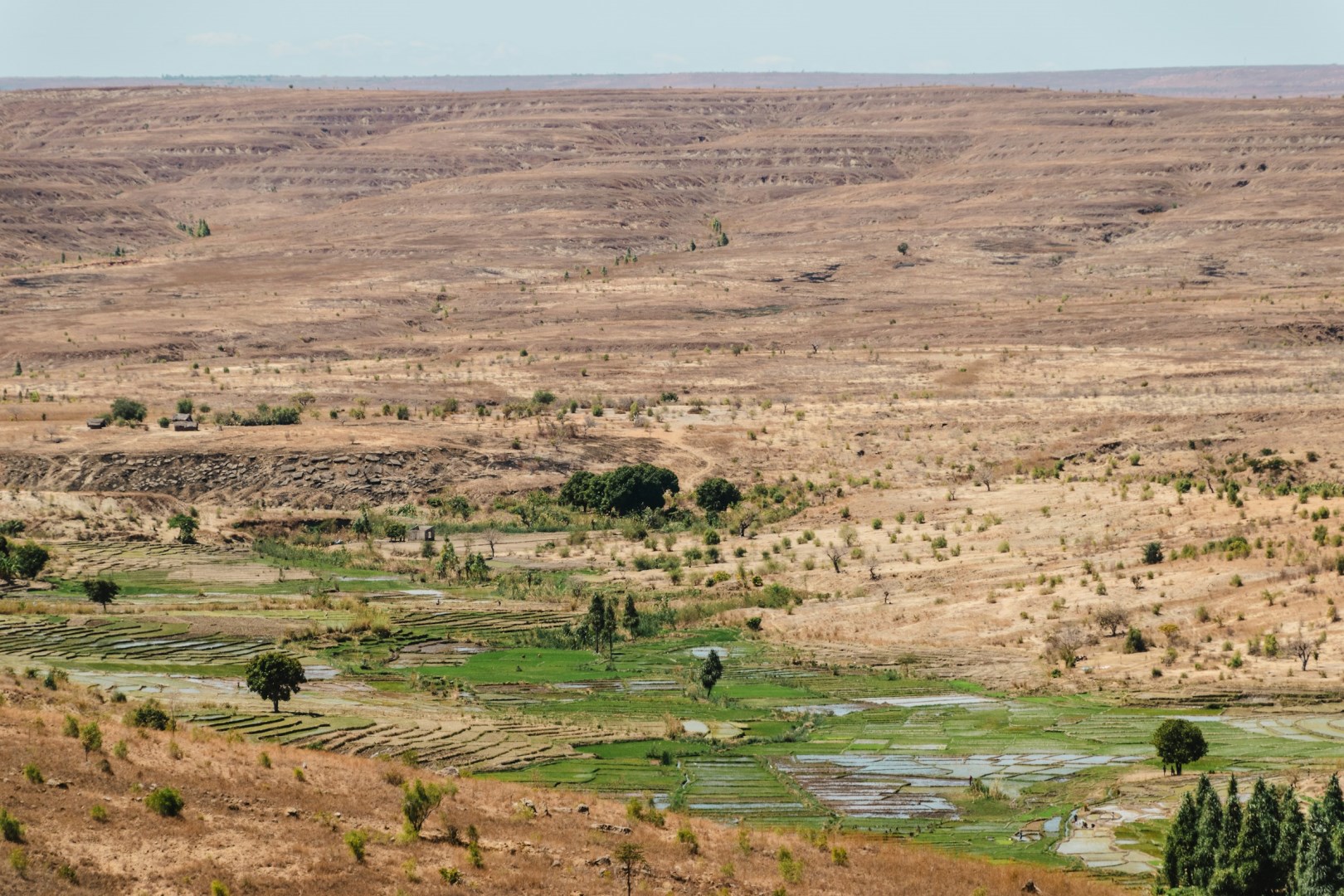
Isalo National Park lies in southern Madagascar near the town of Ranohira, protecting about 81,540 hectares of sandstone massifs, deep canyons, grasslands, forests, and rocky plateaus. Its landscape has been shaped by erosion into unusual cliffs, ridges, gorges, and isolated rock formations. The park's semi-arid climate creates strong contrasts between dry open slopes and greener canyon floors, where streams support pockets of vegetation.