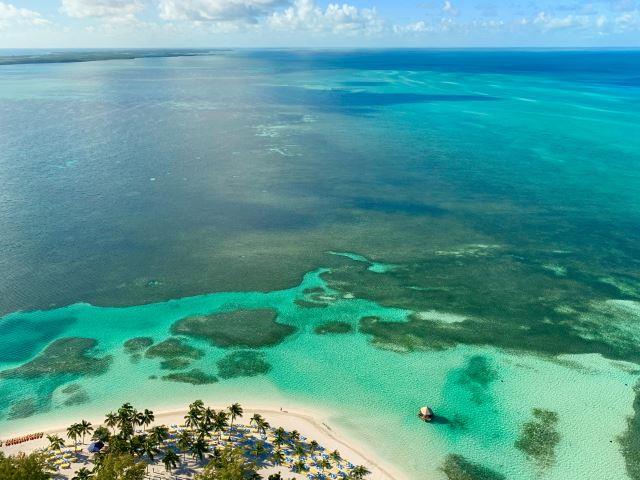
Estonia
>Estonia, a hidden gem in Northern Europe, boasts a fascinating mix of medieval charm and modern vibrancy. The capital city, Tallinn, is renowned for its well-preserved medieval Old Town, a UNESCO World Heritage Site. Wander through the cobbled streets of the Old Town, where you’ll encounter stunning Gothic architecture, including the impressive Alexander Nevsky Cathedral and the Town Hall, with its ornate spire and charming square.

Hallstatt
Nestled between the serene waters of Lake Hallstatt and the towering Dachstein mountains, Hallstatt, Austria, is a picturesque gem that seems almost too perfect to be real. This UNESCO World Heritage site is renowned for its stunning alpine scenery and charming architecture. Wander through the narrow streets lined with 16th-century houses and experience the timeless beauty that has captivated visitors for centuries.
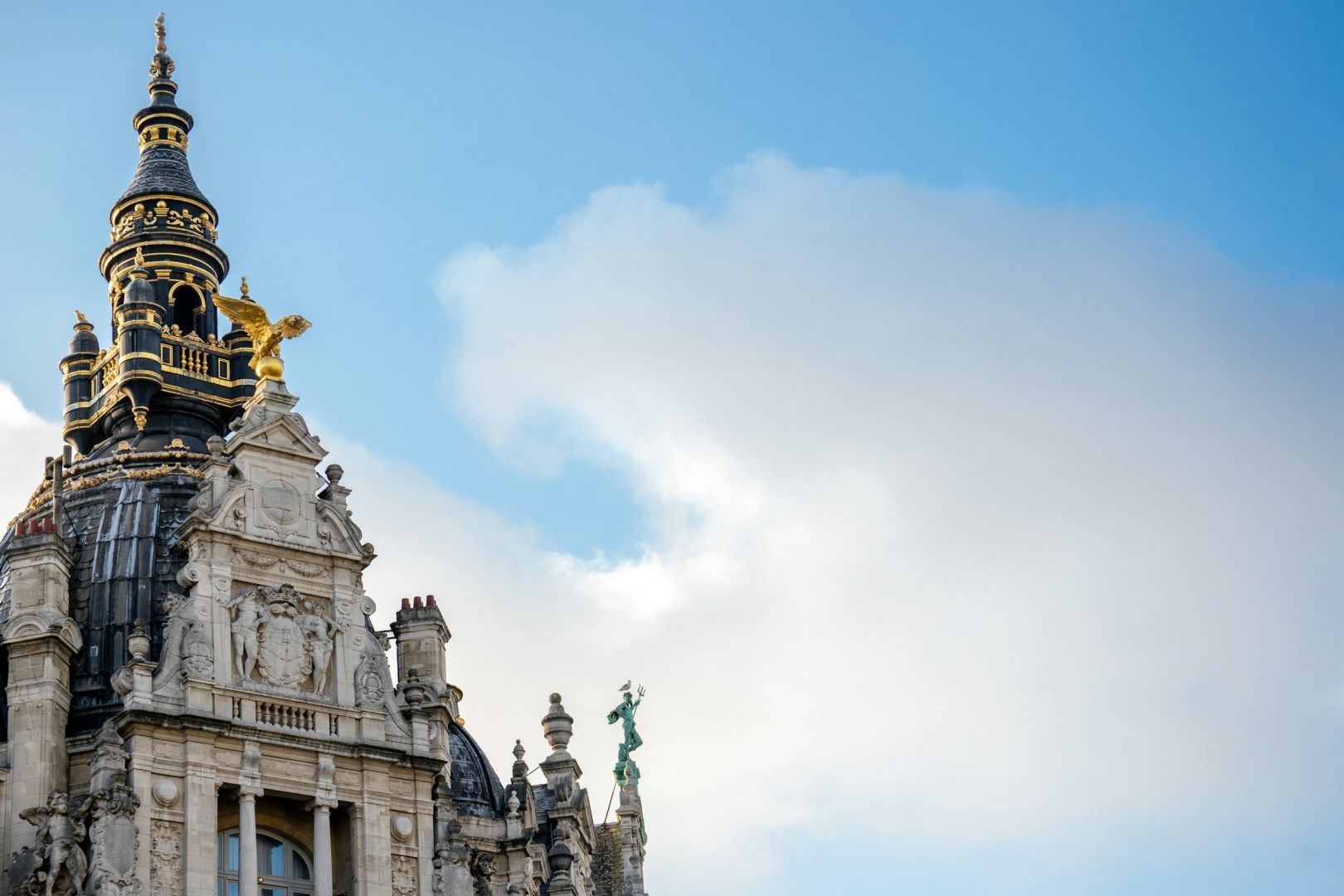
Antwerp
A major port city on the River Scheldt, Antwerp, Belgium, is a cultural, historical, and commercial hub and the country's most populous city. Known as the "diamond capital of the world," Antwerp is renowned for its cut diamonds.

Kuopio
Kuopio, Finland, offers a perfect blend of natural beauty and cultural richness, making it an alluring destination for visitors. Nestled in the heart of the Finnish Lakeland, Kuopio is surrounded by the serene waters of Lake Kallavesi, offering stunning panoramic views from the famous Puijo Tower. This 75-meter observation tower provides a sweeping vista of the lake and the rolling hills.
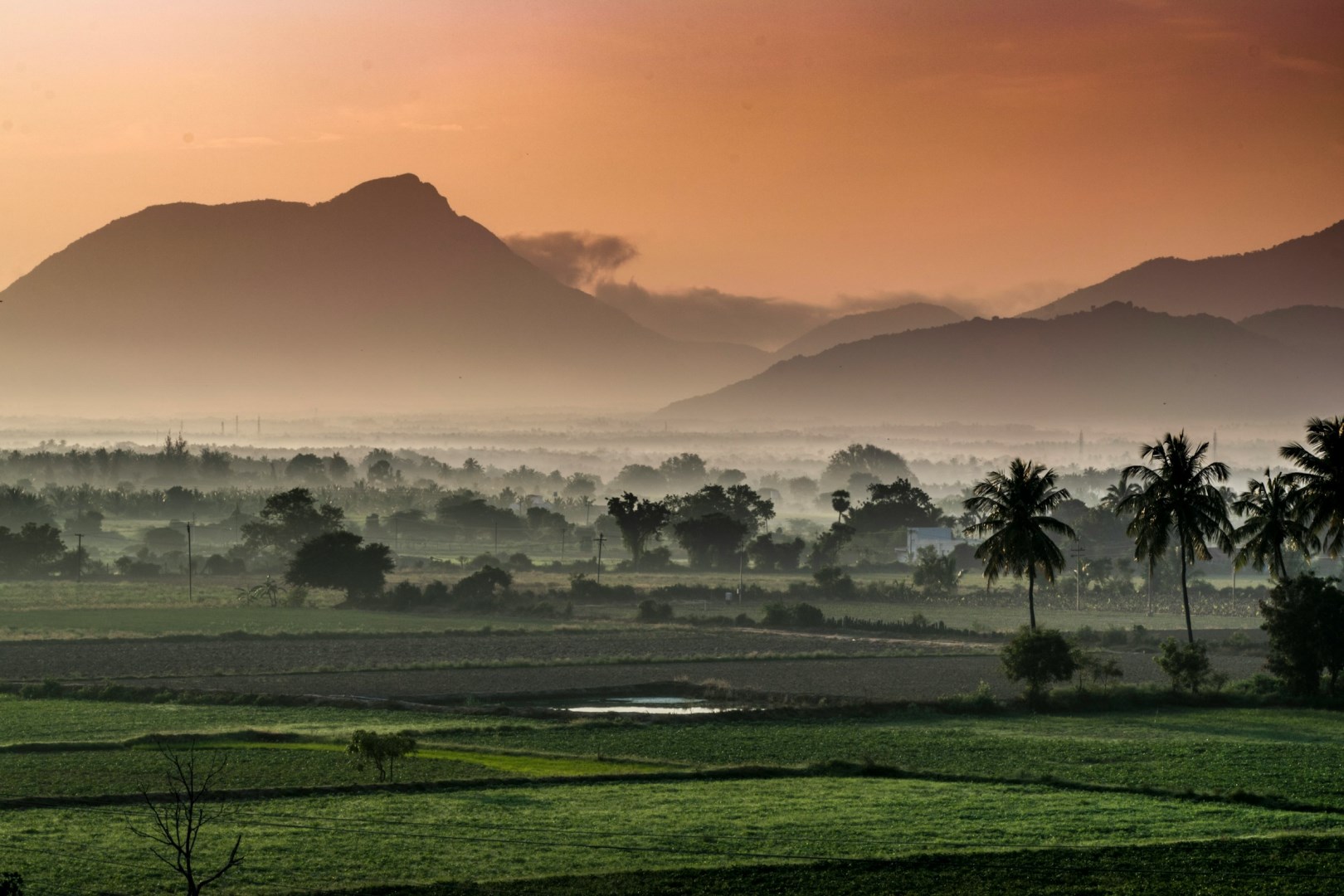
Tamil Nadu
Tamil Nadu occupies India’s southeastern corner, stretching from the Coromandel Coast to the forested Western Ghats and the dry interior plains. The state is distinguished by its extensive network of Hindu temples, classical arts, coastal landscapes, fertile river deltas, and hill regions such as the Nilgiris. Chennai is the state capital and a major centre for commerce, music, cinema, and education