M'diq
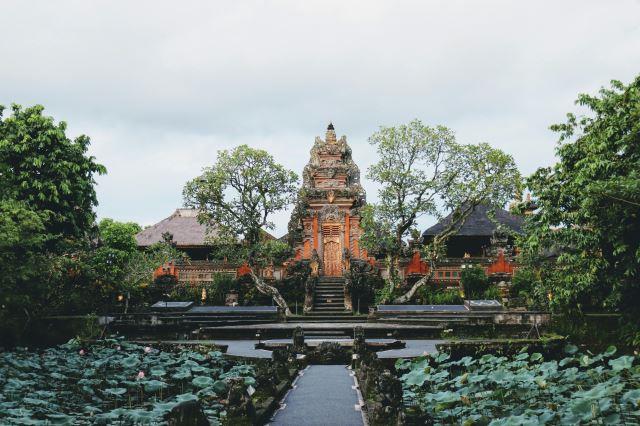
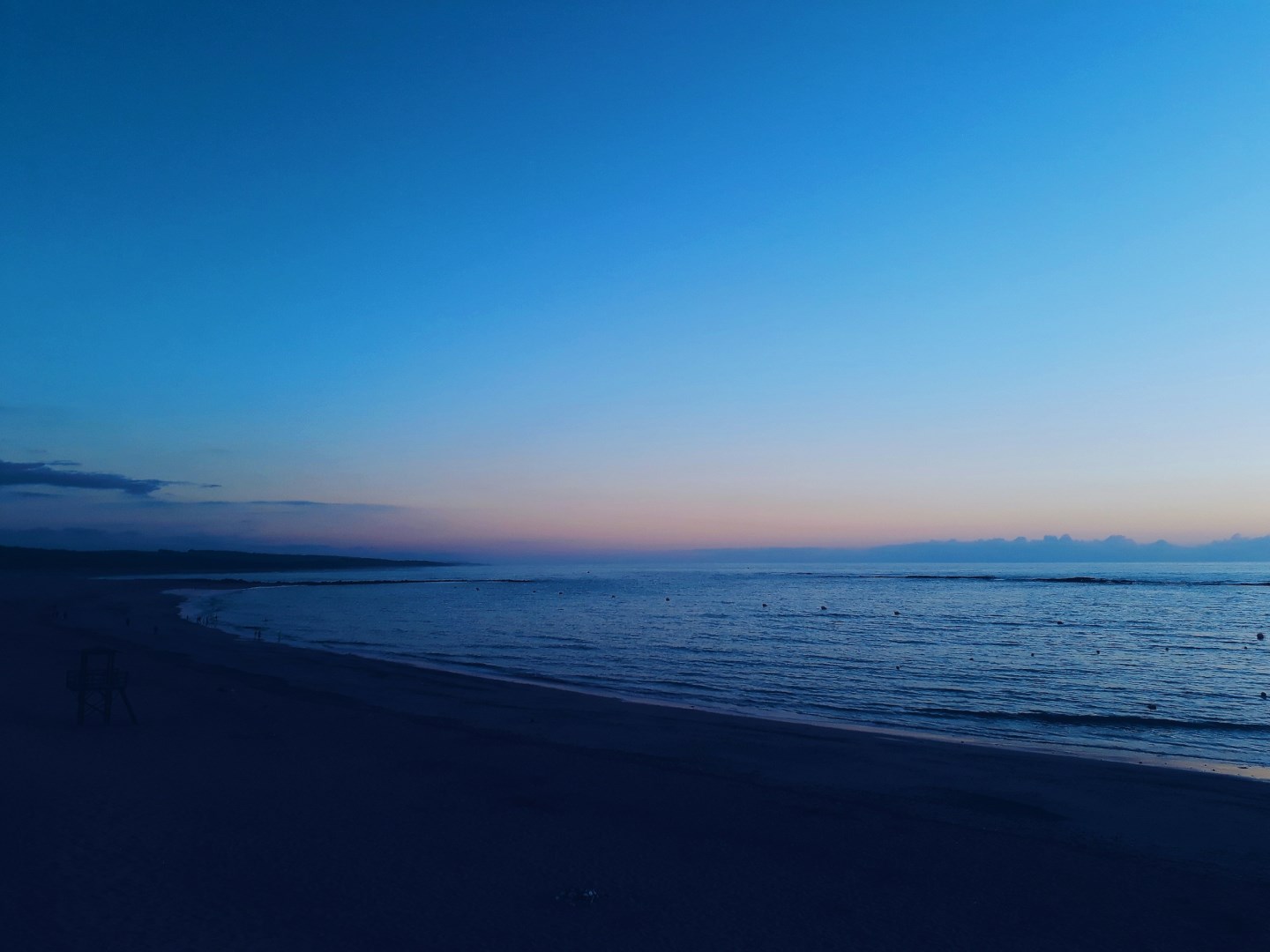
M’diq is a coastal town on Morocco’s Mediterranean shore, situated between Tetouan and Fnideq along the sheltered waters of Tamuda Bay. The town combines a working fishing port with a long sandy beach, a seafront promenade, and access to nearby marinas. Its position at the foot of the Rif Mountains gives the coastline a backdrop of wooded hills, while the Mediterranean provides calm waters for swimming and boating.

Oporto
The city of Oporto is situated on the right bank of the River Douro, being the second largest city of the country. Oporto is the regional capital of the northern area.
Takayama
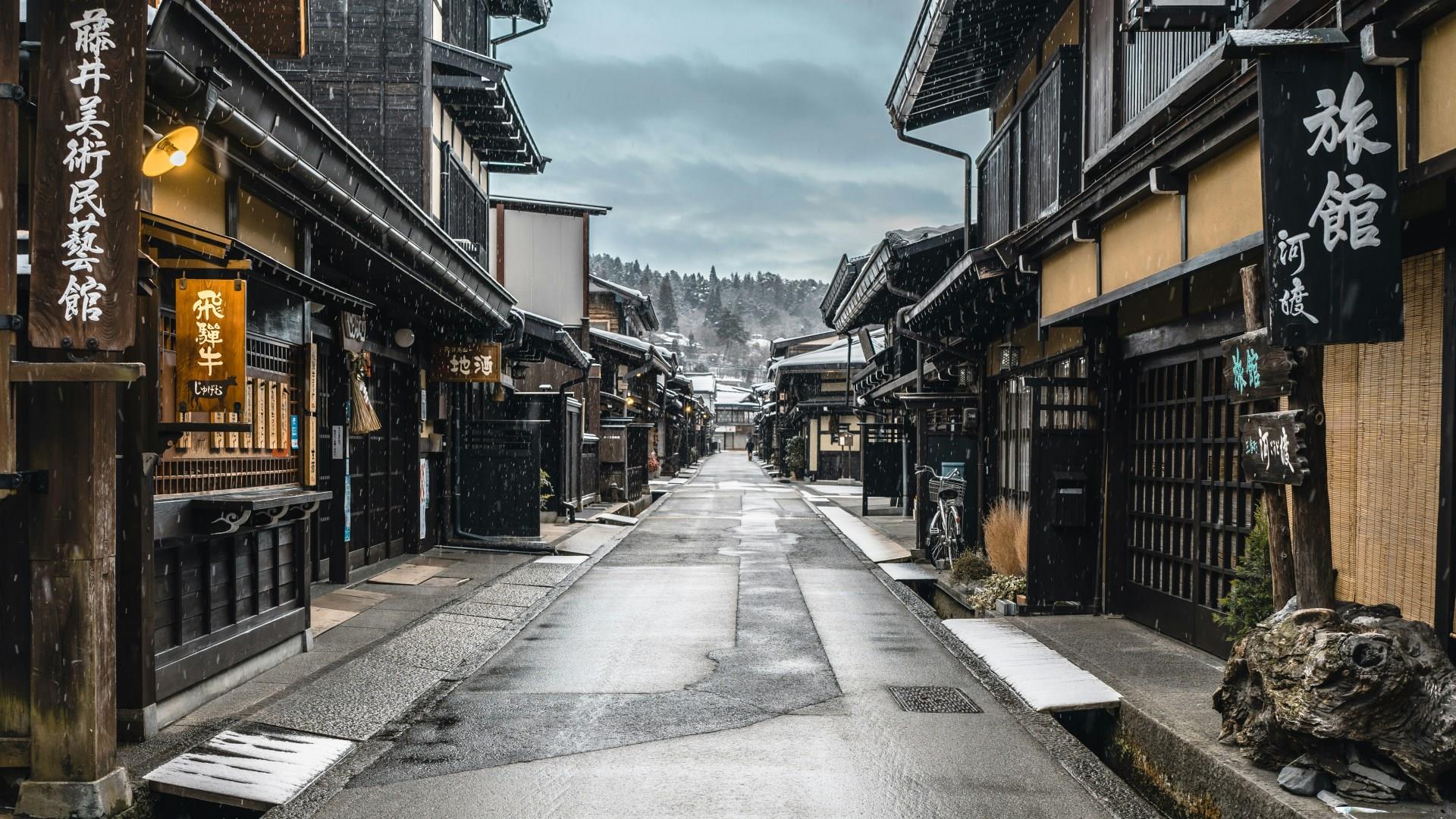
Takayama, located in Japan’s mountainous Gifu Prefecture, is a city where traditional culture and natural beauty are remarkably well preserved.

Civitavecchia
This pleasant port town provides a nice, calmer contrast to bustling Rome, so travelers are advised to not simply pass through, but linger and discover more of Civitavecchia. Explore Forte Michelangelo, shop at Corso Centocelle, see the neoclassical Trajan Theatre, and delve into the therapeutic Taurine Baths of Civitavecchia.
Nosara
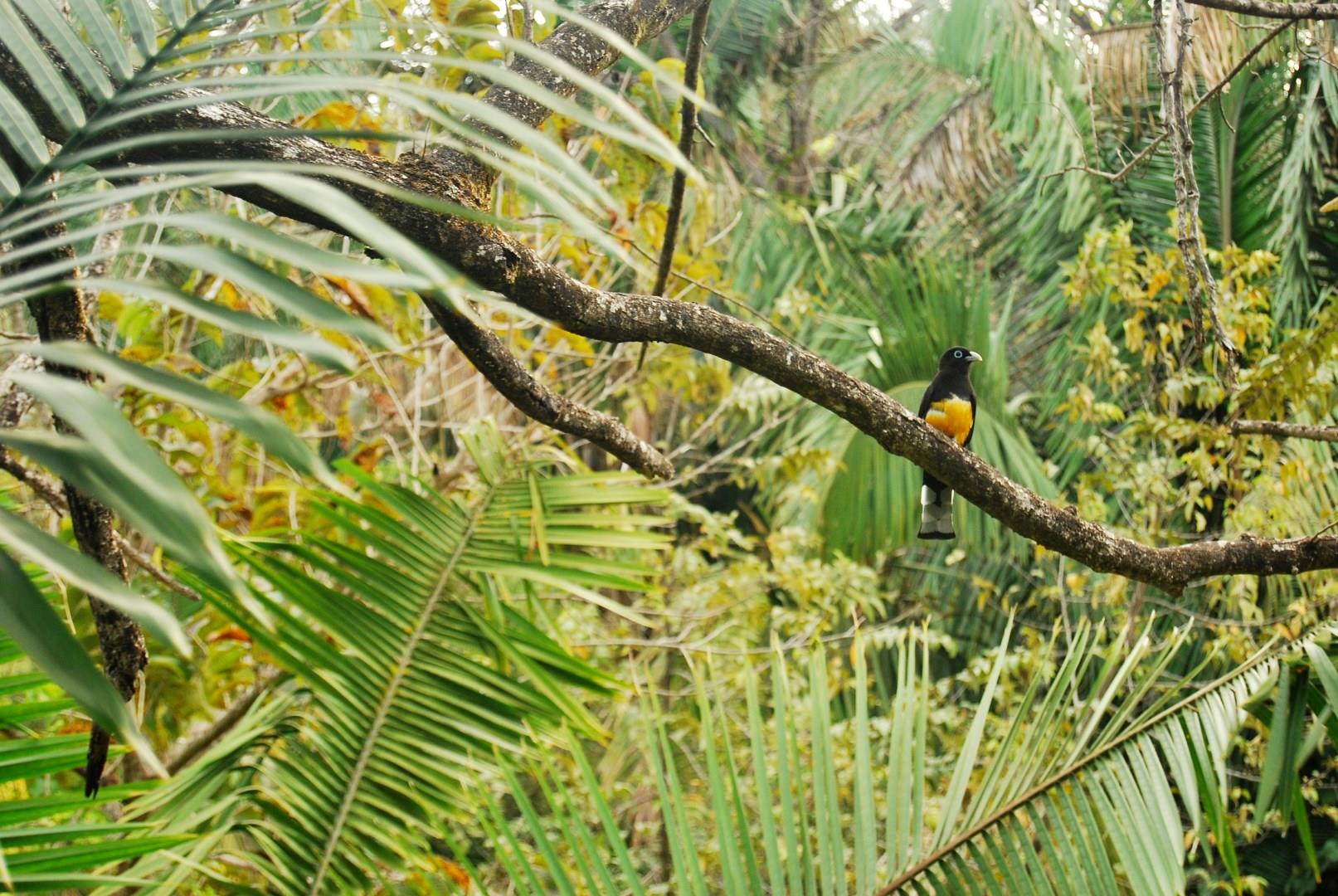
Nosara, on Costa Rica’s Nicoya Peninsula, is a laid-back coastal town known for its strong connection to wellness, nature, and surf culture. Unlike some of the country’s busier resorts, Nosara has kept development low-key, with no large beachfront hotels and a community that values sustainability.