Suez
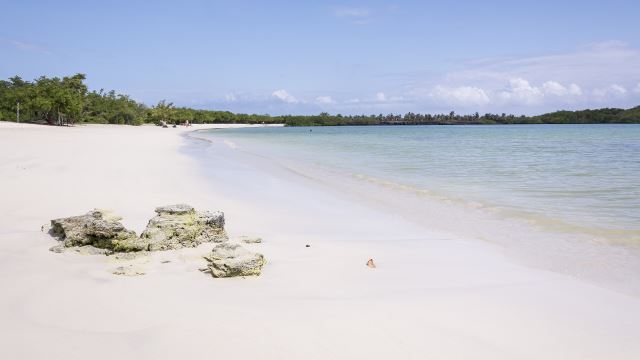
Suez, Egypt, is a city of historical significance and strategic importance, making it an intriguing destination for travelers. Located at the southern end of the Suez Canal, this city has been a key player in global trade and naval history for over a century. Suez is not only a gateway to the world-renowned canal but also a place rich in history and culture.
Turkistan
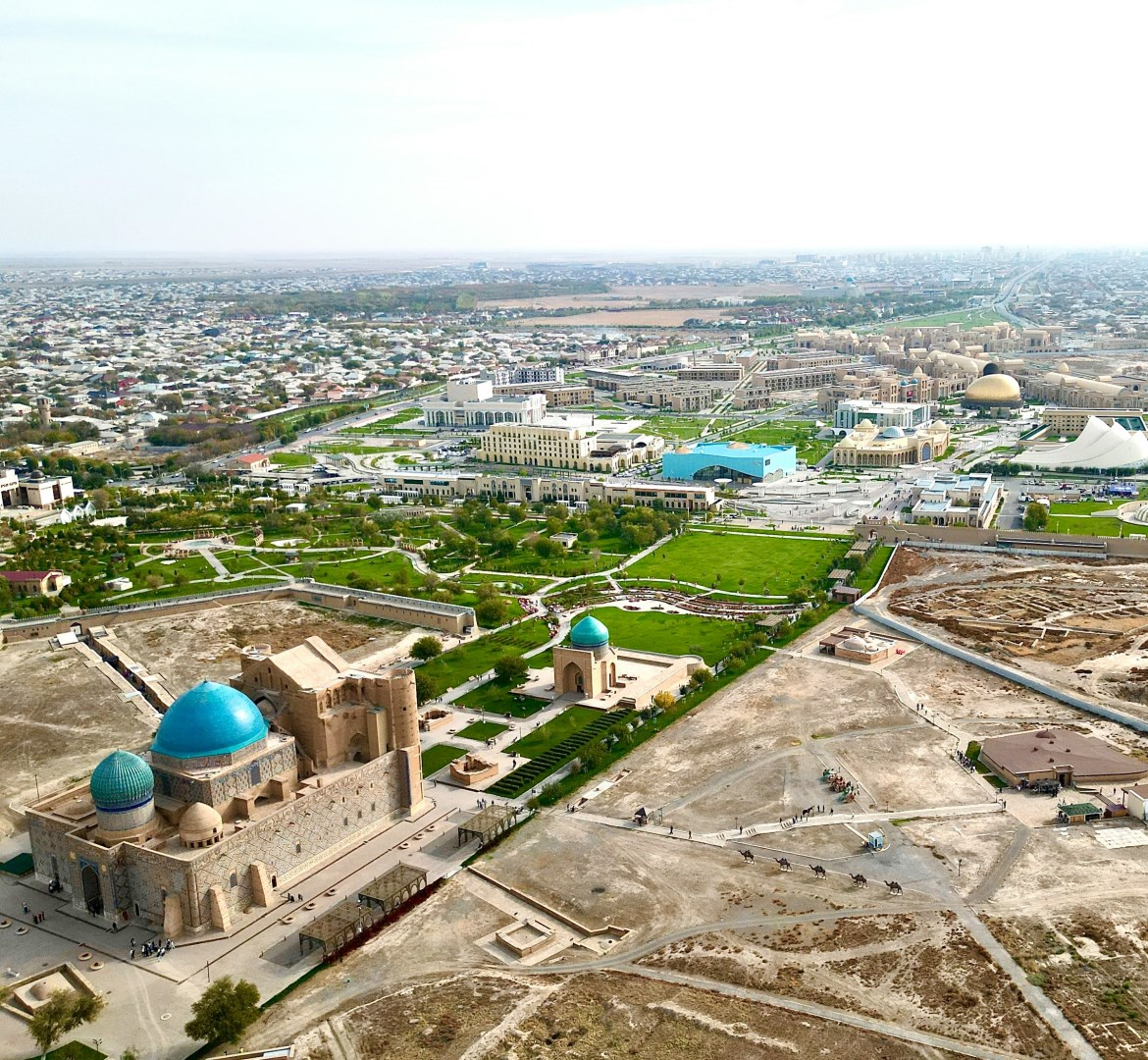
Turkistan is a historic city in southern Kazakhstan and an important center of Islamic culture in Central Asia. Located in the Turkistan Region, the city developed around an oasis landscape between the Syr Darya River and the Karatau Mountains. Its best-known landmark is the Mausoleum of Khoja Ahmed Yasawi, a monumental Timurid-era building and UNESCO World Heritage site.
Jellyfish Lake
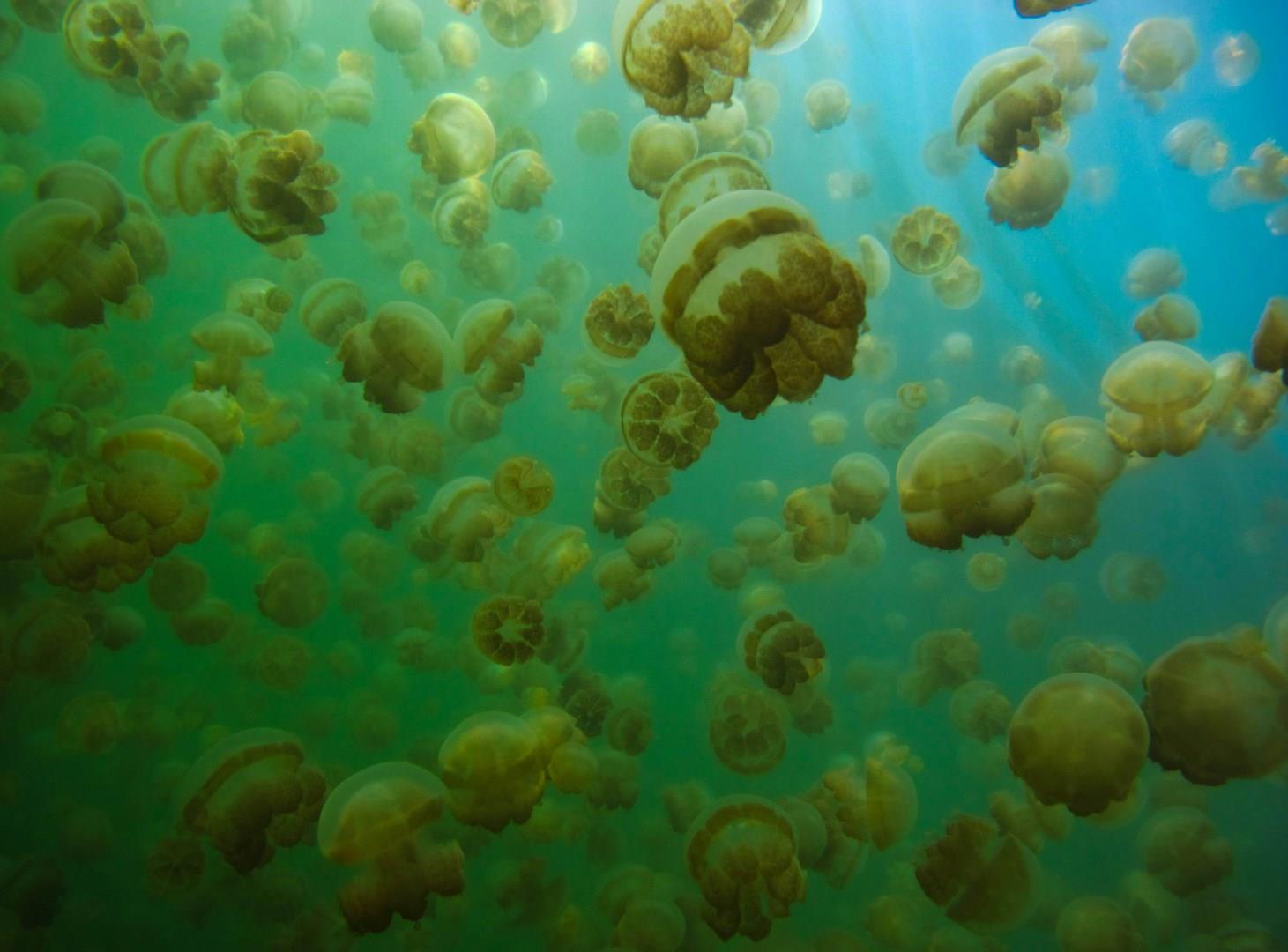
Jellyfish Lake is a shadowed oasis hidden among the mushroom-like Rock Islands of Palau. This forest‑fringed saltwater lake invites visitors to float with millions of gentle, stingless jellyfish that glow like drifting amber clouds under emerald light. The lake formed about 12,000 years ago, when rising seas flooded an ancient reef basin that was gradually cut off from the ocean. Over centuries, its jellyfish evolved in isolation, shedding their stings and multiplying without predators in sight.
Tenby
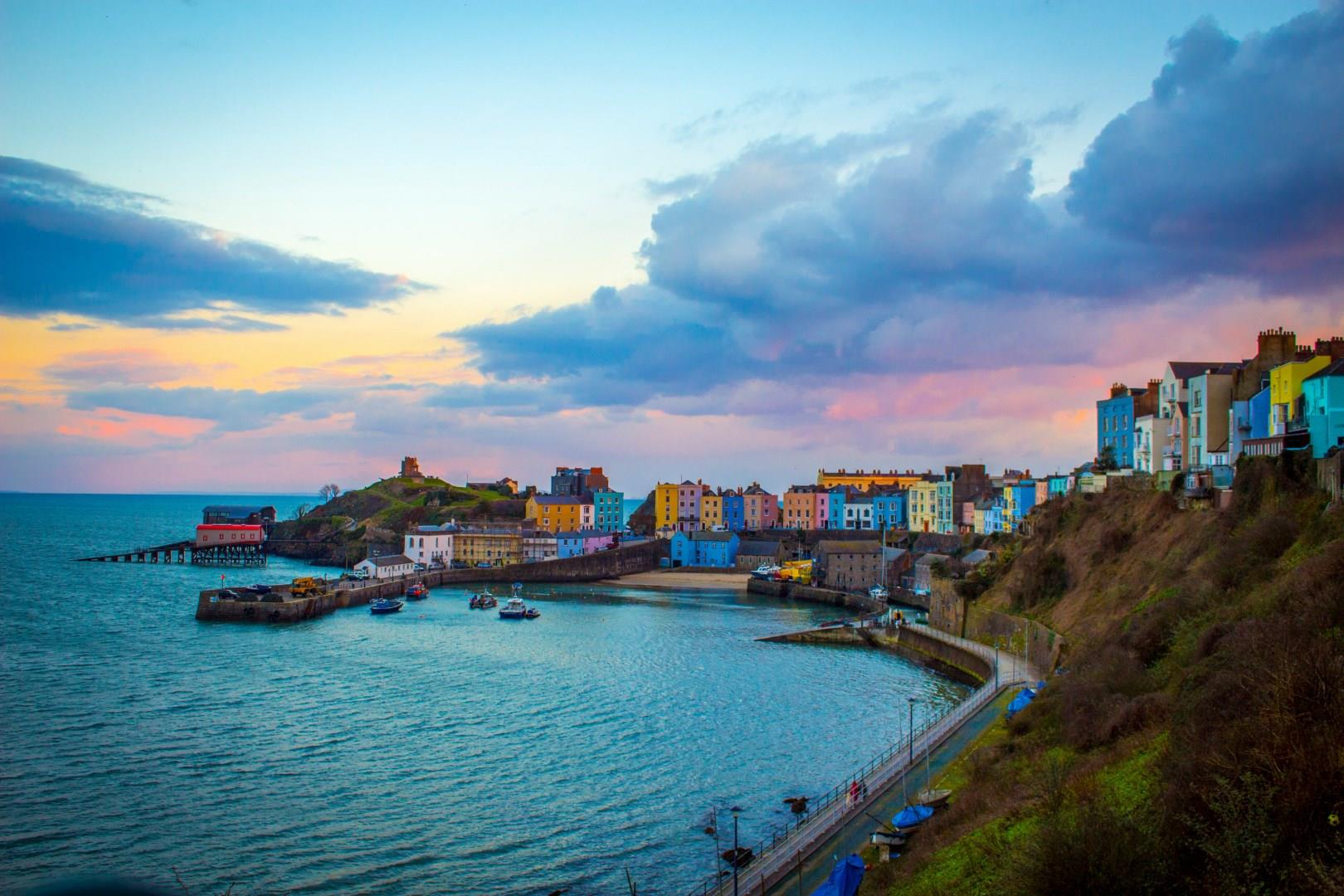
Tenby sits on the Pembrokeshire coast of southwest Wales, where medieval walls still encircle a compact town above the sea. Its history as a fortified port is visible in stone ramparts, narrow lanes, and the ruins of Tenby Castle, which overlook the harbor.
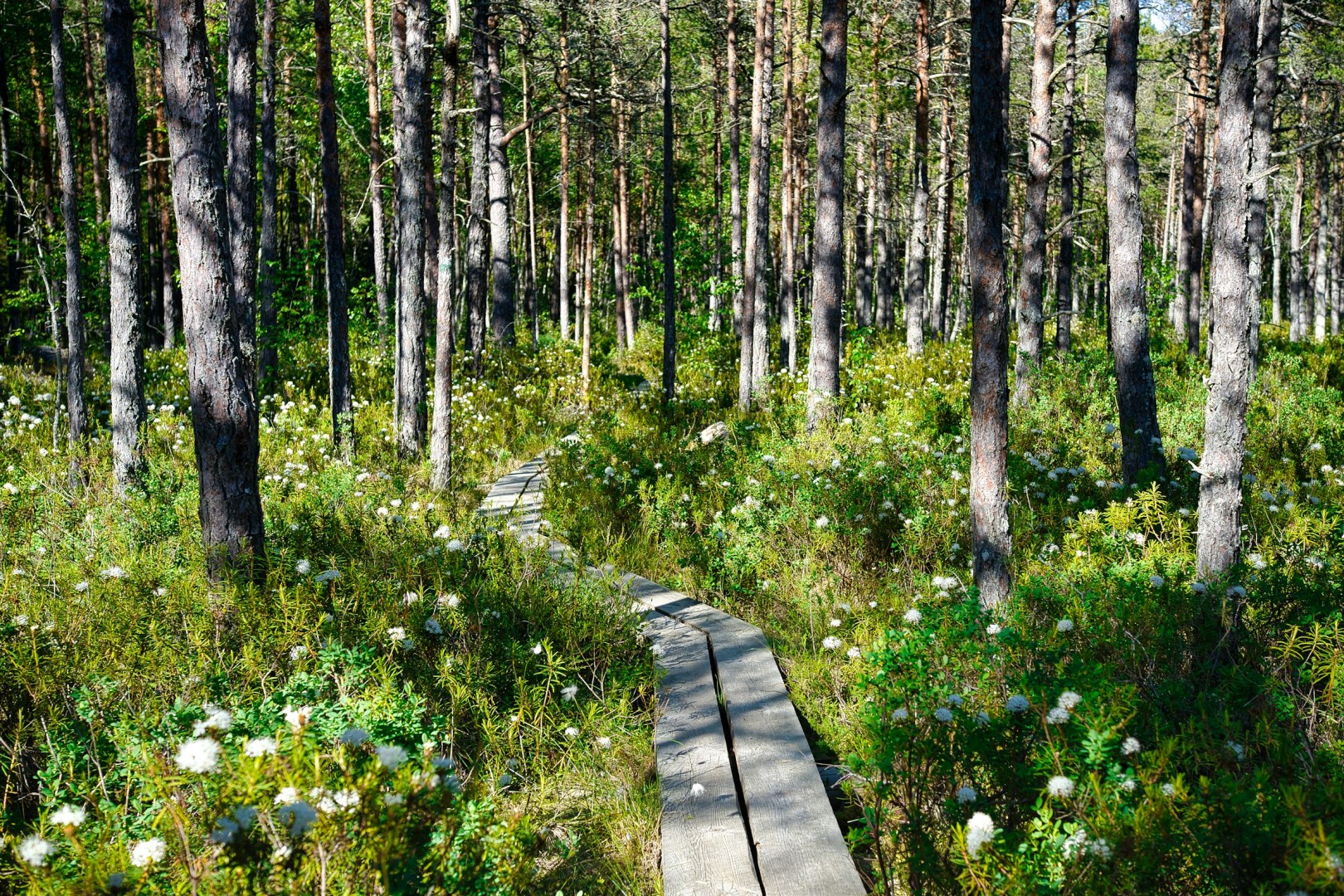
Lahemaa National Park
Lahemaa National Park is a large protected area on Estonia’s northern coast, facing the Gulf of Finland and combining forests, wetlands, rocky shores, sandy beaches, and small islands. It is Estonia’s oldest and largest national park, with landscapes that change noticeably between the coast and the inland forests. The park also protects cultural heritage, including traditional fishing villages, historic manor estates, and old farm landscapes.