Ilok
Ilok, the easternmost town in Croatia on the Danube River, may be small but it has a lot to offer. A well-preserved Franciscan monastery and a 15th century castle make it a popular day trip for domestic as well as foreign tourists. Its wine-making tradition is even older; some say the region's viniculture dates back as early as 280 AD.
Yellowknife
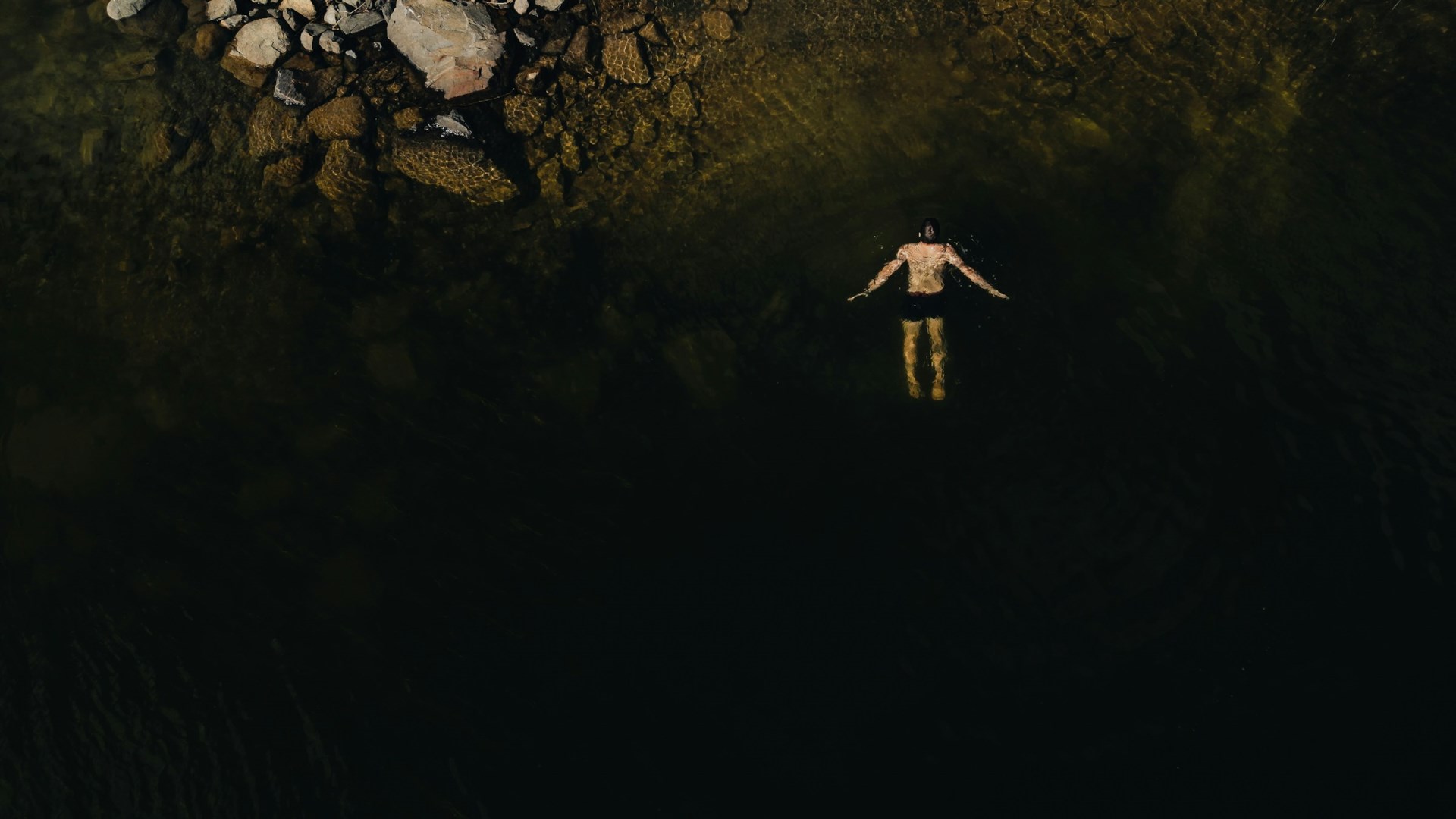
Yellowknife is the capital of the Northwest Territories, set on the rocky northern shore of Great Slave Lake amid the forests and exposed Canadian Shield of the subarctic. The city developed around gold mining and later became the territorial centre for government, commerce, transportation, and northern services. Today, Yellowknife serves as a gateway to the wider Northwest Territories and the Canadian Arctic. Its location beneath the auroral oval makes the northern lights a defining feature.
Santander
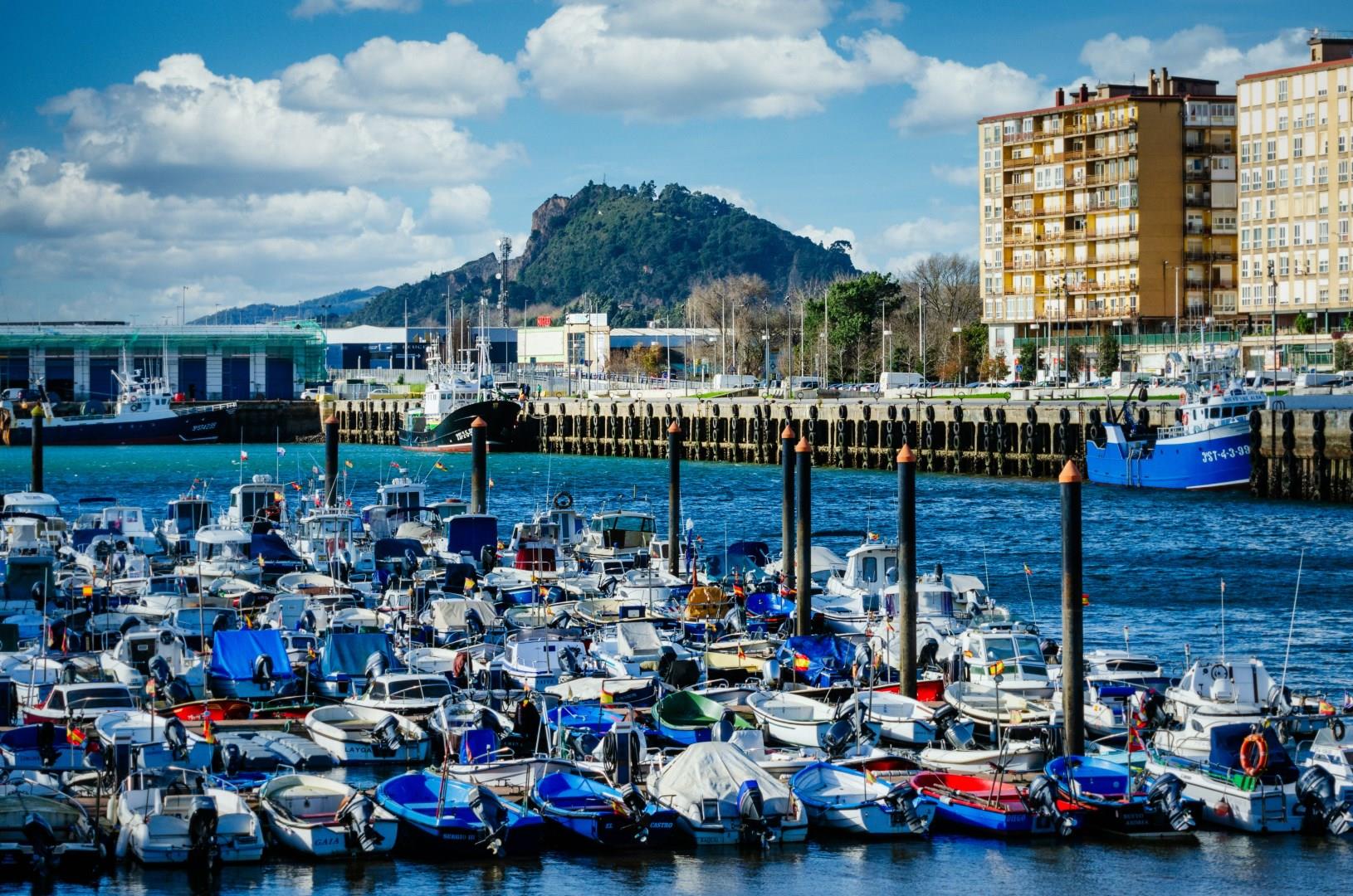
Santander, the capital of Spain’s Cantabria region, sits along the Bay of Biscay and offers travelers a mix of coastline, culture, and history shaped by centuries of maritime life. Once a bustling port for Castilian exports, Santander saw its golden age in the 19th century when Spanish royalty turned it into a summer retreat. The legacy of that era remains visible at the Palacio de la Magdalena, perched on a peninsula with views of the sea and home to royal stables, a mini zoo, and guided tours.
Paris
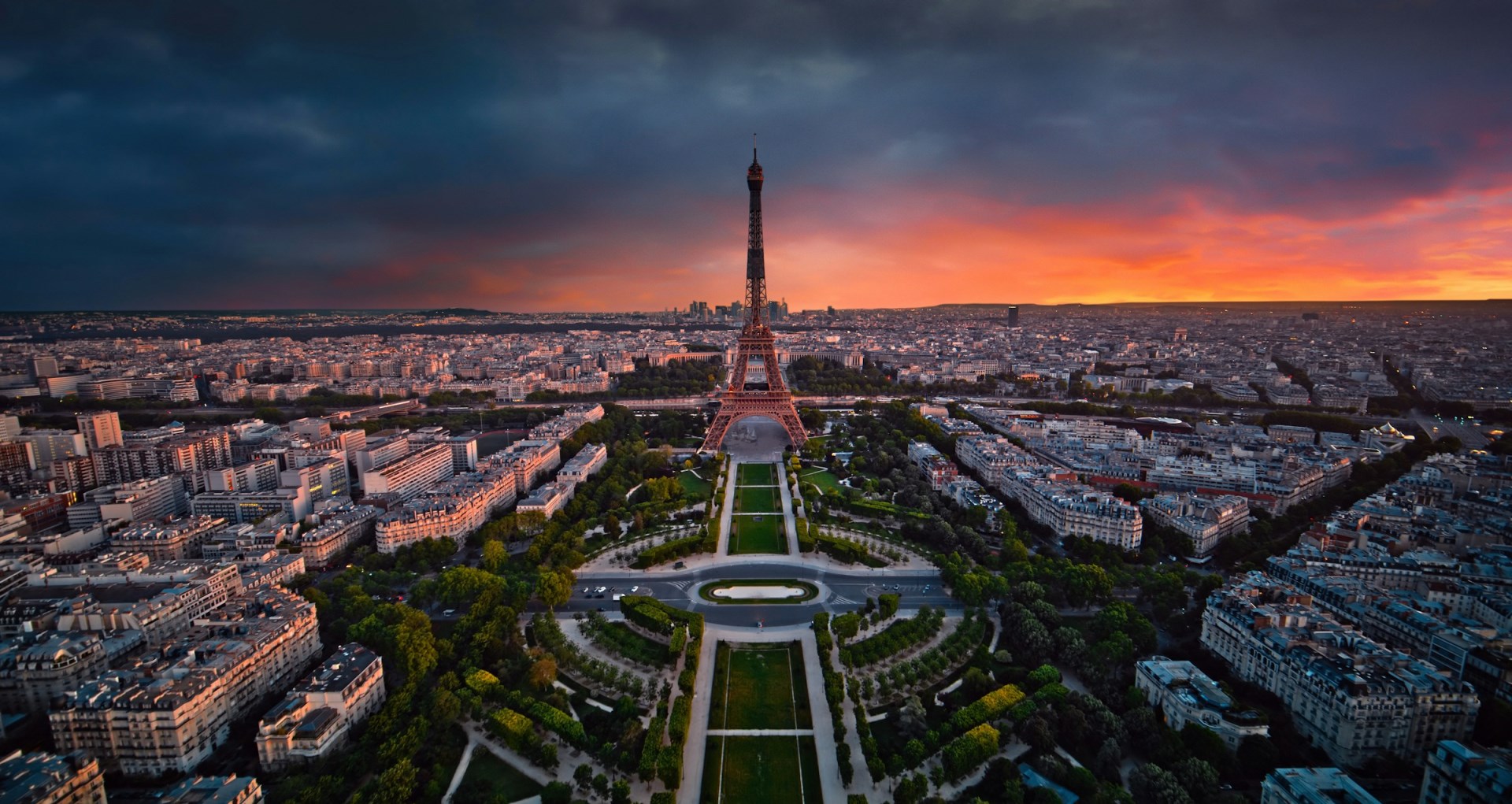
France's capital and most populated city, Paris is an alluring destination and an essential stop for any global traveler. A center of fashion, gastronomy, and the arts. Major tourist attractions in the City of Lights include the Eiffel Tower (such great heights!), the Louvre (home of the Mona Lisa and Venus de Milo), the Arc de Triomphe, and Grand Palais.
Ulaanbaatar
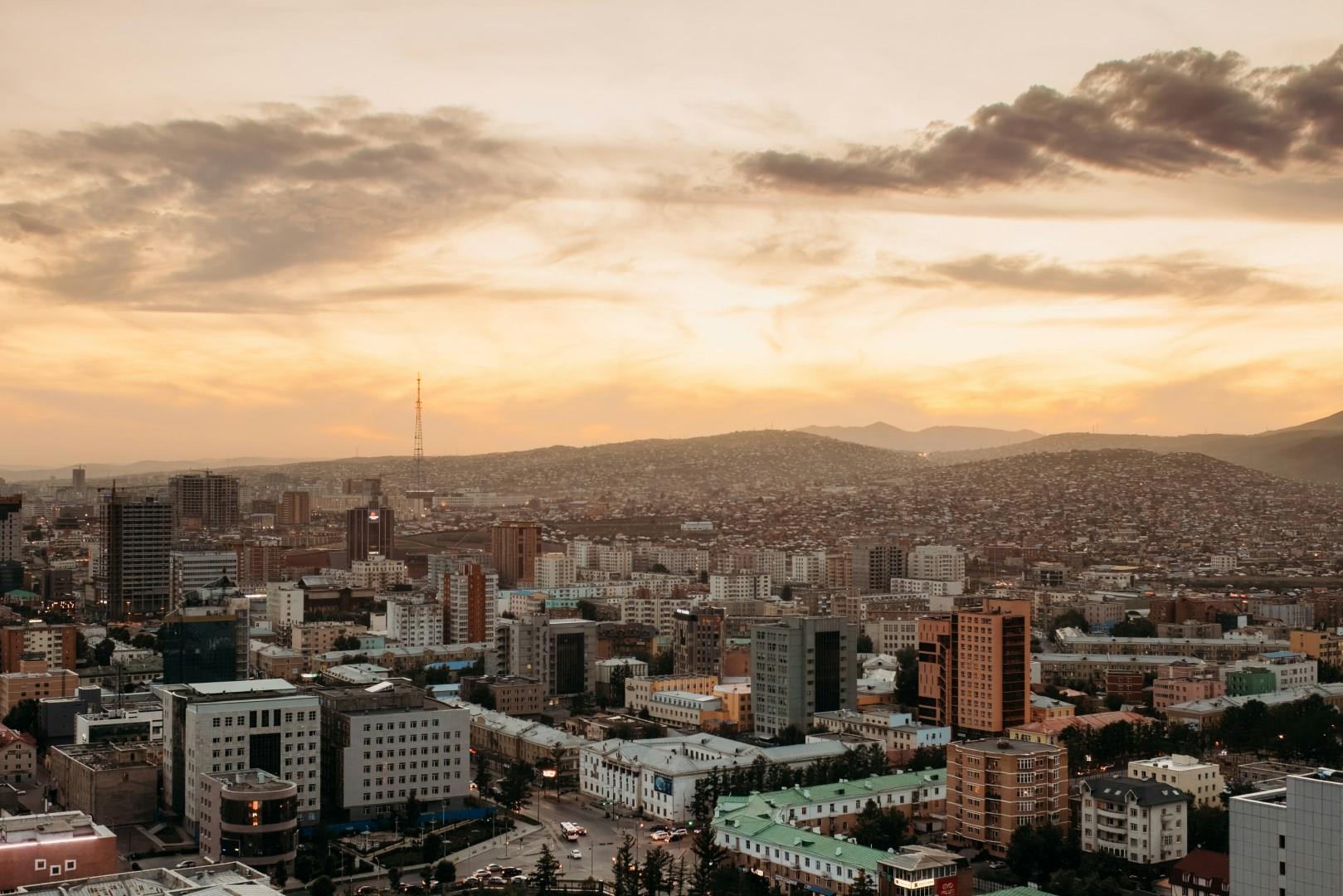
Ulaanbaatar, the capital of Mongolia, is a city where tradition and modern life intertwine. Nestled in a valley surrounded by mountains, it serves as the country’s cultural, political, and economic hub. The city’s skyline features a mix of Soviet-era architecture, Buddhist monasteries, and contemporary high-rises.