Aceh
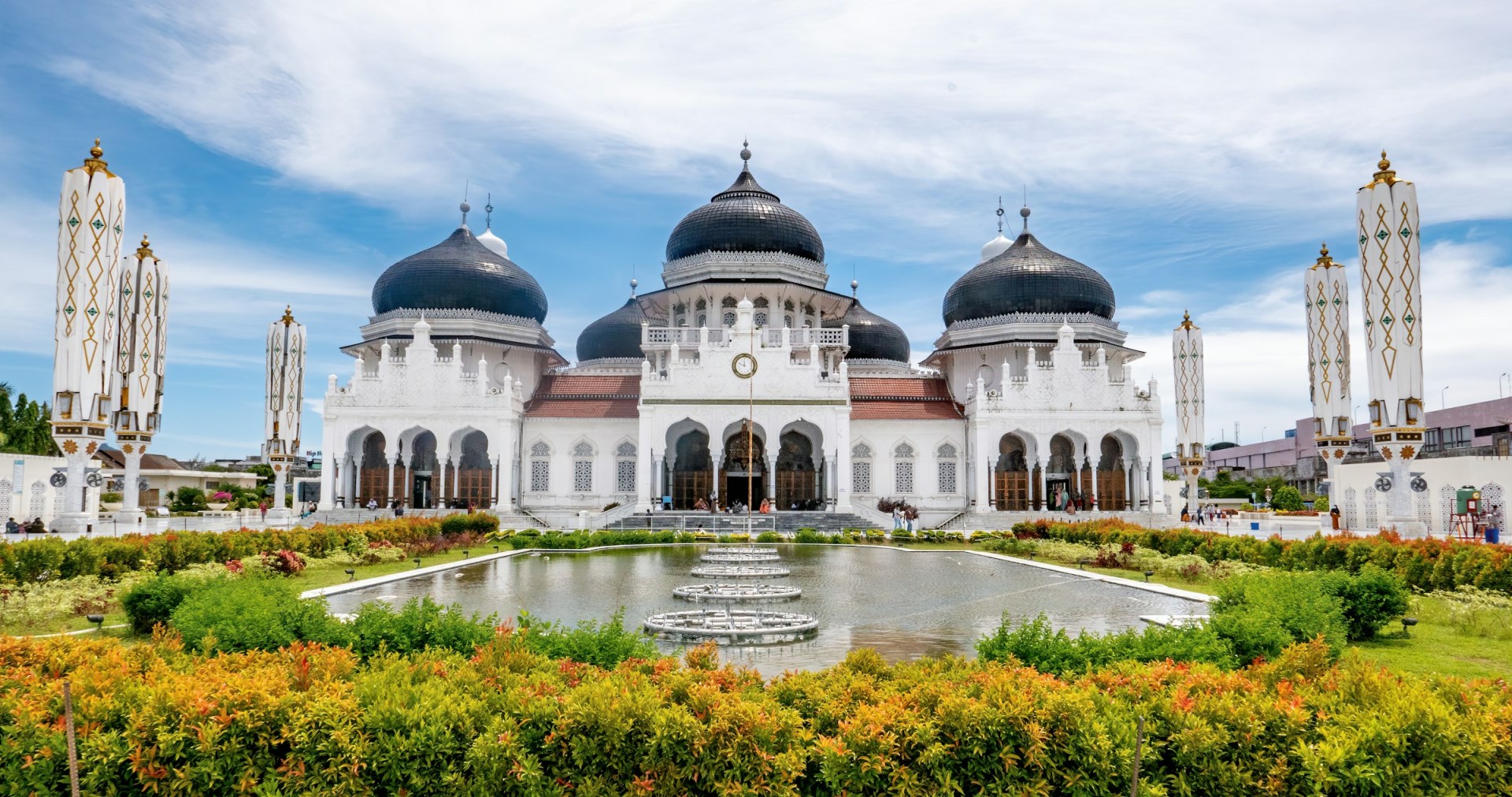
Aceh is a province at the northern tip of Sumatra, with Banda Aceh as its capital and a coastline facing the Andaman Sea, Malacca Strait, and Indian Ocean. Its identity is strongly shaped by Islam, local adat traditions, and a long history of sultanates and maritime trade. Banda Aceh’s Baiturrahman Grand Mosque is one of the province’s best-known landmarks, while the Aceh Tsunami Museum documents the devastating Indian Ocean tsunami and its lasting impact on local communities.
Molokai Island
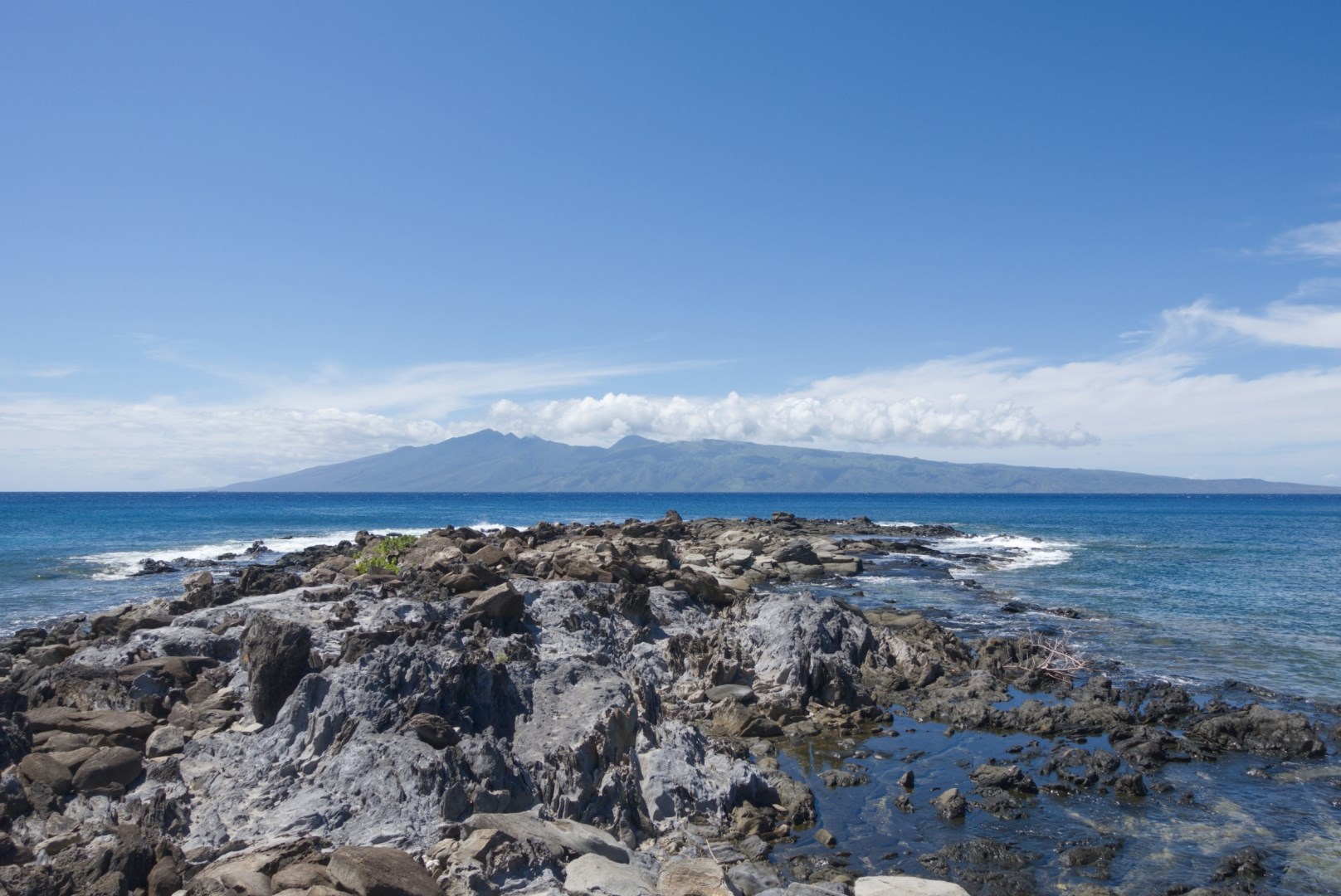
Molokai, island, in Kalawao County, administered by Maui County, central Hawaii, between Oahu and Maui islands, known as the Friendly Island. On the southern coast of Molokai is the port of Kaunakakai. The island rises to 1512 m (4961 ft) in the east at Kamakou Peak. Pineapples, coffee, and cattle are raised. In 1873Father Damien, the Belgian Roman Catholic missionary, began his work in the leper colony of Kalawao on the Kalaupapa Peninsula of northern Molokai.
Fianarantsoa
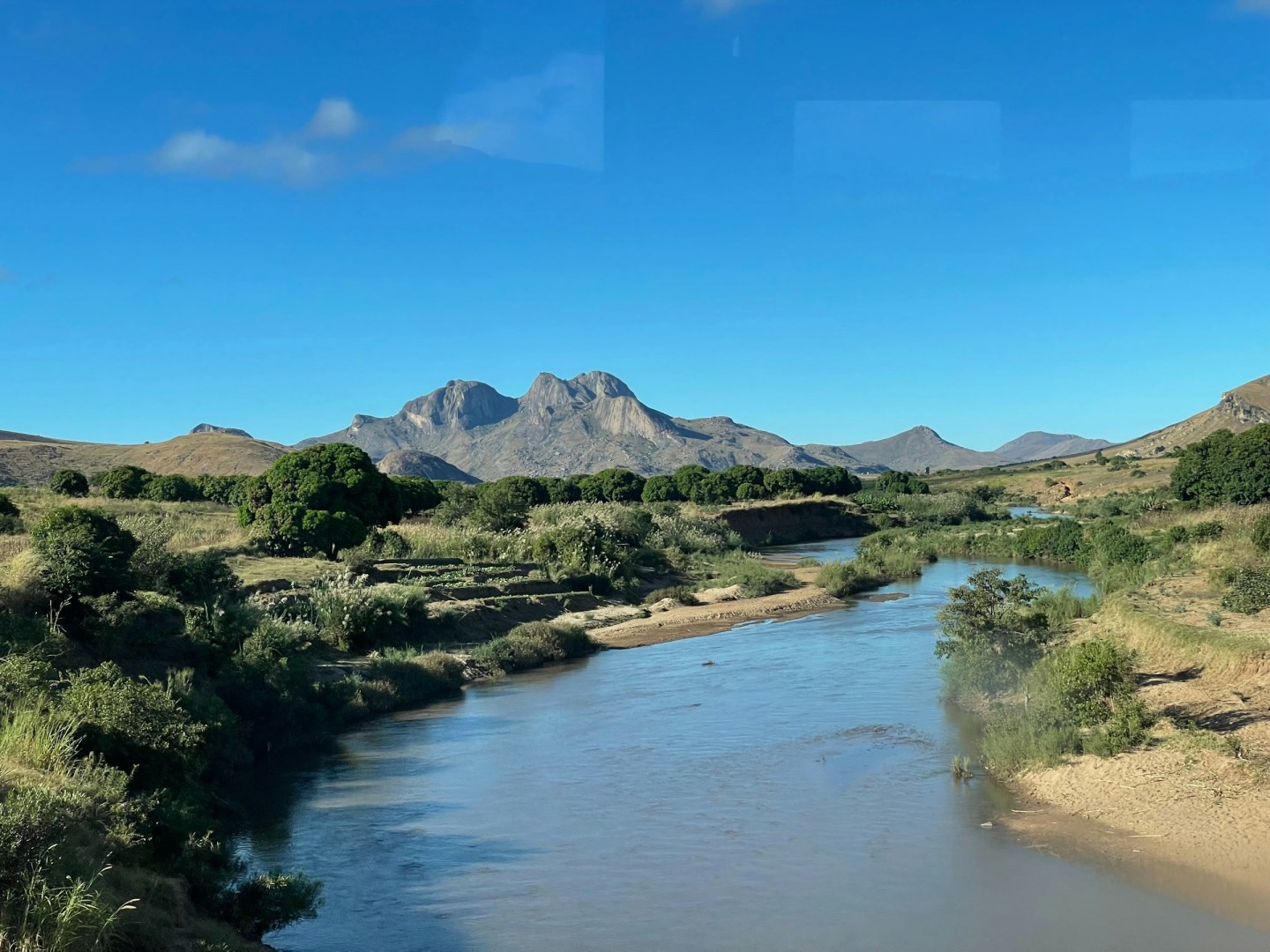
Fianarantsoa is a hilltop city in Madagascar’s central highlands and the capital of Haute Matsiatra region. Its name means “place of good learning,” reflecting the city’s long association with education and religious institutions. Built across a series of hills, Fianarantsoa overlooks valleys filled with rice fields, farmland, and scattered villages.
Dingboche
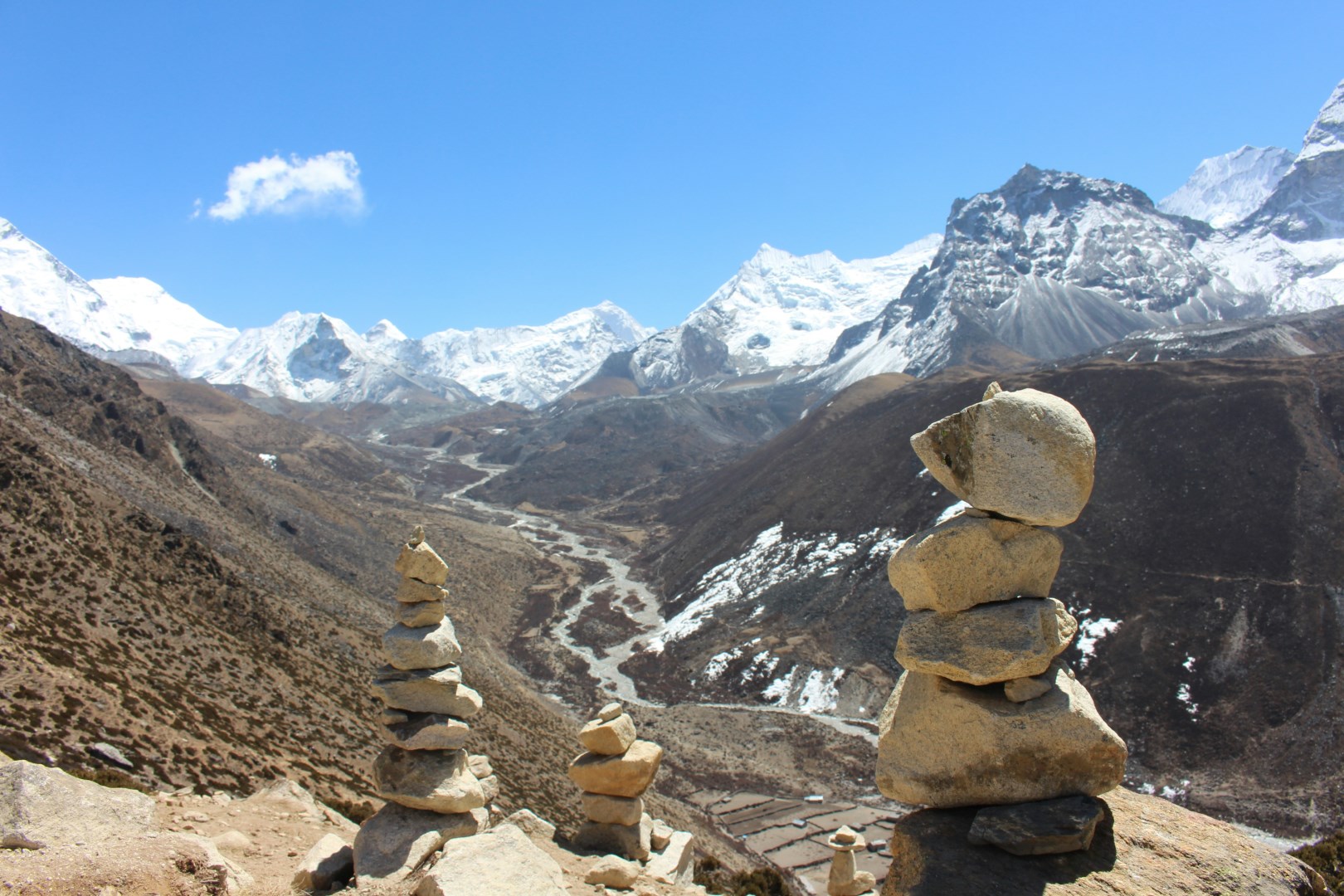
Set in a wide valley beneath towering Himalayan peaks, Dingboche offers a striking pause along the route toward Mount Everest. Unlike the narrower trails below, Dingboche opens into a broad landscape framed by snow-covered giants such as Ama Dablam and Lhotse. The village sits high above the tree line, where the air feels thin and clear, and the surrounding terrain shifts from forested slopes to open alpine ground.
Peak District National Park
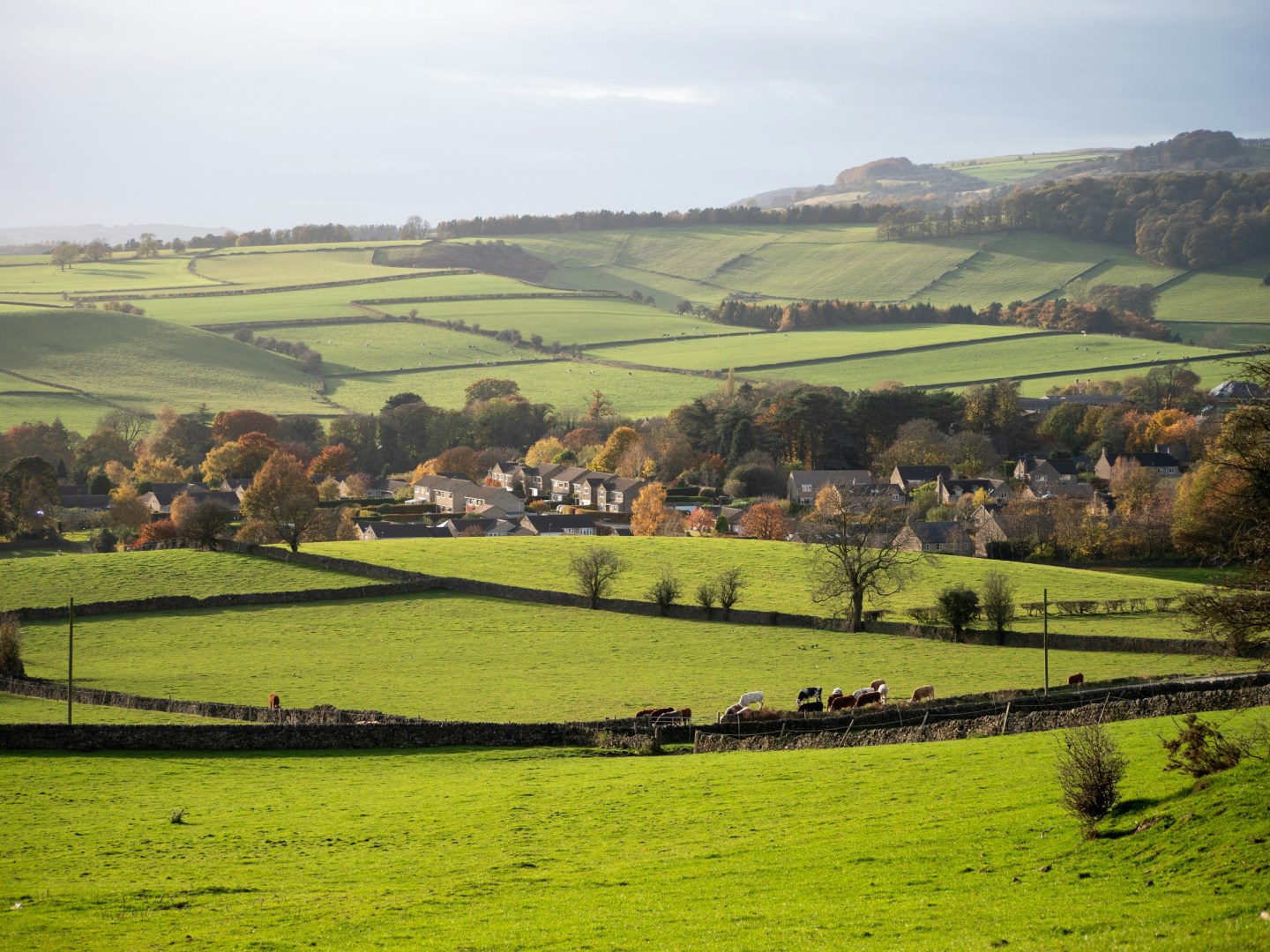
The Peak District National Park occupies a large area in central England, mainly across Derbyshire with smaller sections extending into Cheshire, Staffordshire, and Yorkshire. It is divided broadly into the gritstone moorlands of the Dark Peak, the limestone dales of the White Peak, and the rolling farmland of the South West Peak. Unlike a wilderness park, it is a lived-in landscape containing villages, farms, roads, reservoirs, and historic buildings.