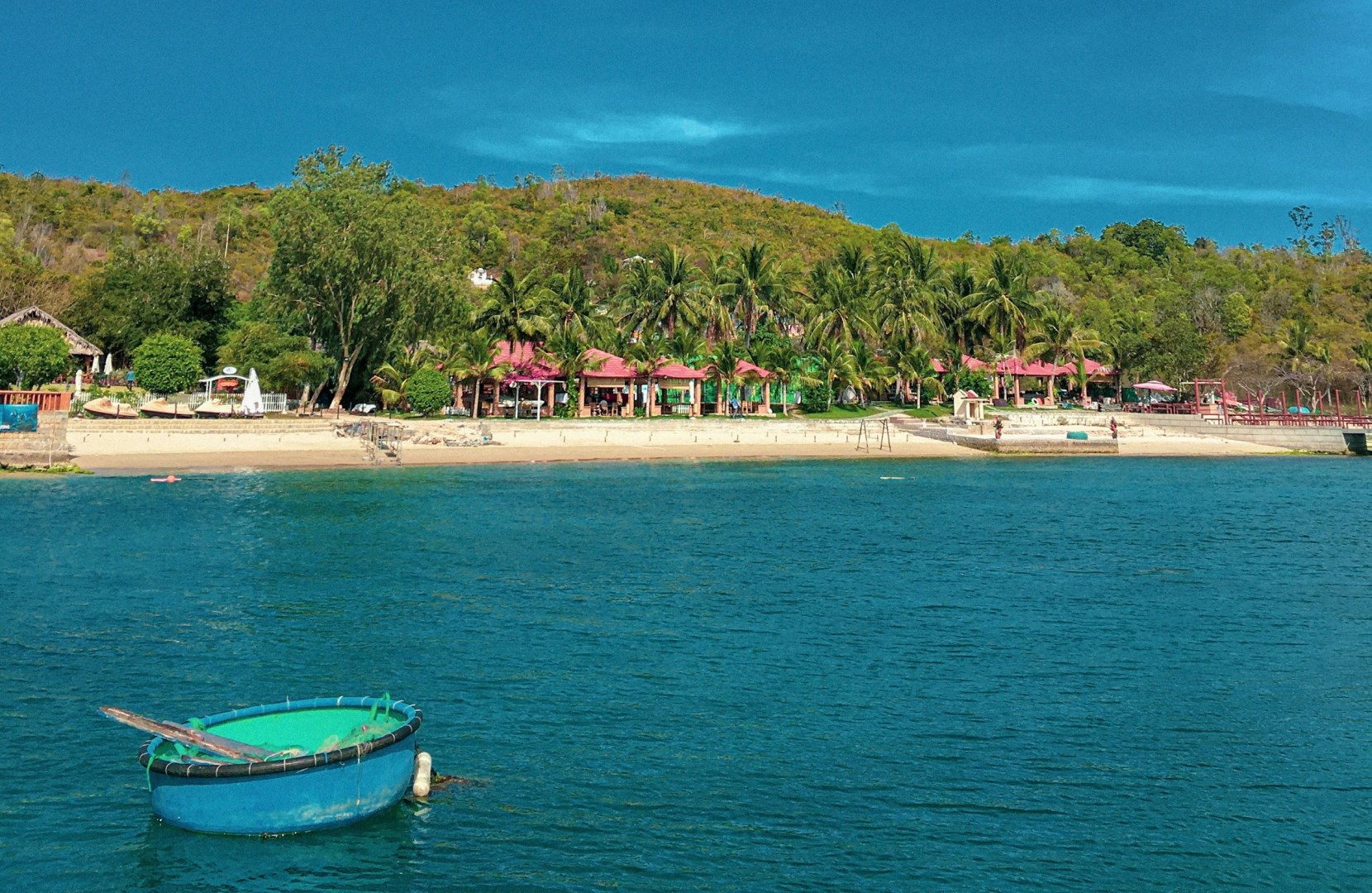
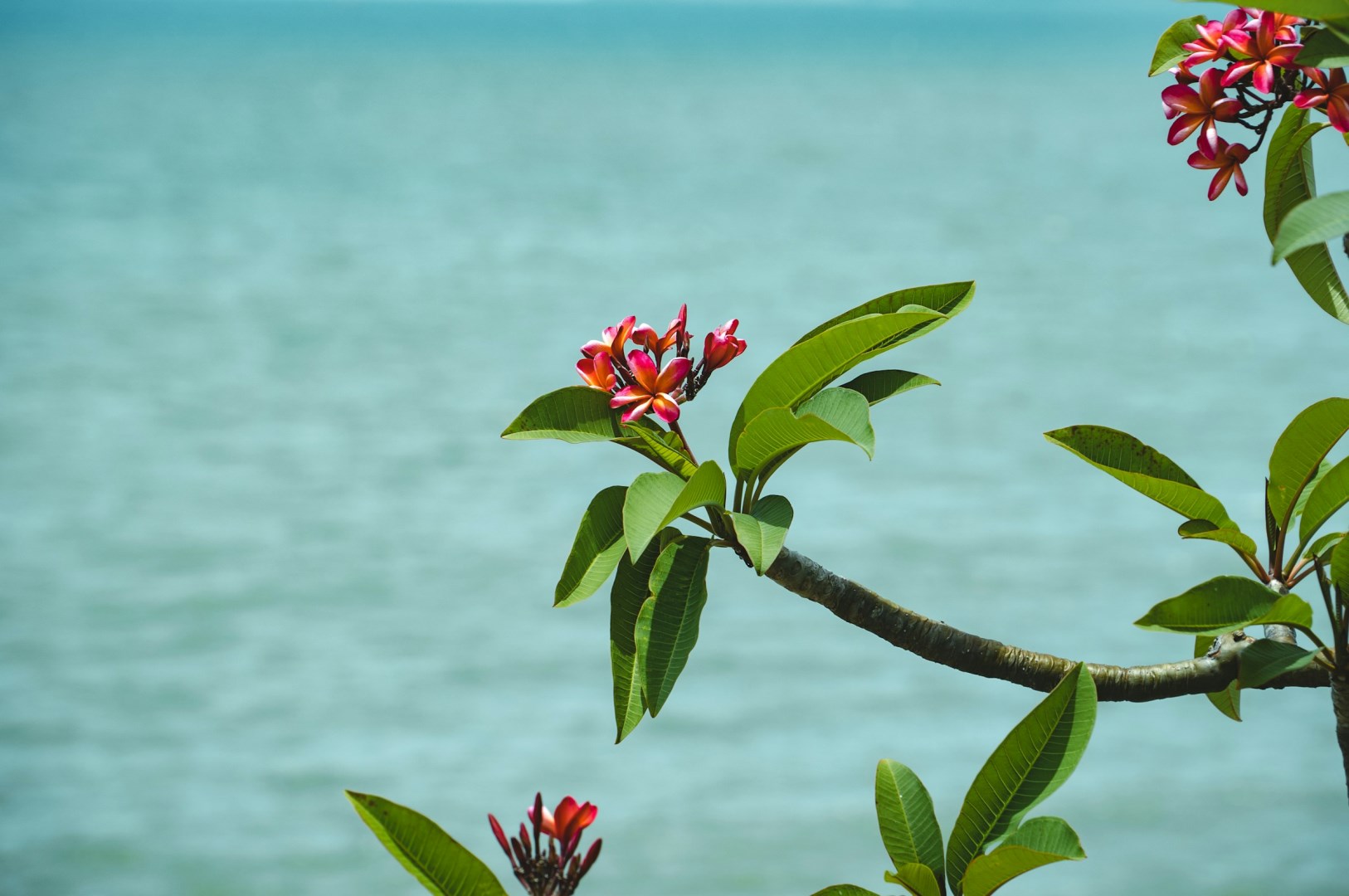
Spanning from the Atlantic to the Pacific, its geography encompasses everything from mountain ranges and fertile plains to vibrant cities and quiet coastal towns. Each region tells its own story.
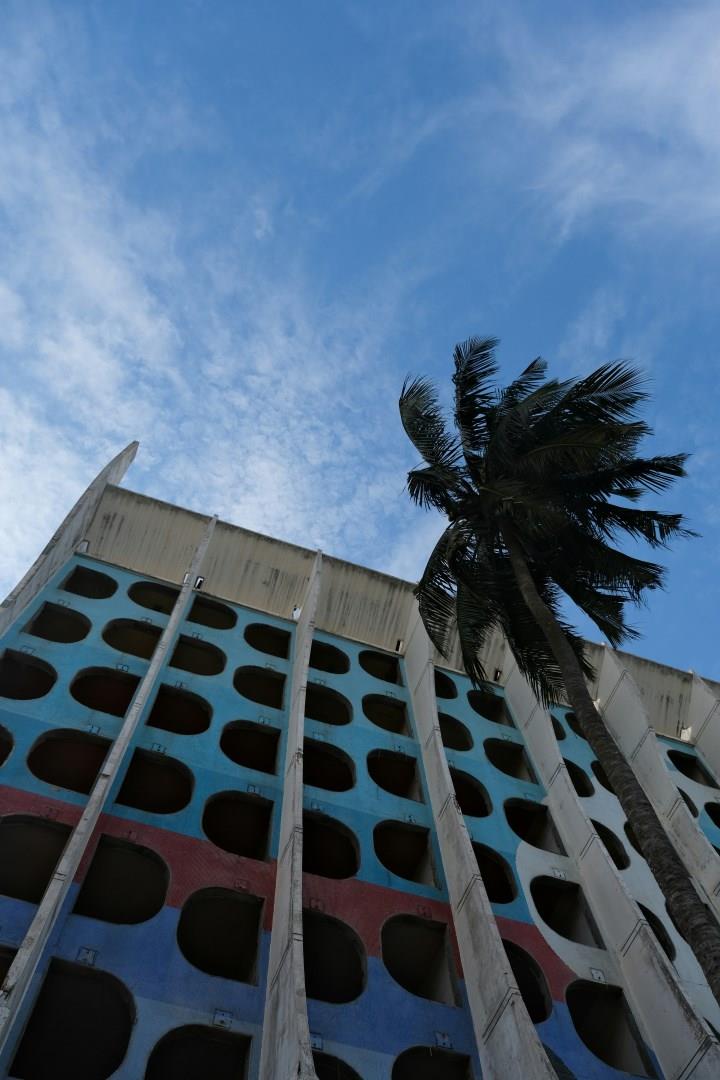
Lomé, the capital city of Togo, sits along the Gulf of Guinea and serves as both the political and cultural heart of the country. Lomé’s coastline features beaches where locals gather and where visitors can enjoy views of the Atlantic Ocean.
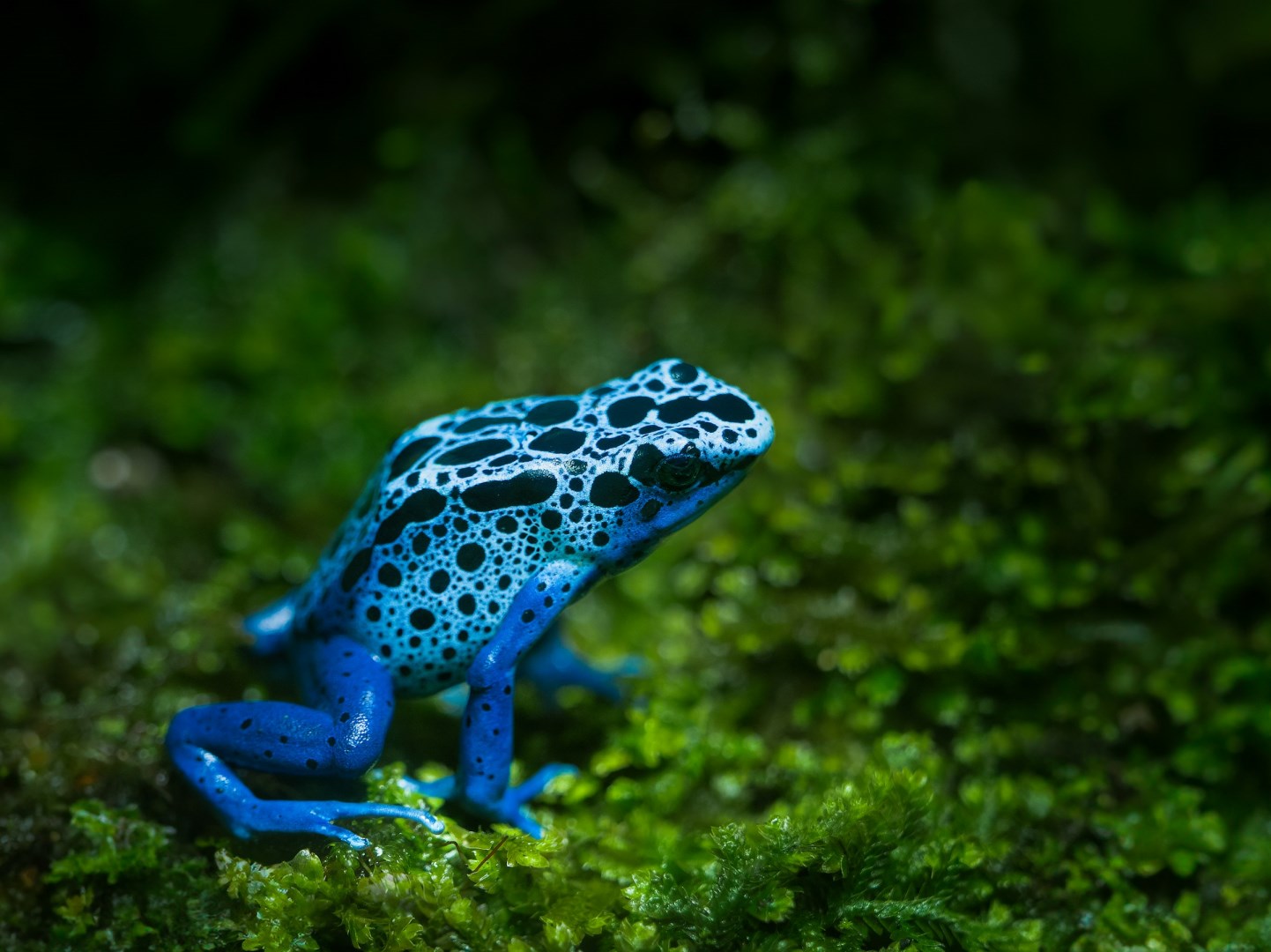
Suriname’s forests cover more than nine‑tenths of the country and house an astounding array of wildlife. The Central Suriname Nature Reserve, one of the largest rainforest sanctuaries on Earth, shelters jaguars, giant river otters, and hundreds of bird species. Nearer the capital, Brownsberg Nature Park offers forest trails and waterfalls amid 1,450 plant and 350 bird species, just a short drive from Paramaribo.
London, Ontario, nestled along the Thames River, is a city brimming with charm and diverse experiences. Known as the "Forest City," it boasts an impressive array of green spaces, including the expansive Springbank Park, which offers picturesque trails, gardens, and the renowned Storybook Gardens—a whimsical spot for families and children.
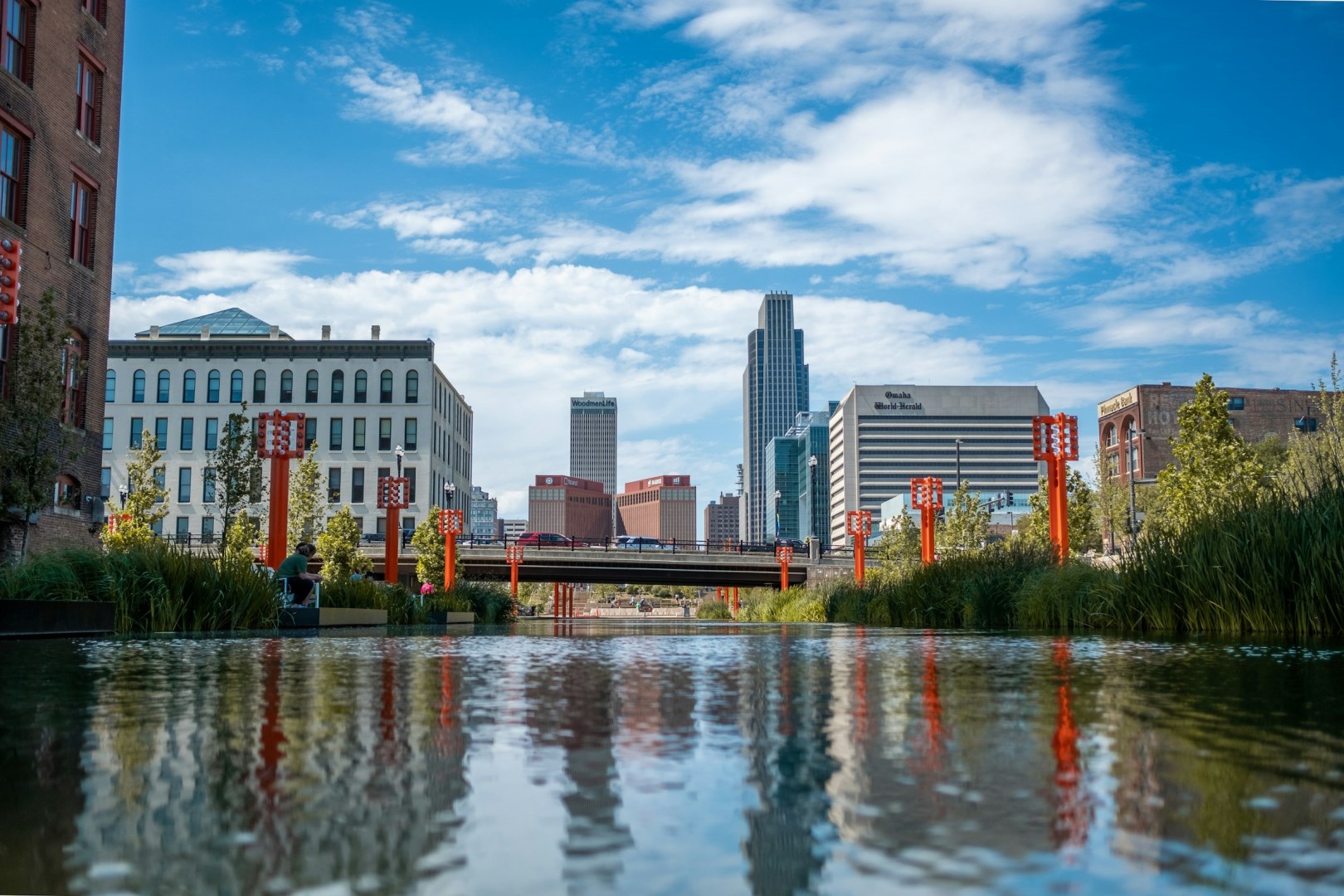
Omaha, city in eastern Nebraska. The seat of Douglas County, it is a port of entry on the Missouri River, opposite Council Bluffs, Iowa. The largest city in Nebraska, Omaha is a commercial, manufacturing, and transportation center situated in a productive livestock-raising and grain-farming region.
Nha Trang, located on Vietnam's southern coastline, is a vibrant city renowned for its stunning beaches and dynamic culture. This coastal paradise boasts a 6-kilometer stretch of golden sand along Nha Trang Beach, where turquoise waters meet palm-fringed shores, perfect for sunbathing and swimming. The city's warm tropical climate makes it an inviting destination year-round, with average temperatures hovering around 79°F ( 26°C).
Rich in cultural heritage, Nha Trang is home to the Po Nagar Cham Towers, an impressive complex of ancient Hindu temples dating back to the 7th century. Perched on a hill, these towers offer panoramic views and a glimpse into the region's historical significance. Another must-see is the Long Son Pagoda, renowned for its enormous white Buddha statue and serene surroundings.
For a unique aquatic experience, the nearby Hon Mun Island is a top destination for snorkeling and diving. The island’s crystal-clear waters are teeming with vibrant marine life, making it a favorite among underwater enthusiasts (Hon Mun Island). Additionally, the Vinpearl Land amusement park on an island just off the coast offers an array of attractions, including water slides, a large aquarium, and entertainment shows.
Fun Fact: Nha Trang is known for its mud baths, a unique therapeutic experience where visitors can relax in mineral-rich mud believed to have skin-rejuvenating properties. The mud baths have become a signature attraction, blending relaxation with health benefits.
Visiting Nha Trang between January and August is ideal for enjoying the warm weather and participating in various beach activities, while the quieter months of September to December provide a more tranquil experience. The city's combination of natural beauty, cultural sites, and leisure activities ensures an unforgettable trip.