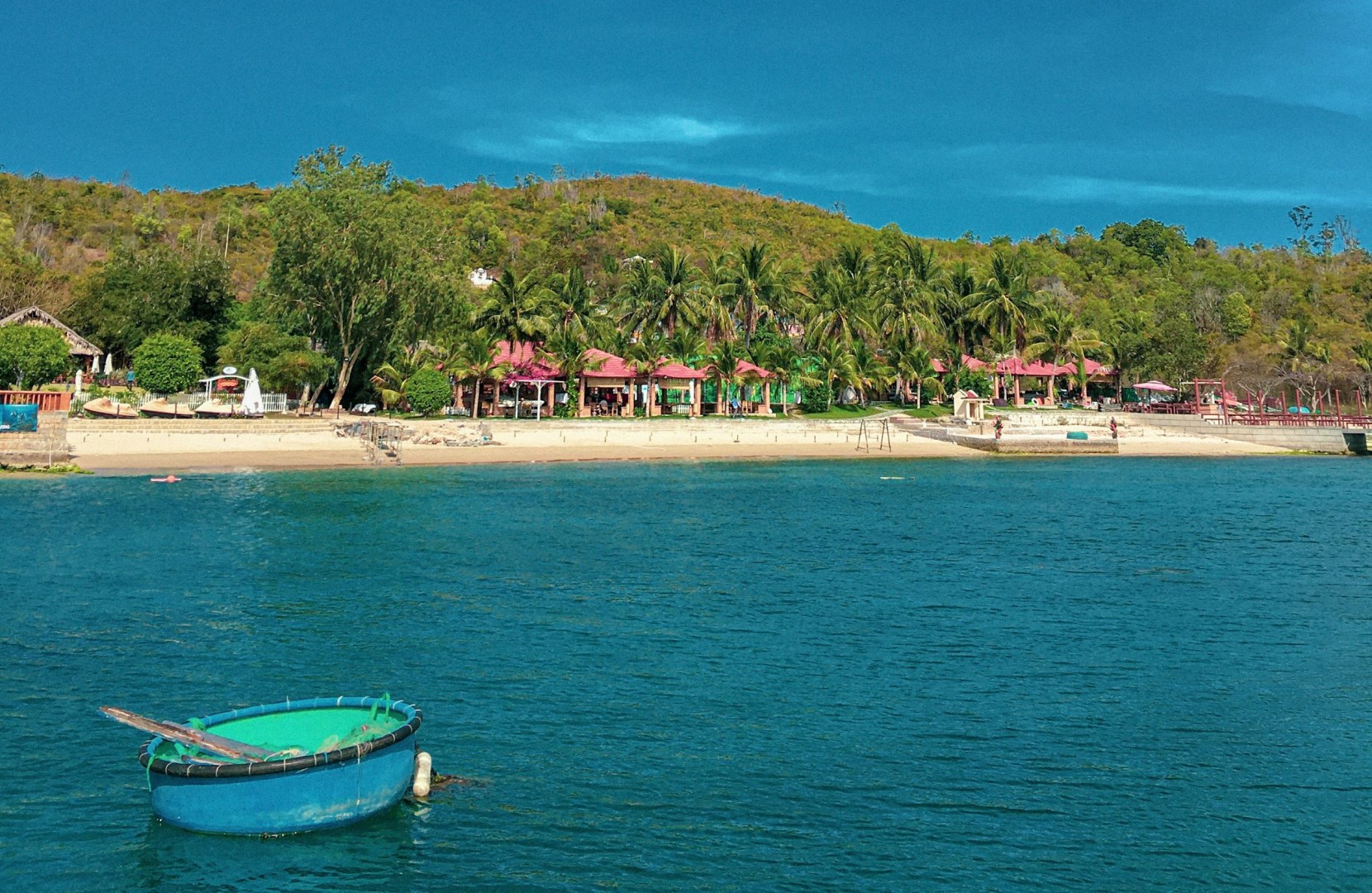
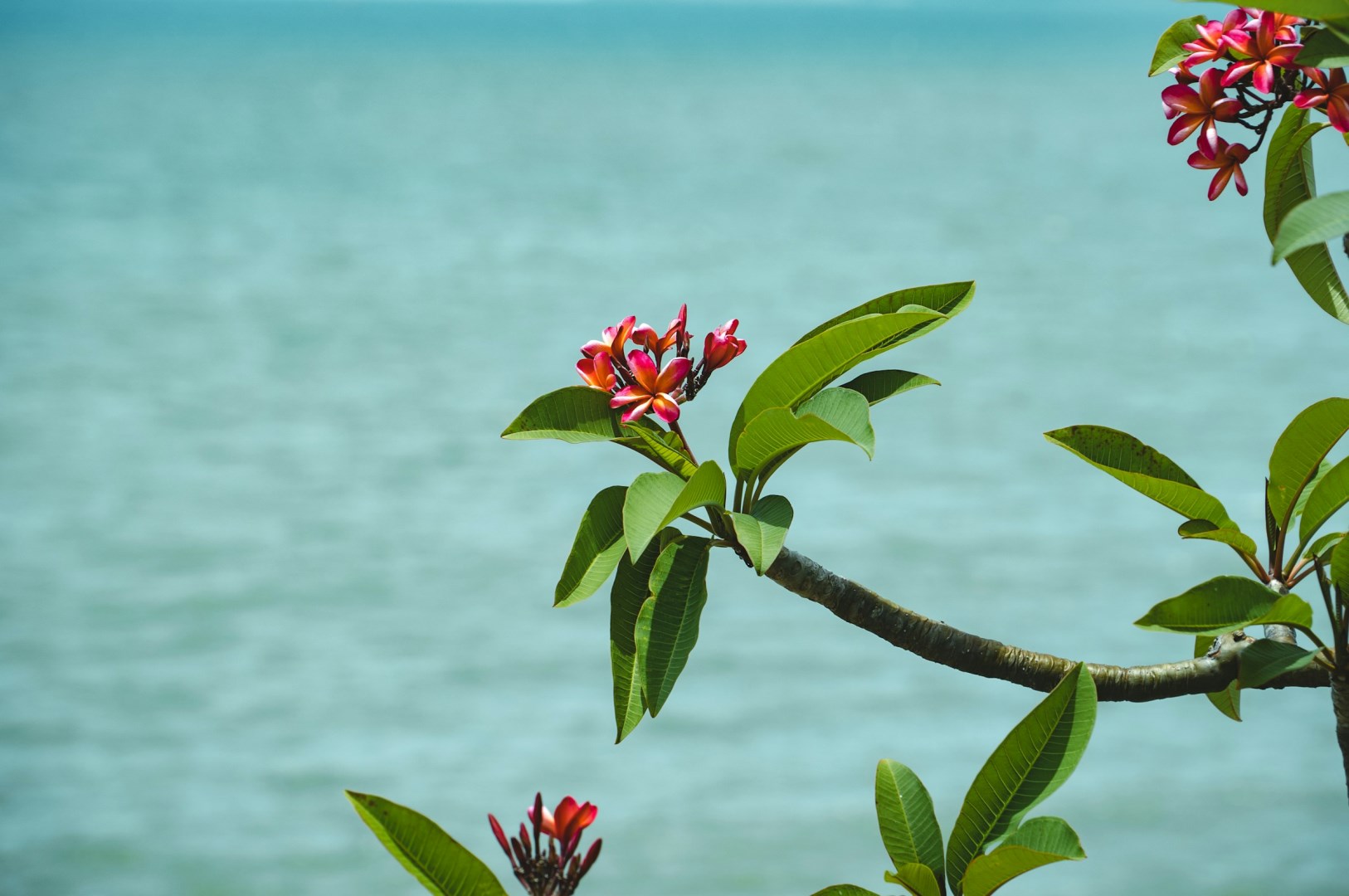
Vancouver Island, British Columbia, is a nature lover's paradise, offering a diverse landscape that ranges from rugged coastlines to lush rainforests. The island’s stunning natural beauty is best explored through its extensive network of parks and outdoor spaces, such as the iconic Pacific Rim National Park Reserve and Strathcona Provincial Park, British Columbia’s oldest provincial park.
Dominica, known as the “Nature Island of the Caribbean,” is a haven for eco-tourists and adventure seekers. Nestled between the French islands of Guadeloupe and Martinique, this lush island boasts a remarkable landscape of volcanic mountains, dense rainforests, and stunning waterfalls. Dominica’s most iconic natural wonder is the Boiling Lake, the second-largest hot spring in the world.
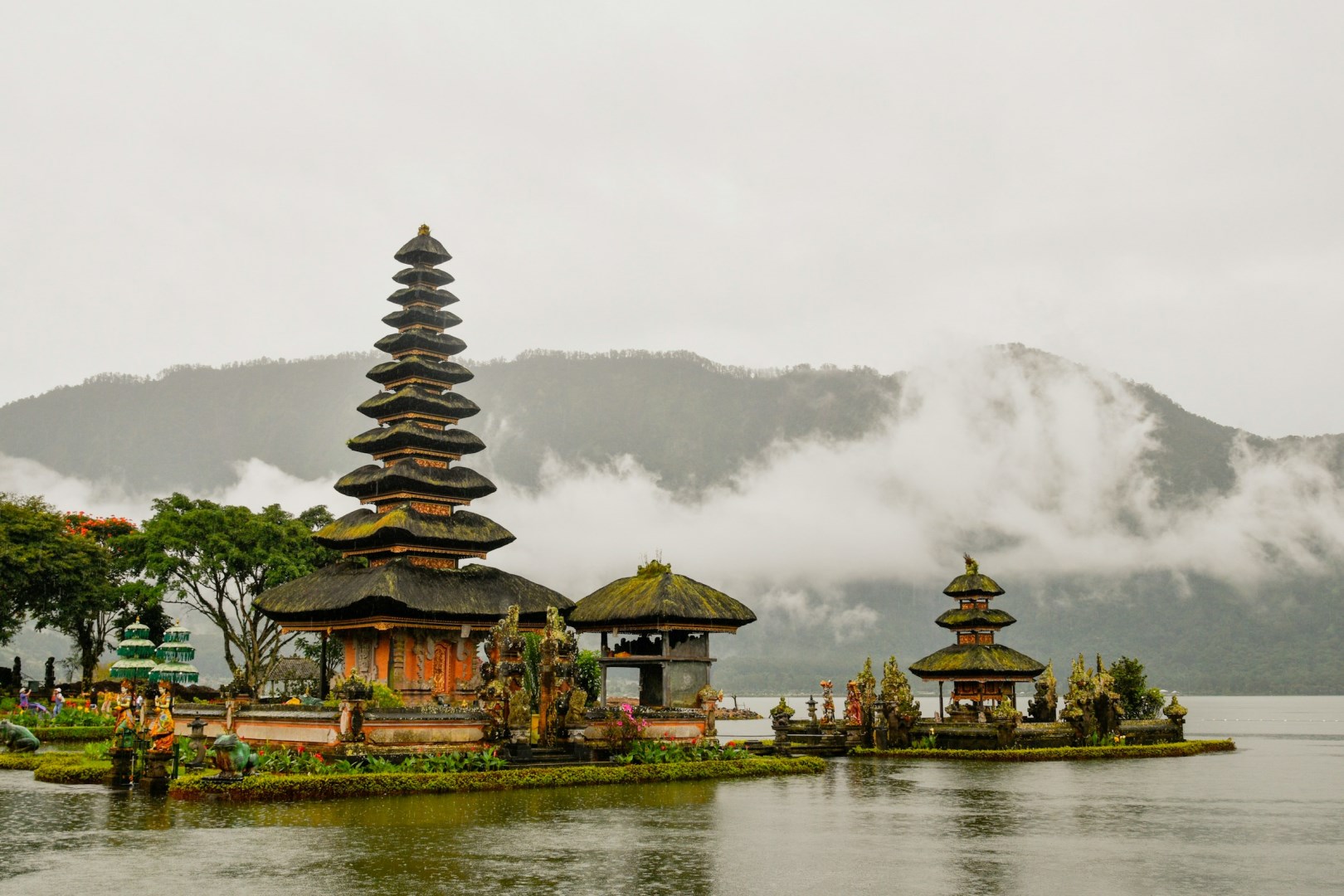
Indonesia, the world’s largest archipelago, stretches across more than 17,000 islands, each offering its own cultural traditions, landscapes, and experiences. From volcanic peaks to tropical beaches and ancient temples, the country is as diverse as it is expansive.
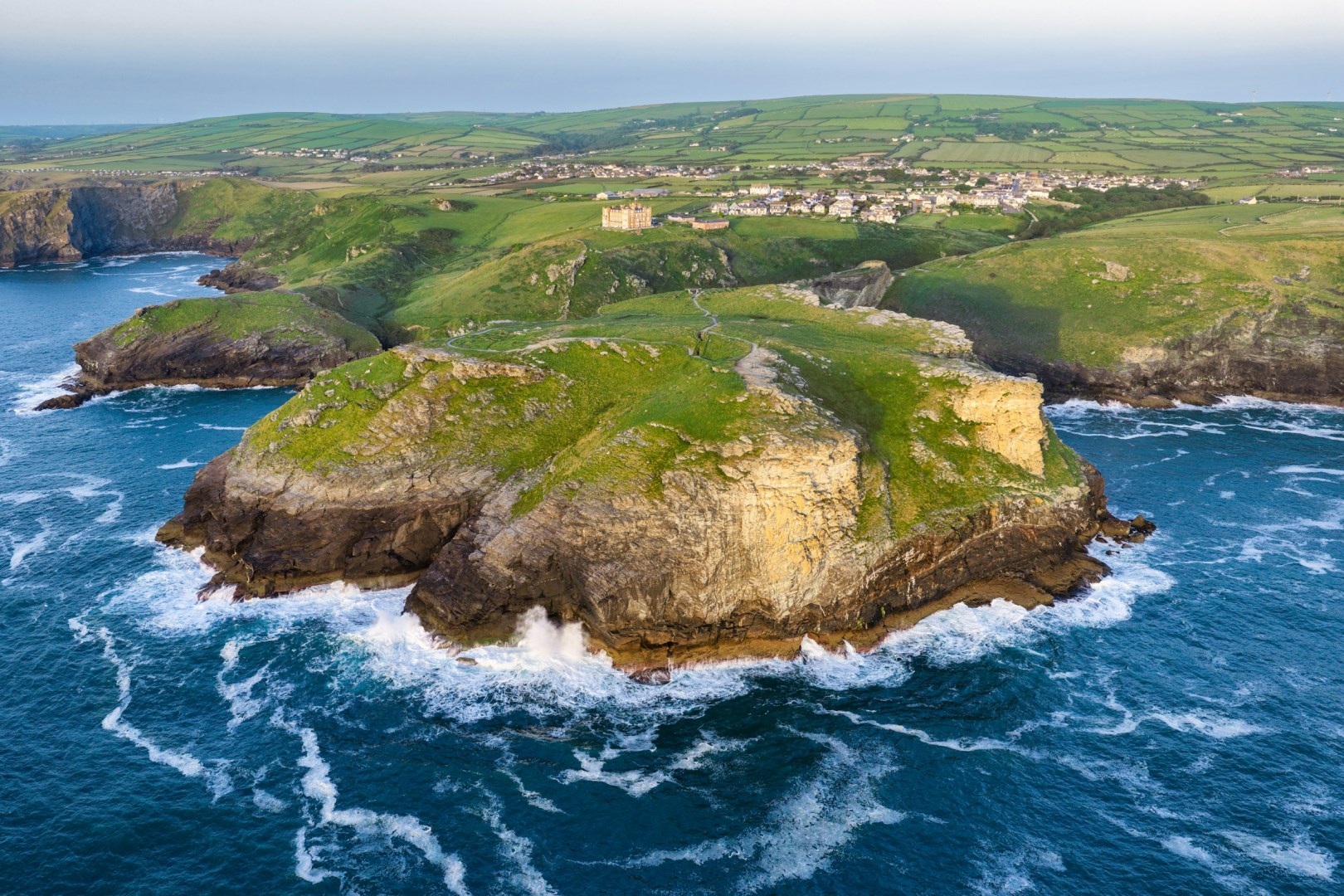
Tintagel is a village on Cornwall's north coast, set among rugged cliffs overlooking the Atlantic Ocean. The area is best known for Tintagel Castle, whose remains occupy a dramatic headland connected to the mainland by a footbridge. The village itself has a traditional Cornish character, with stone buildings, small shops, cafés, and places to stay along the main road.
Nestled on the glittering shores of Bahía de Banderas and bordered by mountains to the east, Puerto Vallarta is a vibrant resort town bustling with tourists. You'll still find the traditional whitewashed houses with red-tile roofs, vivid bougainvillea, cobblestone streets, and colorful fishing boats. Puerto Vallarta is sure to charm you on your next visit to this Mexican paradise!
Nha Trang, located on Vietnam's southern coastline, is a vibrant city renowned for its stunning beaches and dynamic culture. This coastal paradise boasts a 6-kilometer stretch of golden sand along Nha Trang Beach, where turquoise waters meet palm-fringed shores, perfect for sunbathing and swimming. The city's warm tropical climate makes it an inviting destination year-round, with average temperatures hovering around 79°F ( 26°C).
Rich in cultural heritage, Nha Trang is home to the Po Nagar Cham Towers, an impressive complex of ancient Hindu temples dating back to the 7th century. Perched on a hill, these towers offer panoramic views and a glimpse into the region's historical significance. Another must-see is the Long Son Pagoda, renowned for its enormous white Buddha statue and serene surroundings.
For a unique aquatic experience, the nearby Hon Mun Island is a top destination for snorkeling and diving. The island’s crystal-clear waters are teeming with vibrant marine life, making it a favorite among underwater enthusiasts (Hon Mun Island). Additionally, the Vinpearl Land amusement park on an island just off the coast offers an array of attractions, including water slides, a large aquarium, and entertainment shows.
Fun Fact: Nha Trang is known for its mud baths, a unique therapeutic experience where visitors can relax in mineral-rich mud believed to have skin-rejuvenating properties. The mud baths have become a signature attraction, blending relaxation with health benefits.
Visiting Nha Trang between January and August is ideal for enjoying the warm weather and participating in various beach activities, while the quieter months of September to December provide a more tranquil experience. The city's combination of natural beauty, cultural sites, and leisure activities ensures an unforgettable trip.
Other Popular Destinations in Vietnam
Hanoi
Replete with intricate temples, immersive museums, and gastronomic delicacies, Hanoi will surely enchant you! The capital of Vietnam, bustling Hanoi is the perfect center for your next adventure in southeastern Asia.
Ho Chi Minh City
Ho Chi Minh City, Vietnam’s largest metropolis, is a dynamic hub where history, culture, and commerce intersect. Formerly known as Saigon, the city reflects layers of its past, from French colonial architecture to markets and historic districts that capture the energy of daily life.