Dominica
Dominica, known as the “Nature Island of the Caribbean,” is a haven for eco-tourists and adventure seekers. Nestled between the French islands of Guadeloupe and Martinique, this lush island boasts a remarkable landscape of volcanic mountains, dense rainforests, and stunning waterfalls. Dominica’s most iconic natural wonder is the Boiling Lake, the second-largest hot spring in the world.

Nova Scotia
Nova Scotia covers an area of 21,425 sq. miles, and Halifax is the capital. This is an area rich in history — Gaelic is still spoken here in some areas by descendants of the early settlers. The coast is peppered with fishing villages, and inland the climate boasts sprawling valleys and rocky headlands.
Pontevedra
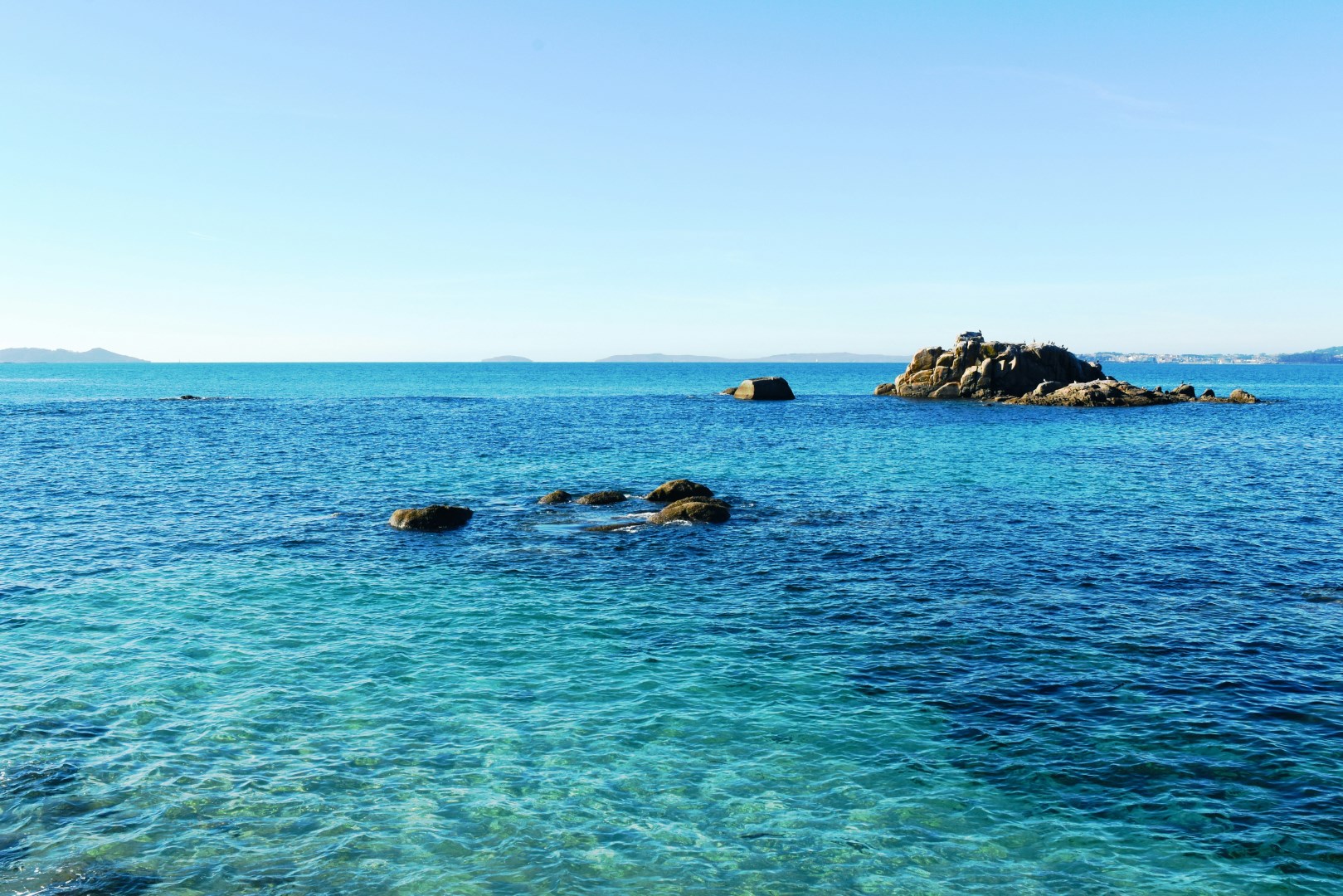
Pontevedra is a historic city in Galicia, in northwestern Spain, set along the Lérez River near the Atlantic coast. It is known for its well-preserved old town and a layout that favors pedestrians, giving the center a calm and accessible feel.
Waterton Lakes National Park
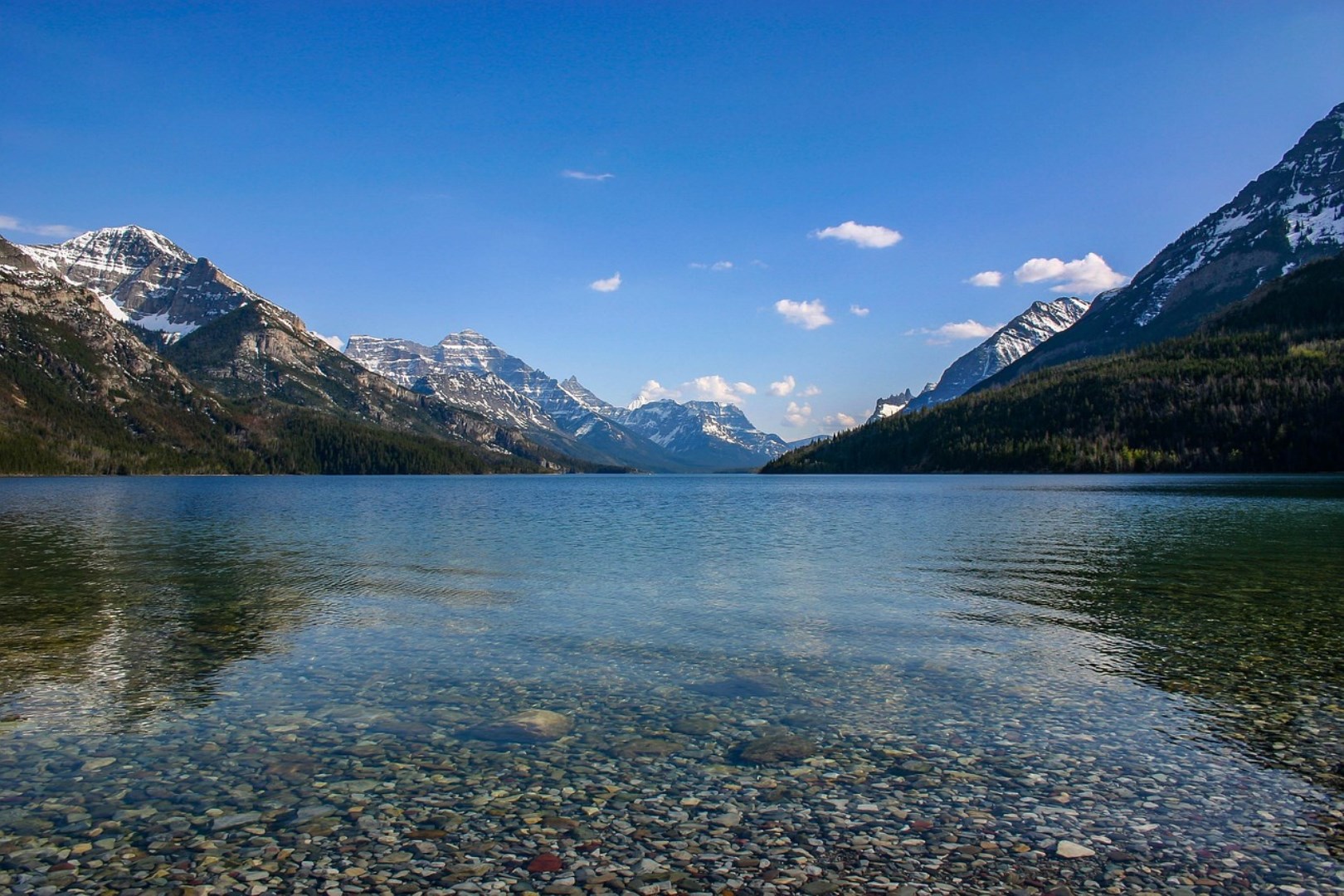
Together with neighboring Glacier National Park in the United States, Waterton Lakes National Park is part of the world's first international Peace Park, which was recognized as a UNESCO World Heritage Site in 1955. The Waterton-Glacier Peace Park protects an important biological crossroads where the Rocky Mountains reach their narrowest width. Waterton's bedrock is much older than that of the mountains to the north found in Jasper and Banff.

College Fjord
East of Anchorage and Chugach State Park, College Fjord offers a glimpse into some of Alaska's most beautiful natural landscapes. Located in Prince William Sound, College Fjord is filled with stunning glaciers and is a popular site for Alaskan cruises.