Brussels
Brussels, the vibrant capital of Belgium, offers a perfect blend of medieval charm and modern sophistication. At its heart lies the iconic Grand Place, a UNESCO World Heritage Site known for its stunning Gothic and Baroque guildhalls.
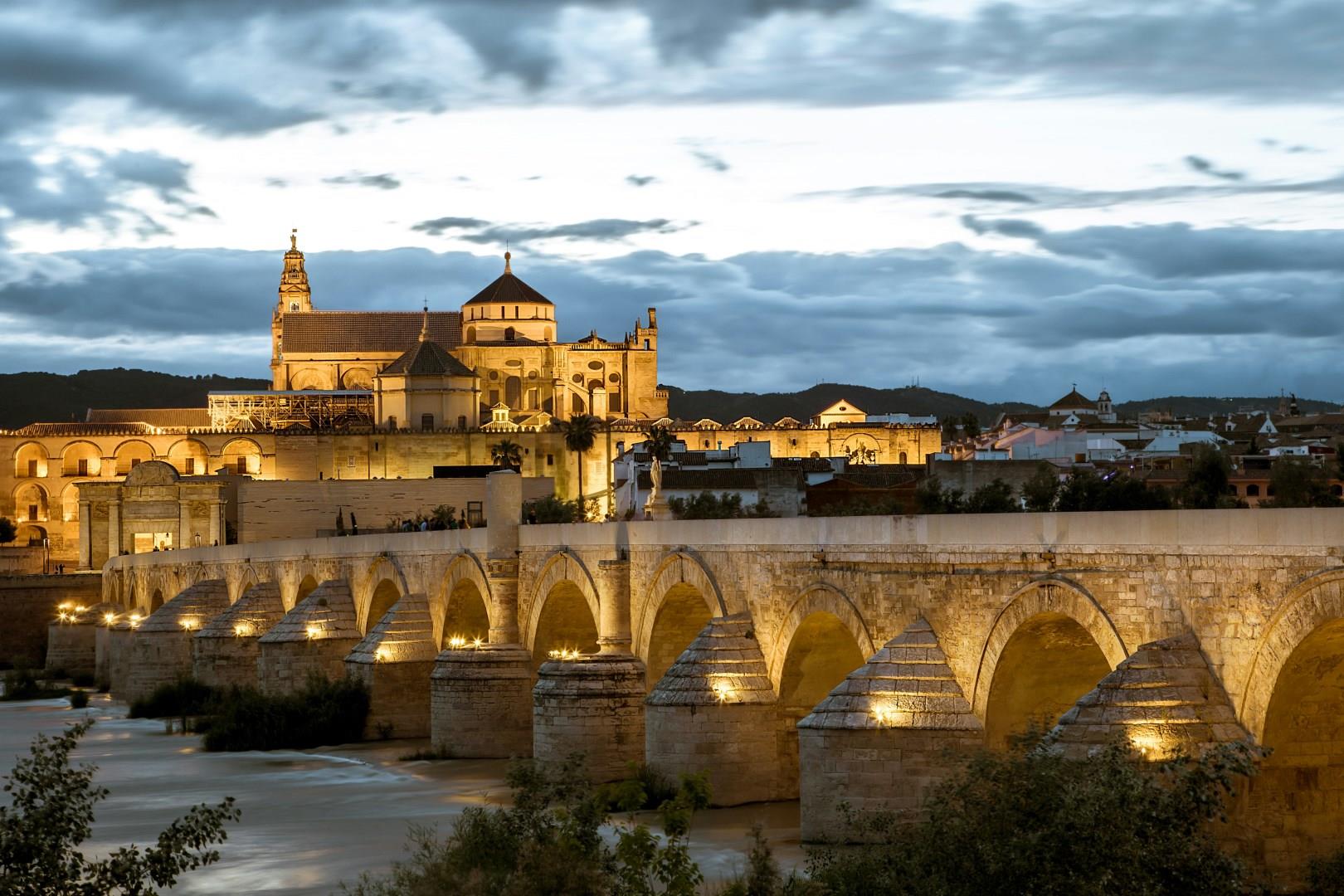
Córdoba
Córdoba, located in the heart of Andalusia, was once the most advanced city in Western Europe. During the 10th century, it served as the capital of Al-Andalus and was a center for learning, science, and art. Today, visitors walk the same streets that philosophers, poets, and physicians once crossed. The city’s most famous landmark, the Mezquita-Catedral, reflects its layered past. The red and white horseshoe arches inside are one of the most photographed interiors in Spain.

Stavanger
The Port of Stavanger is a popular stop on the route to the Norwegian Fjords, and boasts a first-rate assortment of museums and cultural events. Old Stavanger has Europe’s best preserved wooden house settlement.
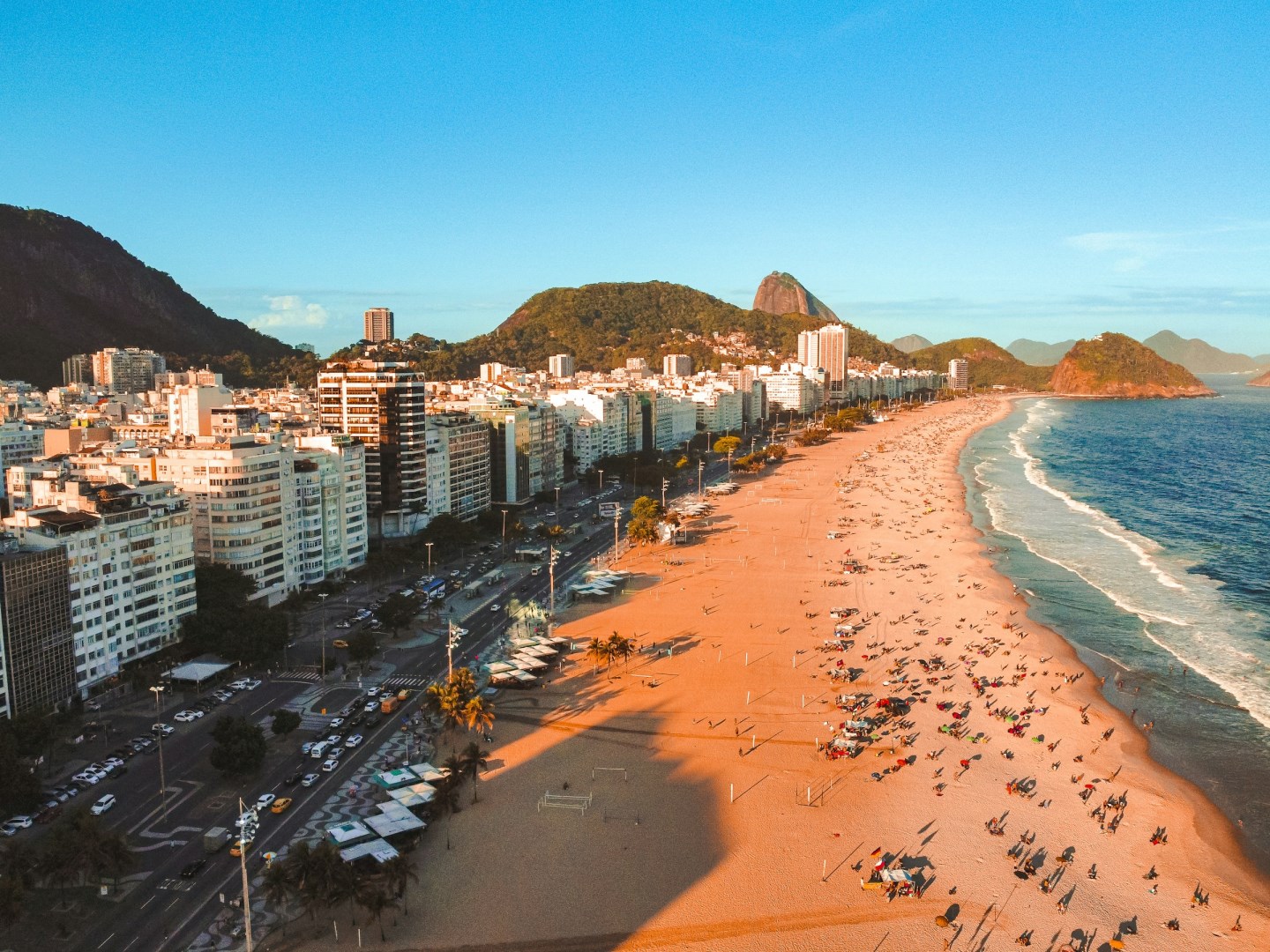
Copacabana Beach
The splendid beach location of the Copacababa allows you to absorb the warmth of Acapulco's sunshine in a relaxing, low key atmosphere.
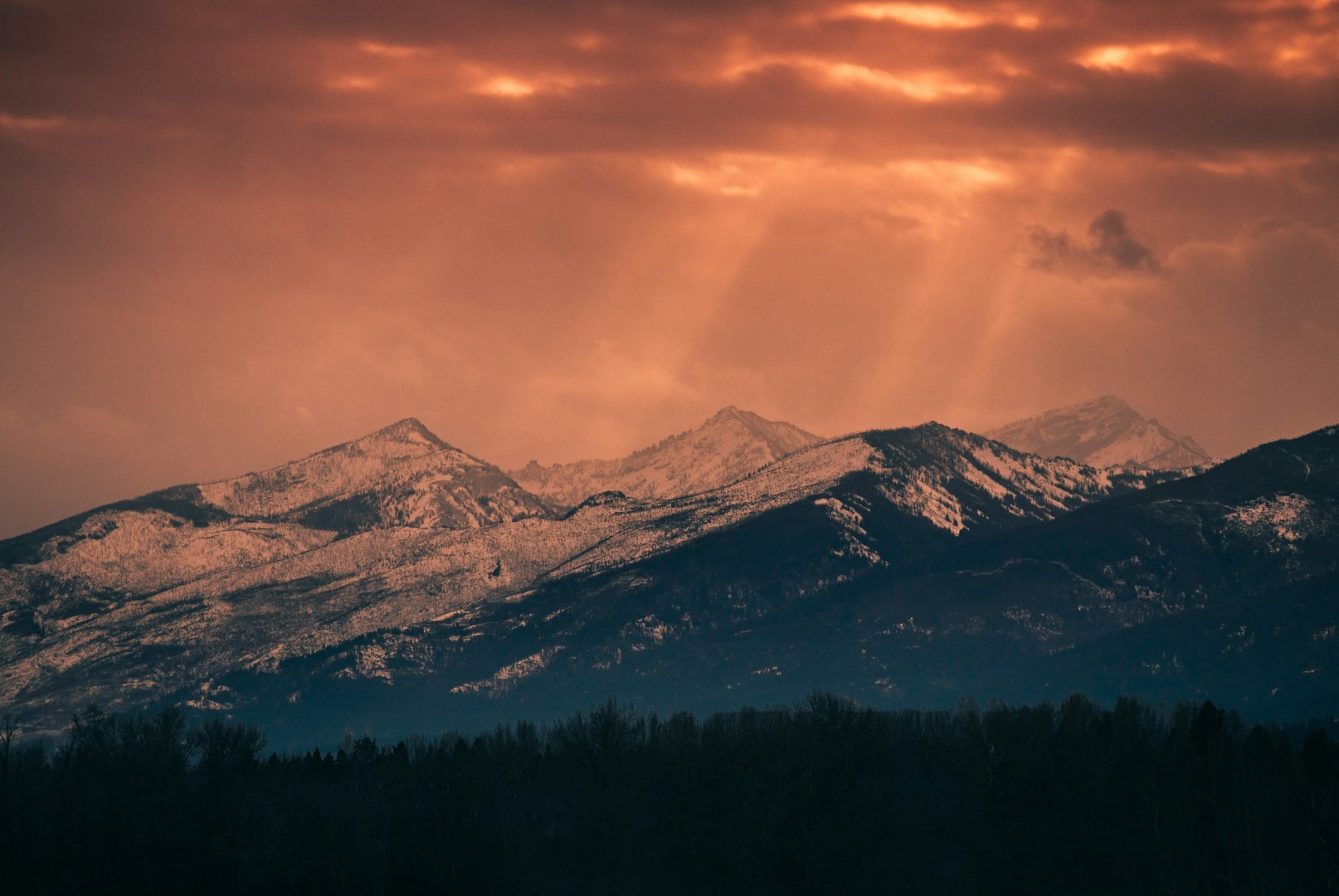
Missoula
Missoula, nestled in western Montana’s scenic mountain valleys, is a lively city that blends outdoor adventure with a strong sense of community and culture. Founded as a 19th-century trading post and lumber town, Missoula has evolved into a hub for education, the arts, and nature, anchored by the University of Montana and surrounded by breathtaking wilderness.