Locarno
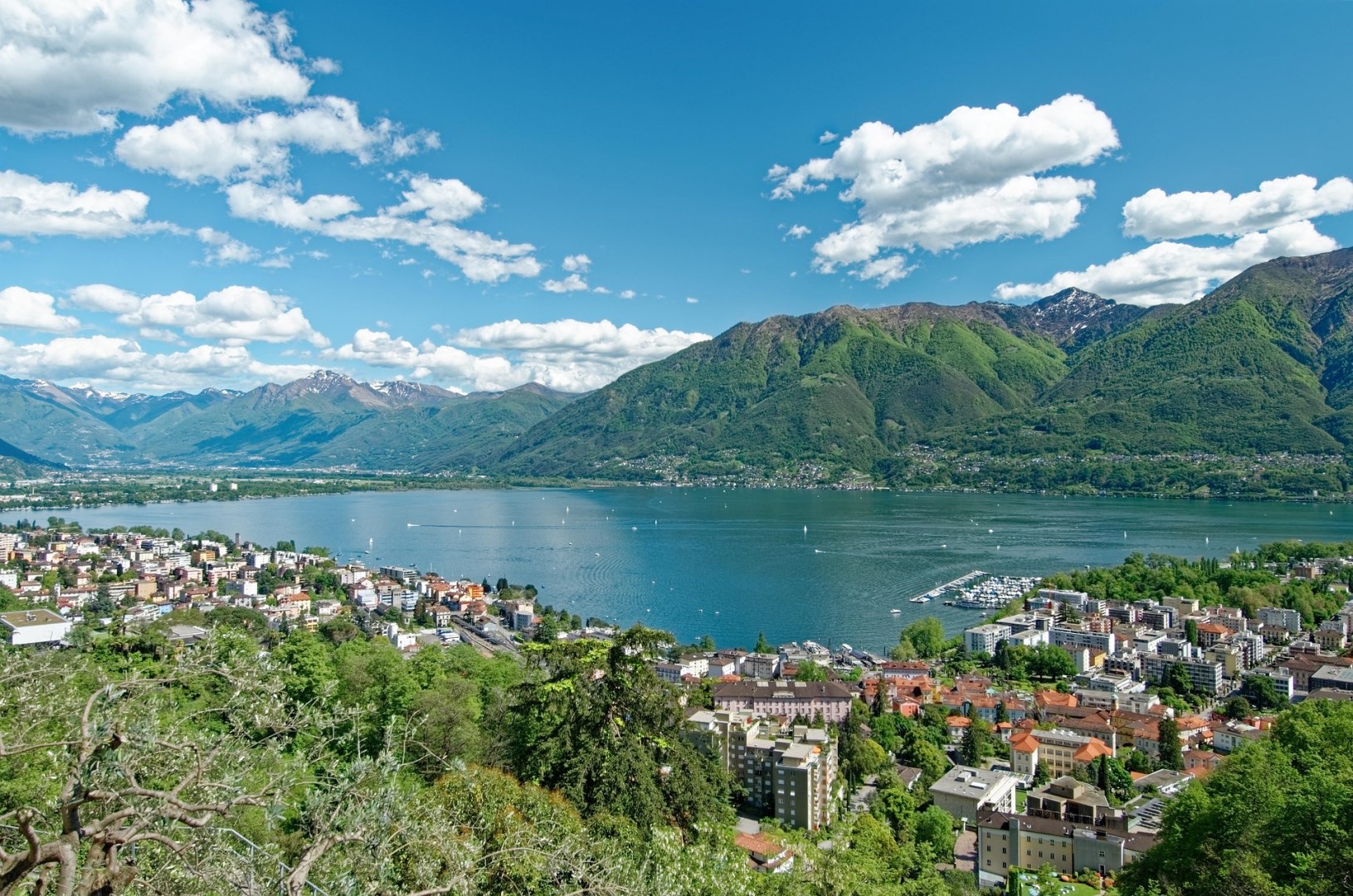
The turnoff for Locarno is located near Bellinzona, the capital of Ticino. By train, Locarno is well served from Zurich and Milan, as it is by road. Lovers of beautiful landscapes starting out from Geneva and Lausanne owe it to themselves to pass through Simplon and the Centovalli by taking the picturesque little train that links Domodossola to Locarno.
Peso da Régua
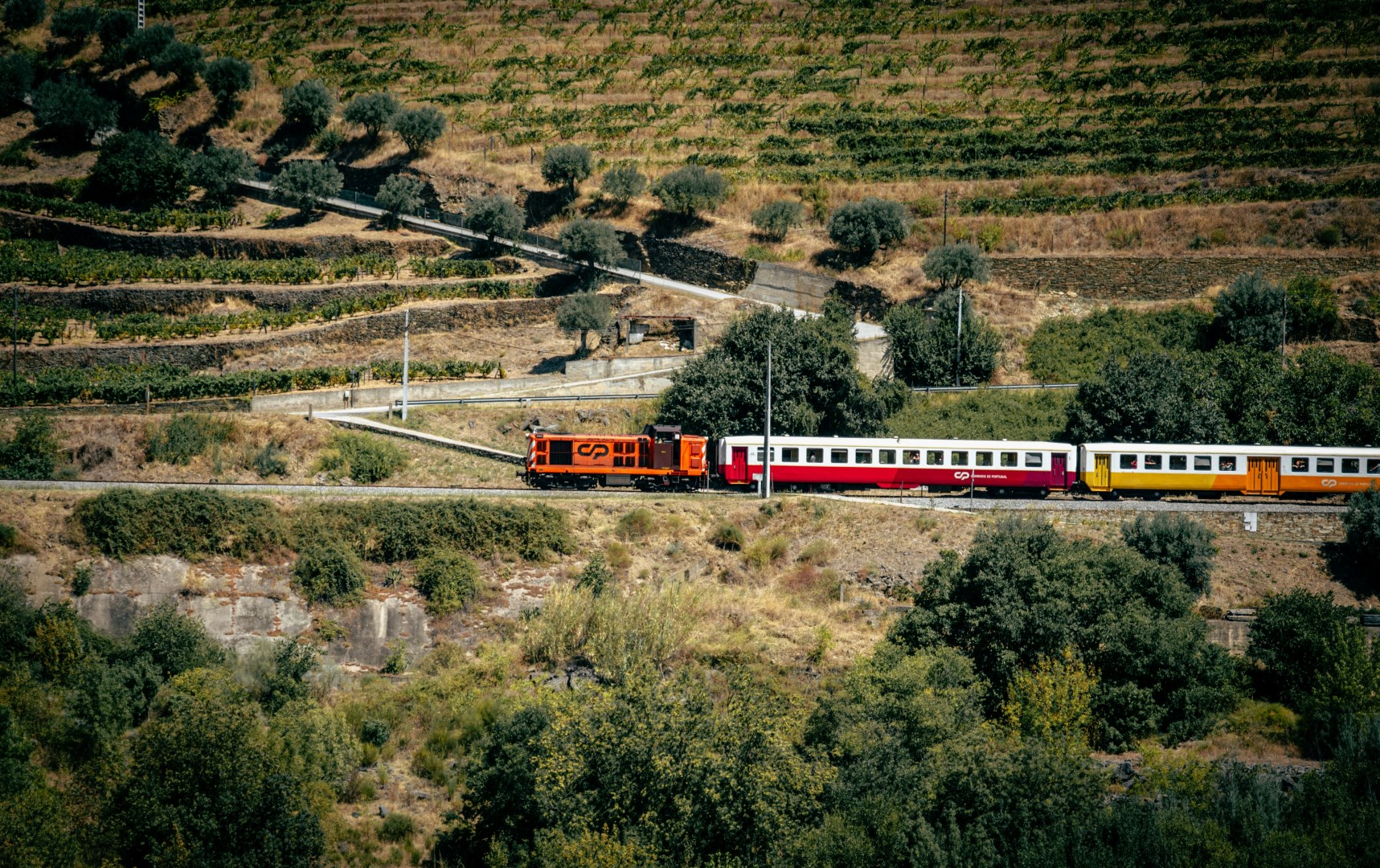
Peso da Régua, often called the gateway to Portugal's Douro Valley, sits along the banks of the Douro River and is surrounded by steep, terraced vineyards. The town has long been central to the production of the world-famous Port wine, and visitors can explore the rolling hills covered with neatly arranged grapevines that climb dramatically from the river’s edge. The town itself offers a quiet riverside charm, with narrow streets, historic buildings, and scenic viewpoints.
Hạ Long
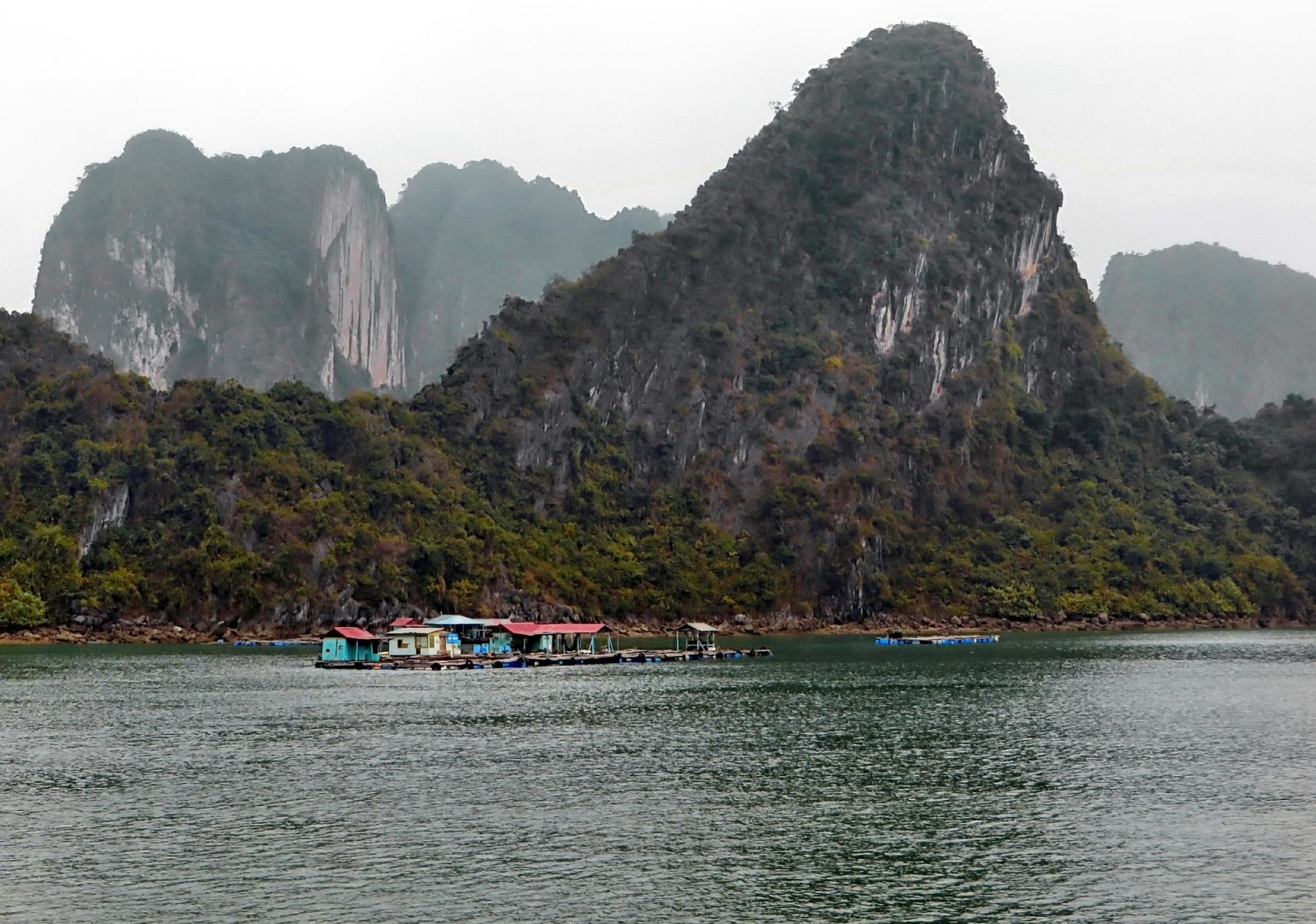
Ha Long is a coastal city in Quang Ninh Province in northeastern Vietnam, best known as the gateway to Ha Long Bay. The city stretches along the Gulf of Tonkin and combines a modern waterfront, residential districts, fishing communities, and port facilities. Offshore, Ha Long Bay contains hundreds of limestone islands and islets rising from the sea, creating a landscape shaped by geological and marine processes.
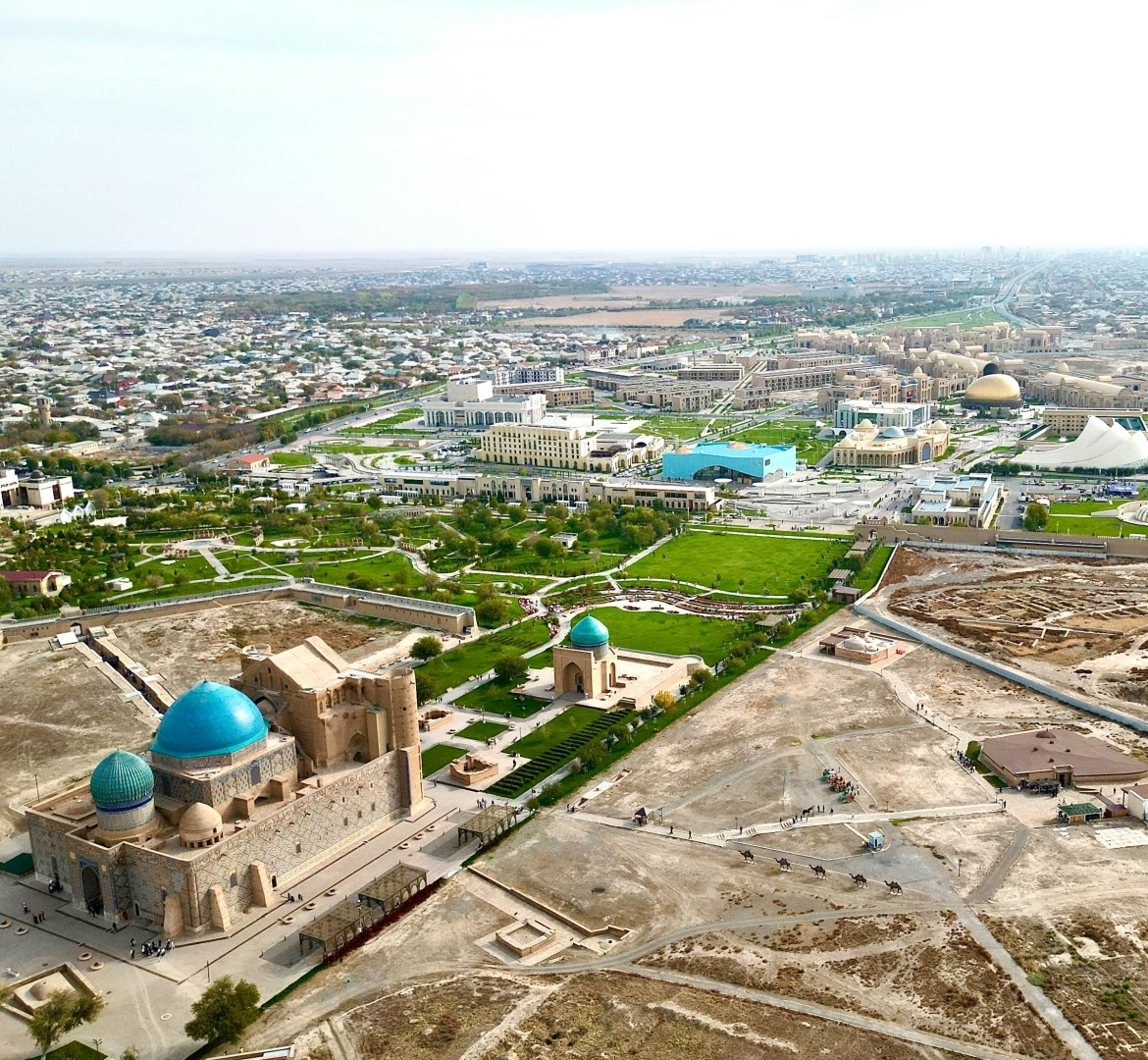
Turkistan
Turkistan is a historic city in southern Kazakhstan and an important center of Islamic culture in Central Asia. Located in the Turkistan Region, the city developed around an oasis landscape between the Syr Darya River and the Karatau Mountains. Its best-known landmark is the Mausoleum of Khoja Ahmed Yasawi, a monumental Timurid-era building and UNESCO World Heritage site.

Busan
Busan is located on the southeastern coast of South Korea and is an exciting port city famous for its beaches, including Haeundae Beach, Gwangalli Beach, and Dadaepo Beach. From bustling marketplaces, to Buddhist temples, to Korean War memorials, Busan is brimming with culture and history and offers plenty to explore on your next visit to South Korea.