
Socotra
Socotra rises from the Arabian Sea like a world apart, its landscapes shaped over millennia. The Dragon’s Blood Trees, with their umbrella-shaped crowns and deep red sap, stand among the most iconic sights here. In places like Dixam Plateau and Homhil Forest, these trees gather in sparse formations, creating scenes that feel both ancient and alien. The resin remains valued for traditional dyes and remedies.

Riomaggiore
Riomaggiore, a charming village in Italy's famed Cinque Terre, is a gem of the Ligurian coast. With its colorful houses cascading down steep cliffs towards the azure Mediterranean, this picturesque town offers a postcard-perfect escape. Founded in the 13th century, Riomaggiore is rich in history, with medieval churches like the Church of San Giovanni Battista, built in 1340, reflecting its ancient past.

Cardiff
Cardiff, the capital of Wales, is a city brimming with history, culture, and modern vibrancy. At the heart of its historic charm stands the Cardiff Castle, a magnificent structure that dates back to Roman times and has been a centerpiece of Welsh history for centuries. Explore the castle’s stunning medieval architecture and lavish interiors, or take a walk around the castle grounds, which offer picturesque views of the city skyline.
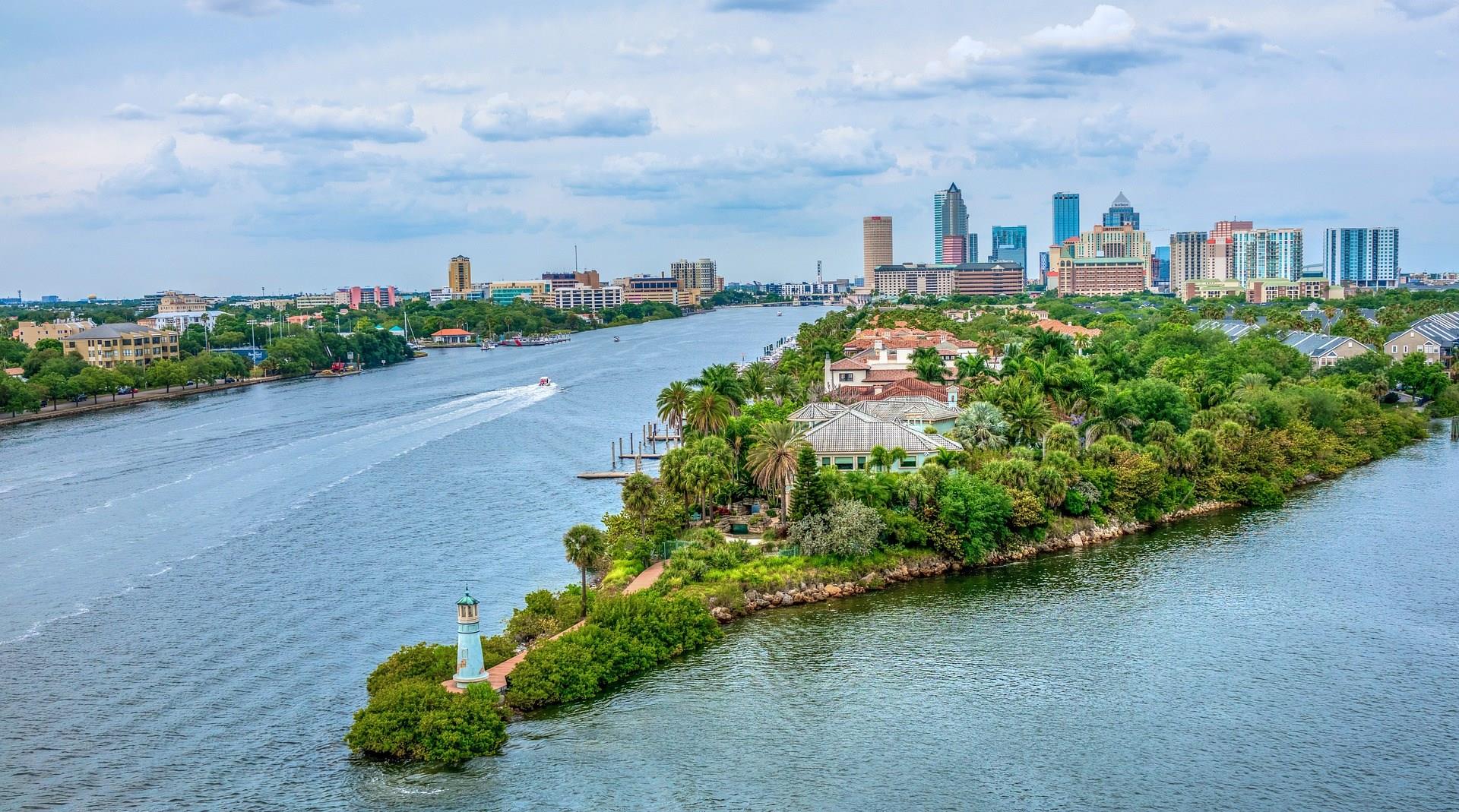
Tampa
Tampa, Florida, offers more than just sunshine and palm trees, it’s a city with character, history, and plenty of unexpected experiences. Founded as a military outpost in the 19th century, Tampa has grown into a vibrant waterfront city with strong Cuban, Spanish, and Italian influences. This cultural blend is especially noticeable in Ybor City, a historic district known for its red-brick buildings and deep cigar-making roots.
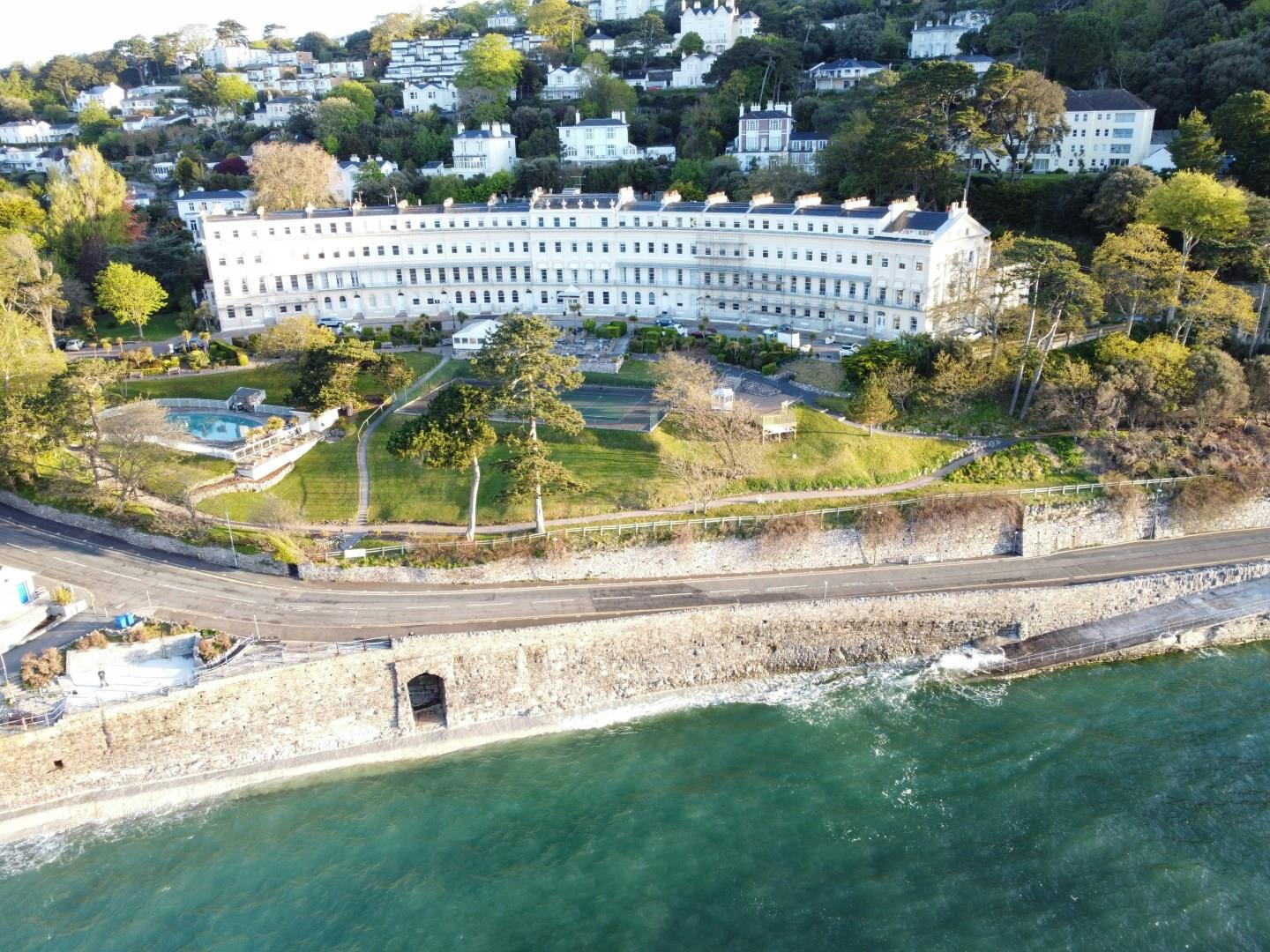
Torquay
Torquay, located on England’s southwest coast in Devon, is often referred to as the gateway to the English Riviera. With origins as a small fishing village, it expanded rapidly in the 19th century as a seaside resort, attracting visitors with its mild climate, sandy beaches, and scenic coastline.