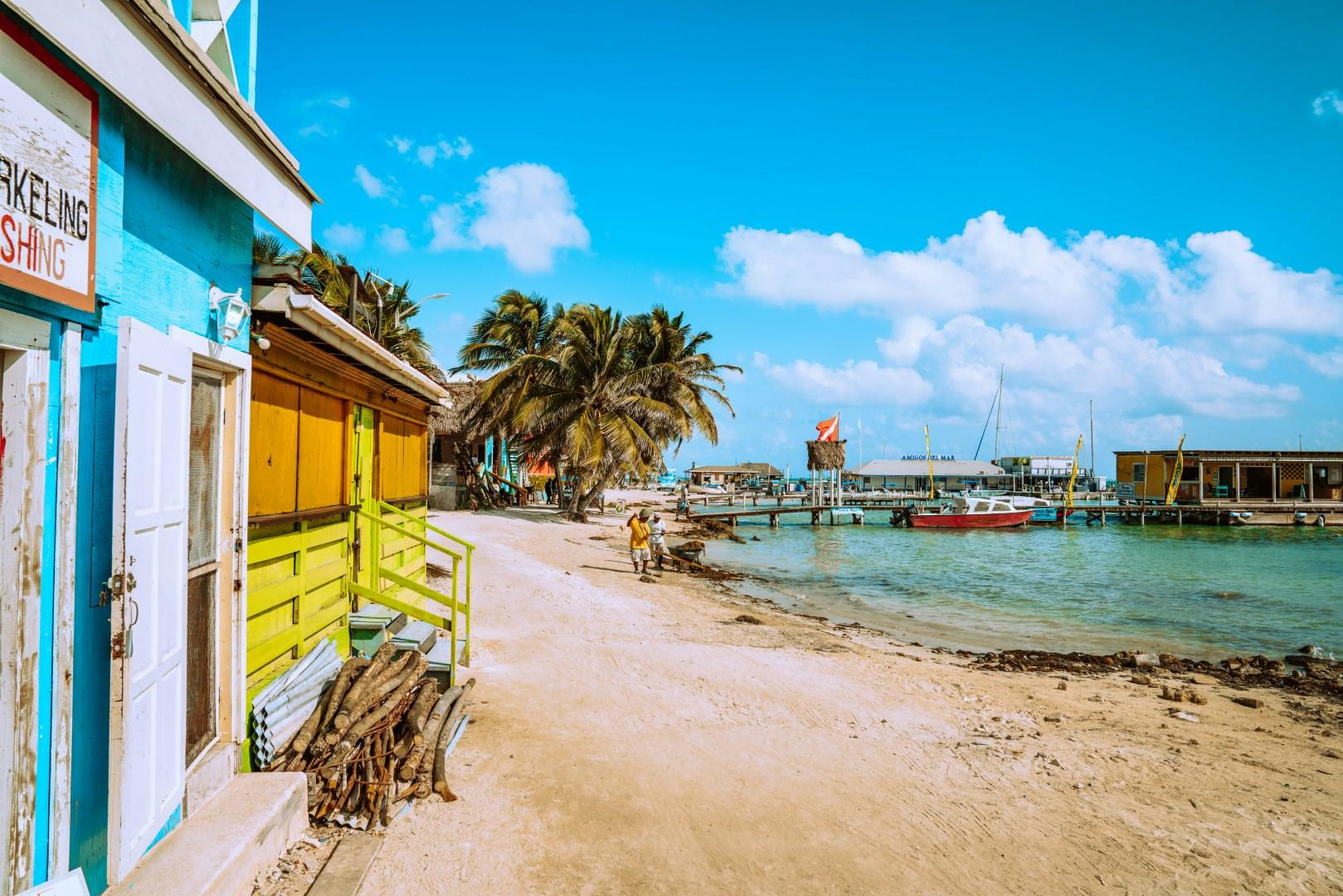
Ocho Rios, whose name comes from the Spanish for “Eight Rivers”, was originally a Taíno settlement before Spanish and later British colonial influence shaped its identity. Nestled along Jamaica’s lush north coast, this once-humble fishing village has transformed into a vibrant coastal town that blends historical depth with modern charm.
Mljet National Park sits on the western side of Mljet Island in Croatia’s Adriatic Sea, a place where saltwater lakes meet ancient forest pathways. The park stretches across nearly one-third of the island, with Veliko Jezero (Great Lake) and Malo Jezero (Small Lake) as their most striking features. These two saltwater lakes are connected by a narrow channel to the open sea, creating calm blue waters that draw visitors for swims, casual kayak outings, or peaceful cycles around the shaded paths.
Beypazarı is a historic town in Ankara Province, Turkey, situated on the edge of the Central Anatolian plateau. It is recognized for its well-preserved Ottoman-era houses, narrow streets, and strong connection to traditional crafts. The town serves as both a residential center and a cultural destination, where restored buildings now function as museums, guesthouses, and workshops.
Bibury, often described as one of the most beautiful villages in England, is a must-visit destination in the heart of the Cotswolds. The village is famous for its idyllic setting along the River Coln and its stunning stone cottages that date back to the 17th century. Chief among these is Arlington Row, a series of picturesque weavers’ cottages that have become one of the most photographed spots in England.
Perched on a ridge overlooking the Dudh Koshi River valley, Tengboche is home to one of the most iconic monasteries in the Himalayas. The Tengboche Monastery dominates the skyline, its whitewashed walls and golden roof visible from miles around. Surrounded by towering peaks such as Ama Dablam, Kangtega, and Thamserku, the village offers visitors sweeping panoramas and a sense of quiet reflection high in the mountains.
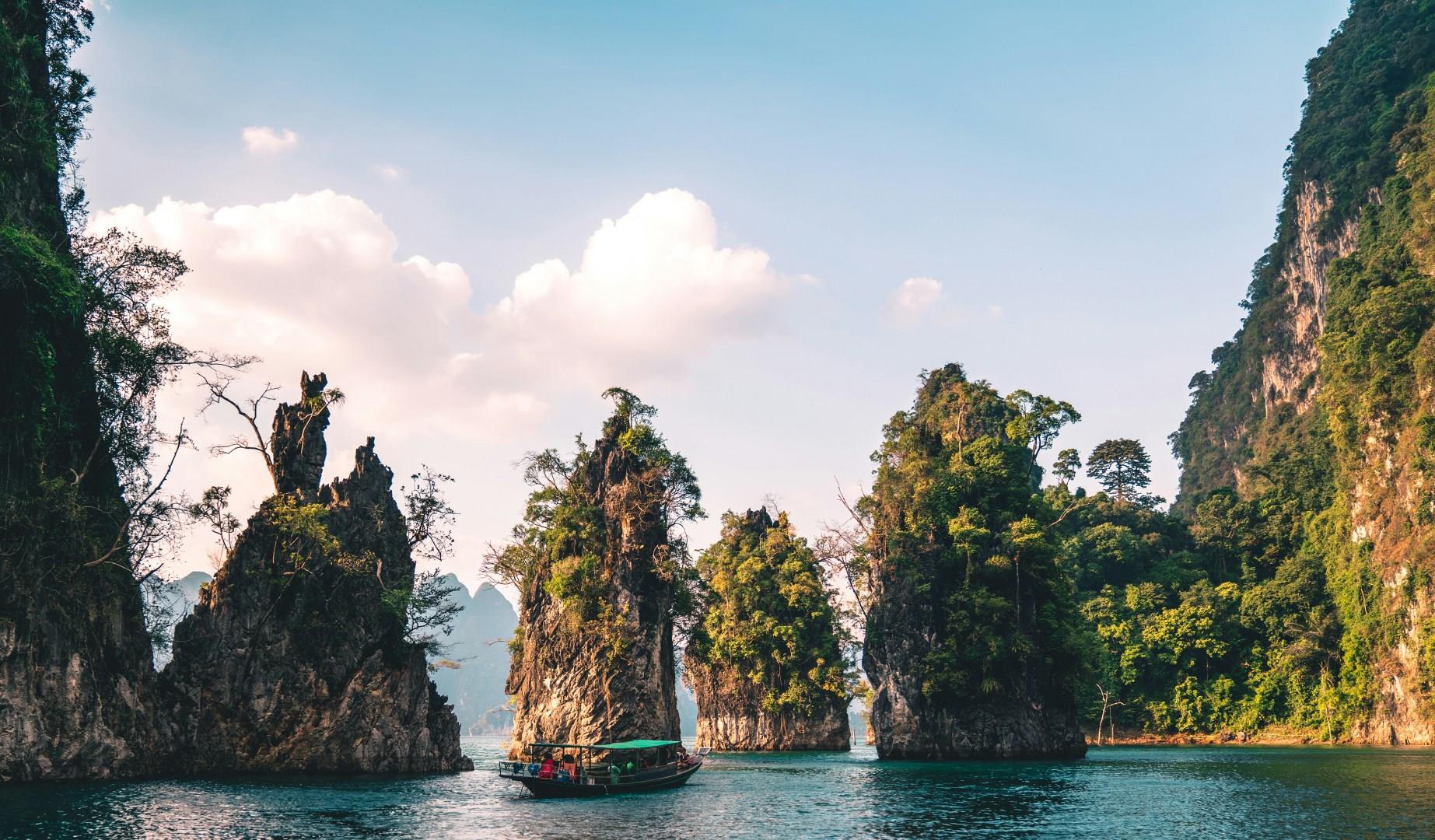
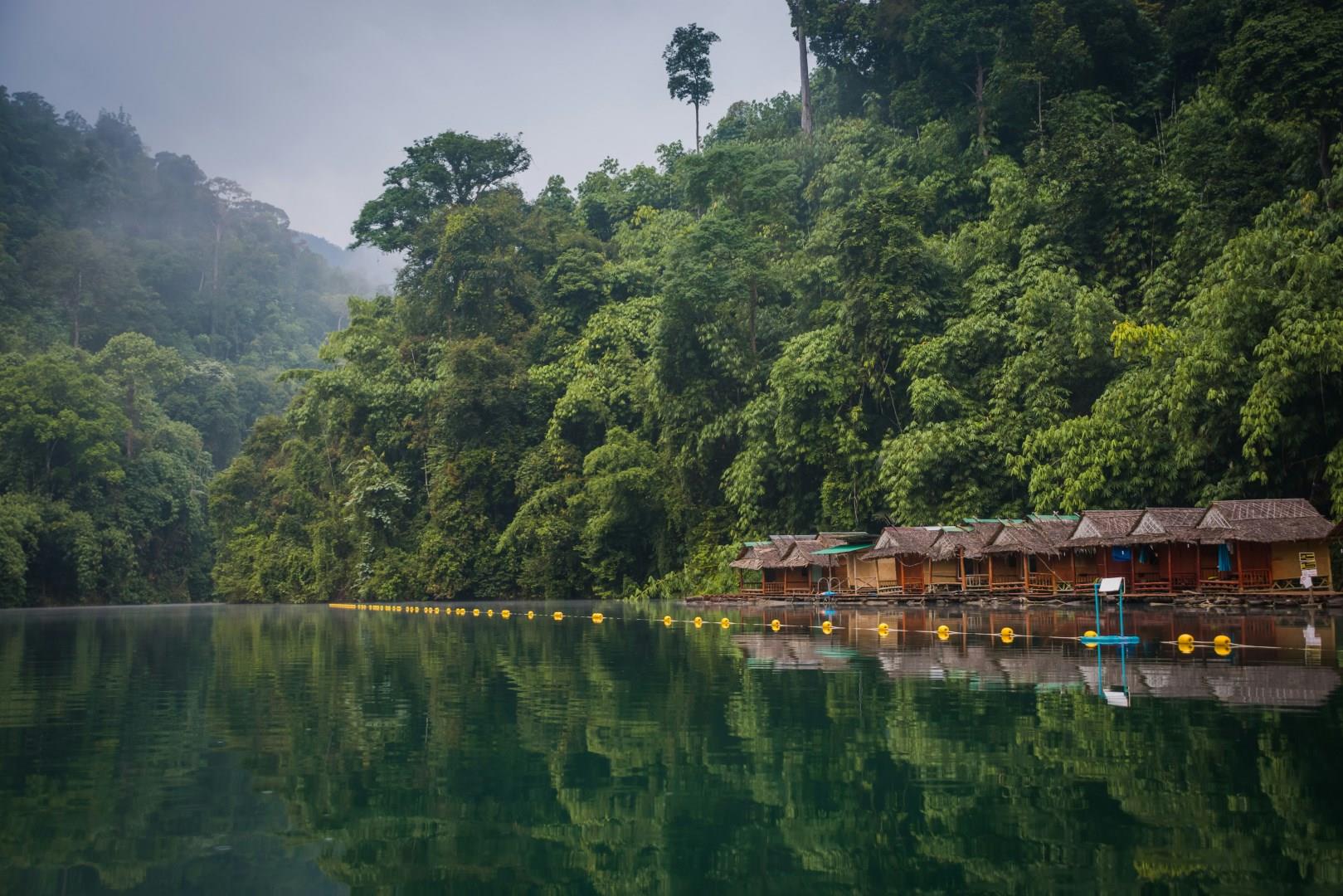
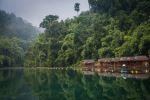
Khao Sok National Park in Thailand is a stunning natural haven that promises a truly immersive experience for nature lovers and adventure seekers. Nestled in southern Thailand, this sprawling park is renowned for its lush rainforests, dramatic limestone cliffs, and tranquil lakes. The park’s centerpiece, Cheow Lan Lake, is a breathtaking expanse of emerald waters surrounded by towering karst formations, ideal for boat tours and exploring floating lodges.
The park is a sanctuary for wildlife, offering opportunities to spot diverse species in their natural habitat. With over 300 bird species and a variety of mammals including the elusive Malayan sun bear and the rare Indochinese tiger, Khao Sok is a paradise for wildlife enthusiasts. Guided jungle treks take you deep into the heart of the forest, where you can marvel at ancient trees and cascading waterfalls.
Khao Sok’s unique limestone formations create a dramatic landscape that offers spectacular hiking and caving experiences. The Nam Talu Cave adventure is particularly popular, guiding visitors through a labyrinth of underground tunnels and chambers illuminated by natural light. For a more relaxed experience, you can enjoy a serene canoe ride along the Sok River, where the jungle canopy provides a cooling shade and a chance to spot wildlife.
Fun Fact: Khao Sok is home to one of the oldest rainforests in the world, estimated to be over 160 million years old. This ancient forest predates even the Amazon and harbors a treasure trove of biodiversity.
Visit Khao Sok between November and April for the best weather conditions, with less rain and pleasant temperatures that make for ideal outdoor adventures. This hidden gem in Thailand promises an unforgettable escape into one of the world’s most enchanting natural landscapes.