Lancaster
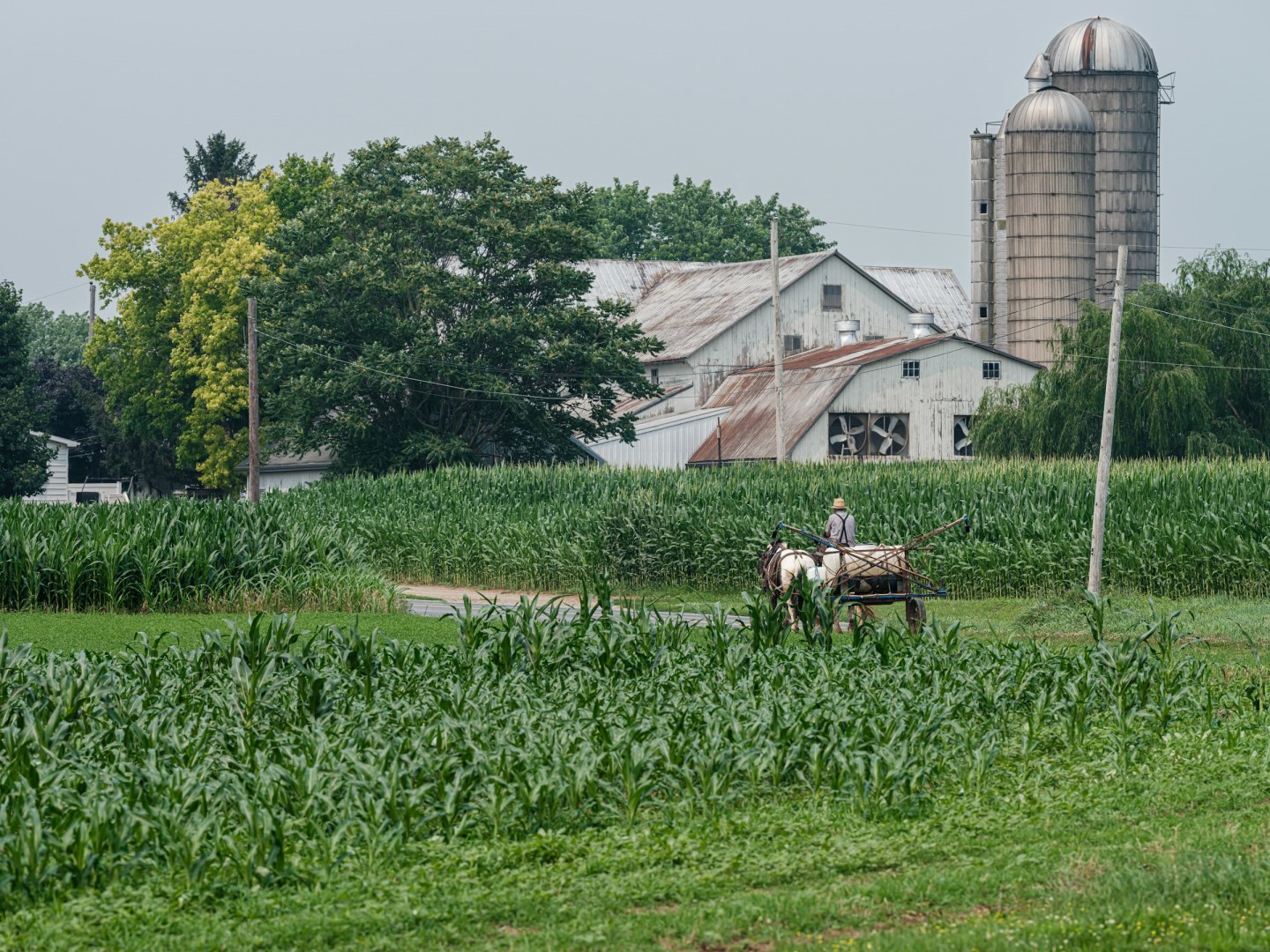
Lancaster, located in south-central Pennsylvania, is a city known for its rich history, vibrant culture, and picturesque surroundings in the heart of Pennsylvania Dutch Country.
Albanian Riviera
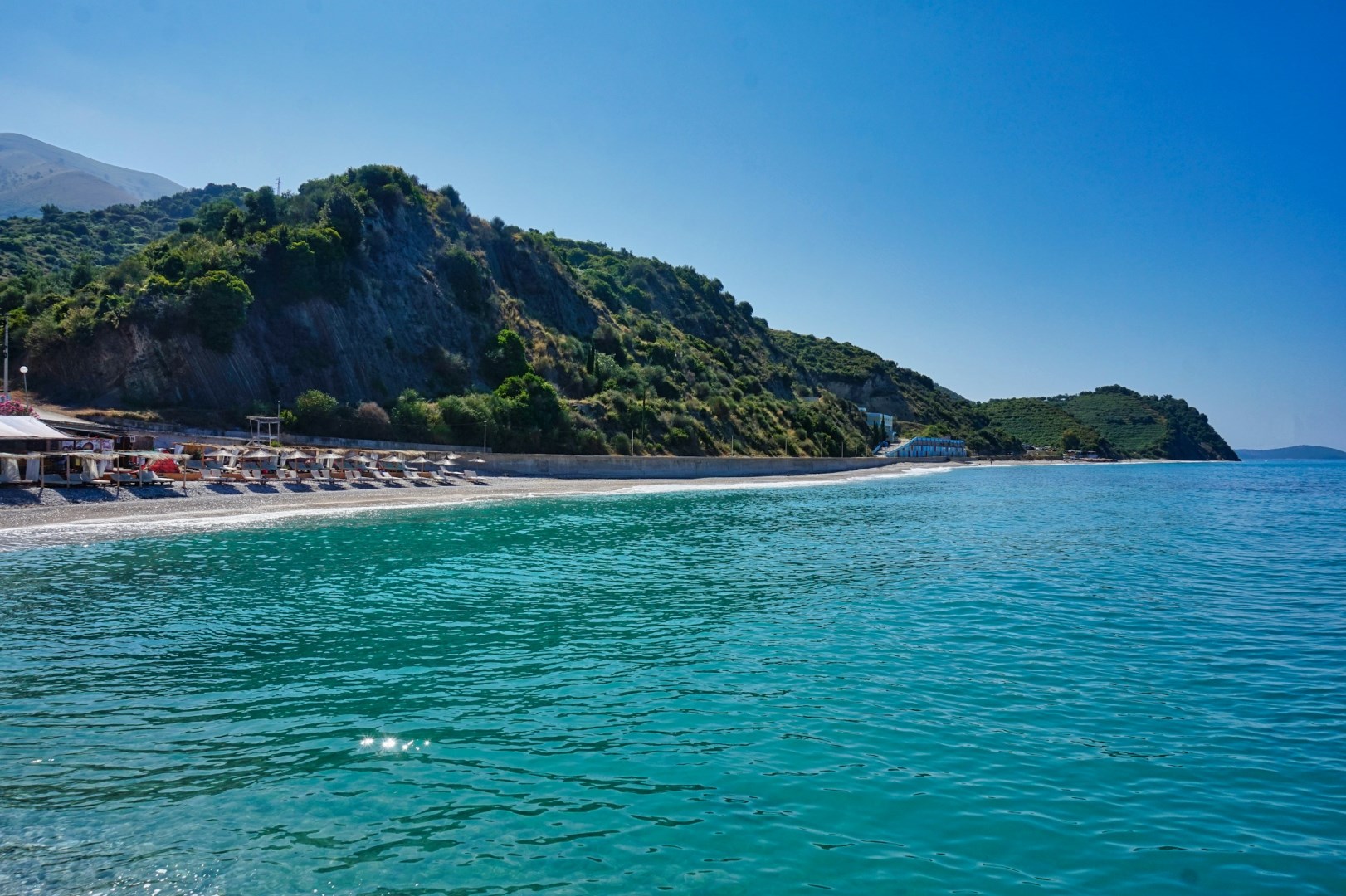
The Albanian Riviera is a stretch of Ionian coastline in southern Albania, extending from the Llogara area toward Sarandë and including coastal settlements such as Palasë, Dhërmi, Vuno, Himarë, Qeparo, Borsh, and Lukovë. The landscape combines steep mountain slopes with rocky coves, sandy and pebble beaches, olive groves, and clear coastal waters.
Wildwood
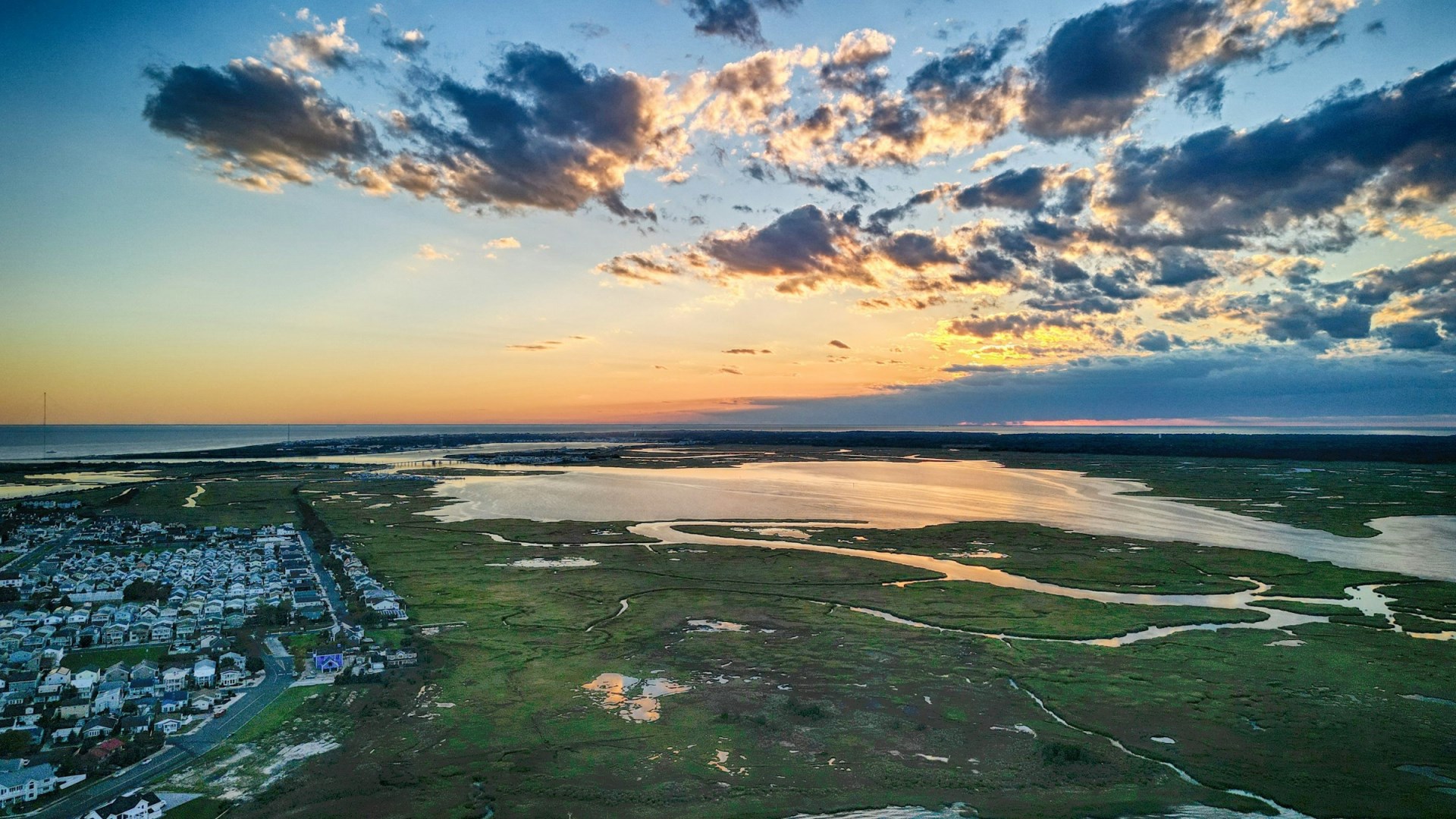
Wildwood is a seaside city on the barrier island of southern New Jersey, known for its broad beaches, oceanfront boardwalk, and distinctive collection of mid-century resort architecture. The community sits between the Atlantic Ocean and the back bays of Cape May County, giving it a landscape shaped by dunes, tidal wetlands, and coastal waterways. Its compact resort district contrasts with quieter residential areas and marshy edges.

Golubac
Golubac, a picturesque town on the banks of the Danube River in Serbia, is a destination known for its rich history and stunning natural beauty. The town is home to the Golubac Fortress, a medieval stronghold dating back to the 14th century, which offers stunning views of the Danube and the surrounding landscapes.

Hartford
Hartford, Connecticut, is a city rich in history and culture, offering visitors a unique blend of New England charm and urban energy. Known as the “Insurance Capital of the World,” Hartford has deep roots in finance, but its appeal extends far beyond business. The city is home to stunning historic architecture, vibrant museums, and a lively arts scene. A visit to the Wadsworth Atheneum Museum of Art, the oldest public art museum in the U.S., is a must.