
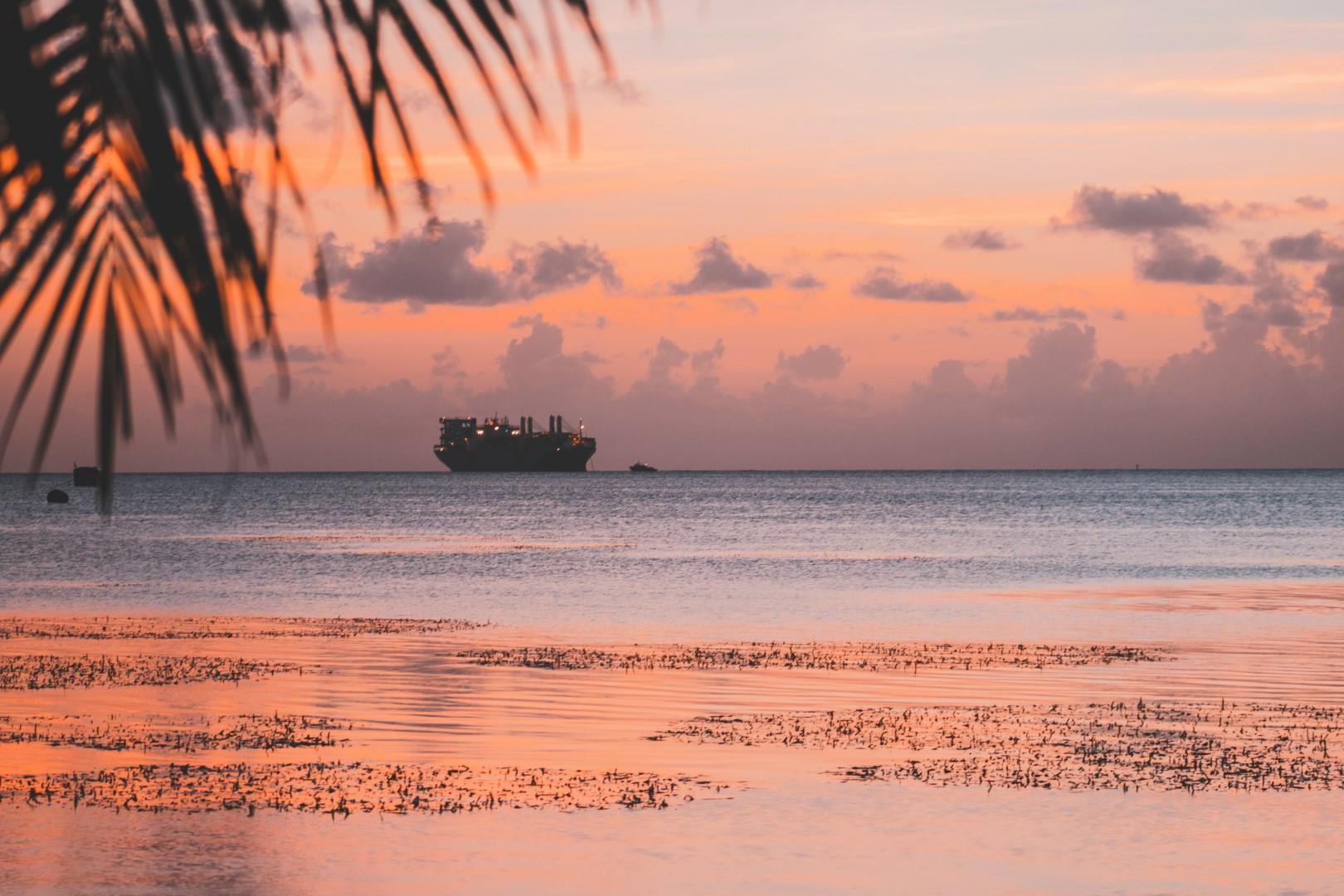
Saipan Island
Saipan, the largest of the Northern Mariana Islands, offers a rare combination of deep historical roots, island traditions, and dramatic landscapes. Located in the western Pacific, this U.S. territory was once the site of one of the most pivotal battles in the Pacific during World War II. Visitors today can explore the remains of bunkers, tanks, and hidden caves at sites like Suicide Cliff, Last Command Post, and the American Memorial Park.
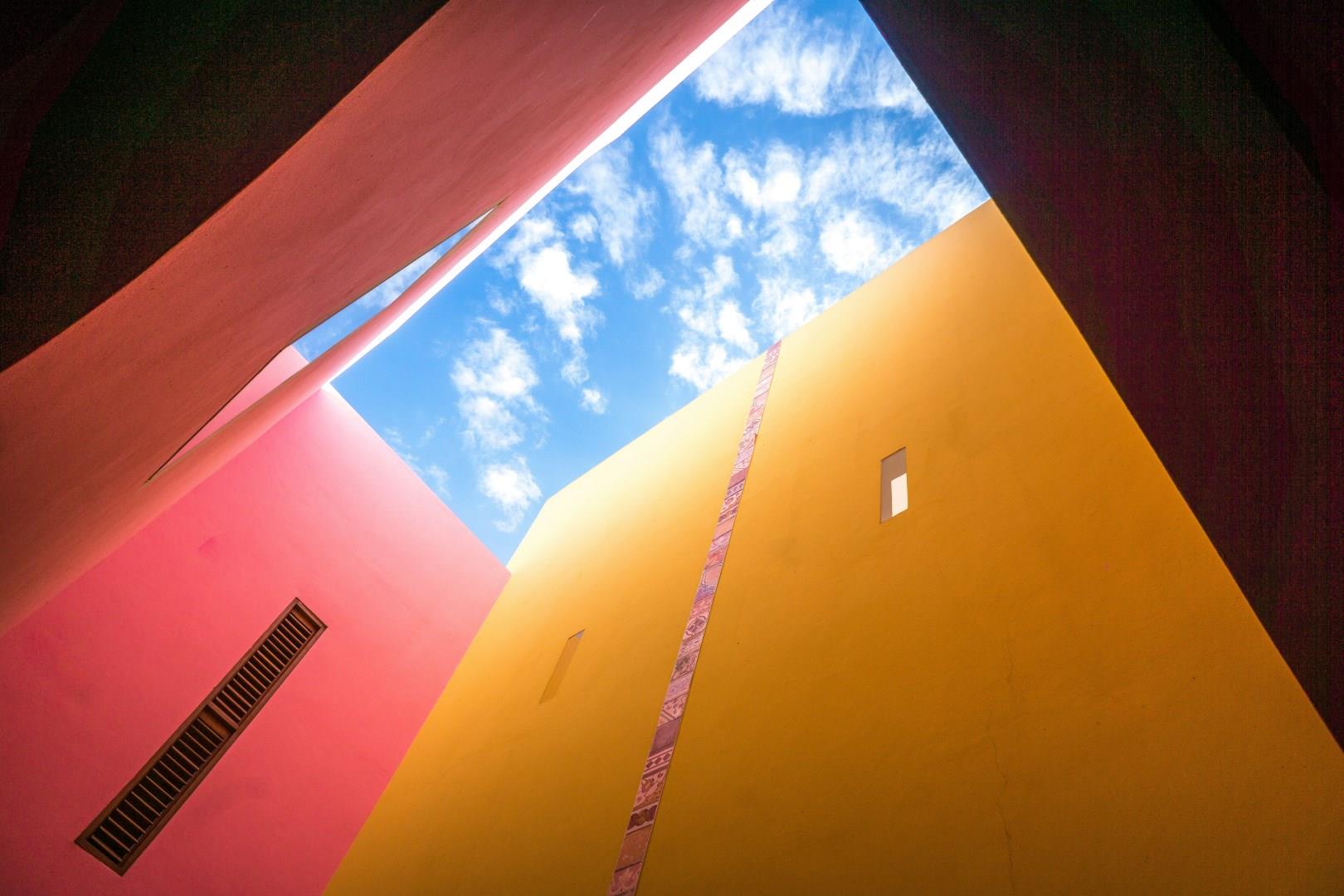
Mérida
Merida was once the sprawling capital of the Mayan empire and the center of their universe. Merida is now the center of a cosmopolitan universe, built on Mayan heritage, and given a unique twist by French and Mediterranean immigrants. Days are spent exploring the city's many museums and equally fascinating shopping districts. At night, local music can be heard from just about every park in the city, inviting newcomers to enjoy a romantic and fun-filled evening.
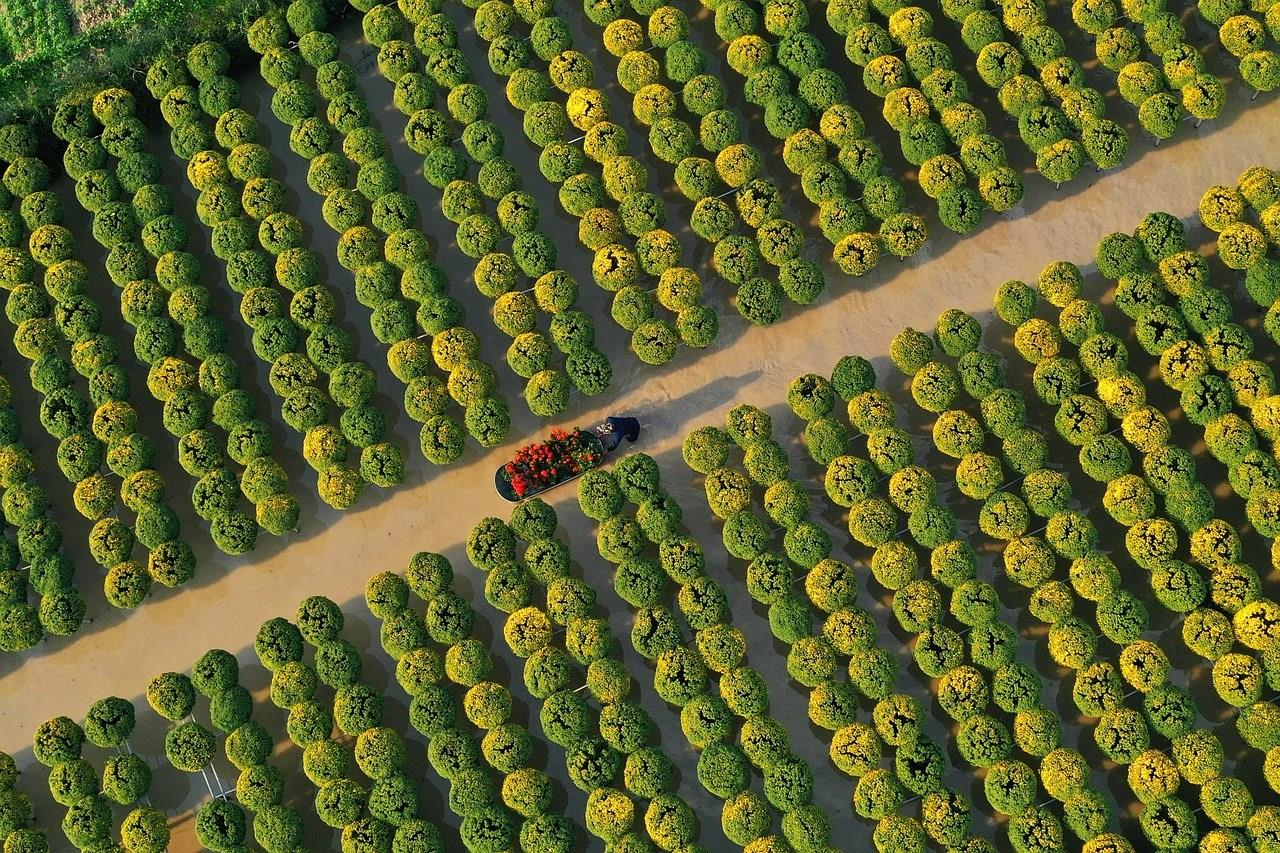
Sa Dec
A lesser-known river port in the Mekong Delta, Sa Dec was once the capital of Dong Thap province of southern Vietnam. Today, it is best known for its flower gardens and authentic bustling market. The city is also famous as the setting for French writer Marguerite Duras' 1984 novel, The Lover, and its 1991 film adaptation of the same name.

St. Martin
St. Martin is a unique Caribbean island that blends two distinct cultures within a single destination. The northern side, Saint-Martin, is an overseas collectivity of France, while the southern side, Sint Maarten, is part of the Kingdom of the Netherlands.
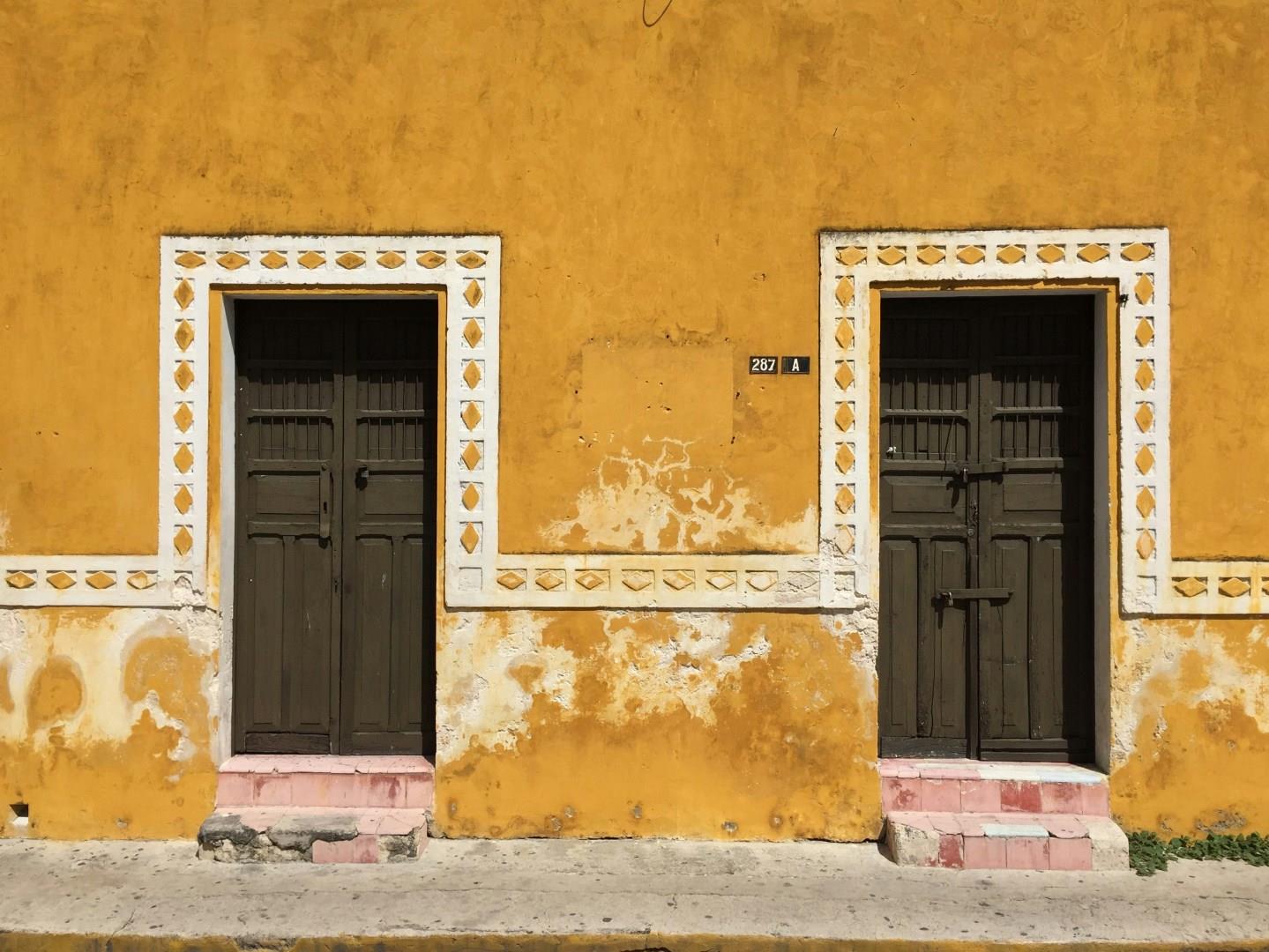
Izamal
Izamal, located in the heart of Yucatán, stands out as a city where centuries of history are layered in plain sight. Known as the “City of Three Cultures,” it combines ancient Maya ruins, Spanish colonial architecture, and modern-day Yucatecan life. One of the most striking features of Izamal is its golden-yellow buildings, painted this distinctive color in honor of Pope John Paul II’s visit in 1993.


