Alton
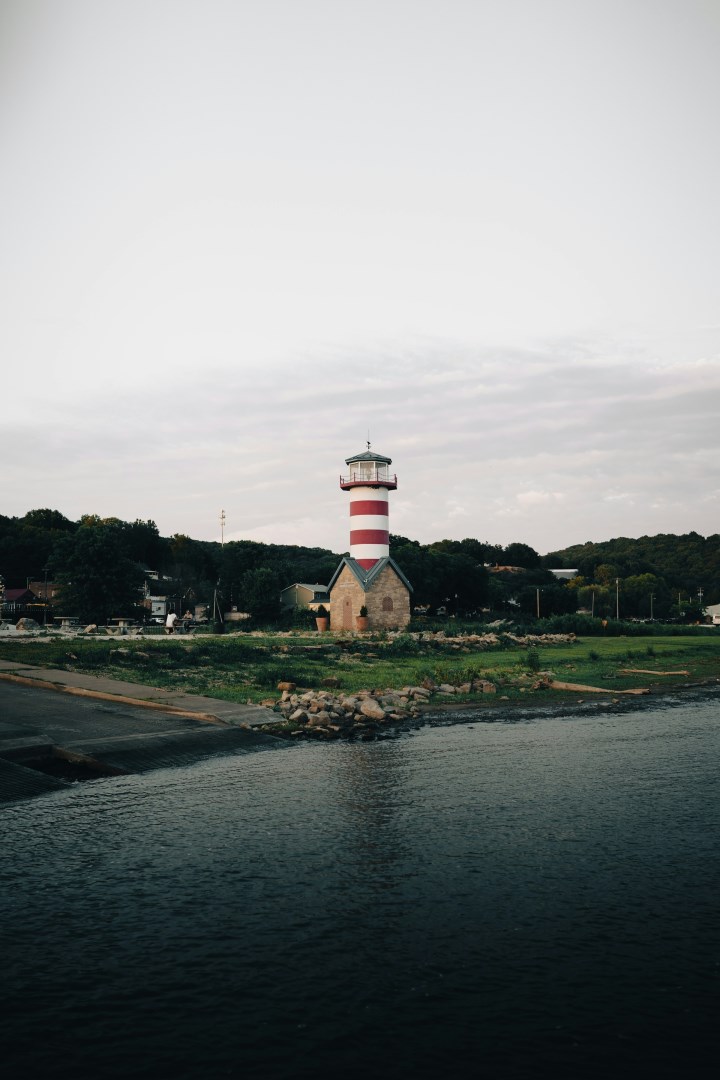
Alton is a historic Mississippi River city in southwestern Illinois, located about 25 miles north of St. Louis, Missouri. Its position along the river has shaped the community’s industry, transportation, architecture, and recreation. The city rises from the riverfront into wooded bluffs, creating a landscape of steep hills, limestone outcrops, and broad views across the Mississippi. Downtown Alton contains historic commercial buildings, local restaurants, galleries, and museums, while the riverf
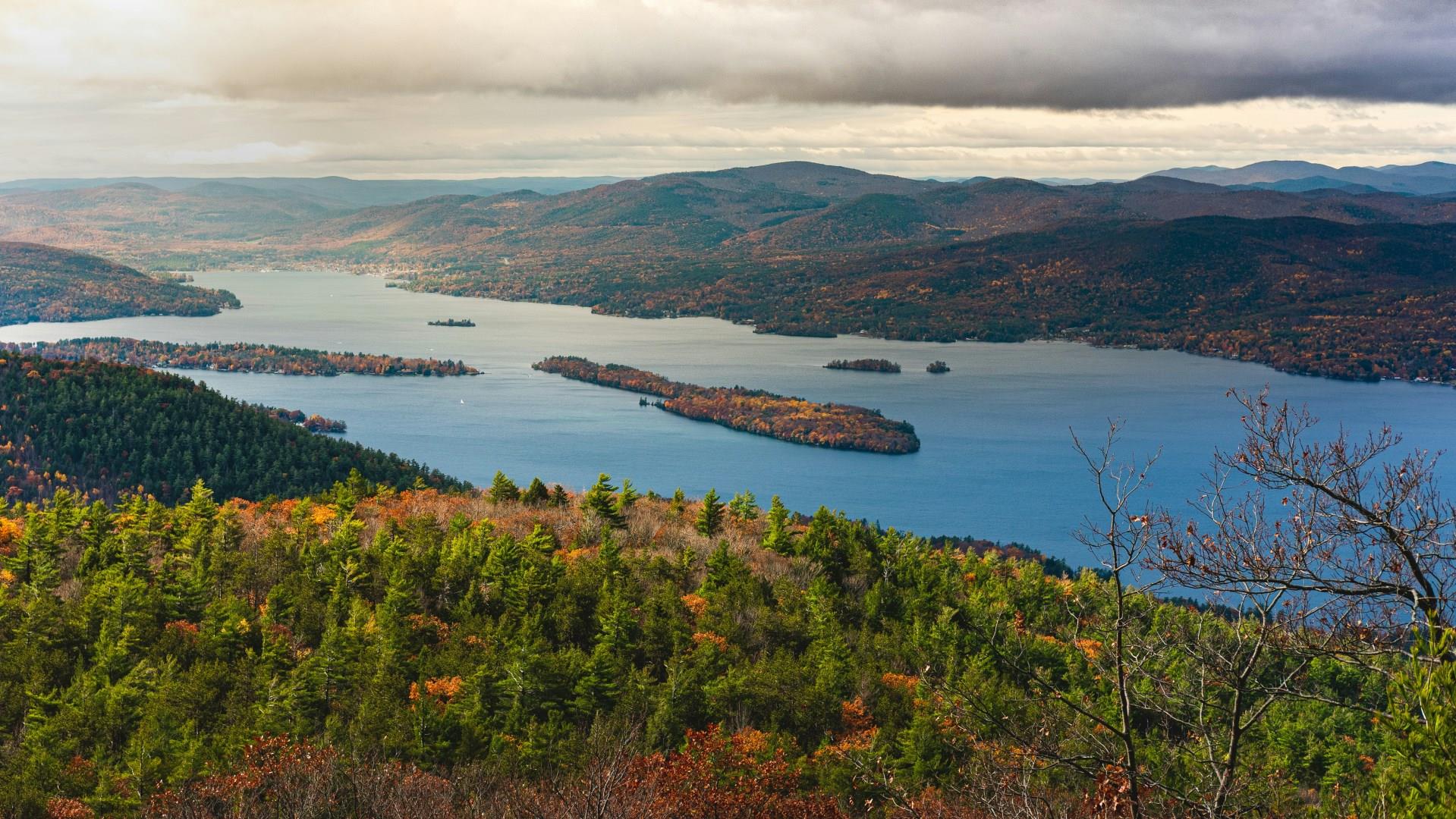
Saratoga Springs
Saratoga Springs, New York, has long drawn visitors with its bubbling mineral springs, historic charm, and a calendar full of events that give the town a lively edge. Known as “The Spa City,” Saratoga first gained fame in the 19th century for its naturally carbonated waters, believed to have healing properties. Downtown Saratoga Springs is known for its walkable streets, filled with locally owned boutiques, cafés, and bookstores.

Braşov
Nestled in the heart of Romania, Brașov is a charming city that effortlessly blends medieval history with stunning natural beauty. Encircled by the Carpathian Mountains, Brașov's well-preserved medieval architecture and vibrant cultural scene make it a must-visit destination.
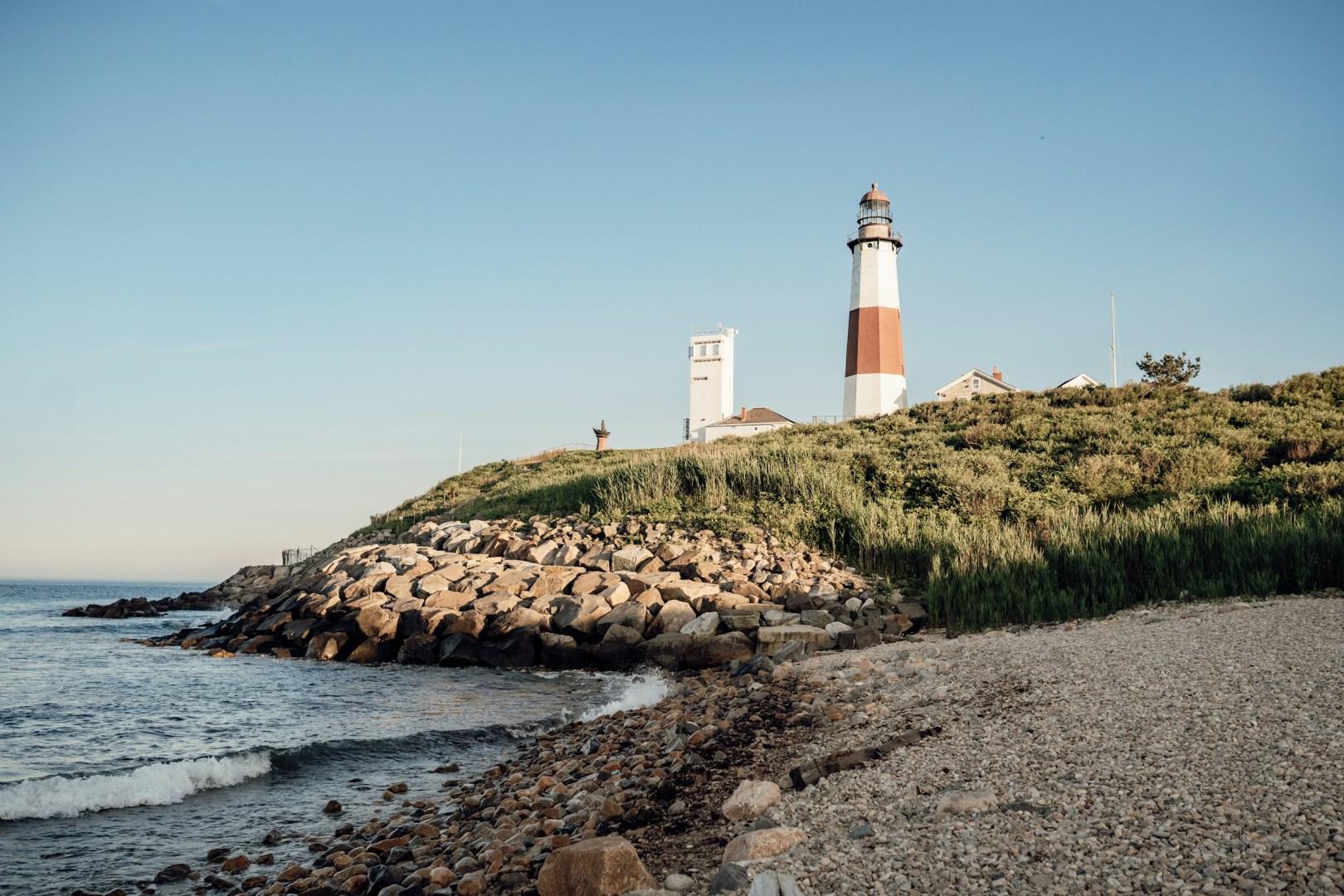
Montauk
Montauk is a coastal hamlet at the eastern end of Long Island, where the Atlantic Ocean meets Block Island Sound. Its identity is closely tied to fishing, surfing, beaches, and a working waterfront, while its location at the end of the South Fork gives it a more open landscape than many other communities on Long Island. Ditch Plains is known for surfing, while the village center contains restaurants, shops, accommodations, and services along Montauk Highway.

Fiordland National Park
Fiordland National Park, located on the southwestern tip of New Zealand's South Island, is a breathtaking wilderness that captivates visitors with its dramatic landscapes of towering fjords, cascading waterfalls, and lush rainforests. Established in 1952, Fiordland is part of the Te Wahipounamu UNESCO World Heritage site, recognized for its stunning natural beauty and unique biodiversity.