Belgium
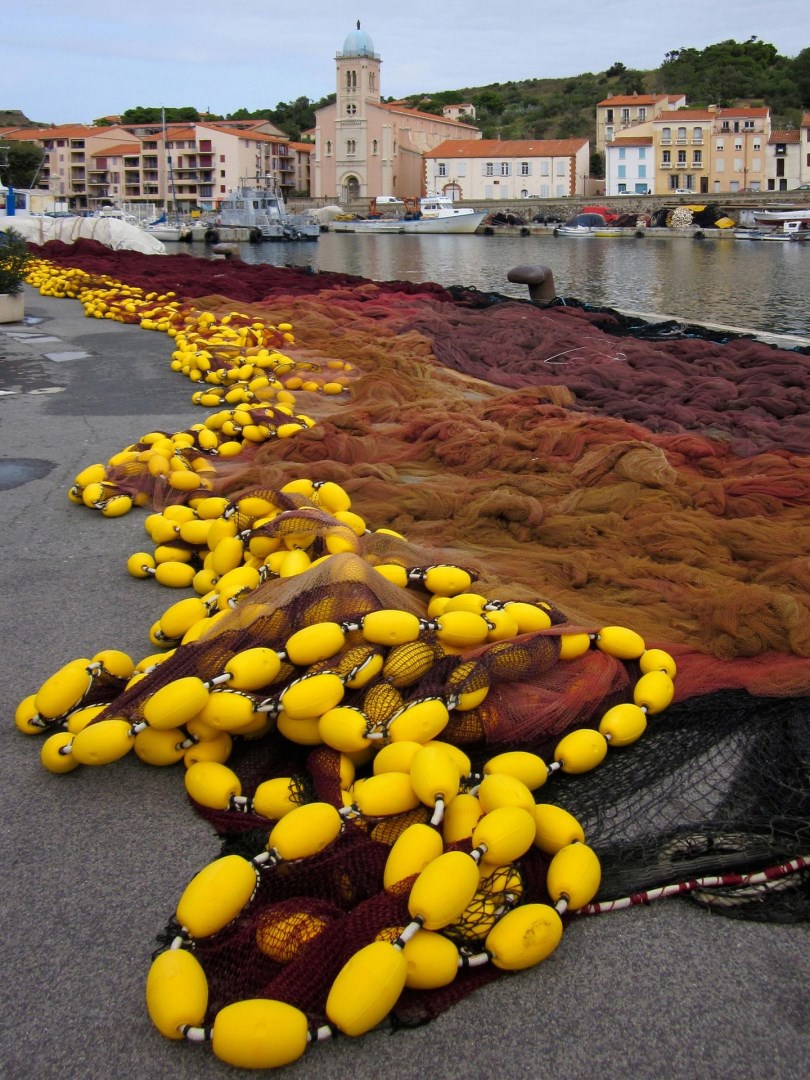
Belgium may be compact, but it offers a surprising variety of experiences shaped by centuries of shifting borders, artistic innovation, and culinary tradition. In Brussels, the Grand Place sets the stage for history and architecture in one square lined with ornate guild halls. The city is also home to the European Union’s headquarters, surrealist painter René Magritte’s former house, and a lively comic book trail that winds through murals of Tintin and other Belgian icons.
Mediterranean Sea
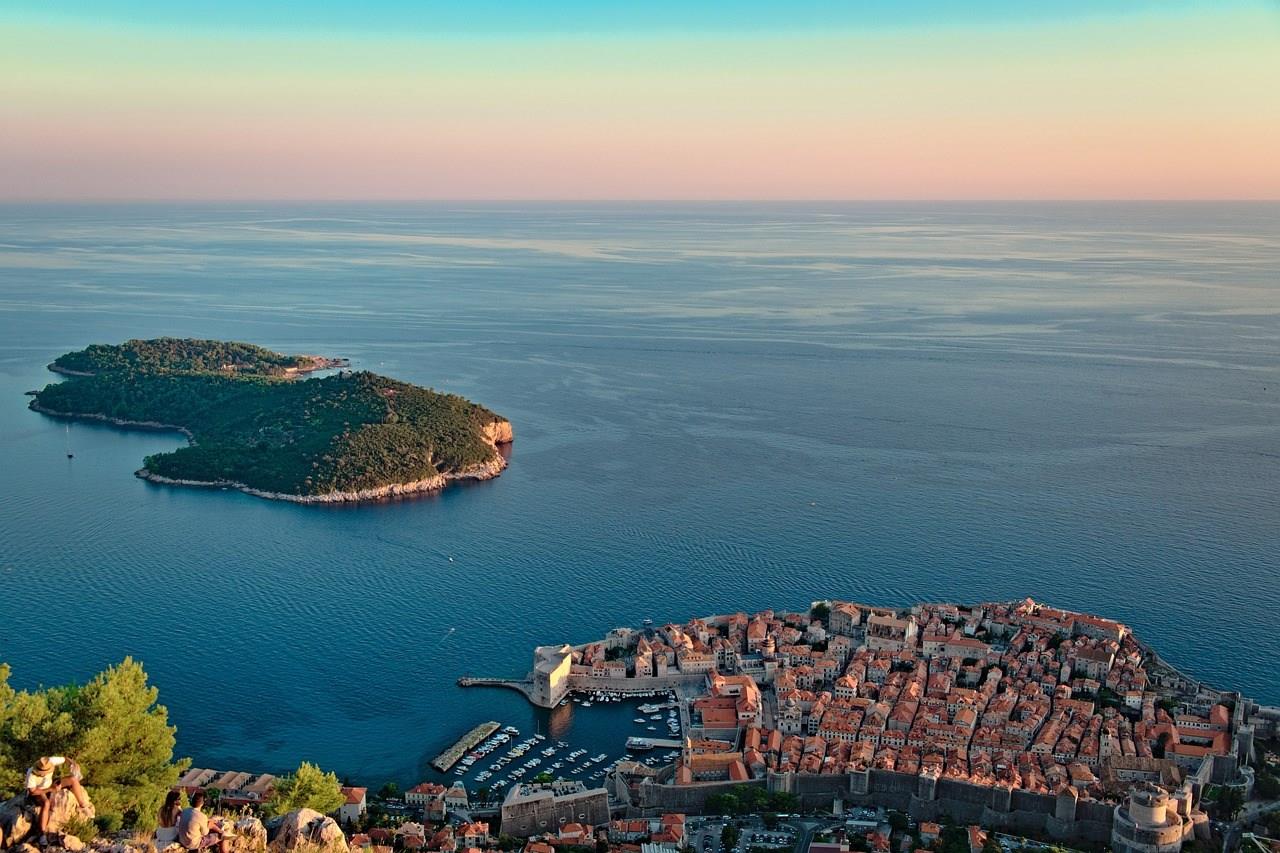
The Mediterranean Sea is more than a body of water, it’s a living crossroads of civilizations, flavors, and landscapes. Stretching across three continents and touching over 20 countries, it has been a stage for ancient empires, maritime trade, and cultural exchange for thousands of years. From the sun-drenched shores of southern Spain to the whitewashed villages of the Greek islands, each coastline tells a different story.

Dominica
Dominica, known as the “Nature Island of the Caribbean,” is a haven for eco-tourists and adventure seekers. Nestled between the French islands of Guadeloupe and Martinique, this lush island boasts a remarkable landscape of volcanic mountains, dense rainforests, and stunning waterfalls. Dominica’s most iconic natural wonder is the Boiling Lake, the second-largest hot spring in the world.

Gobi Desert
The Gobi Desert, spanning across northern China and southern Mongolia, is one of the world’s most iconic and mysterious landscapes. Known for its vast stretches of arid plains, towering sand dunes, and rugged mountains, the Gobi offers a stark, breathtaking beauty that has captivated explorers and travelers for centuries.
Boise
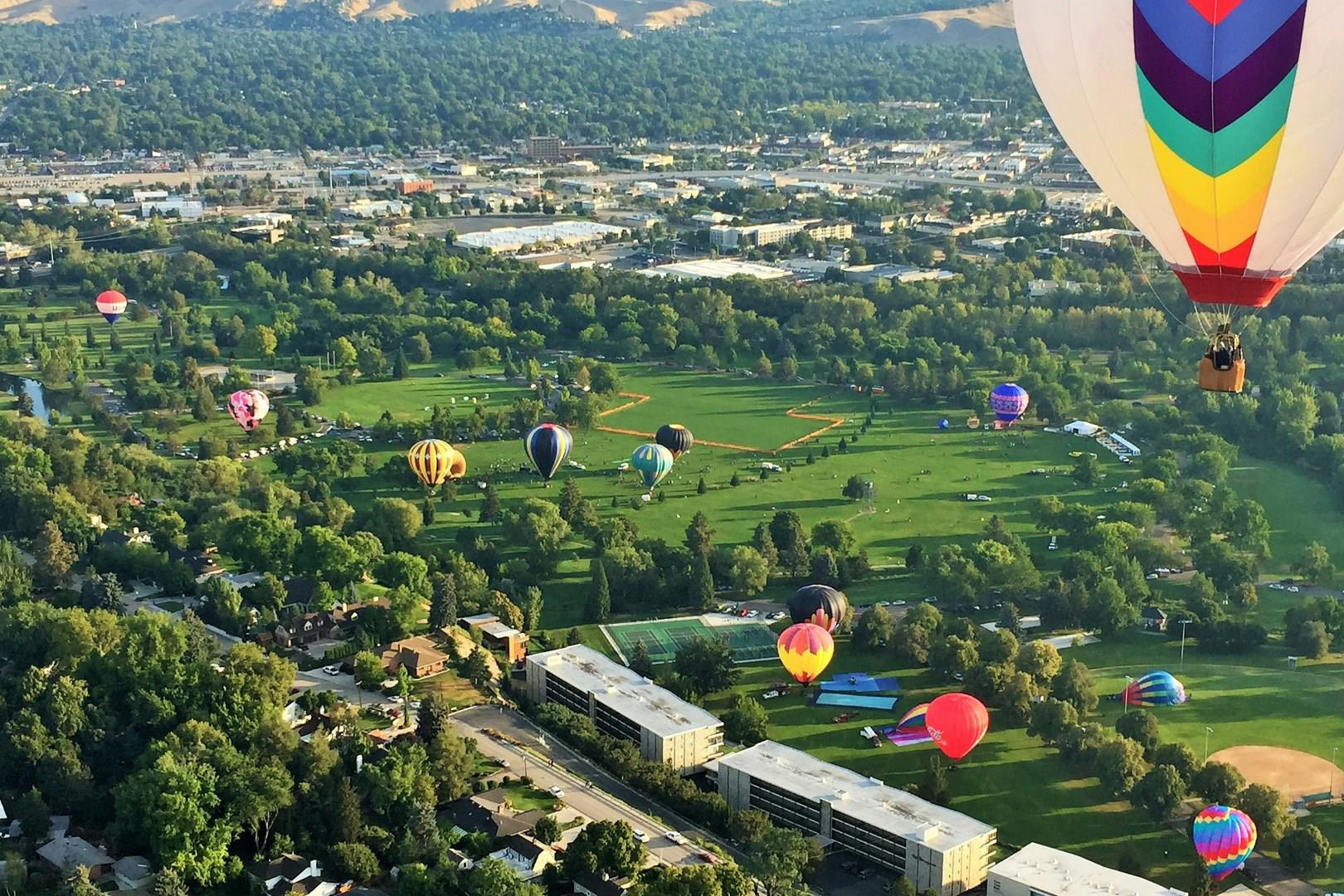
Boise, Idaho, often surprises first-time visitors with its dynamic mix of western history, creative culture, and easy access to outdoor experiences. Nestled at the base of the Boise Foothills, the city has grown from a 19th-century outpost into a capital city with a distinctly independent spirit. The downtown core is walkable and welcoming, where historic buildings now house coffee shops, craft breweries, and local boutiques.