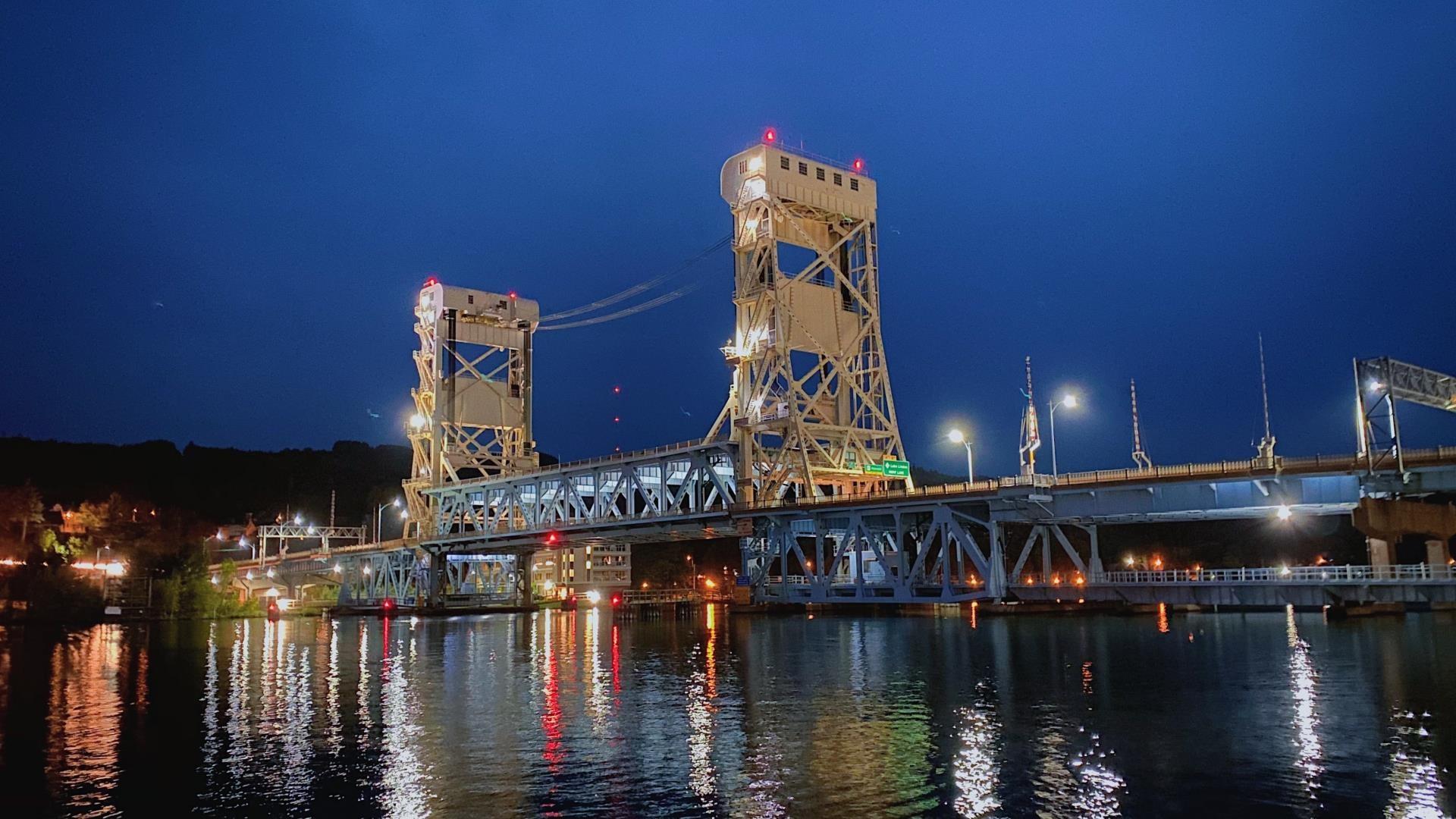
Houghton
The city of Houghton sits on Keweenaw Peninsula in the heart of Michigan's Copper Country and provides direct access to the beauty of Lake Superior. You'll find plenty to do and see in this charming city, from an abundance of winter sports, to nature trails and parks, to the fascinating A.E. Seaman Mineral Museum, located on the Michigan Technological University campus.
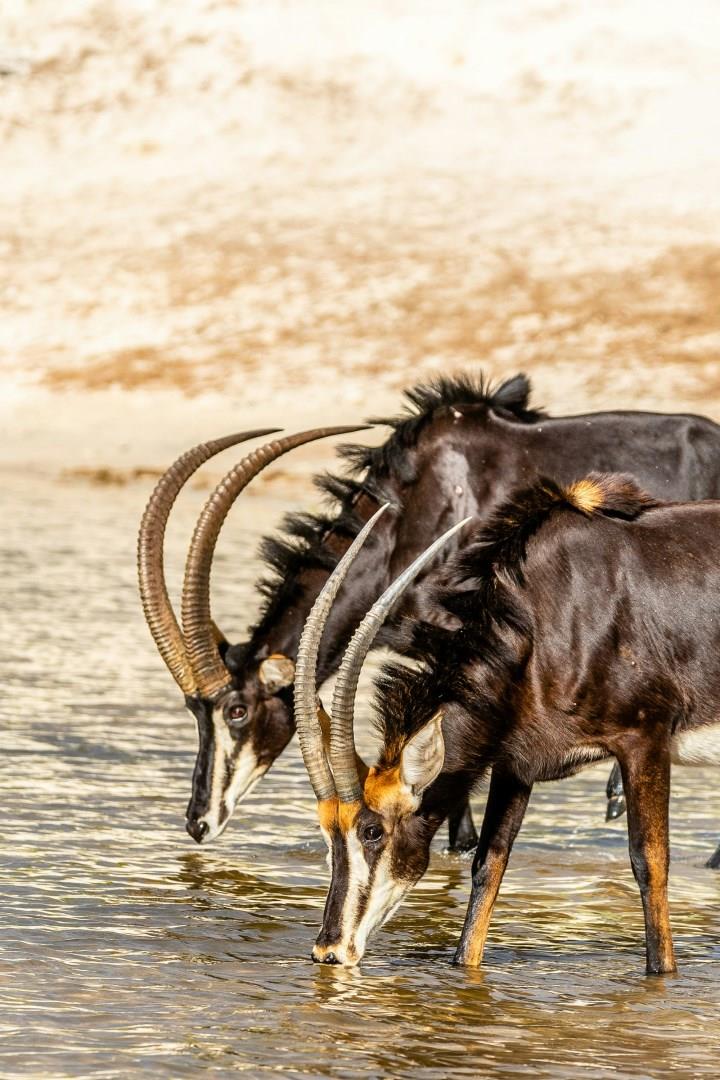
Linyanti Wildlife Reserve
Linyanti Wildlife Reserve, tucked into the northern reaches of Botswana near the Chobe River, is a remote and pristine safari destination known for its rich biodiversity and exclusivity. Covering more than 275,000 acres of wilderness, the reserve is defined by floodplains, lagoons, woodlands, and savannah, creating a mosaic of habitats that sustain an impressive array of wildlife.
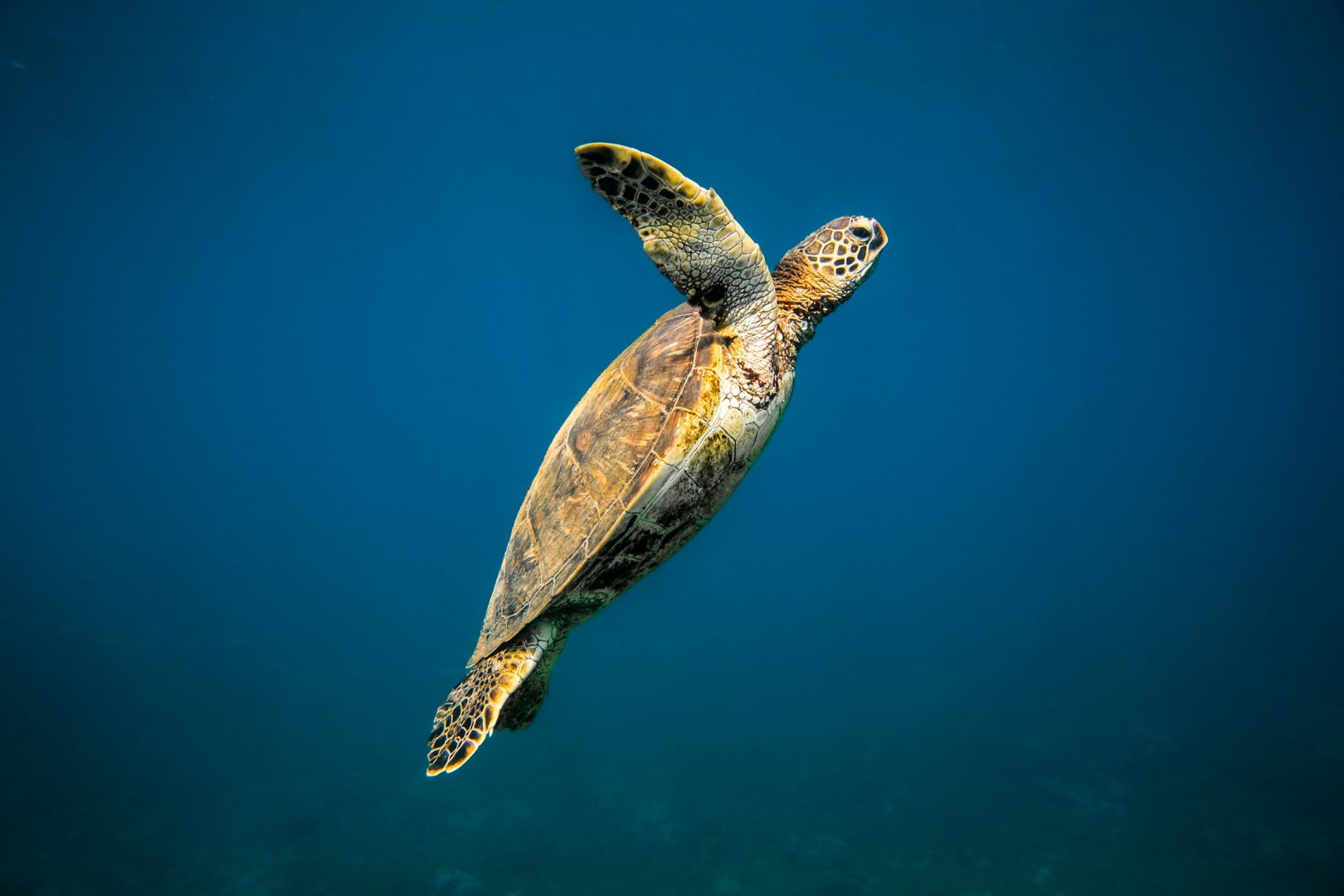
Kapalua, Maui
Kapalua is a coastal resort community on the northwest side of Maui, Hawai‘i, set between the West Maui Mountains and the Pacific Ocean. Its landscape includes sheltered bays, volcanic slopes, former agricultural land, and coastal trails, with views toward neighboring islands on clear days.
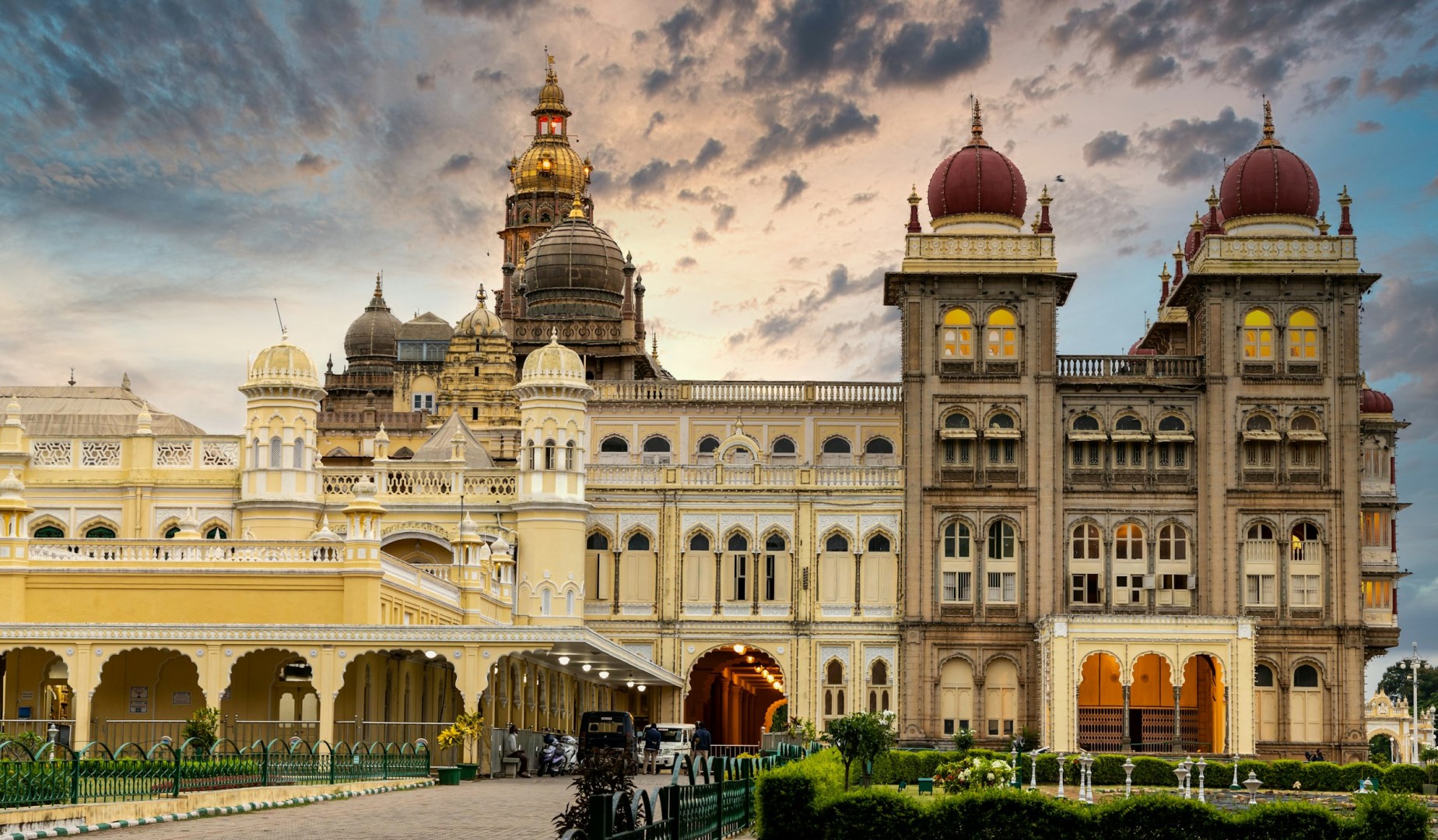
Mysore
Mysore, often called the “Cultural Capital of Karnataka,” is a city where centuries-old royal heritage meets living tradition. Located at the foothills of the Chamundi Hills, it is best known for its palaces, wide boulevards, and colorful festivals. Once the seat of the Wadiyar dynasty, Mysore still carries an unmistakable royal influence that can be seen in its architecture, markets, and cultural celebrations.

Doha
Doha presents a journey where heritage and modern design intersect gracefully. The Museum of Islamic Art, designed by I. M. Pei, rises from the Corniche and houses ceramics, textiles, manuscripts, and metalwork spanning fourteen centuries. Nearby, the National Museum of Qatar, shaped like a desert rose, narrates the country's story through immersive exhibits and architecture by Jean Nouvel. These institutions offer perspectives on both art and national identity.