Sanremo
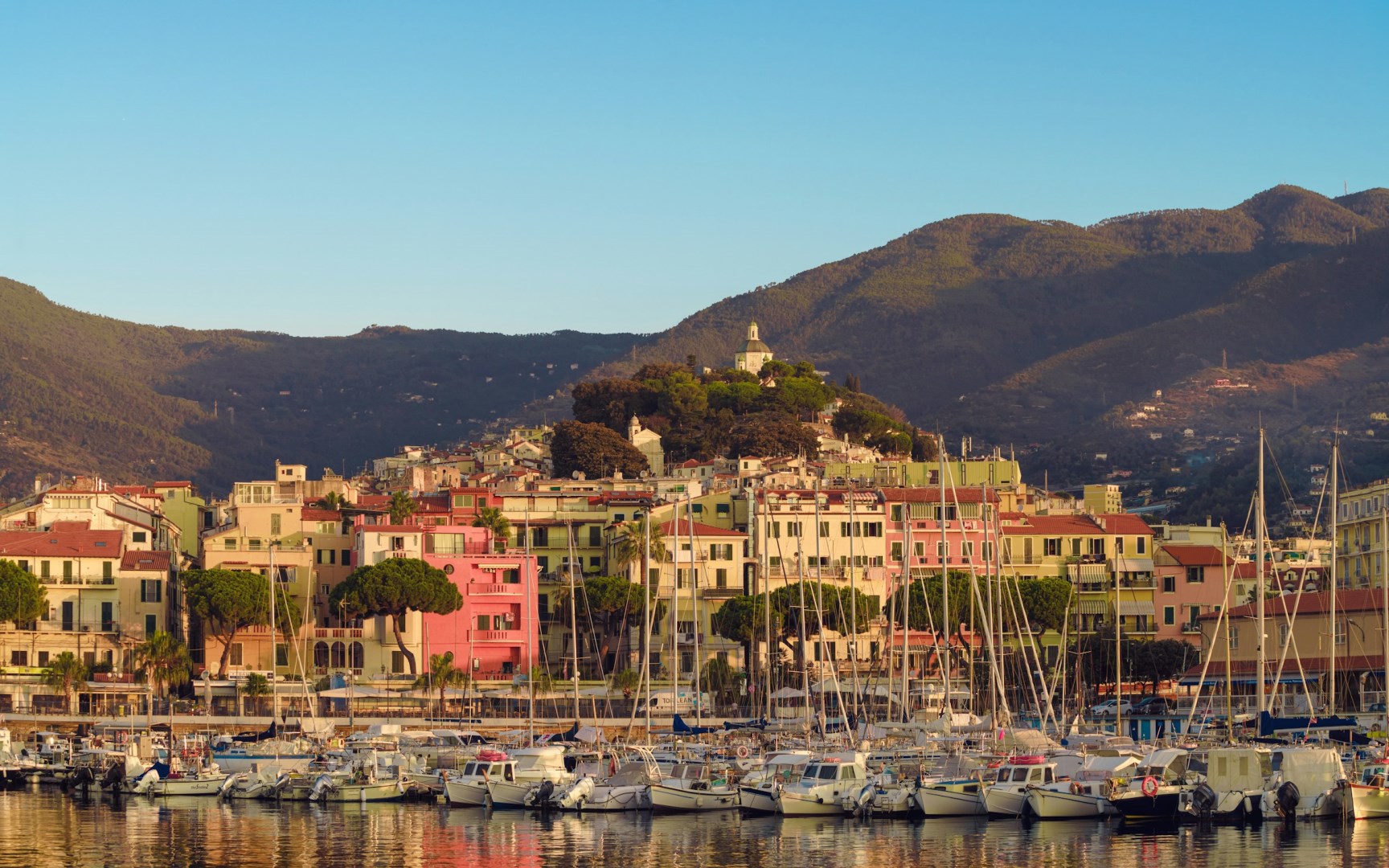
Sanremo is a coastal city in northwestern Italy. Its green spaces include the park of Villa Ormond, with a Japanese garden, palm trees and ancient olive groves.
La Fortuna
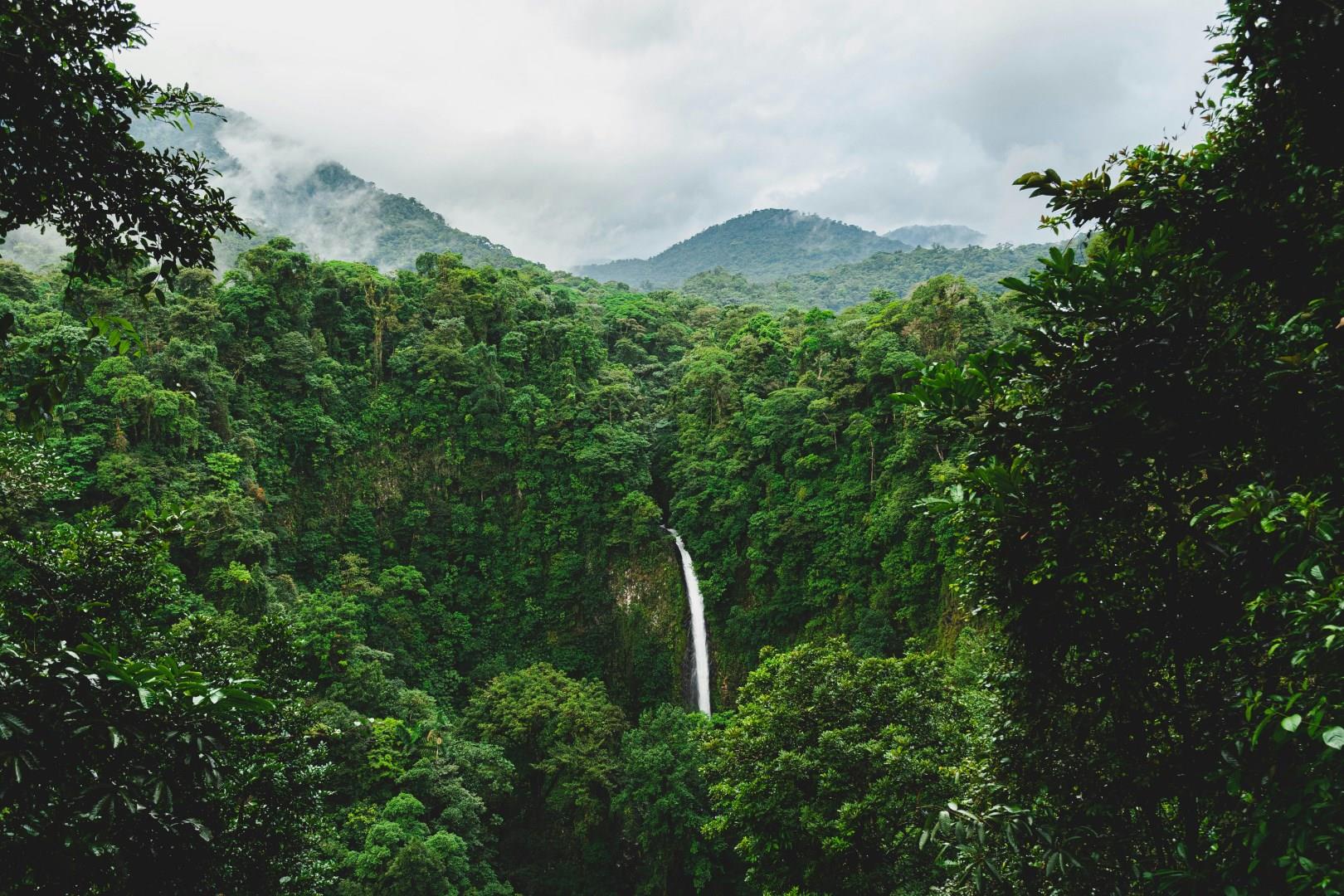
La Fortuna is a town in northern Costa Rica, located in the San Carlos region at the base of Arenal Volcano. It is known for rainforest landscapes, geothermal hot springs, and outdoor activities connected to the surrounding mountains and rivers.
Lighthouse Reef
This natural reef and its uninhabited islands are home to one of the natural wonders of Belize, the Blue Hole. An underwater shaft that drops from a ten-foot-deep lagoon, it opens into a series of elaborate, stalactite-filled caverns. A true diver's paradise!

Ravello
Nestled high on the cliffs of Italy’s Amalfi Coast, Ravello is a gem of medieval charm and stunning vistas. This picturesque town is renowned for its breathtaking views of the Tyrrhenian Sea and its lush gardens, such as the famed Villa Cimbrone.

Tórshavn
Tórshavn, the capital of the Faroe Islands, offers a unique blend of Scandinavian charm and rugged natural beauty. Nestled between dramatic fjords and windswept landscapes, Tórshavn is one of the smallest and most picturesque capitals in the world. Visitors can start their exploration in the historic Tinganes area, the cradle of Faroese civilization.