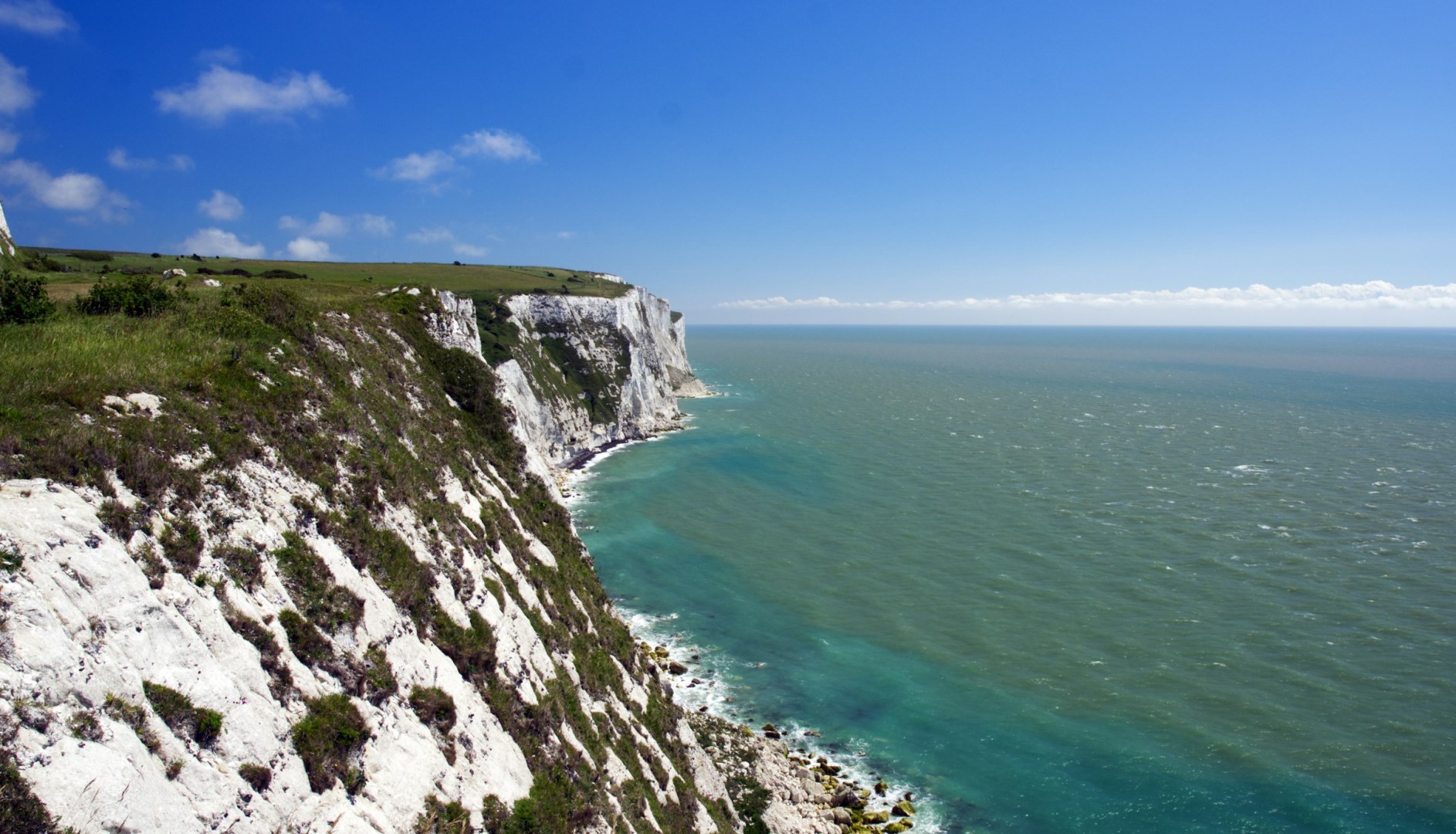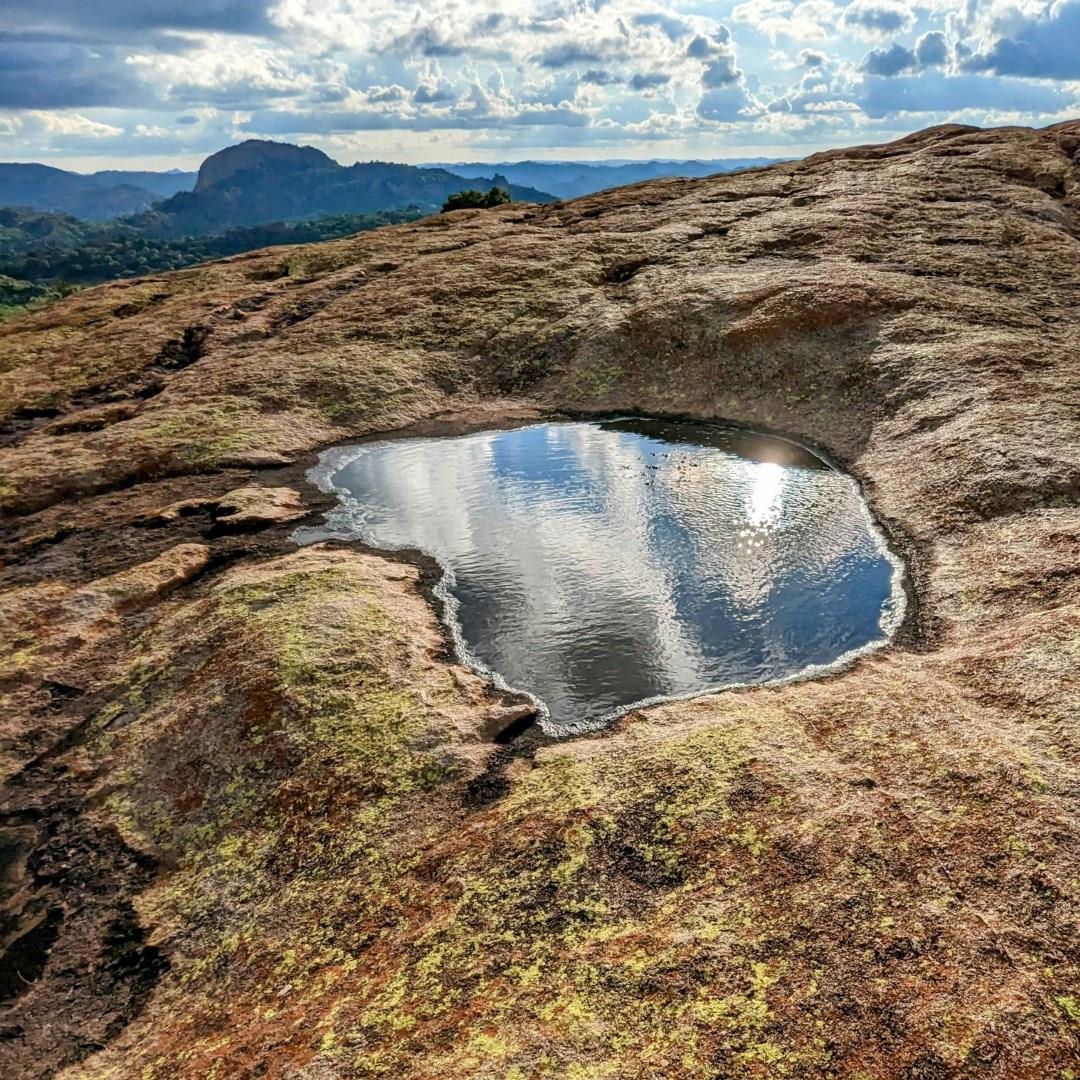
Matobo National Park sits in the rolling hills of southern Zimbabwe stands as one of the country’s most remarkable landscapes. Its granite domes, balancing rocks and wooded valleys have formed over more than two billion years, creating a setting that feels both ancient and alive. As a UNESCO World Heritage cultural site, the park preserves a landscape that has shaped human life here for millennia, drawing travelers to explore its unusual terrain and storied past.
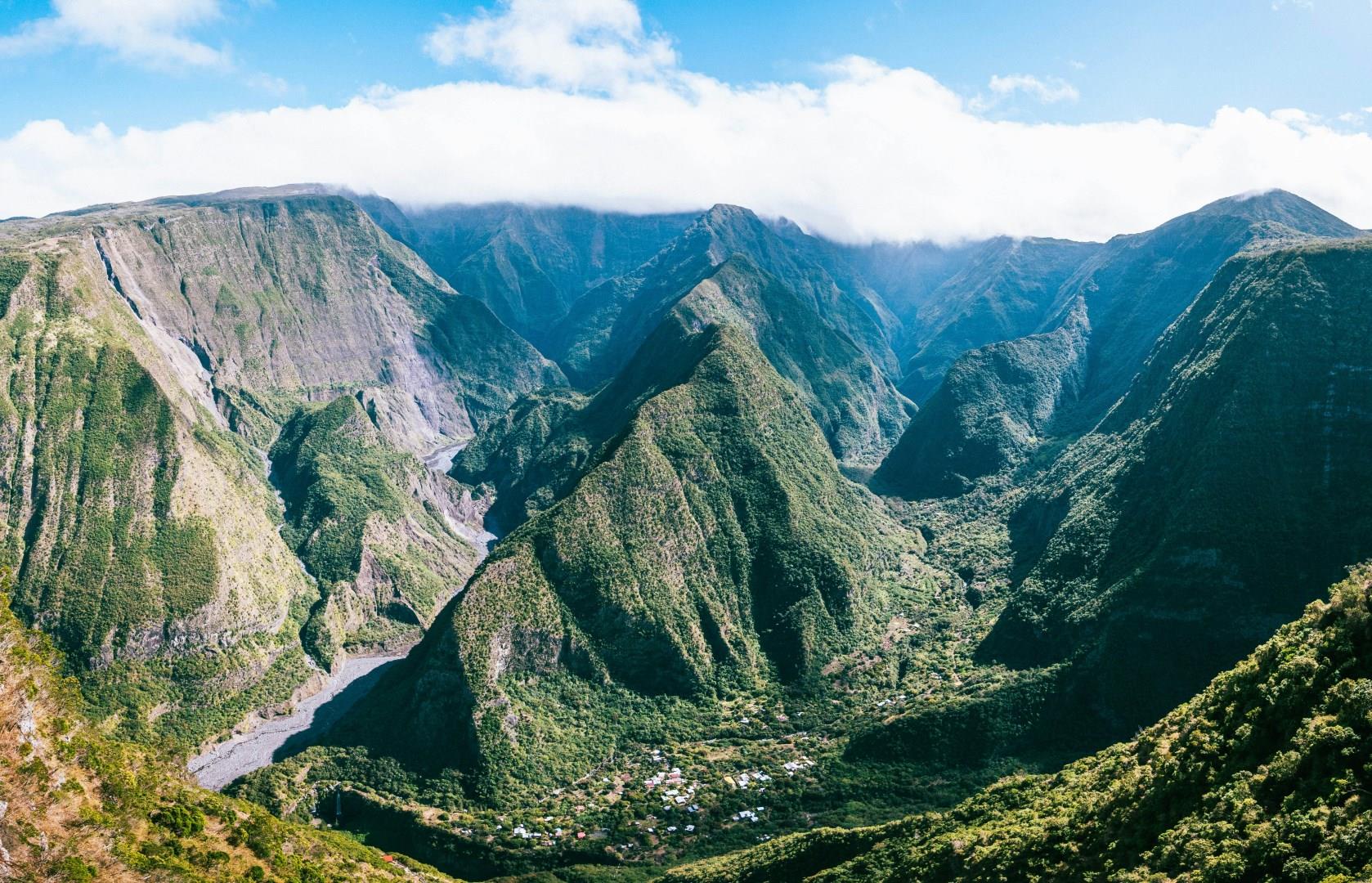
Réunion, a French overseas department in the Indian Ocean, lies east of Madagascar and combines European and Creole influences in a tropical setting. Its volcanic landscapes, lush forests, and coastal towns make it an extraordinary destination for those seeking both culture and nature.
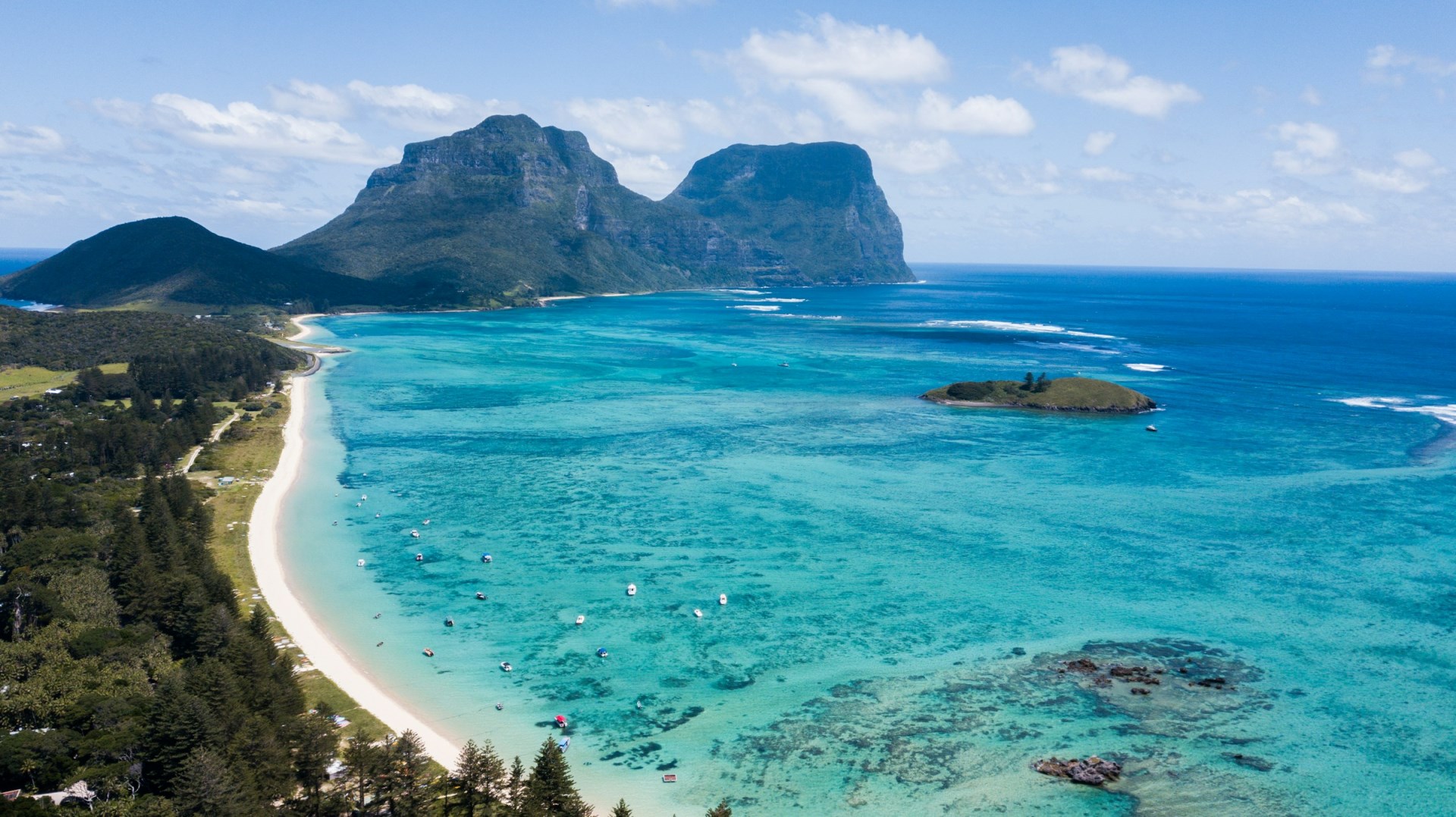
The historic city of Dover, nestled on the southern coast of England, is a captivating destination known for its iconic White Cliffs and strategic maritime heritage. Overlooking the Strait of Dover, these towering chalk cliffs offer breathtaking views across to France and serve as a symbol of Britain's resilience.
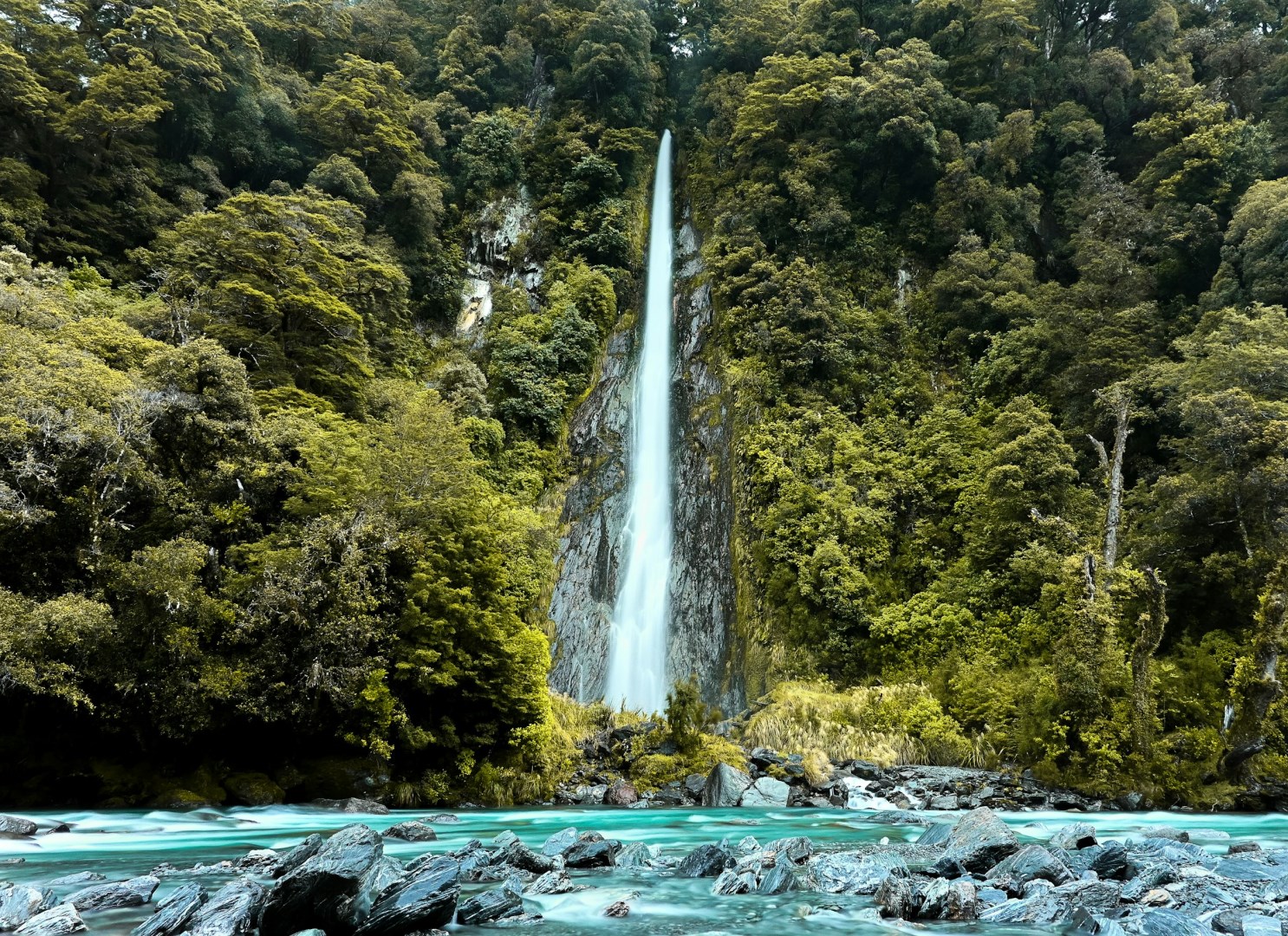
Mount Aspiring National Park occupies a large section of the Southern Alps in New Zealand’s South Island, extending across remote mountain country between Wānaka, Glenorchy, and the Haast Pass area. Covering more than 350,000 hectares, the park contains high peaks, glacial valleys, rivers, forests, alpine lakes, and extensive wilderness.
No airport, a single unnamed village, clear waters and white-sand beaches make Mayreau a quiet, rustic getaway. About 200 people live on this 1.5 mile (2.5km) long island just west of the Tobago Cays. Most visitors arrive via small cruise ships that dock at Saline Bay on the southwestern shore - making the island's other beaches best for seclusion. Salt Whistle Bay, at the northern end of the island, is protected from rough Atlantic breakers by a long narrow arm. This gorgeous bay has clear waters, beautiful white sands, calm swimming conditions and a protected anchorage for visiting yachts. The 20 minute walk from the village (near the middle of the western coast) to Salt Whistle Bay follows a path lined by cacti and scored by birdsong. There's a good view from the hilltop stone church at the northern side of the village.
Take a time machine to another century. One road, one pick up truck and more farm animals than citizens. Hunt for sea shells, sunbathe and surrender to the peace and quiet that make this a most serene island.
Other Popular Destinations in St. Vincent & the Grenadines
Bequia
Bequia, the largest of the Grenadines, is a hidden gem in the Caribbean Sea that captivates visitors with its unspoiled beauty and warm, welcoming atmosphere. Often described as the "island in the clouds," Bequia (pronounced "Bek-way") offers a tranquil escape where turquoise waters meet lush green hills. The island's charm lies in its simplicity—no sprawling resorts or crowded beaches, just a peaceful haven where time seems to stand still.
Kingstown
Kingstown, the vibrant capital of St. Vincent and the Grenadines, is a captivating blend of Caribbean charm and historical intrigue. Located on the southwestern coast of the island of St. Vincent, this bustling port city offers a gateway to explore both its colonial past and vibrant present. Start your exploration at the Fort Charlotte which overlooks Kingstown Harbor.