
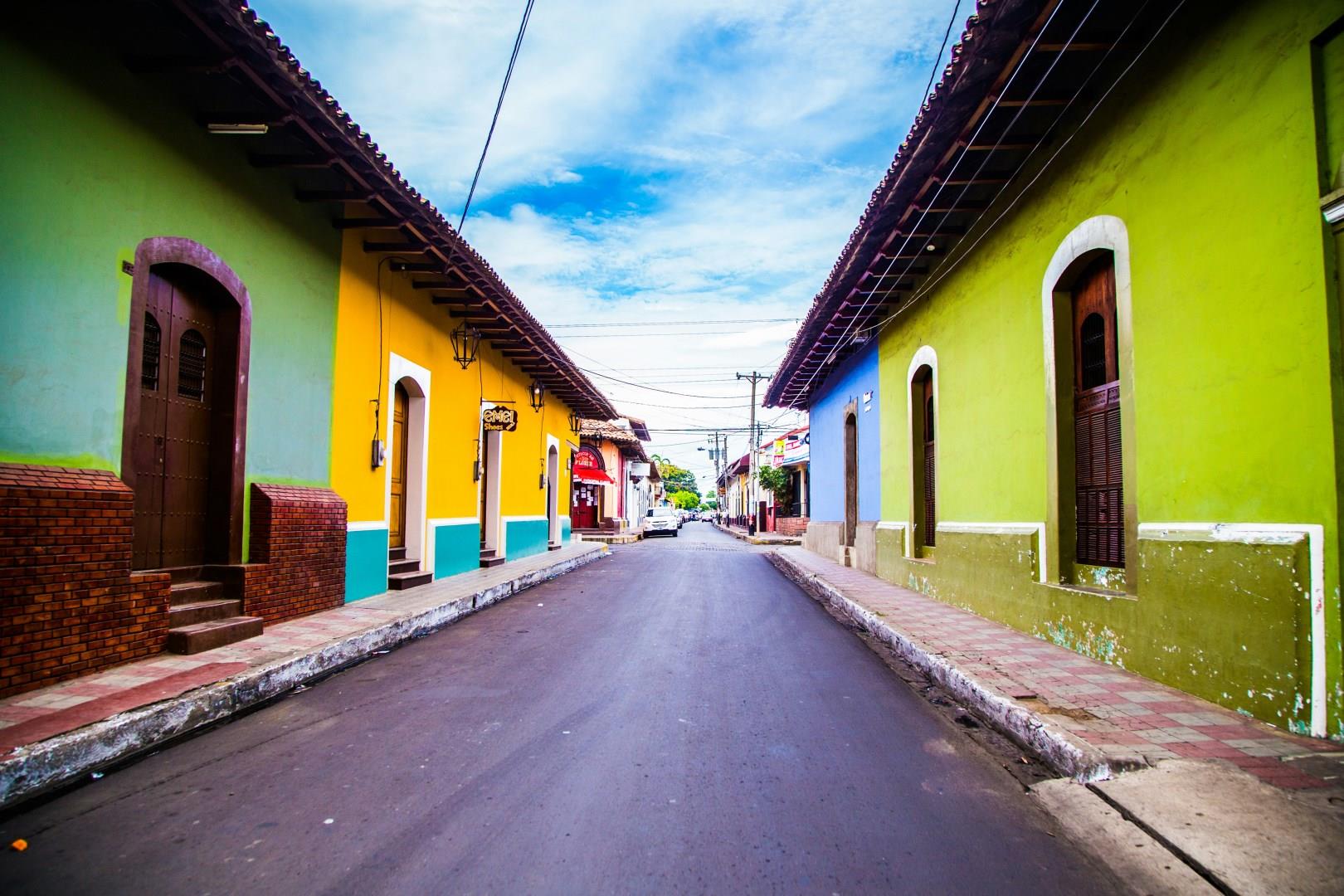
León
León, Nicaragua serves as the country’s capital for more than two centuries and still feels like the intellectual and political heart of Nicaragua. The city is known for its revolutionary past, visible in murals that stretch across building walls, telling stories of resistance, poets, and everyday citizens. The Cathedral of León, the largest in Central America and a UNESCO World Heritage Site, dominates the central square.
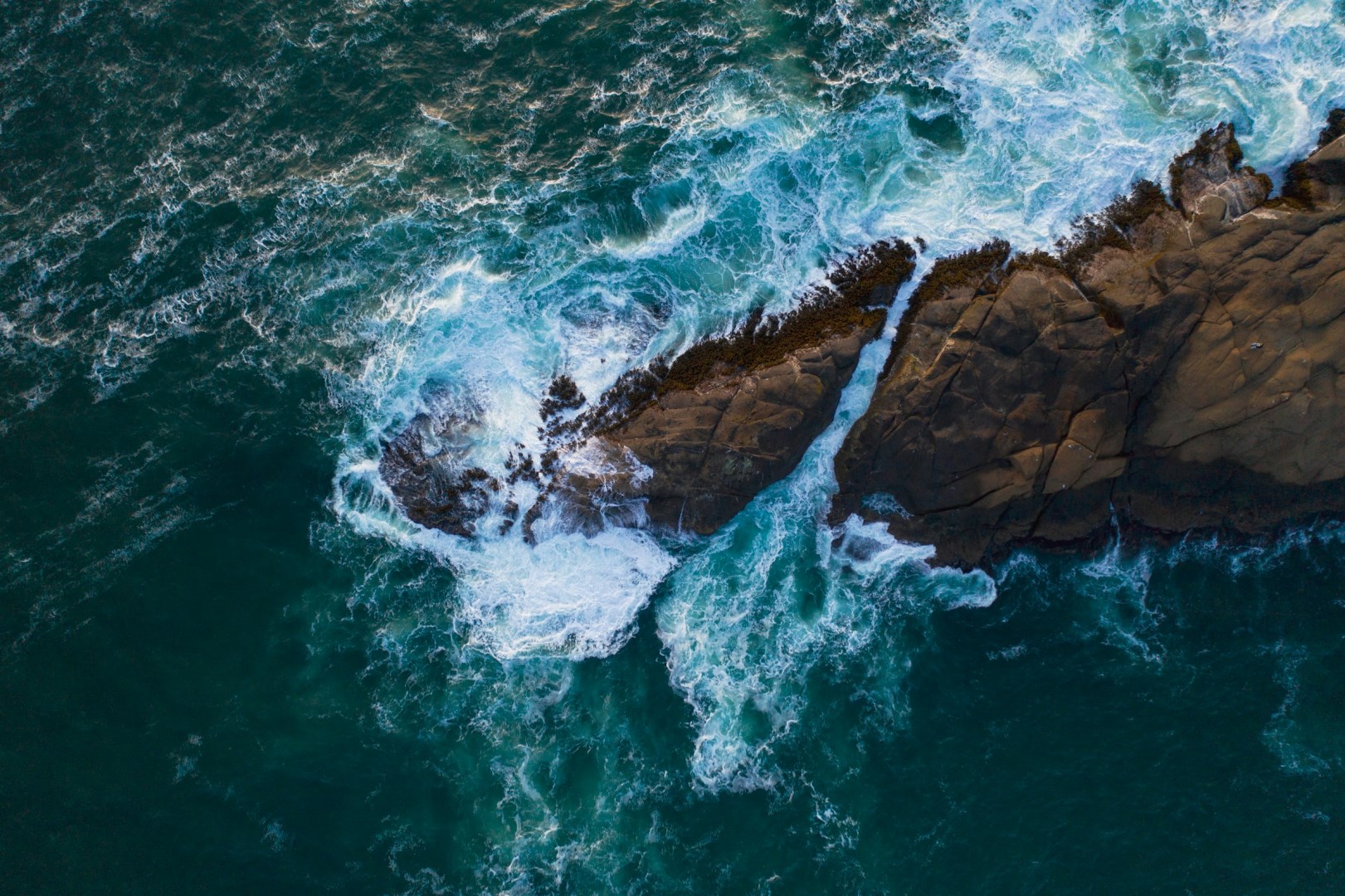
Depoe Bay
Located on the Oregon coast, and is one of the prettiest beach towns in Oregon.
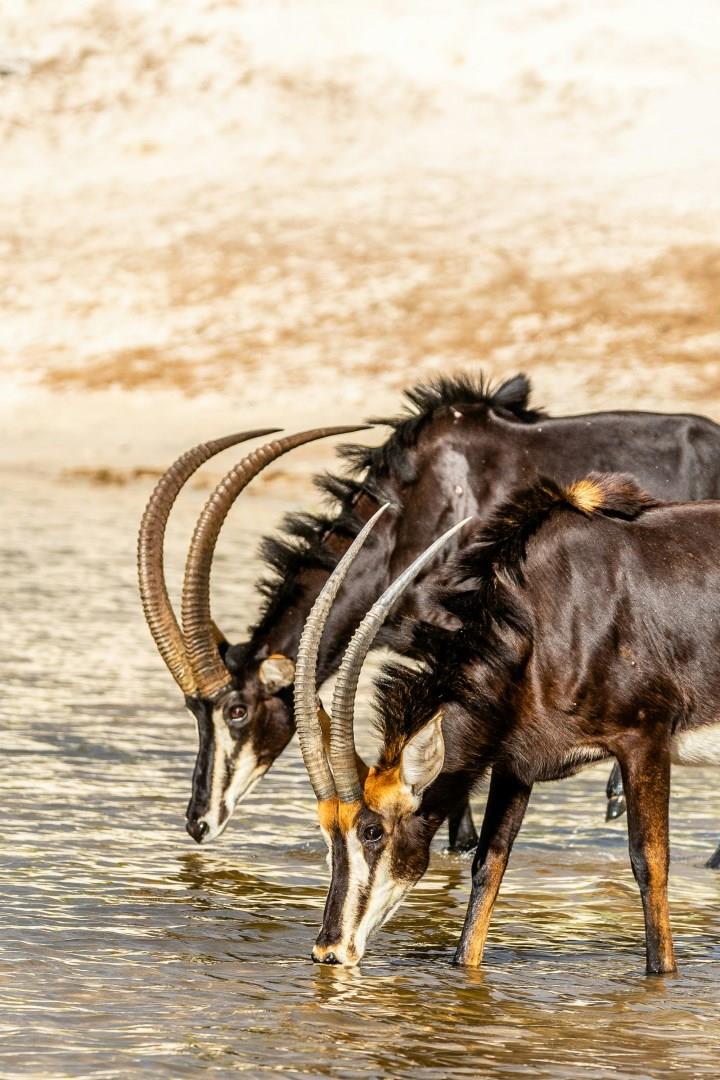
Linyanti Wildlife Reserve
Linyanti Wildlife Reserve, tucked into the northern reaches of Botswana near the Chobe River, is a remote and pristine safari destination known for its rich biodiversity and exclusivity. Covering more than 275,000 acres of wilderness, the reserve is defined by floodplains, lagoons, woodlands, and savannah, creating a mosaic of habitats that sustain an impressive array of wildlife.
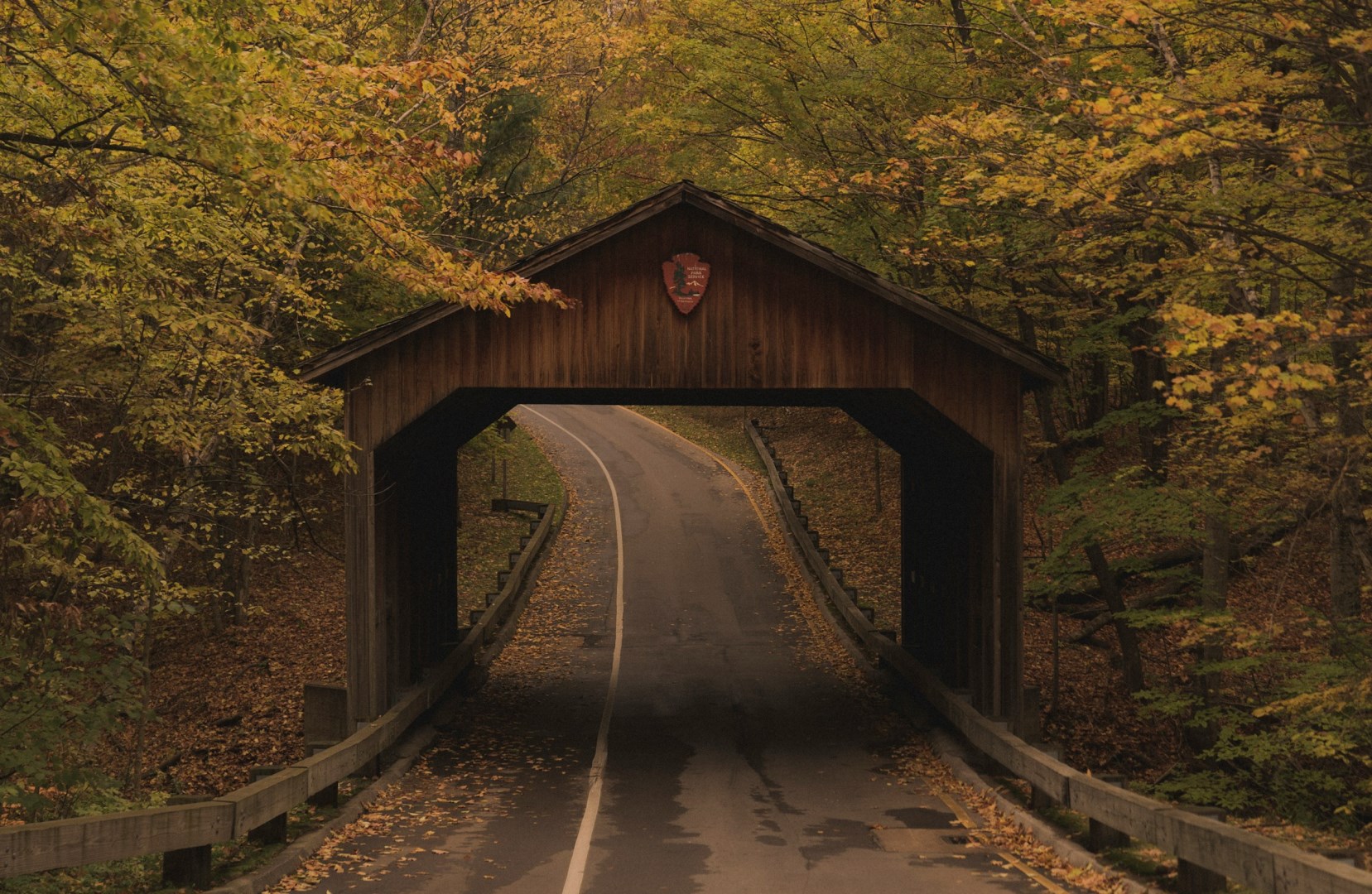
Sleeping Bear Dunes National Lakeshore
Sleeping Bear Dunes National Lakeshore occupies a long stretch of northwestern Michigan’s Lower Peninsula along Lake Michigan, protecting towering dunes, sandy beaches, forests, inland lakes, and steep coastal bluffs. The protected area extends across the Leelanau and Benzie county region and includes the Manitou Islands offshore. Its most recognizable feature is the Sleeping Bear Dune, which rises high above Lake Michigan and the surrounding landscape.
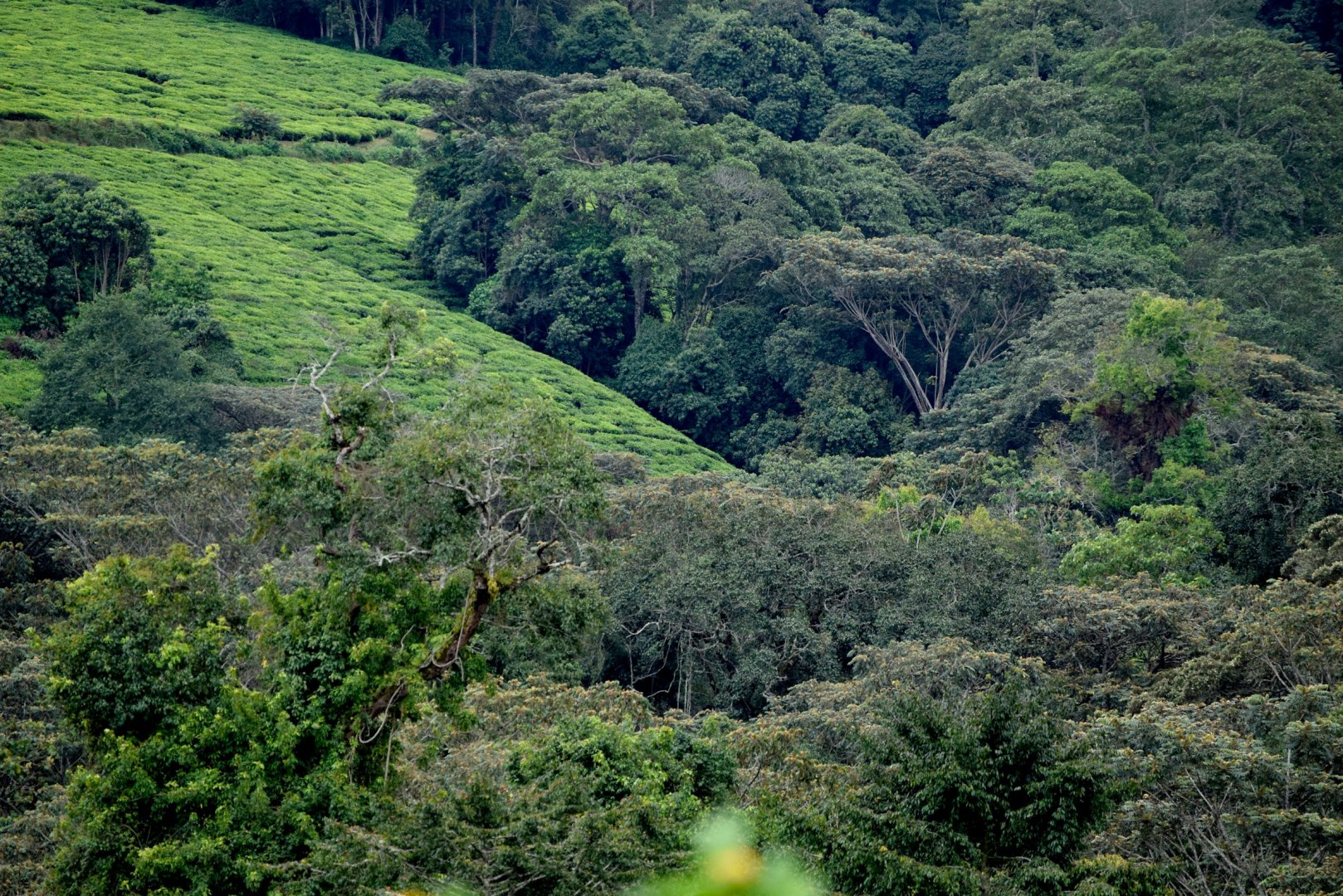
Kibira National Park
Kibira National Park is a large montane rainforest in northwestern Burundi, extending along the Congo-Nile Divide near the border with Rwanda. The park covers about 40,000 hectares and rises from roughly 1,500 to 2,660 metres, creating a cool, misty environment of dense forest, bamboo, streams, and mountain ridges


