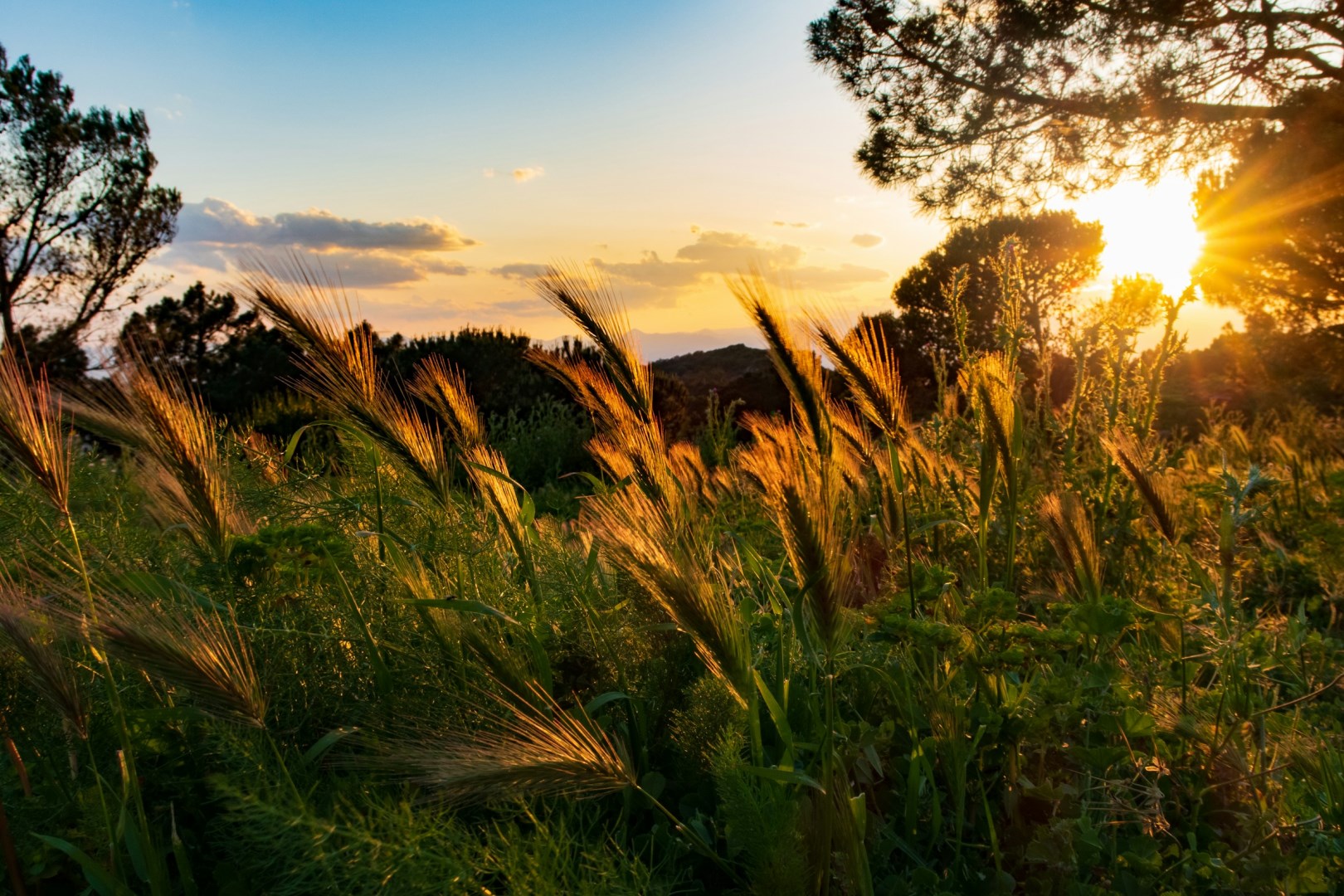
Roses is a coastal town in Catalonia’s Alt Empordà, positioned at the eastern edge of the Iberian Peninsula where the Pyrenees meet the Mediterranean. Its broad bay opens toward the Cap de Creus peninsula, giving the town a landscape of beaches, rocky headlands, and low coastal hills. Roses has a strong maritime identity, with a fishing port operating alongside a marina and a long seafront promenade.
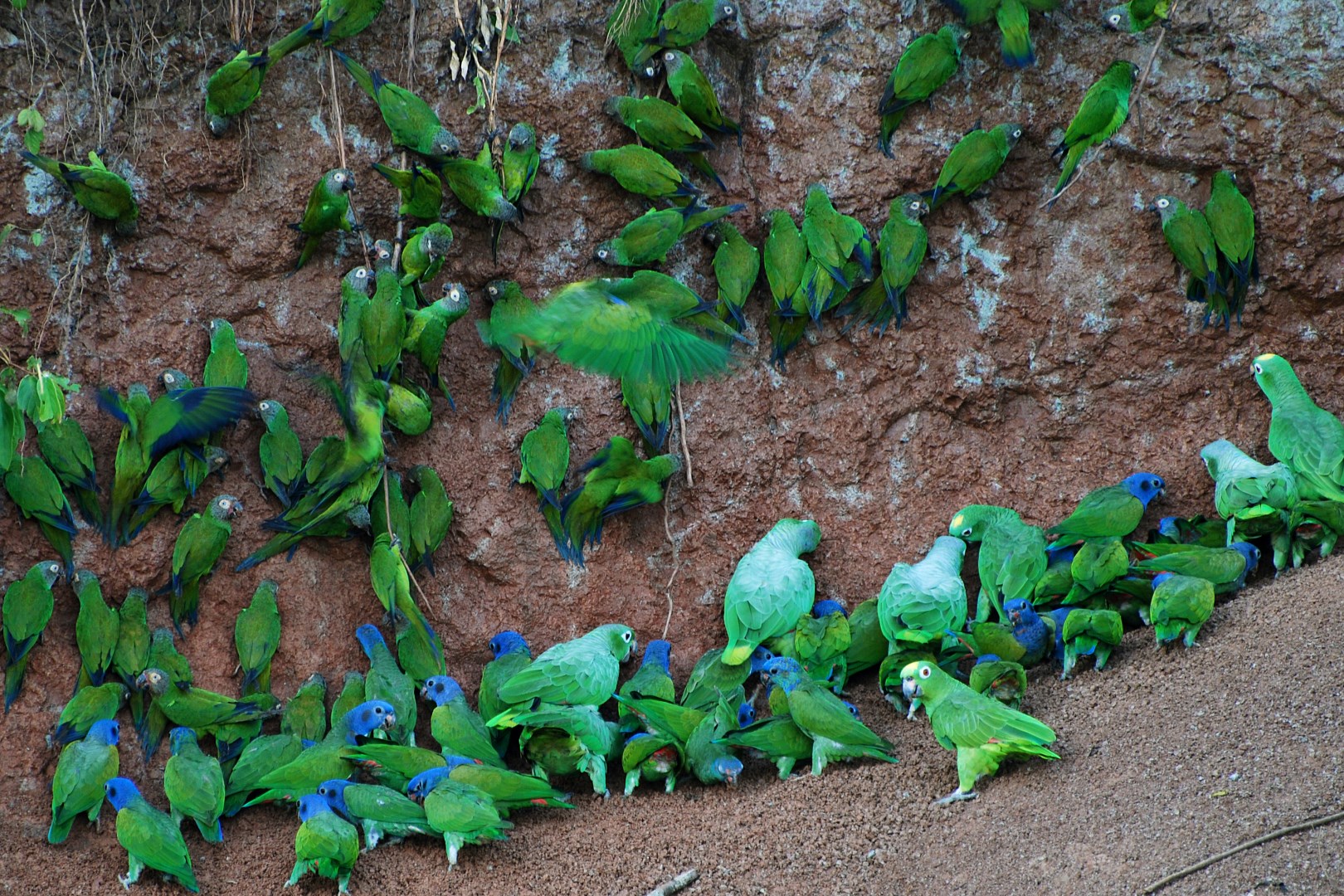
Yasuní National Park lies in Ecuador’s Amazon region, between the Napo and Curaray rivers, and protects one of the country’s largest areas of lowland rainforest. The park contains dense tropical forest, rivers, lagoons, swamps, and seasonally flooded areas, creating a wide range of habitats. Its location near the equator and its varied terrain support exceptionally high biological diversity.
Hong Kong is one of the few places in the world where a 700-year-old fishing village sits minutes away from the headquarters of international banks. Once a British colony and now a Special Administrative Region of China, the city carries traces of Cantonese, colonial, and global influences in its streets, rituals, and food. The city has more than 300 hiking trails, including the well-known Lion Rock hike, which ends at a dramatic cliff overlooking Kowloon’s dense skyline.
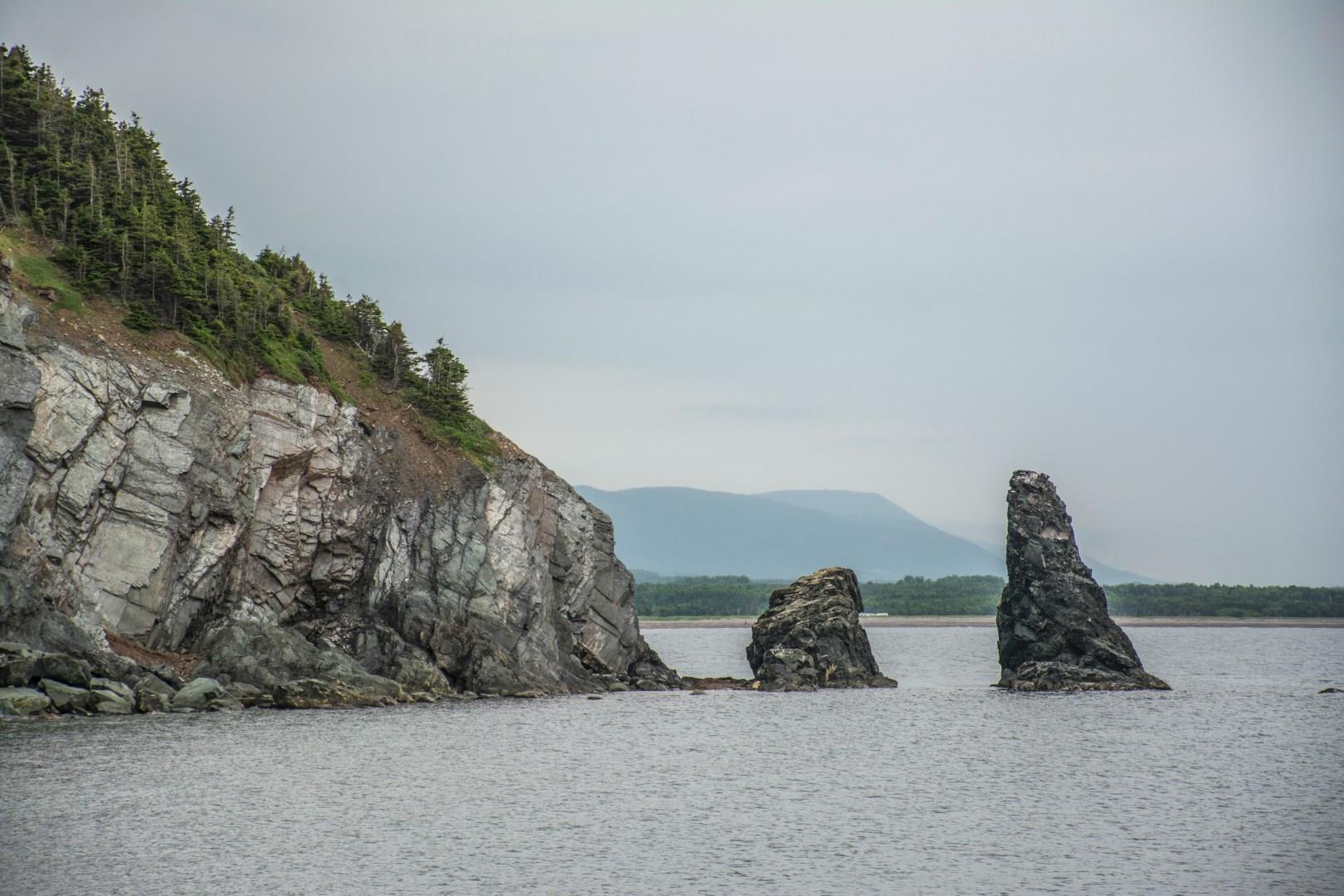
The Cabot Trail loops around northern Cape Breton Island, Nova Scotia, tracing cliffs, highlands, and forests for roughly 298 km. Named for the explorer John Cabot, the region’s deeper story belongs to the Mi’kmaq people, whose presence predates European settlement.

Louisville is a city that knows how to make an impression. Birthplace of the Kentucky Derby, home to bourbon legends, and packed with stories that stretch back over two centuries, this river city blends tradition with bold creativity. Start downtown on West Main Street, also known as Museum Row. Here, visitors can tour the Louisville Slugger Museum & Factory, where real bats are still made, and marvel at the 120-foot baseball bat leaning against the building.
Photo Credit: Photo by Tadeusz Zachwieja on Unsplash
Photo Credit: Photo by Maksym Harbar on Unsplash
Photo Credit: Photo by Anna Gru on Unsplash
Photo Credit: Photo by Soheil Arbabi on Unsplash
Photo Credit: Photo by Tadeusz Zachwieja on Unsplash
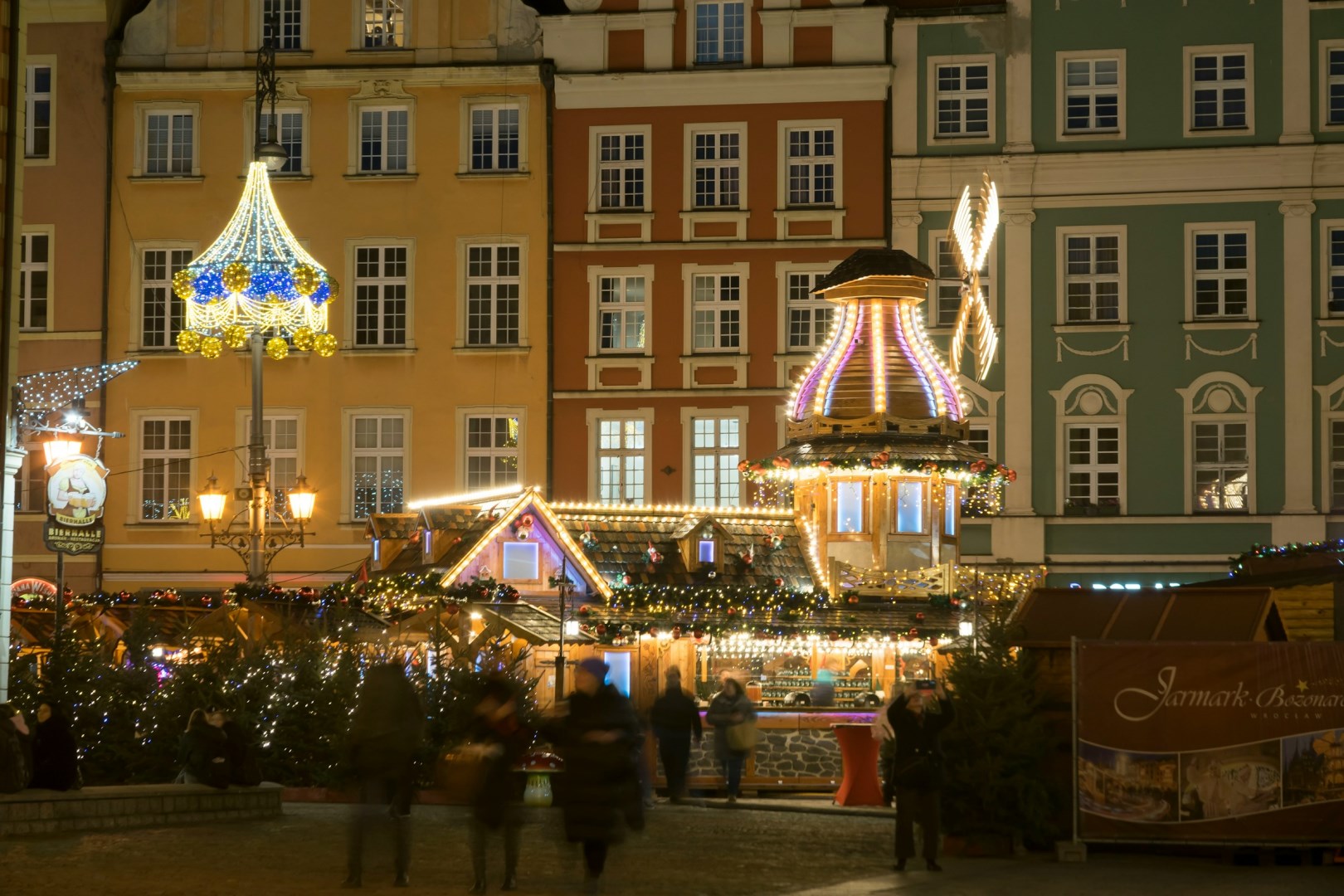
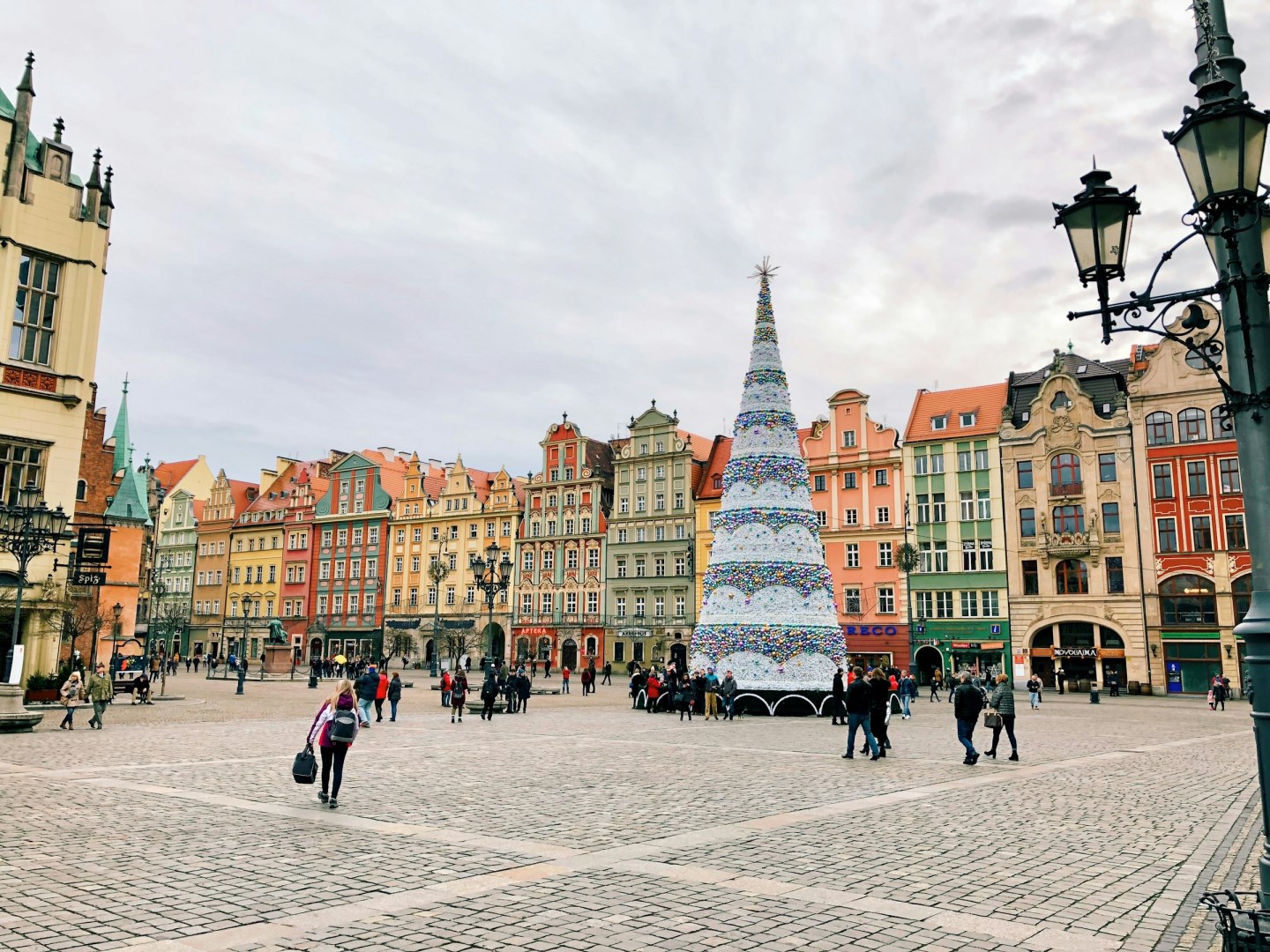
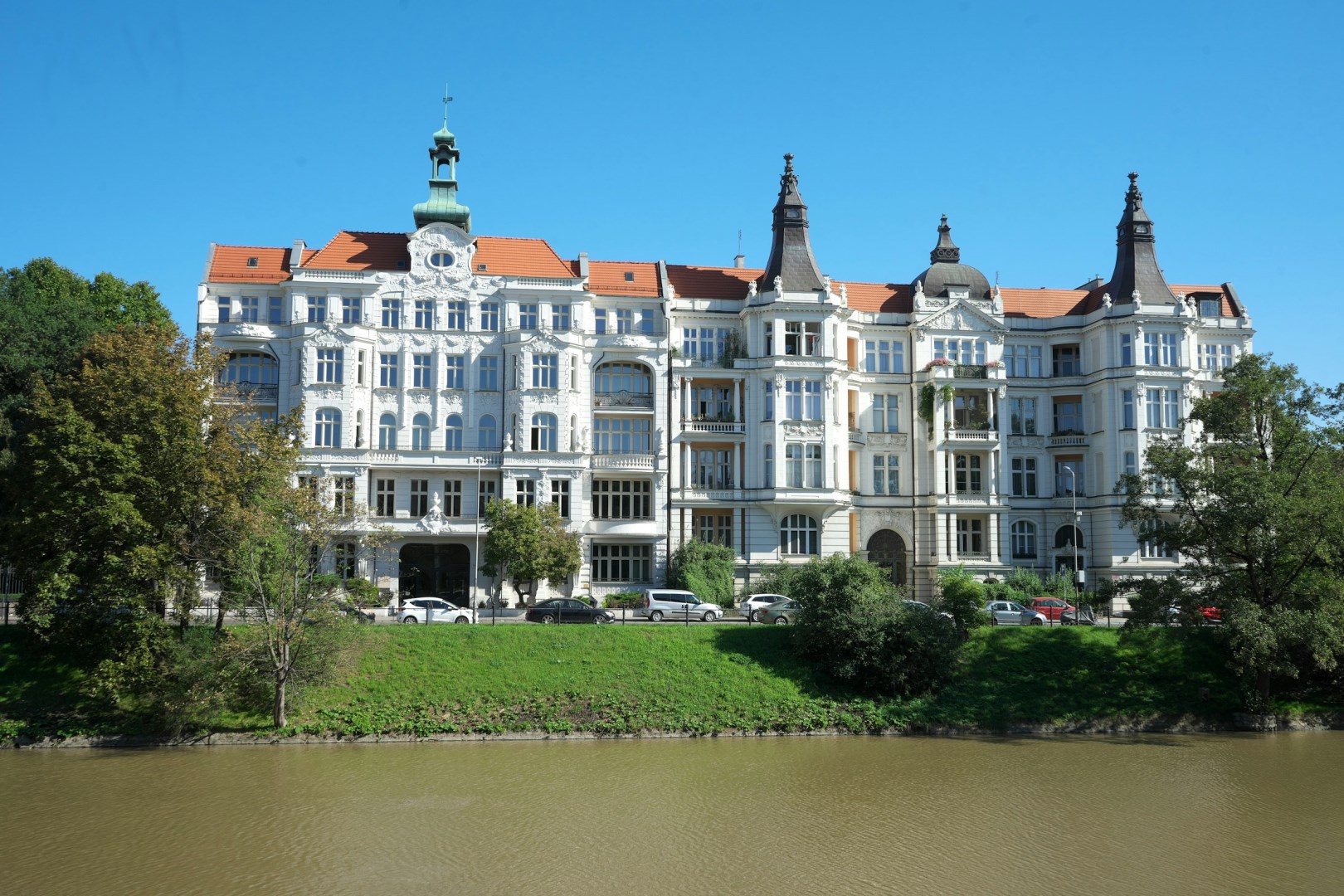
Wrocław, a captivating gem in southwestern Poland, enchants visitors with its rich history, vibrant culture, and stunning architecture. The city’s picturesque Old Town is centered around the magnificent Market Square (Rynek), where colorful facades and historic buildings like the Gothic Wrocław Town Hall create a fairy-tale atmosphere. Stroll through the cobblestone streets and explore the charming squares and alleys that are dotted with lively cafes and shops.
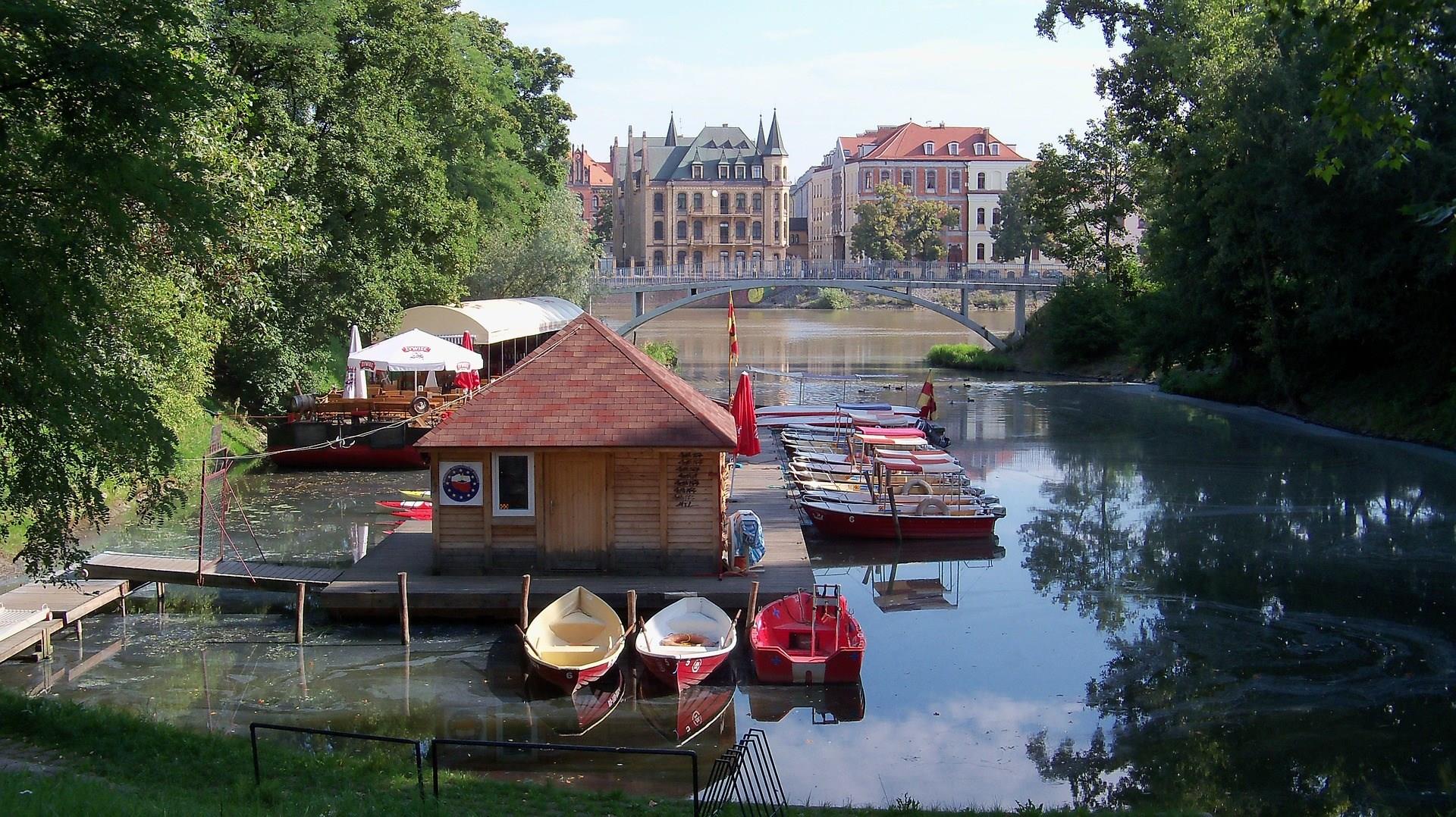
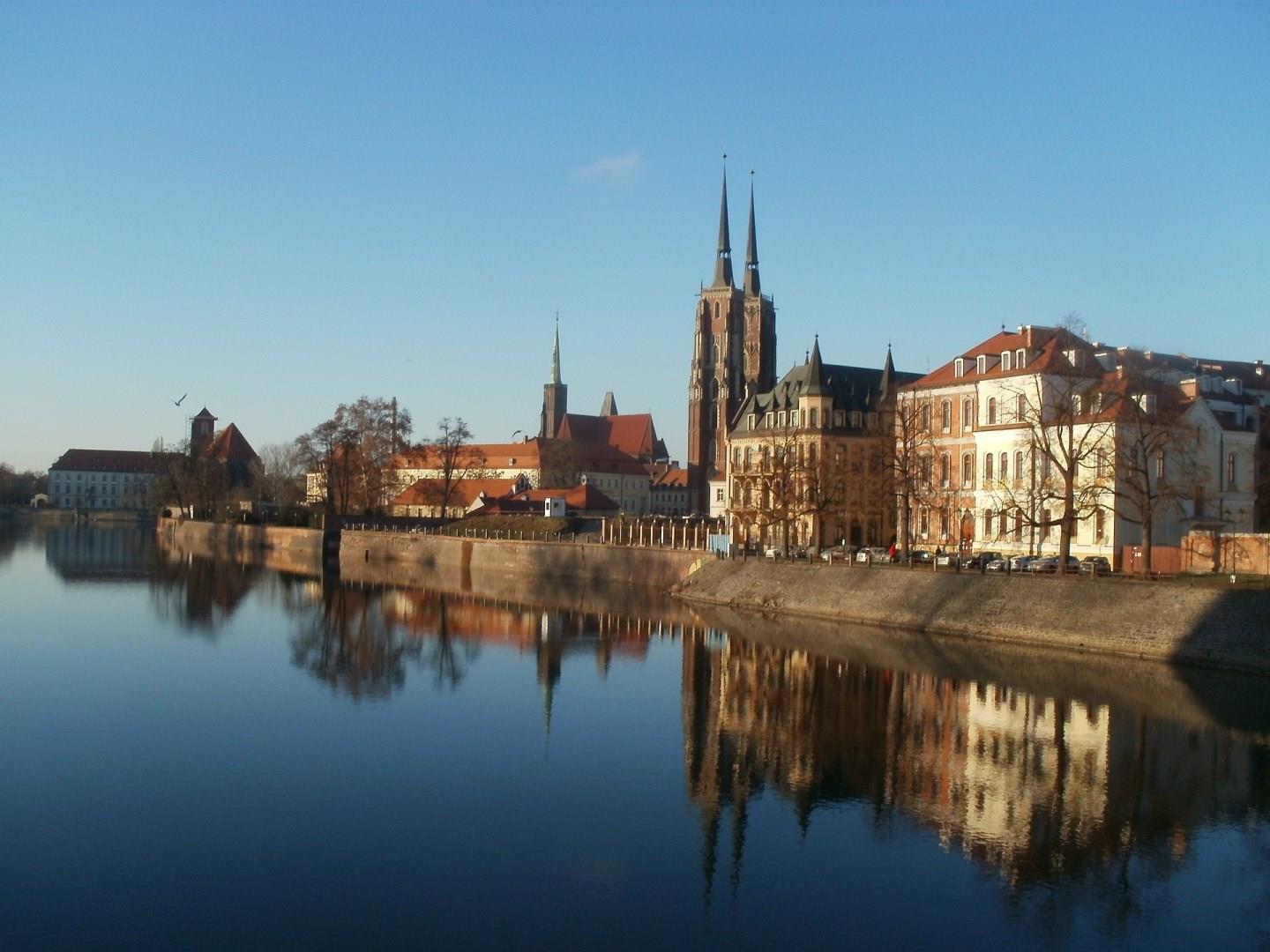
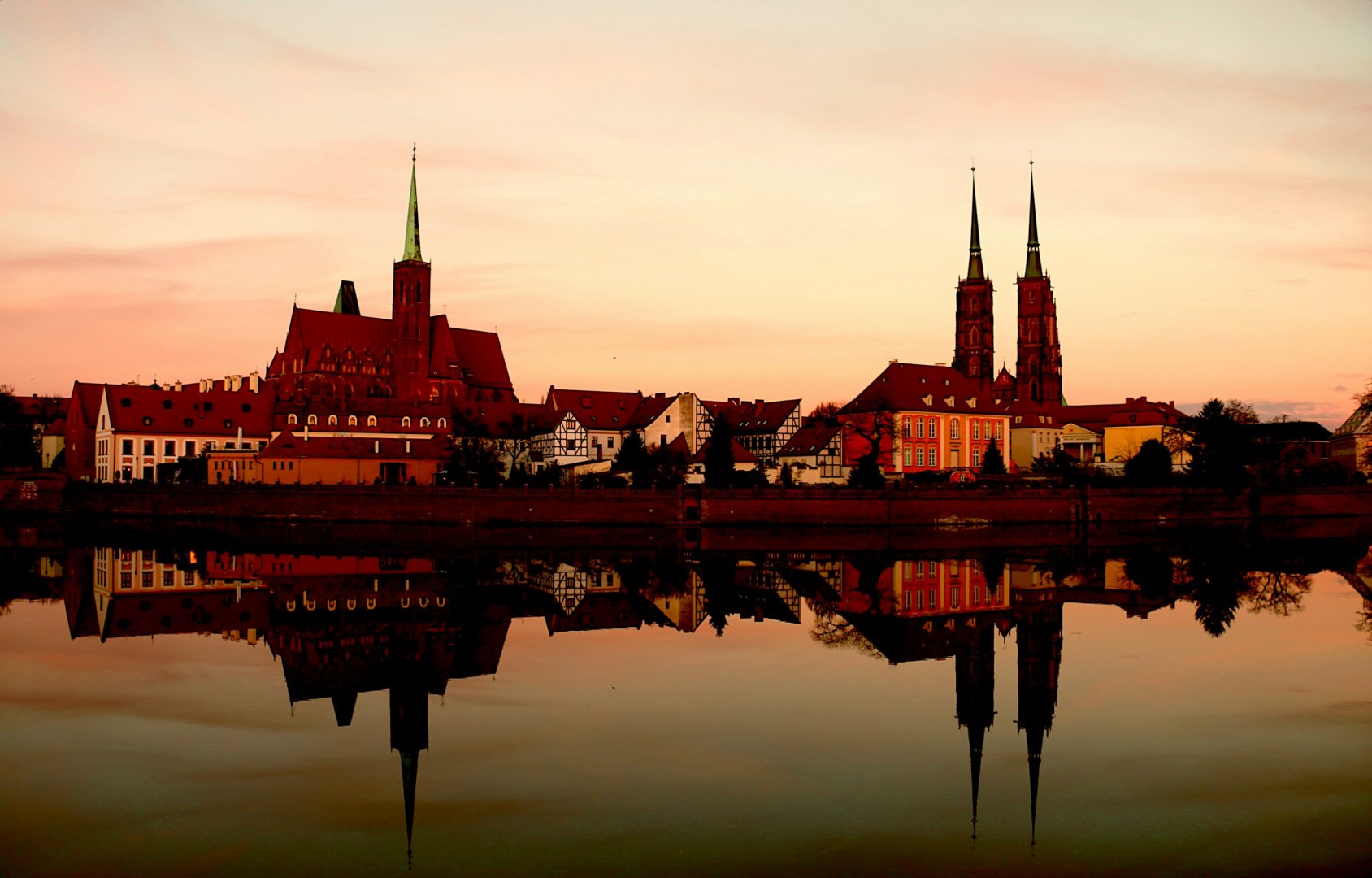
A true highlight of Wrocław is its array of bridges and waterways that weave through the city. Known as the “Venice of the North,” Wrocław boasts more than 100 bridges and over 12 islands. A leisurely boat trip along the Odra River offers unique views of the city’s skyline and historic architecture. Don't miss the Cathedral Island, a tranquil area where you can admire the stunning Wrocław Cathedral and enjoy the serene atmosphere.
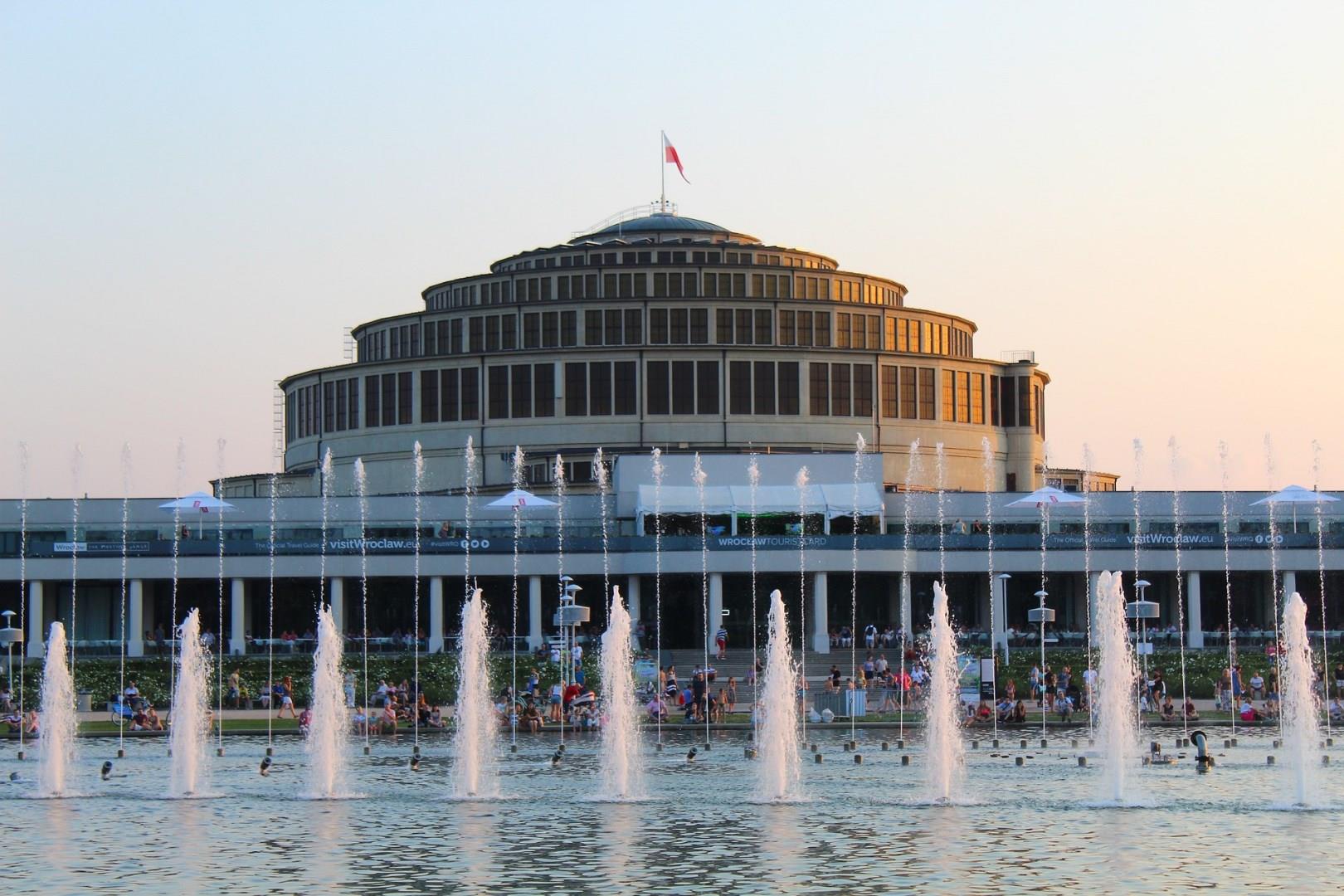
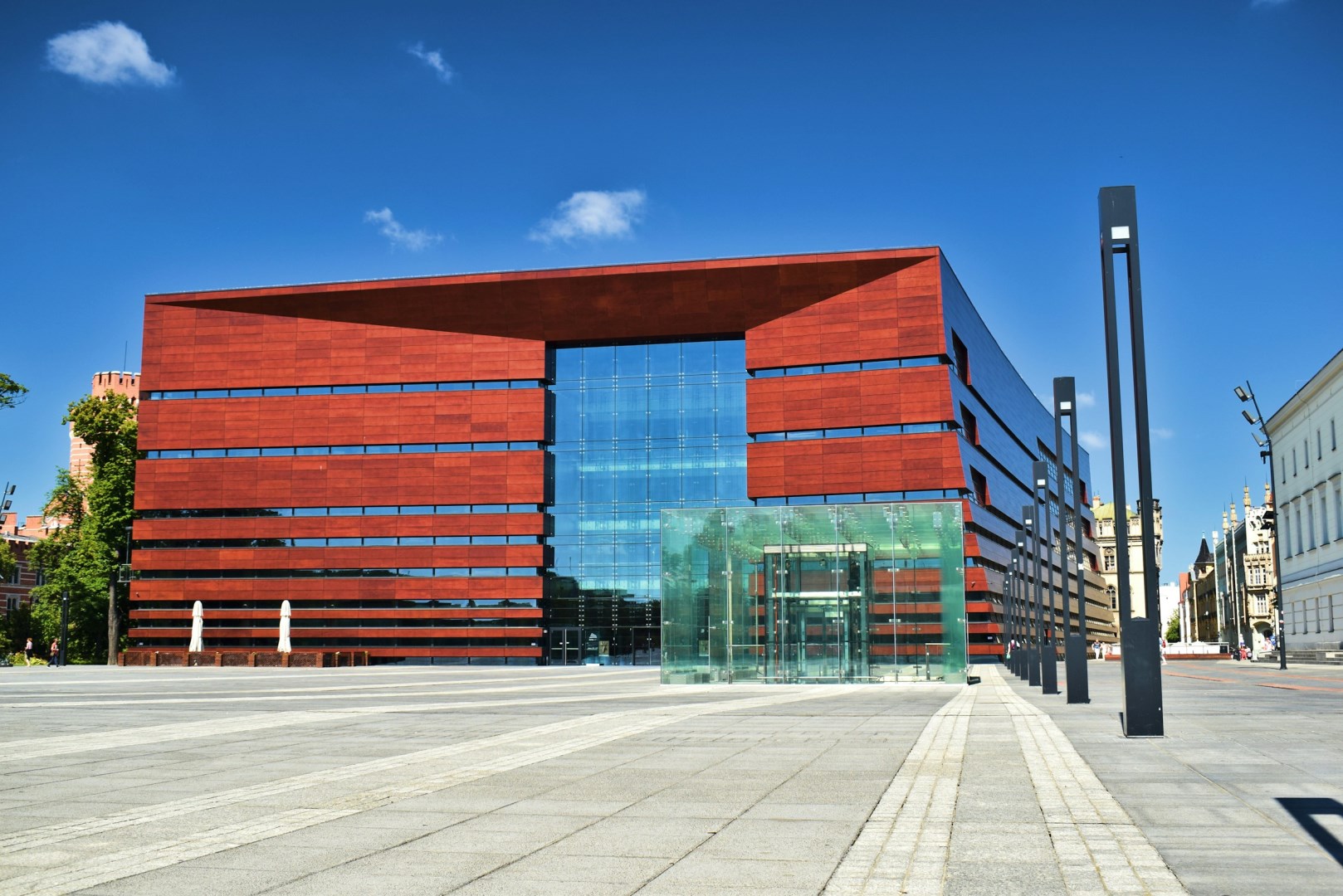
For a taste of Wrocław’s vibrant cultural scene, visit the Centennial Hall, a UNESCO World Heritage Site known for its groundbreaking architectural design. The hall hosts a variety of events, including concerts, exhibitions, and sports activities.
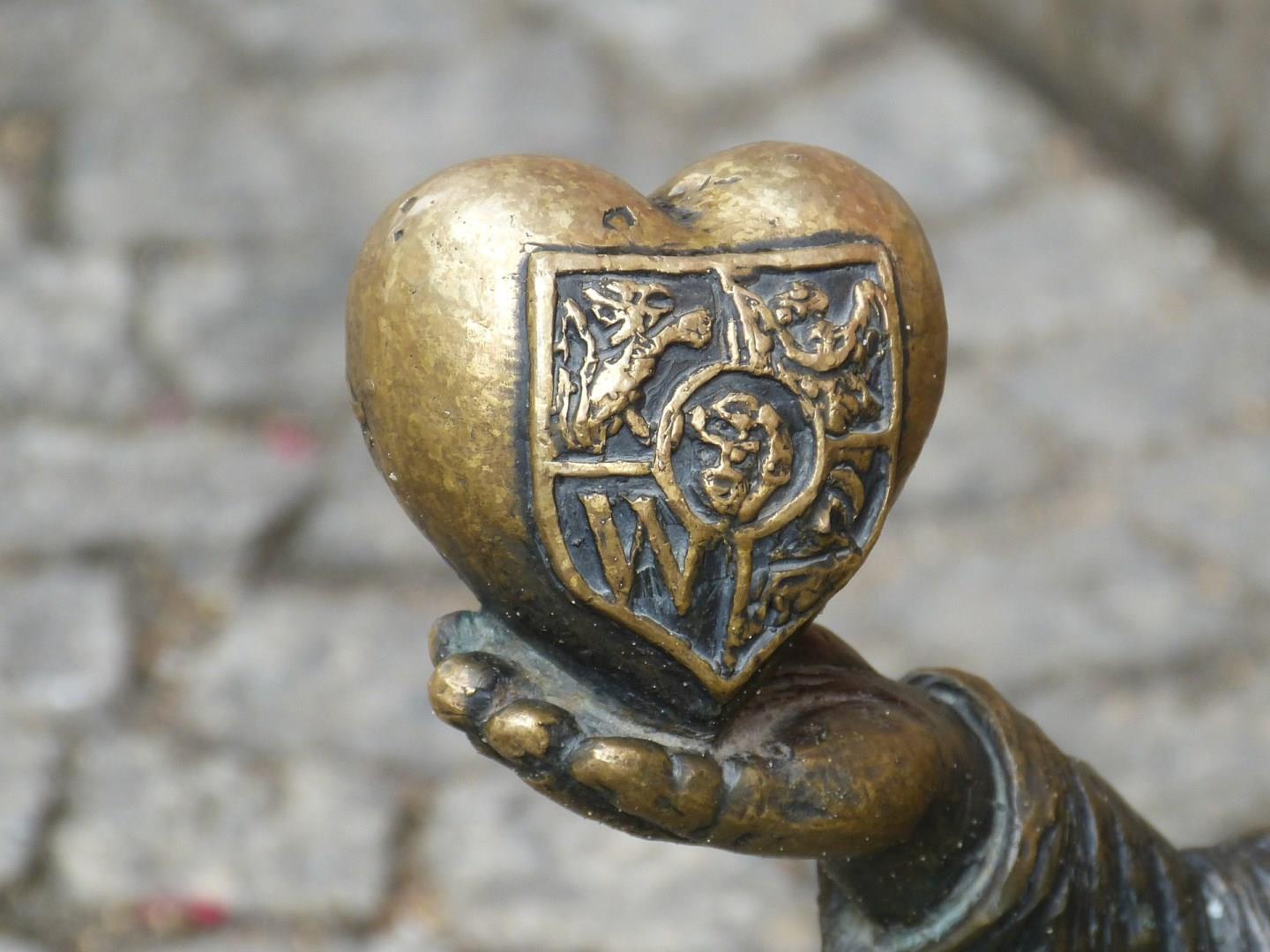
Fun Fact: Wrocław is famously home to over 400 dwarfs scattered throughout the city. These whimsical statues, each with its own unique design, are a delightful scavenger hunt for visitors. The dwarfs started as a symbol of resistance against the communist regime and have since become a charming and beloved part of Wrocław’s urban landscape.
Other Popular Destinations in Poland
Kraków
Kraków lies in southern Poland along the Vistula River and serves as one of the country’s most recognized cultural centers. Its layout is shaped by a well-preserved historic core, with streets radiating from a large central square. The city retains a human scale, where daily life unfolds among historic buildings, universities, and markets. It stands apart for its continuity of urban life, where medieval structures coexist with modern institutions without dramatic contrast.
Gdansk
Gdańsk, a vibrant port city on Poland's Baltic coast, is a hidden gem that seamlessly blends rich history with modern charm. As the largest city in northern Poland, Gdańsk has a unique identity shaped by centuries of trade, political turmoil, and cultural exchange. The city's Old Town is a feast for the eyes, with its beautifully reconstructed buildings that harken back to its Hanseatic glory days.