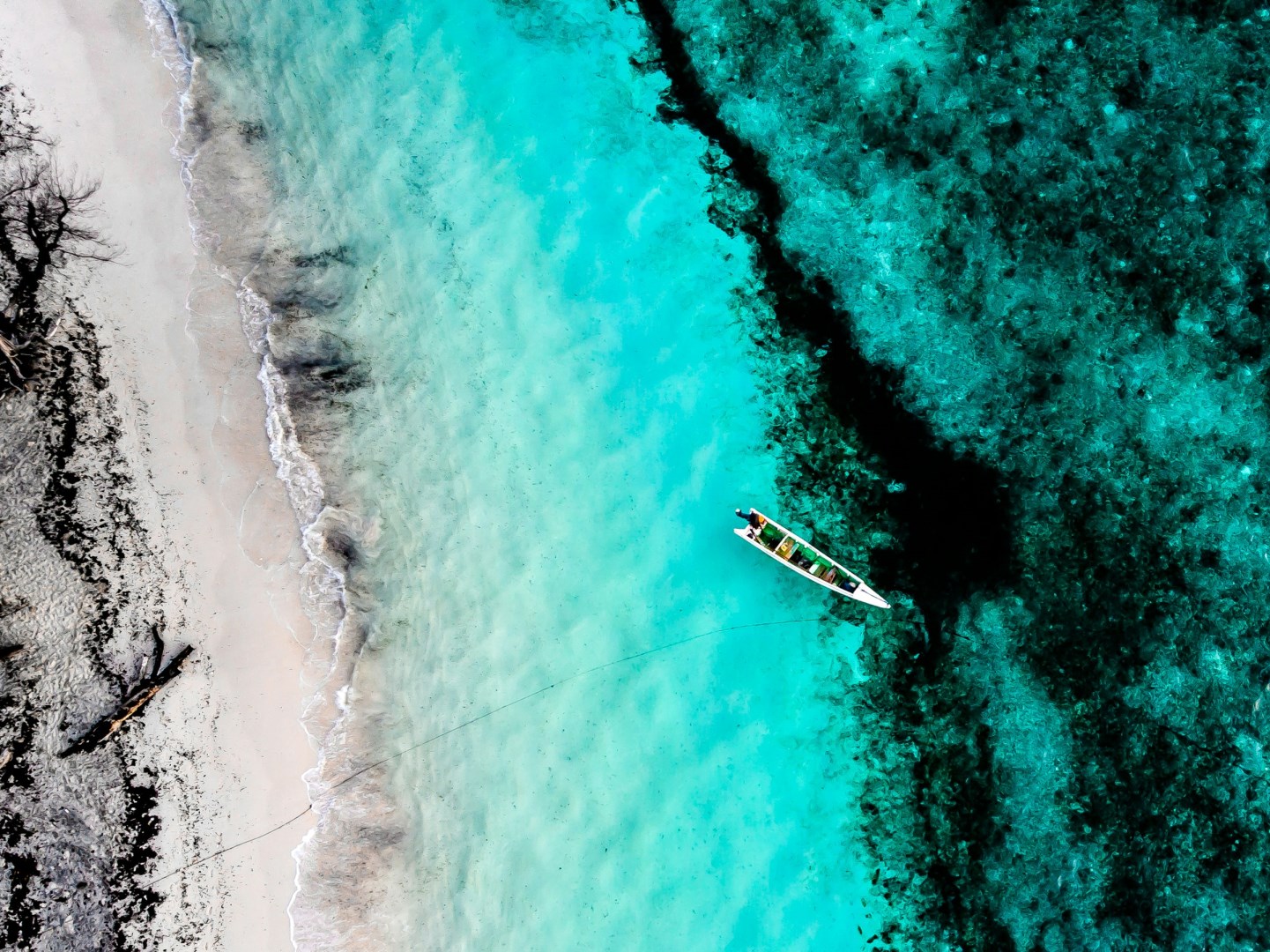
Atauro Island is a mountainous island north of Dili in Timor-Leste, separated from the mainland by the Ombai Strait. Its landscape includes dry hills, forested slopes, grassy areas, rocky cliffs, and small coastal villages. The island is surrounded by exceptionally diverse coral reefs and clear tropical waters, making its marine environment one of its defining features.
An essential passageway between the Atlantic and Pacific Oceans, the Panama Canal is an extraordinary technological landmark and a testament to human innovation. Built in the early twentieth century by American engineers, the canal weaves through the Panamanian isthmus and allows easy access for commercial freighters and cruise ships alike.
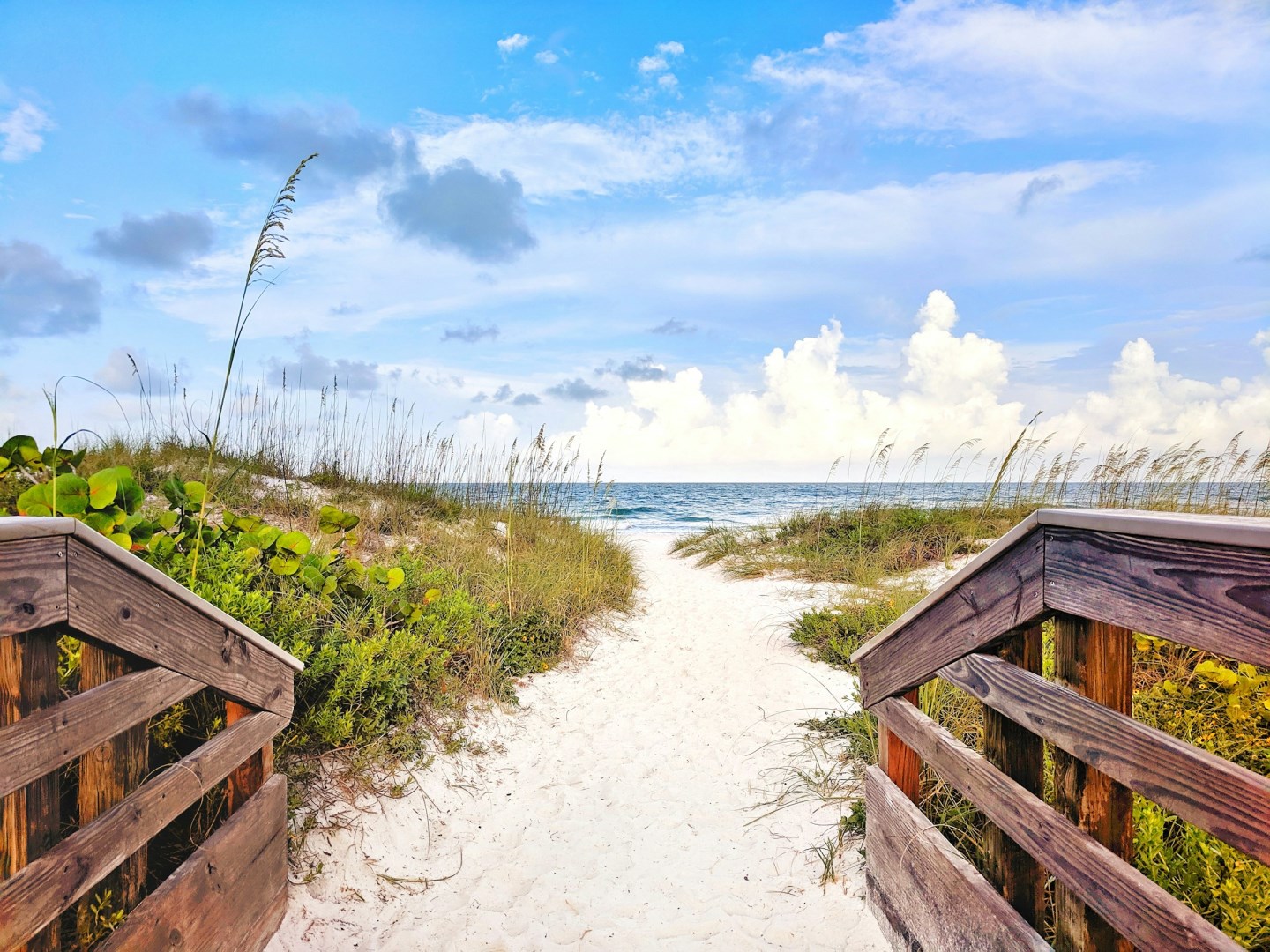
Bradenton is a Gulf Coast city in southwest Florida, located along the Manatee River near its meeting with Tampa Bay. The city combines a historic downtown with waterfront parks, residential neighborhoods, cultural attractions, and access to nearby beaches. Its location between Tampa and Sarasota gives Bradenton a distinct place within the region, while the Manatee River remains central to its landscape and recreation.
Isla del Sol, or Island of the Sun, is one of the best-known islands in Lake Titicaca, Bolivia, located in the lake’s southern section near Copacabana. The island is shaped by steep hills, stone terraces, small farming communities, and broad views across the high-altitude lake toward the Andes. At about 3,810 meters above sea level, Lake Titicaca creates a distinctive setting where cultivated slopes meet deep blue water and distant mountain peaks.
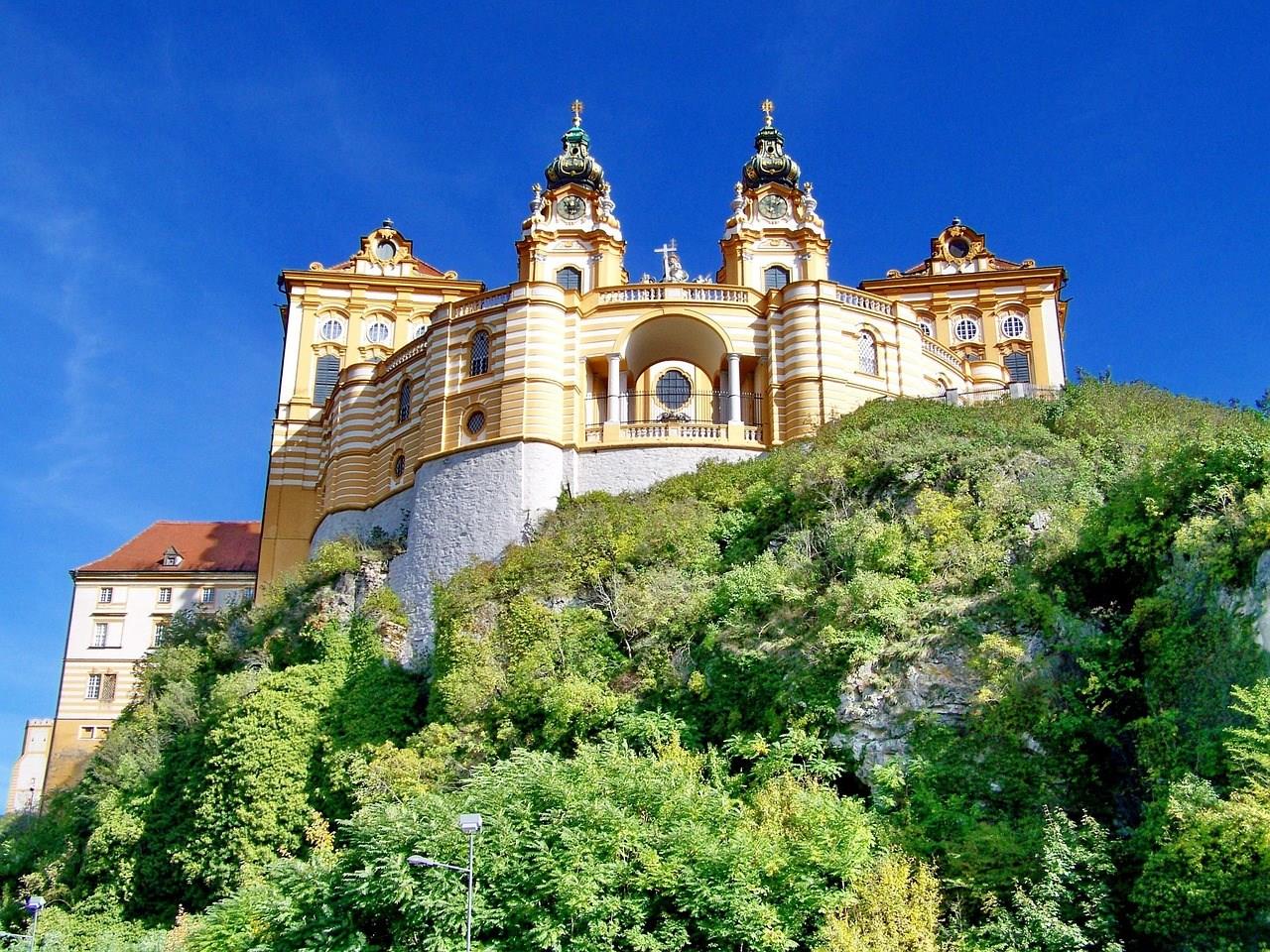
Austria’s Wachau Valley is a scenic stretch of the Danube River between Melk and Krems, known for its terraced vineyards, medieval towns, and a deep sense of history.
Photo Credit: Photo by Tadeusz Zachwieja on Unsplash
Photo Credit: Photo by Maksym Harbar on Unsplash
Photo Credit: Photo by Anna Gru on Unsplash
Photo Credit: Photo by Soheil Arbabi on Unsplash
Photo Credit: Photo by Tadeusz Zachwieja on Unsplash
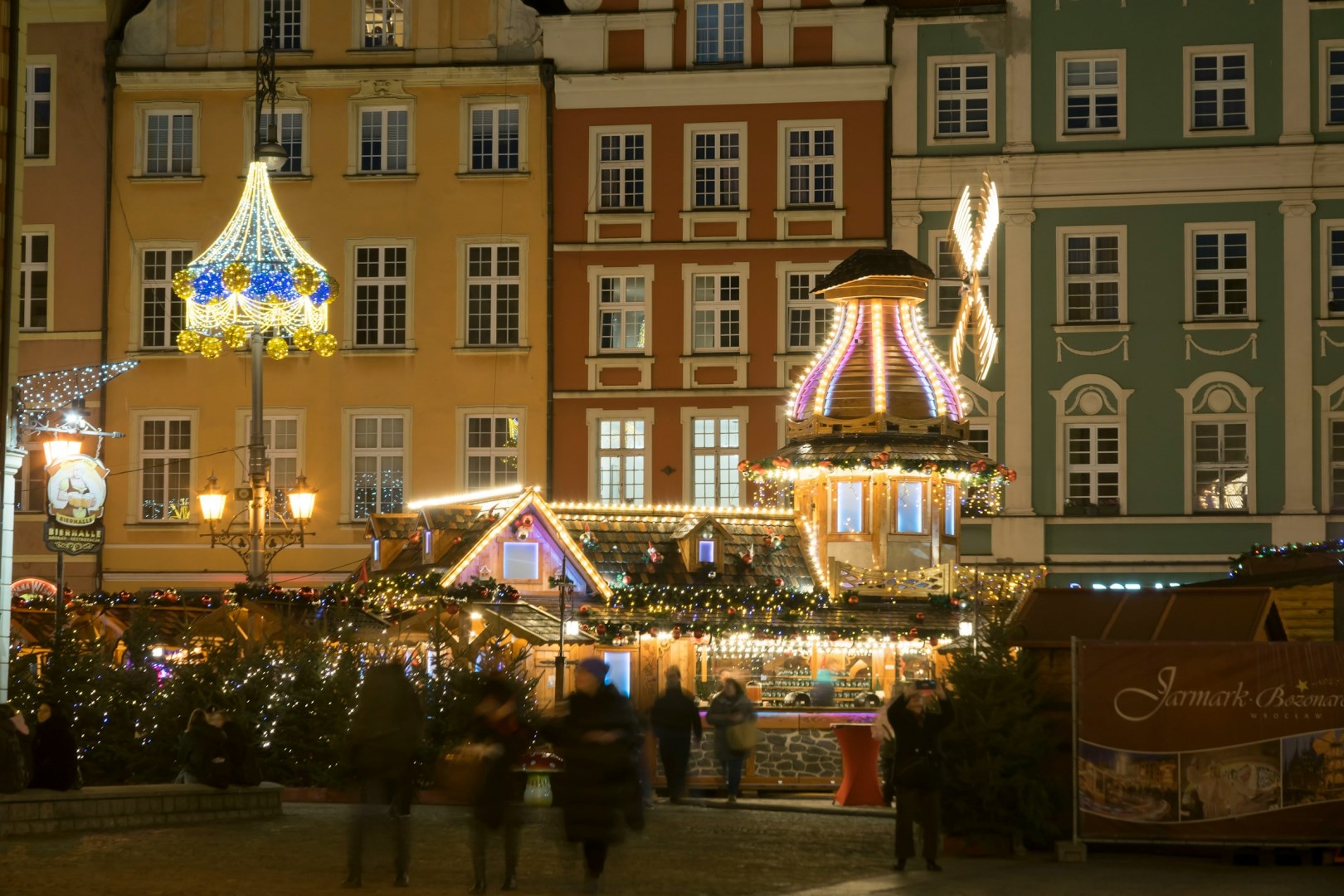
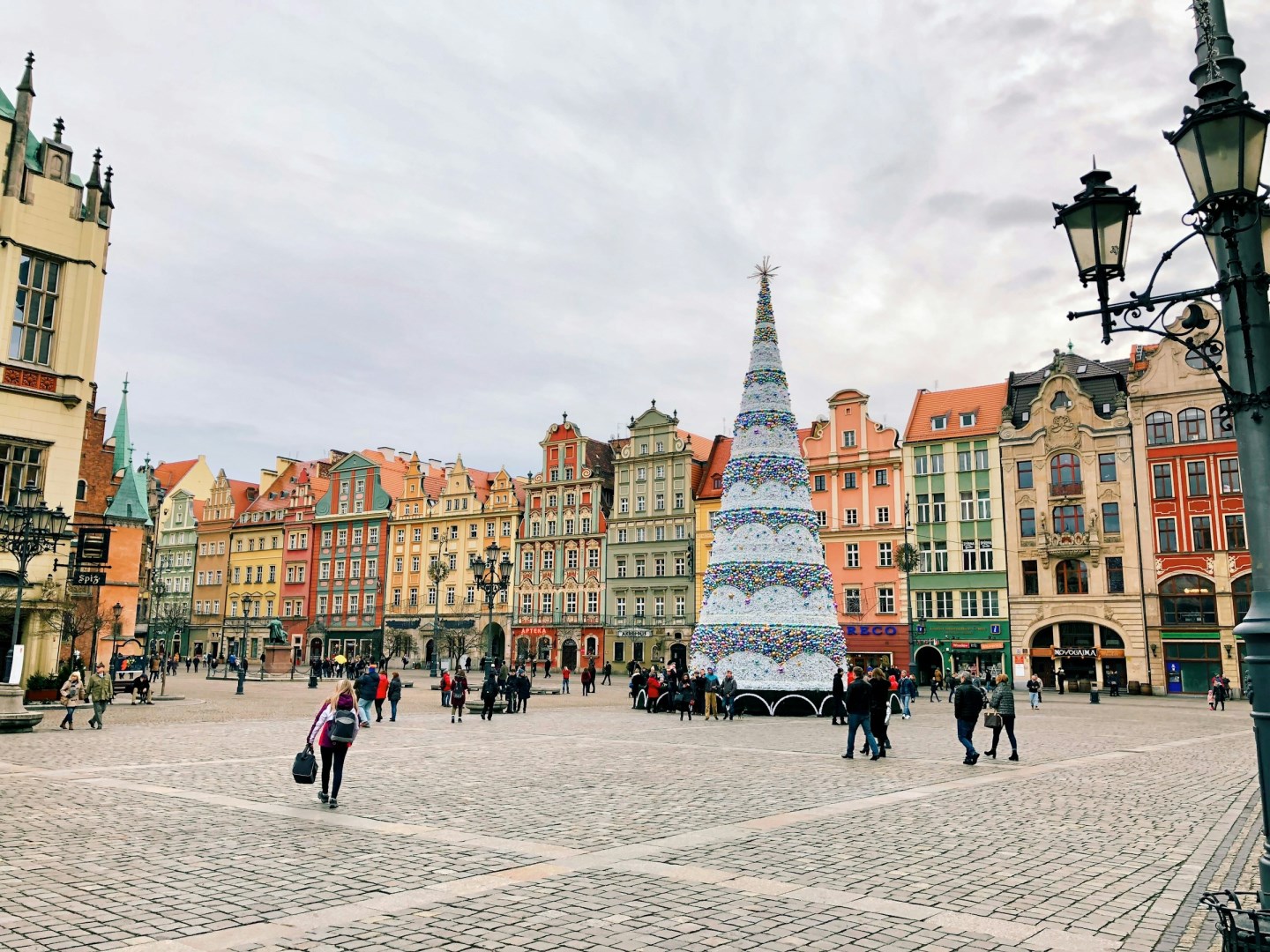
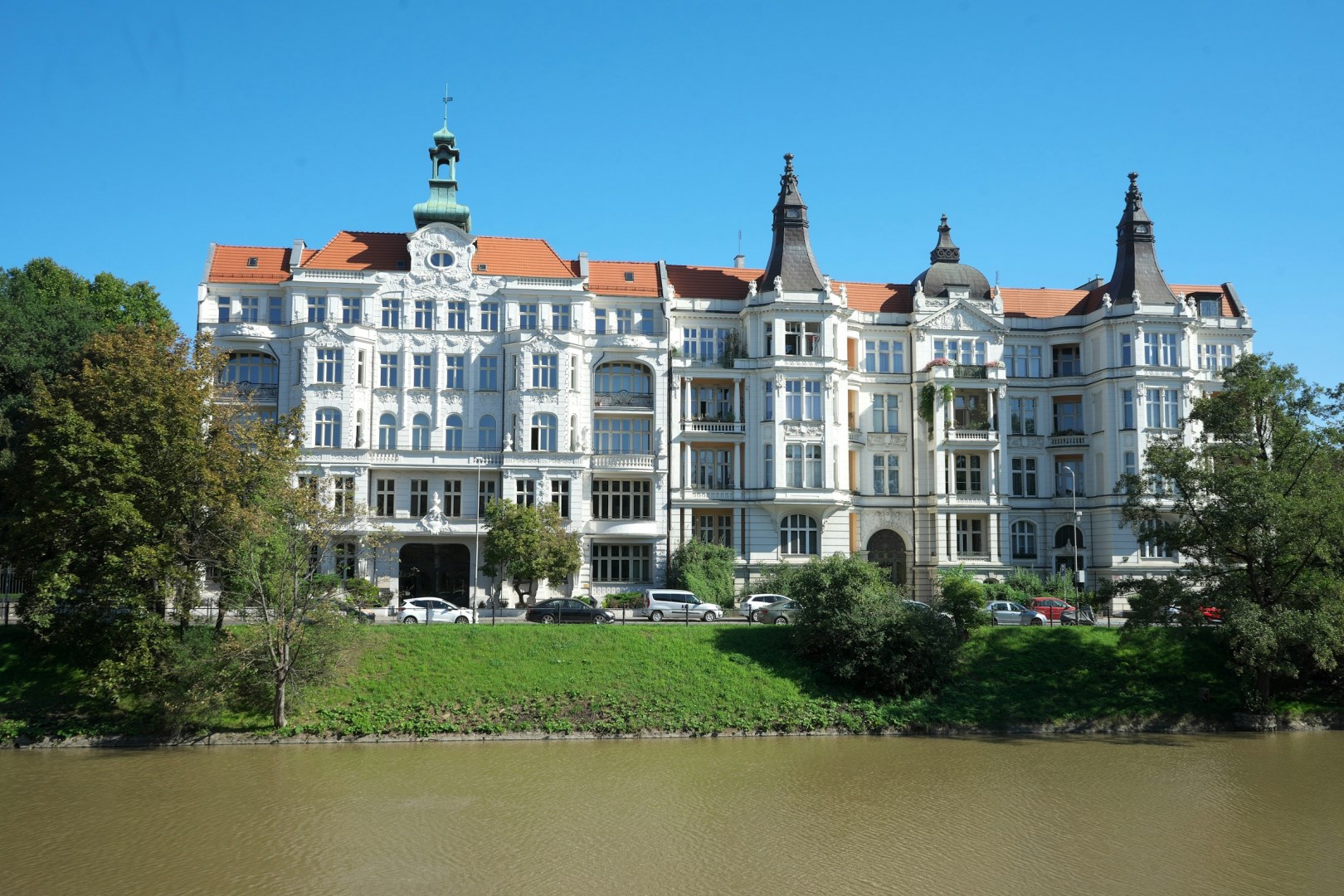
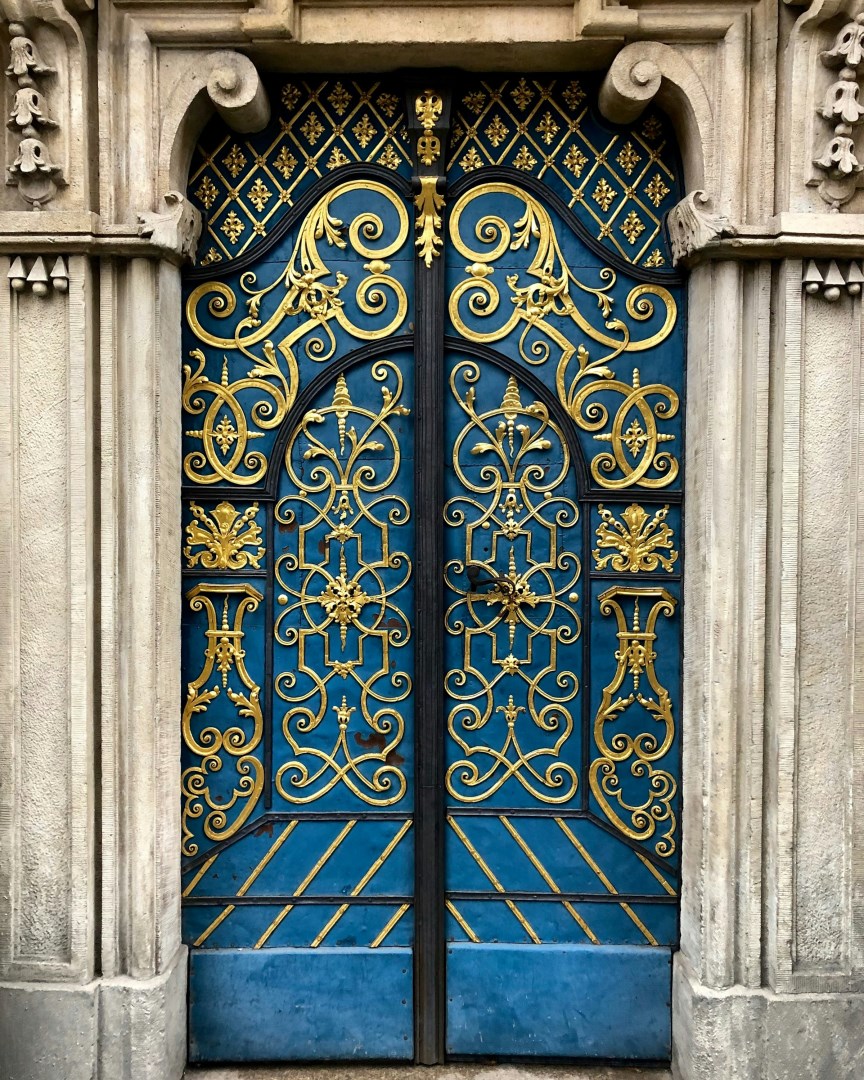
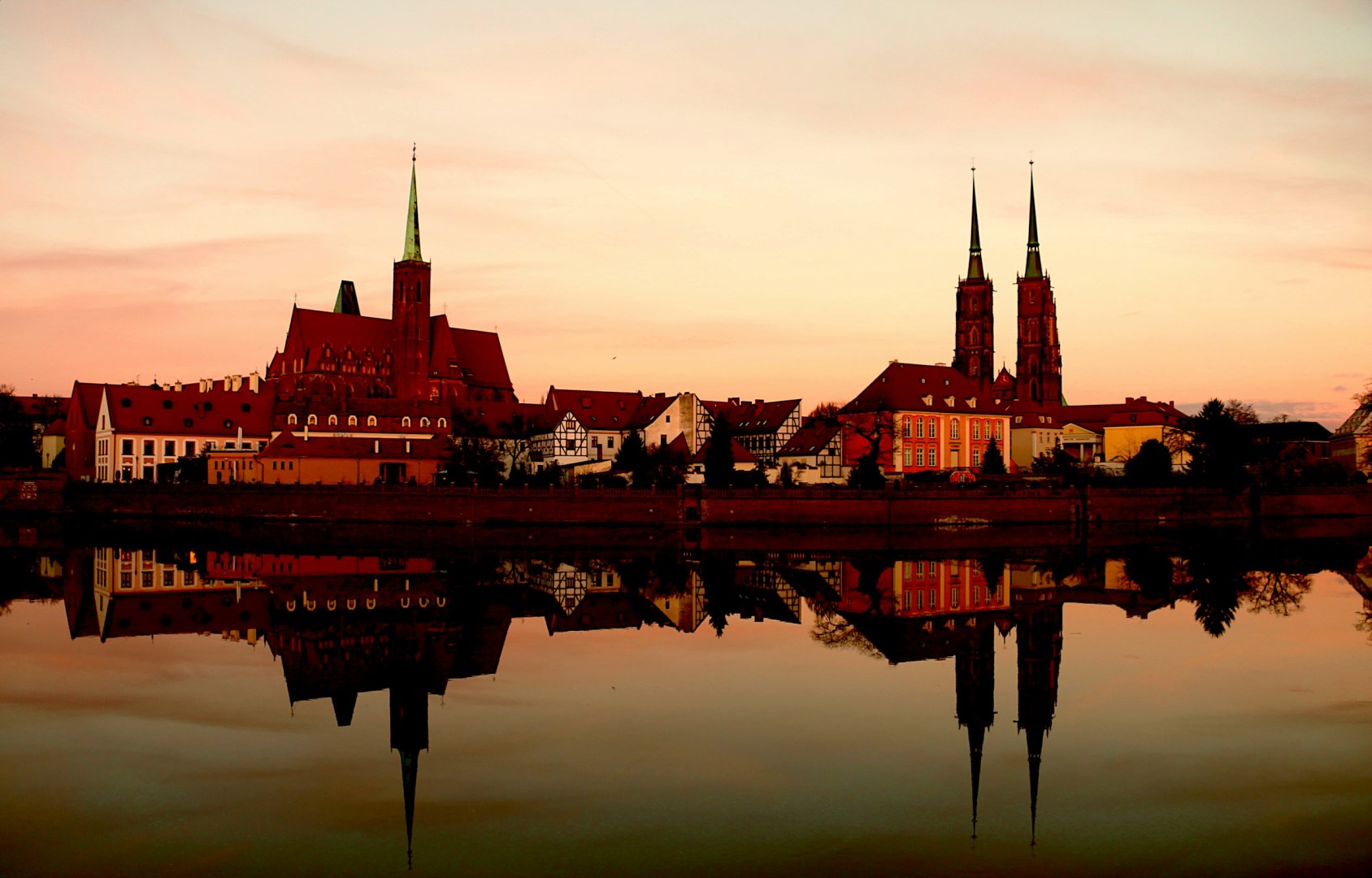
Wrocław, a captivating gem in southwestern Poland, enchants visitors with its rich history, vibrant culture, and stunning architecture. The city’s picturesque Old Town is centered around the magnificent Market Square (Rynek), where colorful facades and historic buildings like the Gothic Wrocław Town Hall create a fairy-tale atmosphere. Stroll through the cobblestone streets and explore the charming squares and alleys that are dotted with lively cafes and shops.
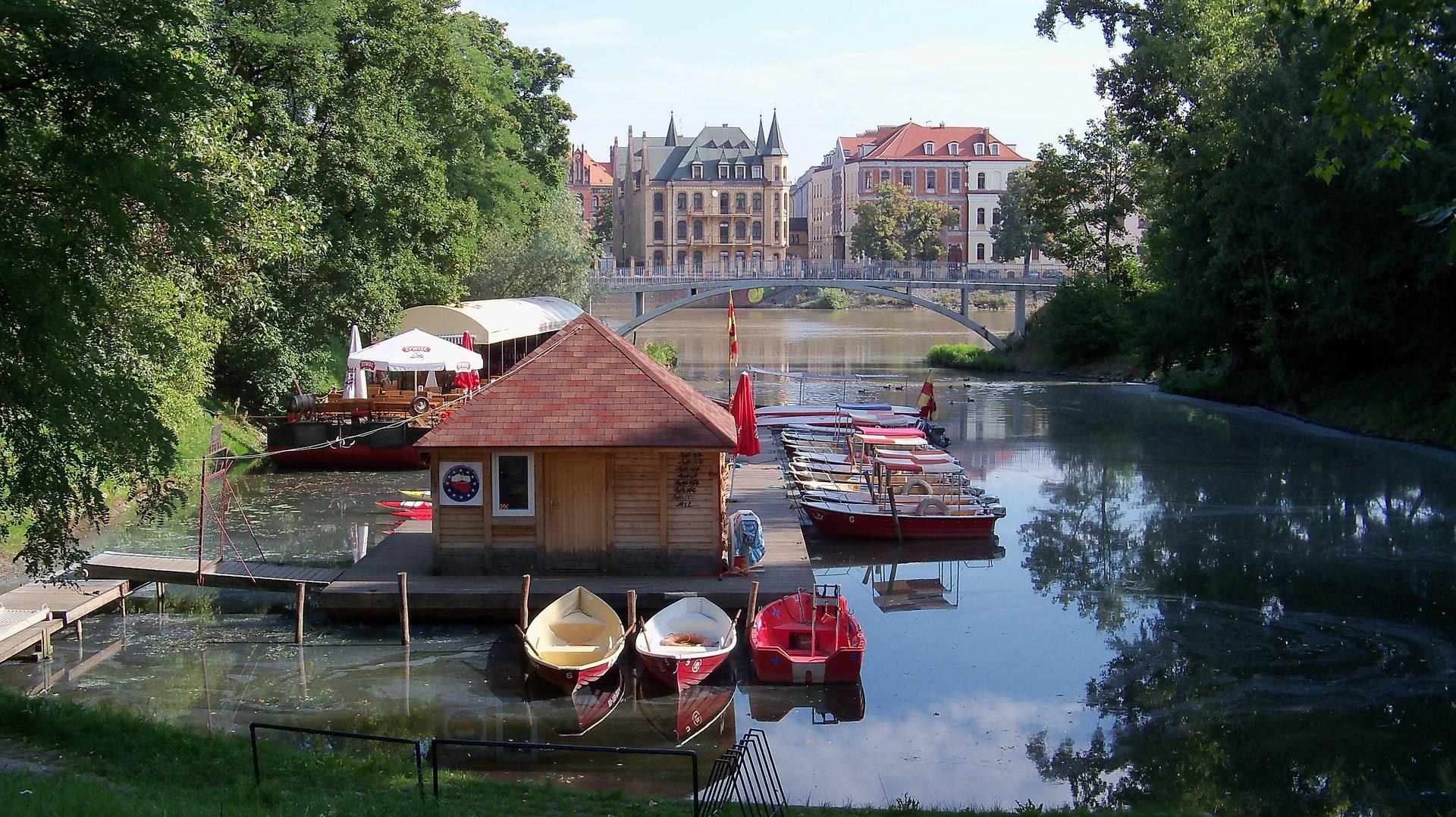
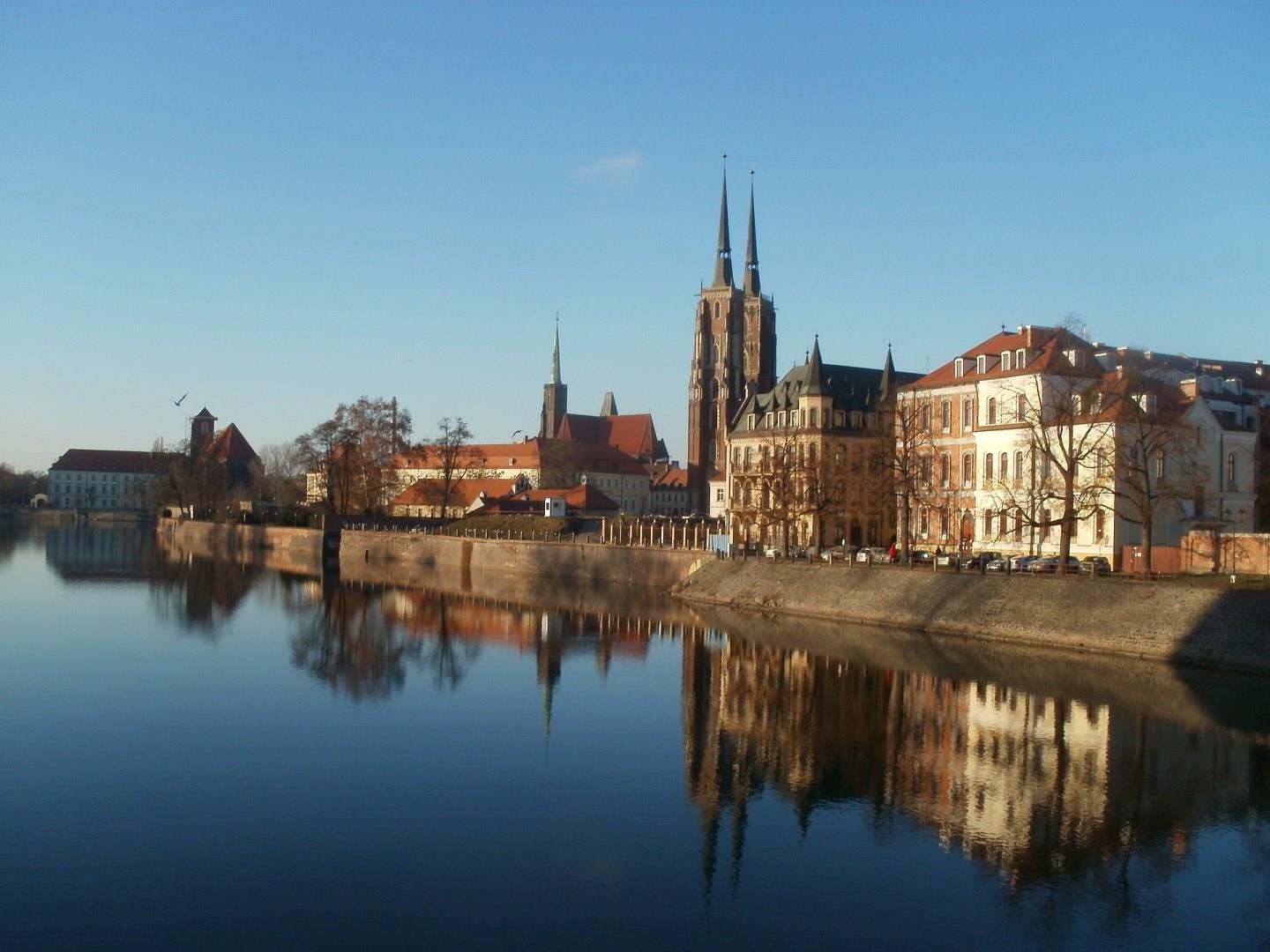
A true highlight of Wrocław is its array of bridges and waterways that weave through the city. Known as the “Venice of the North,” Wrocław boasts more than 100 bridges and over 12 islands. A leisurely boat trip along the Odra River offers unique views of the city’s skyline and historic architecture. Don't miss the Cathedral Island, a tranquil area where you can admire the stunning Wrocław Cathedral and enjoy the serene atmosphere.
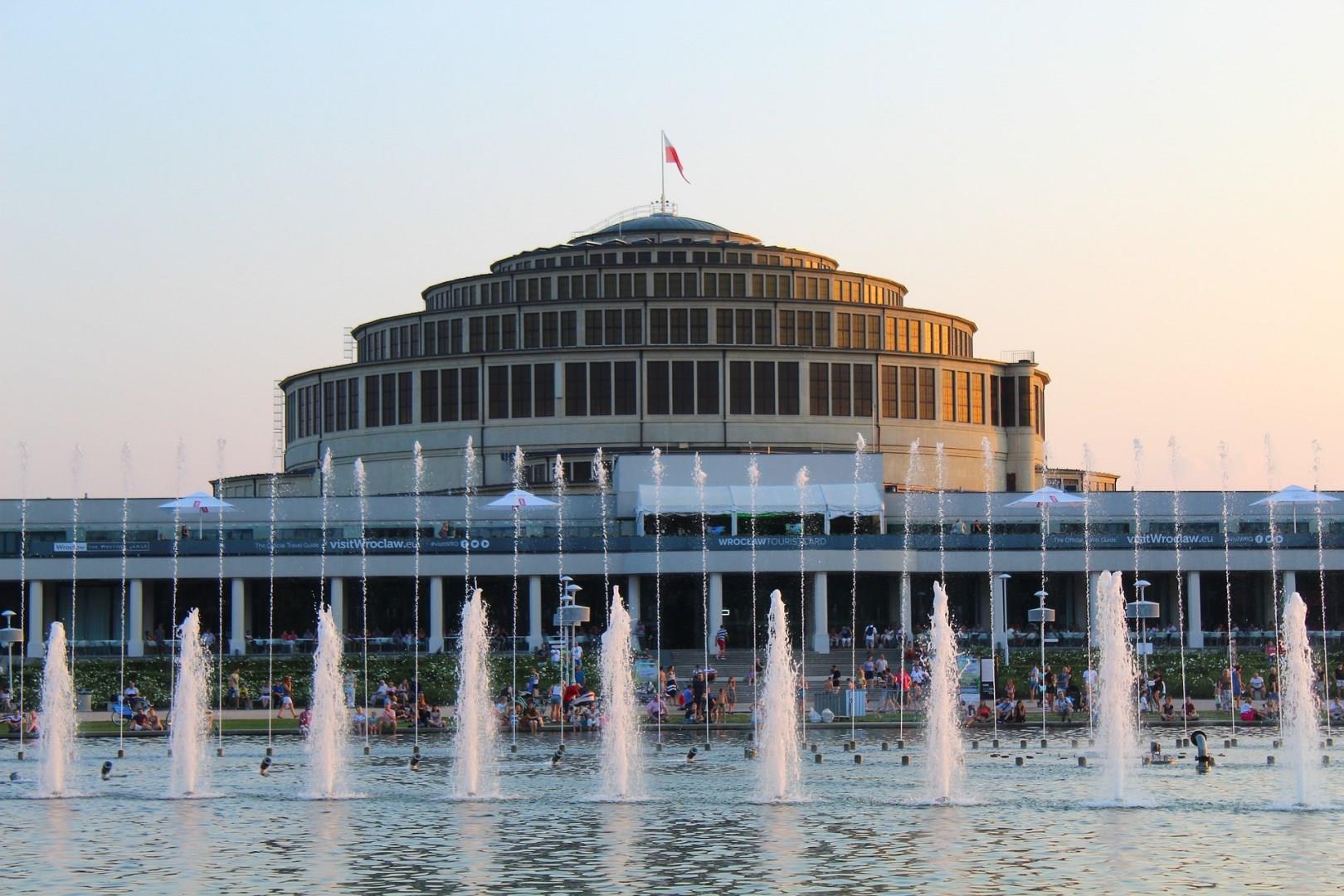
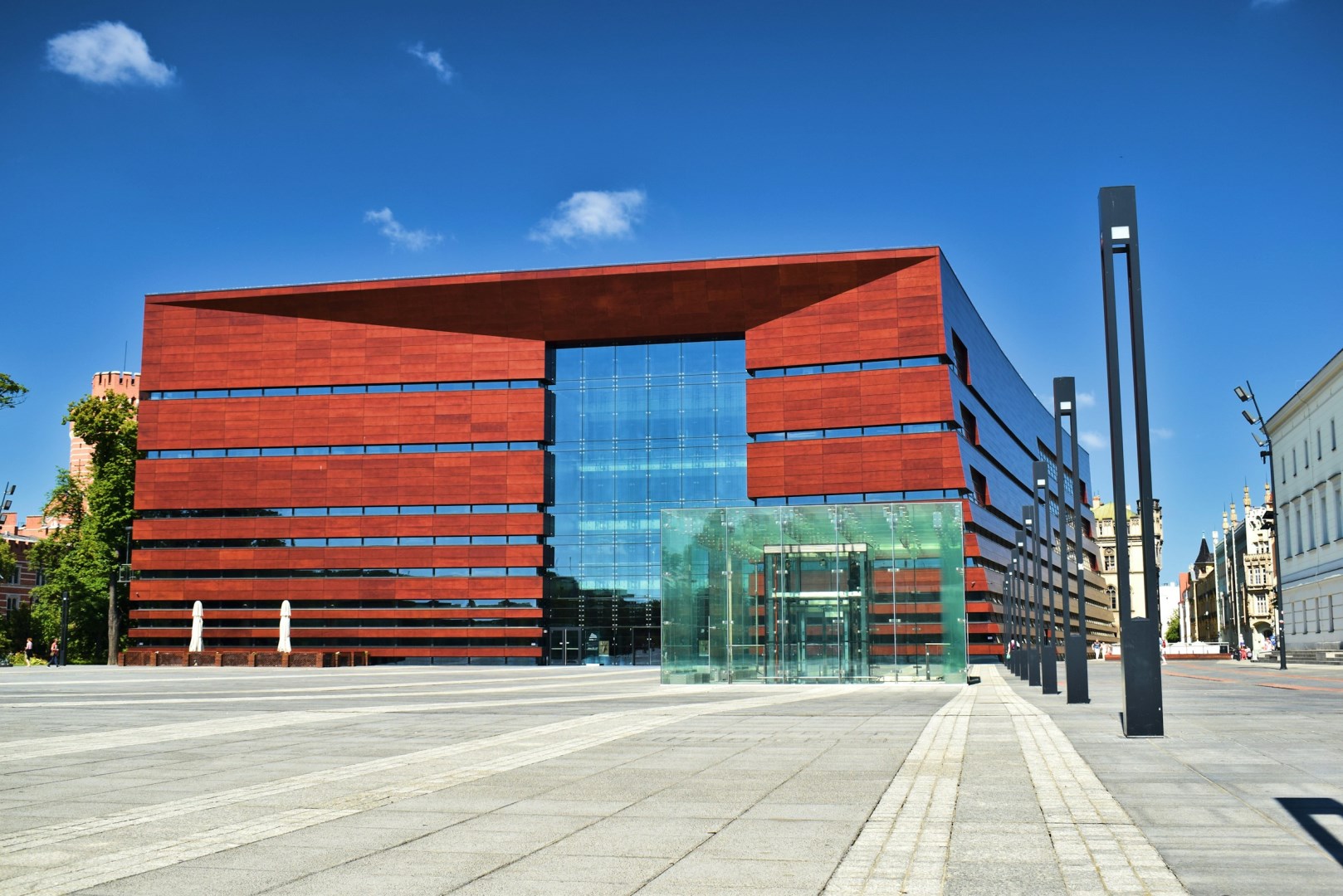
For a taste of Wrocław’s vibrant cultural scene, visit the Centennial Hall, a UNESCO World Heritage Site known for its groundbreaking architectural design. The hall hosts a variety of events, including concerts, exhibitions, and sports activities.
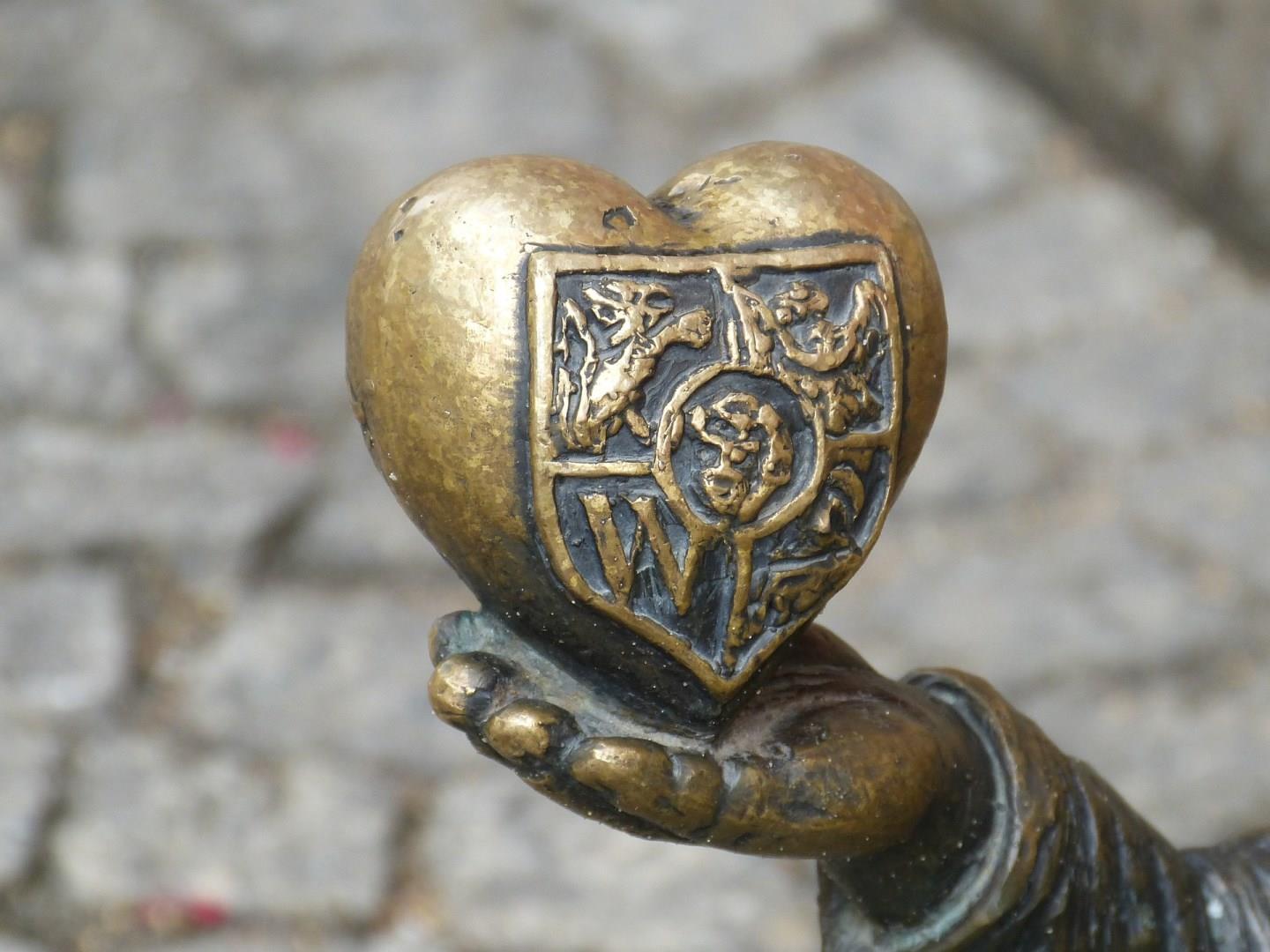
Fun Fact: Wrocław is famously home to over 400 dwarfs scattered throughout the city. These whimsical statues, each with its own unique design, are a delightful scavenger hunt for visitors. The dwarfs started as a symbol of resistance against the communist regime and have since become a charming and beloved part of Wrocław’s urban landscape.
Other Popular Destinations in Poland
Kraków
Kraków lies in southern Poland along the Vistula River and serves as one of the country’s most recognized cultural centers. Its layout is shaped by a well-preserved historic core, with streets radiating from a large central square. The city retains a human scale, where daily life unfolds among historic buildings, universities, and markets. It stands apart for its continuity of urban life, where medieval structures coexist with modern institutions without dramatic contrast.
Gdansk
Gdańsk, a vibrant port city on Poland's Baltic coast, is a hidden gem that seamlessly blends rich history with modern charm. As the largest city in northern Poland, Gdańsk has a unique identity shaped by centuries of trade, political turmoil, and cultural exchange. The city's Old Town is a feast for the eyes, with its beautifully reconstructed buildings that harken back to its Hanseatic glory days.