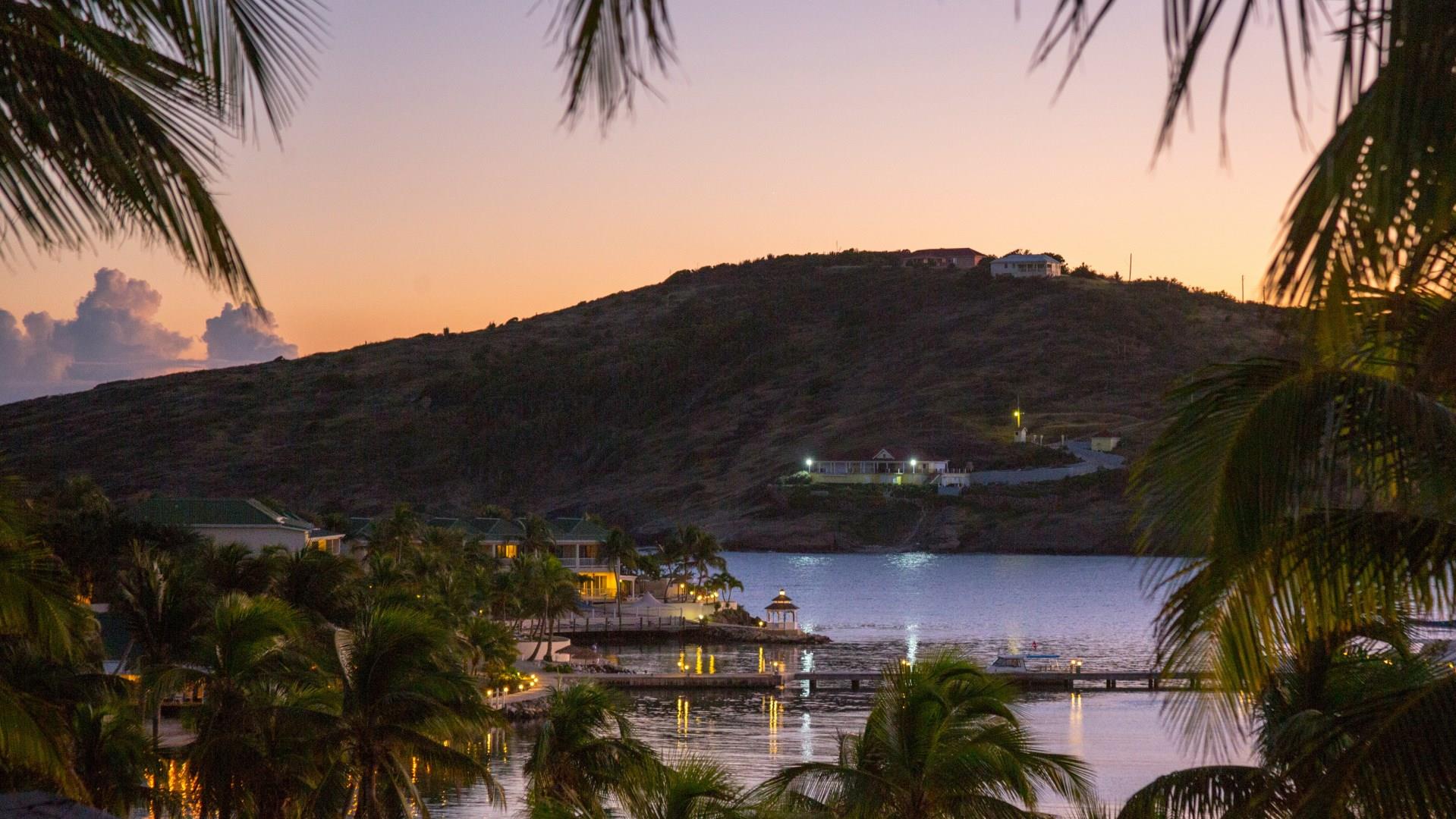
Mamora Bay
Mamora Bay, tucked into Antigua’s southern coastline, is a serene crescent-shaped bay framed by gentle hills and swaying palms. Known for its calm, sheltered waters, the bay offers a tranquil setting that contrasts with the island’s more rugged Atlantic side.
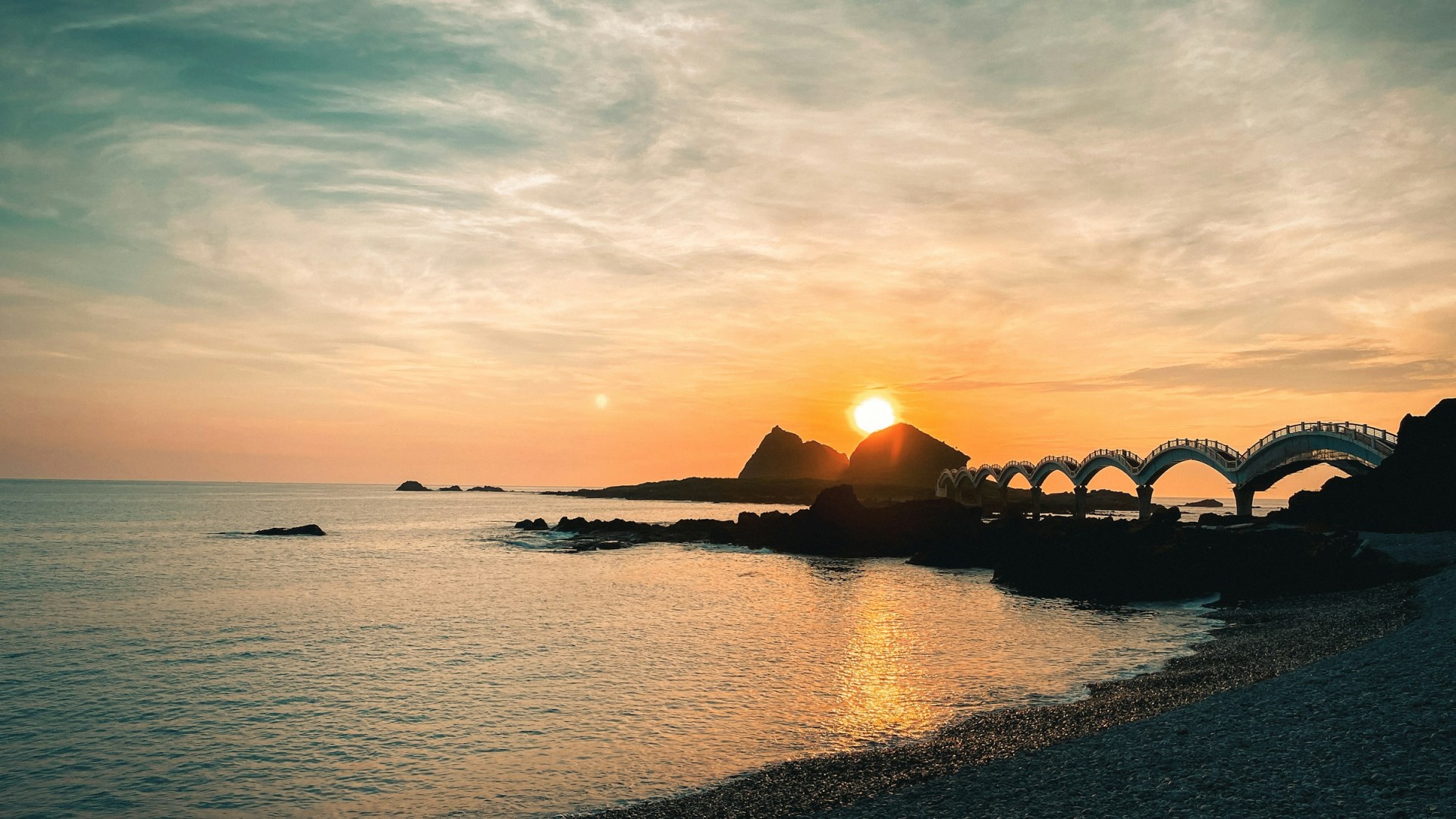
Taitung
Taitung is a city on Taiwan’s southeastern coast, backed by the Central and Coastal Mountain Ranges and facing the Pacific Ocean. Its setting gives the city a distinctive relationship with both mountains and sea, while a slower pace of development has preserved broad open spaces and coastal landscapes.
Jerusalem
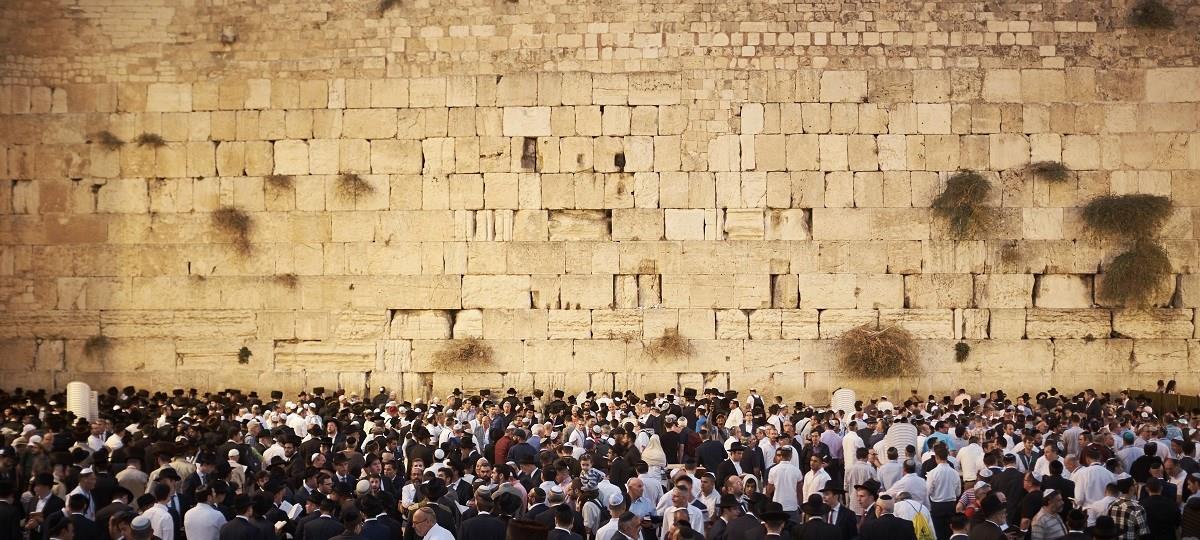
This beautiful holy city is a spiritual lightning rod and sacred to Jews, Muslims and Christians all over the world. Although Jerusalem is known primarily for its religious history, the city is also home to many artistic and cultural venues.

Lyttelton
Lyttelton is the largest settlement on Lyttelton Harbour, an inlet on the northwestern side of Banks Peninsula, and provides a frequent landing spot to those who are Christchurch bound.
Geraldton
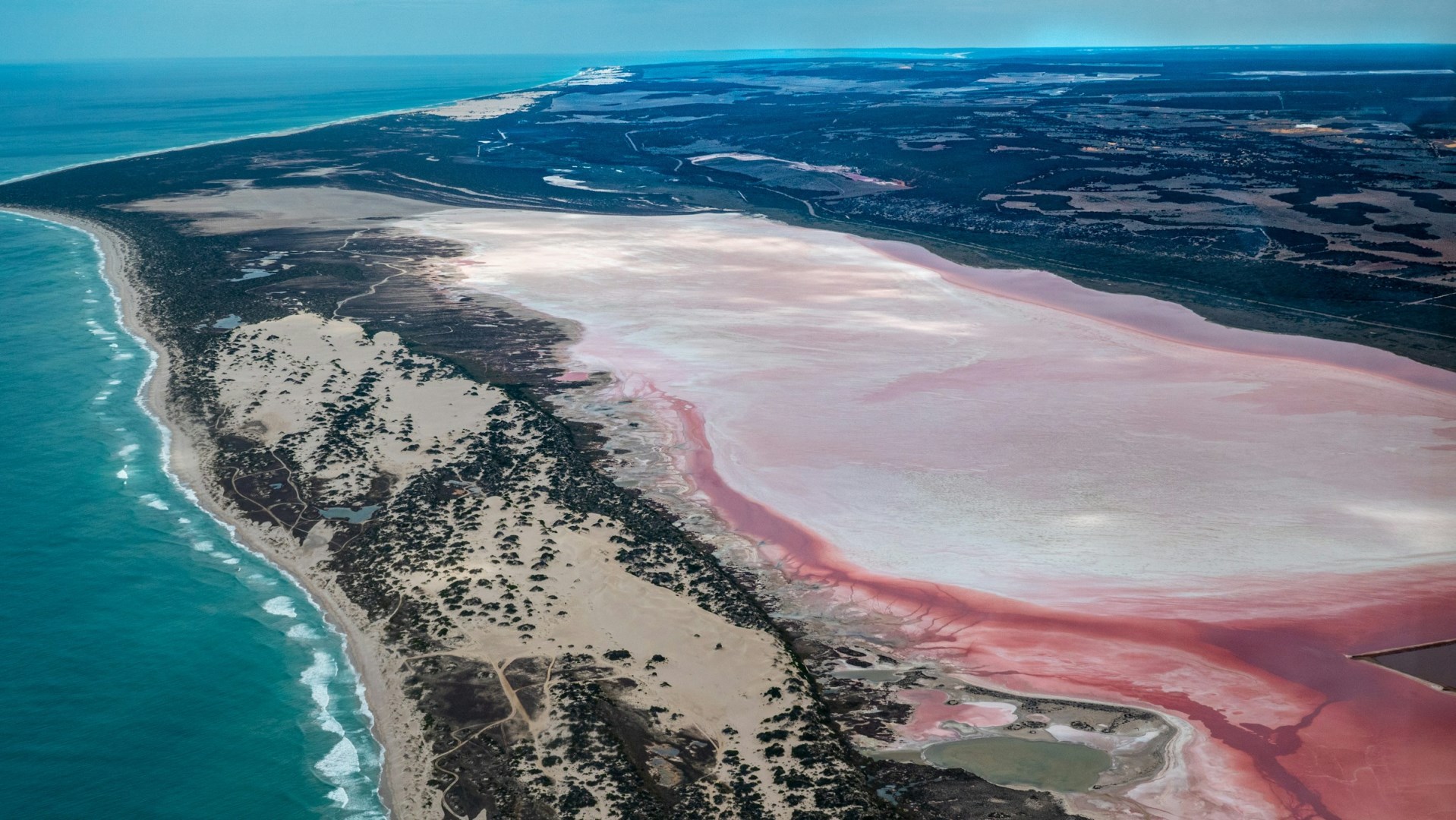
A major town in the midwest region of Western Australia on the coast, it is also the site of a maritime museum that houses the relics of numerous ship wrecks that occurred off its coastline.