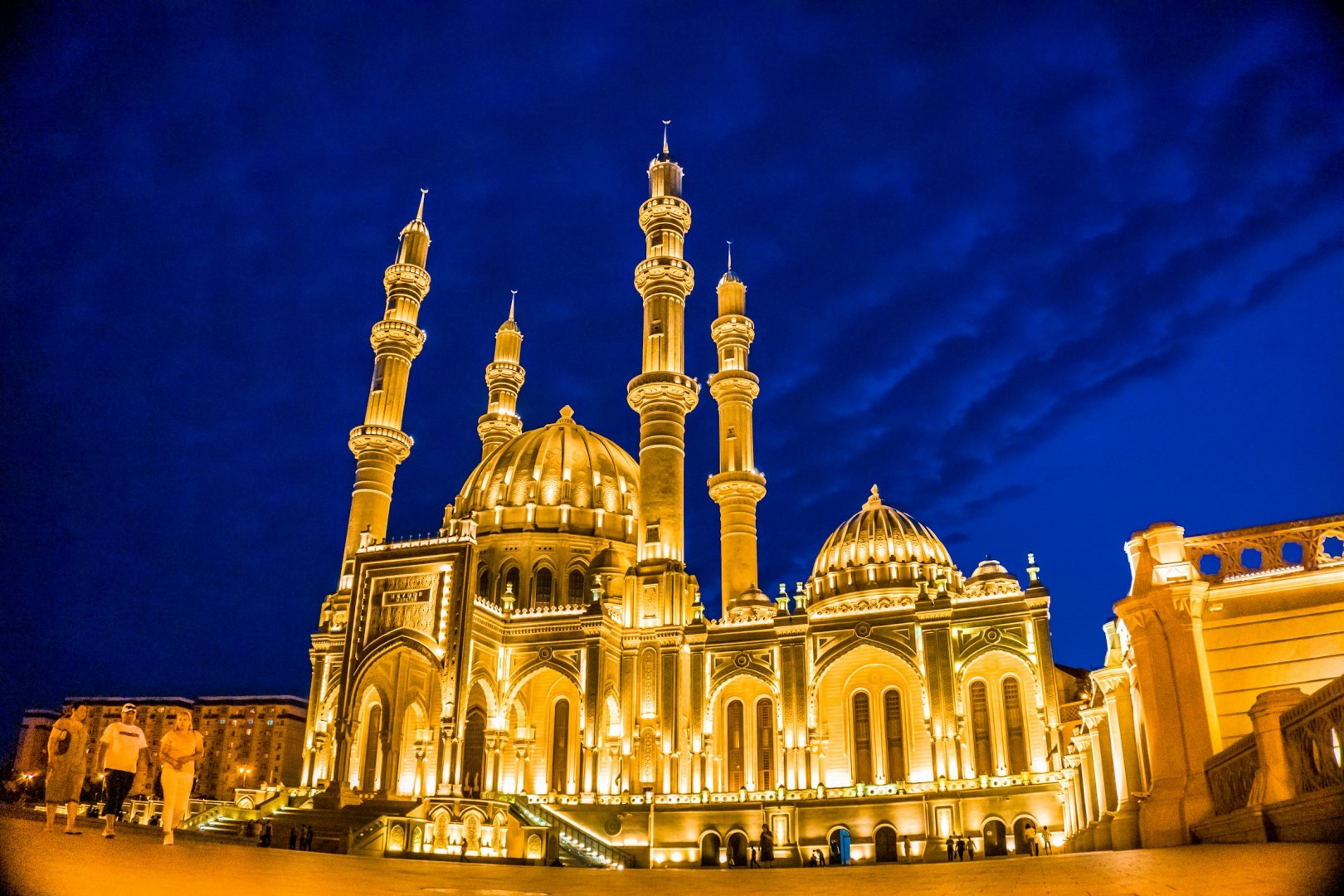
Baku, the capital of Azerbaijan, rises on the shores of the Caspian Sea as a city of striking contrasts. Its futuristic skyline, defined by the Flame Towers, glows each evening in waves of light, while the UNESCO-listed Old City preserves centuries of history within its fortified walls.
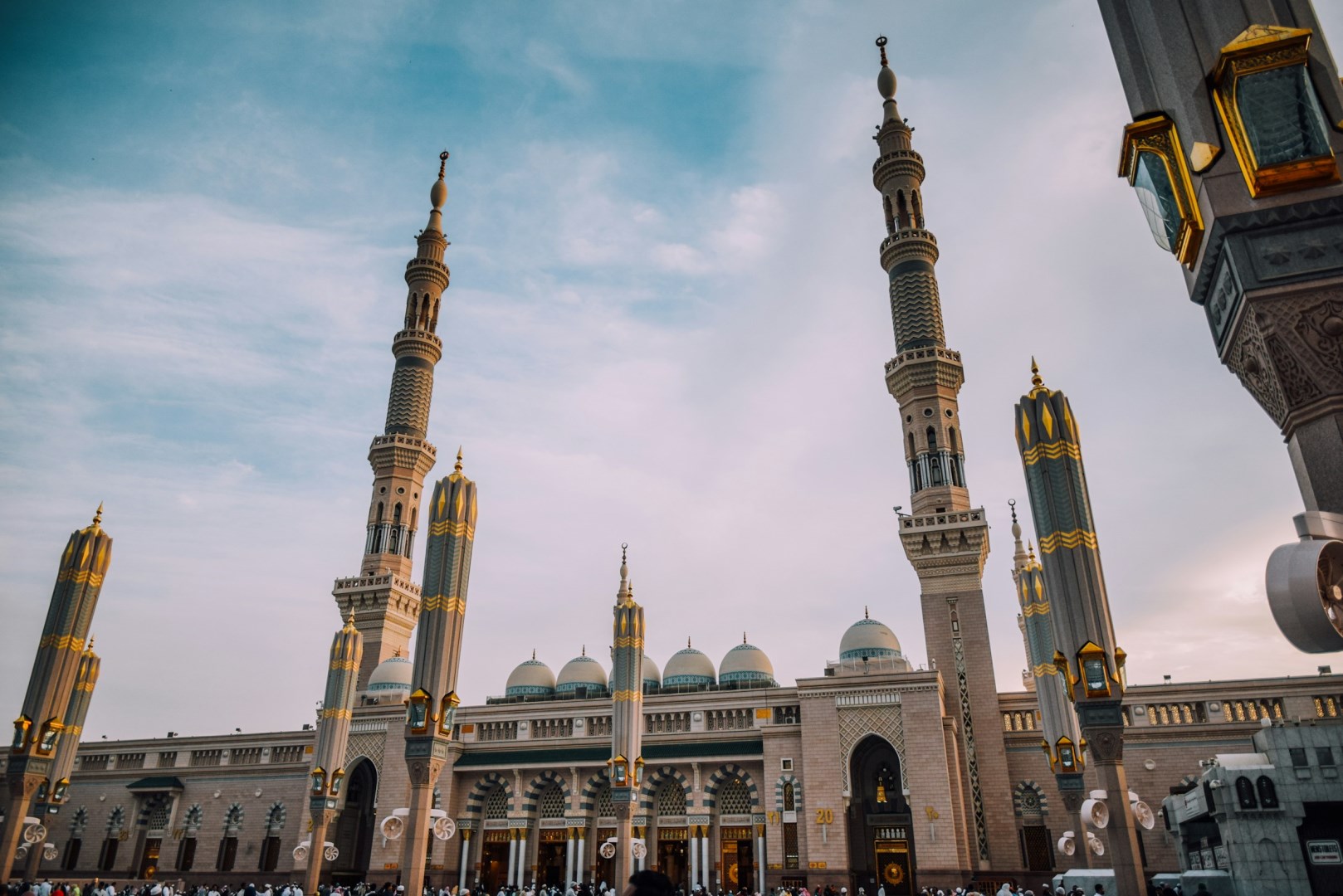
Madinah, officially Al Madinah Al Munawwarah, is a city in western Saudi Arabia with a central place in Islamic history and religious life. The city developed around an oasis and is surrounded by volcanic hills and rocky terrain, giving its urban landscape a distinct setting. At its heart stands Al Masjid an Nabawi, the Mosque of the Prophet Muhammad, which is one of the most important religious sites in Islam.
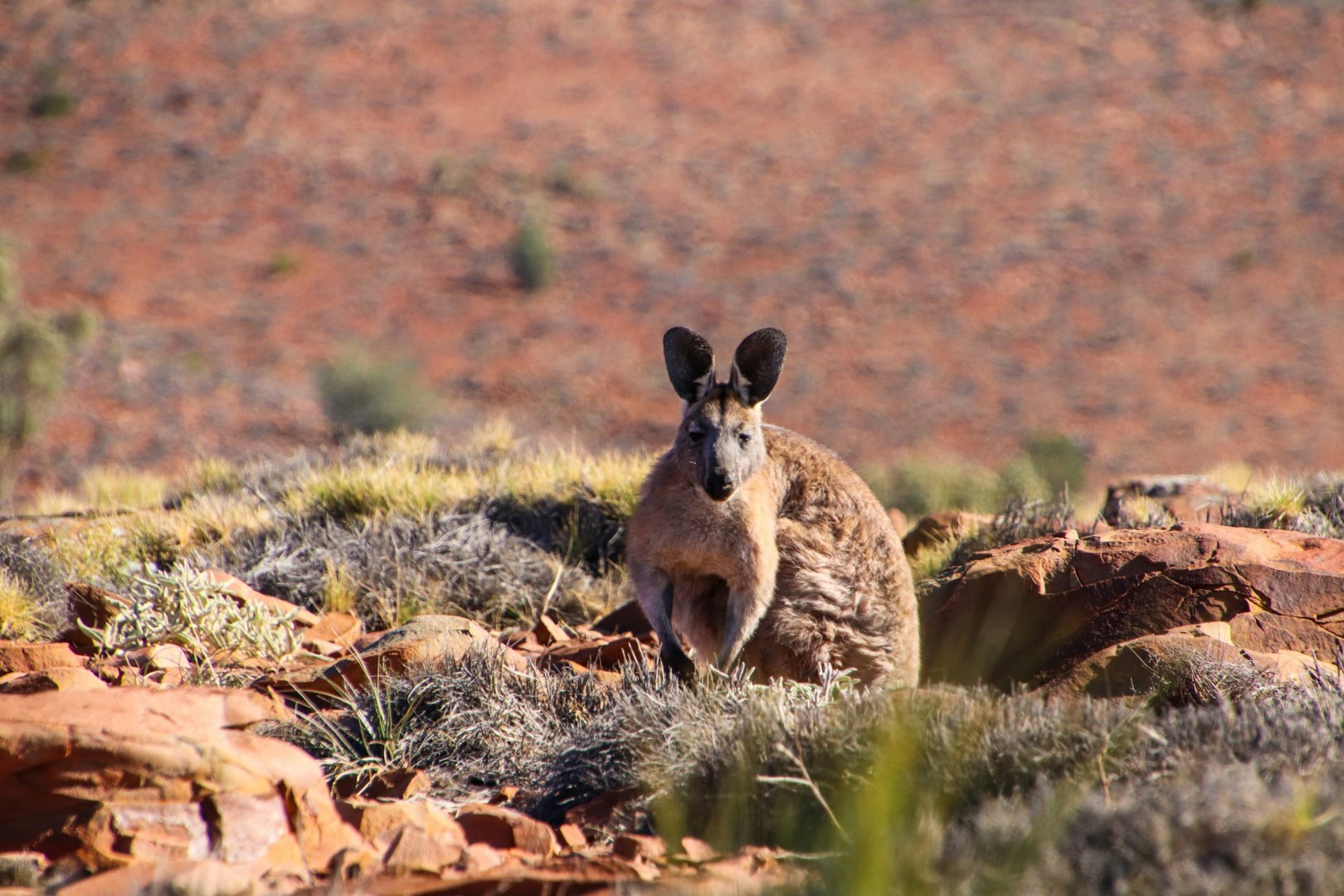
Ikara-Flinders Ranges National Park lies in South Australia’s Flinders Ranges, covering about 95,000 hectares of rugged mountains, dry valleys, rocky gorges, and semi-arid plains. Its most recognizable feature is Ikara, also known as Wilpena Pound, a vast natural amphitheatre enclosed by quartzite ranges. The park also contains the Heysen Range and the Brachina and Bunyeroo gorges, creating a landscape shaped by erosion and exposed geological layers.
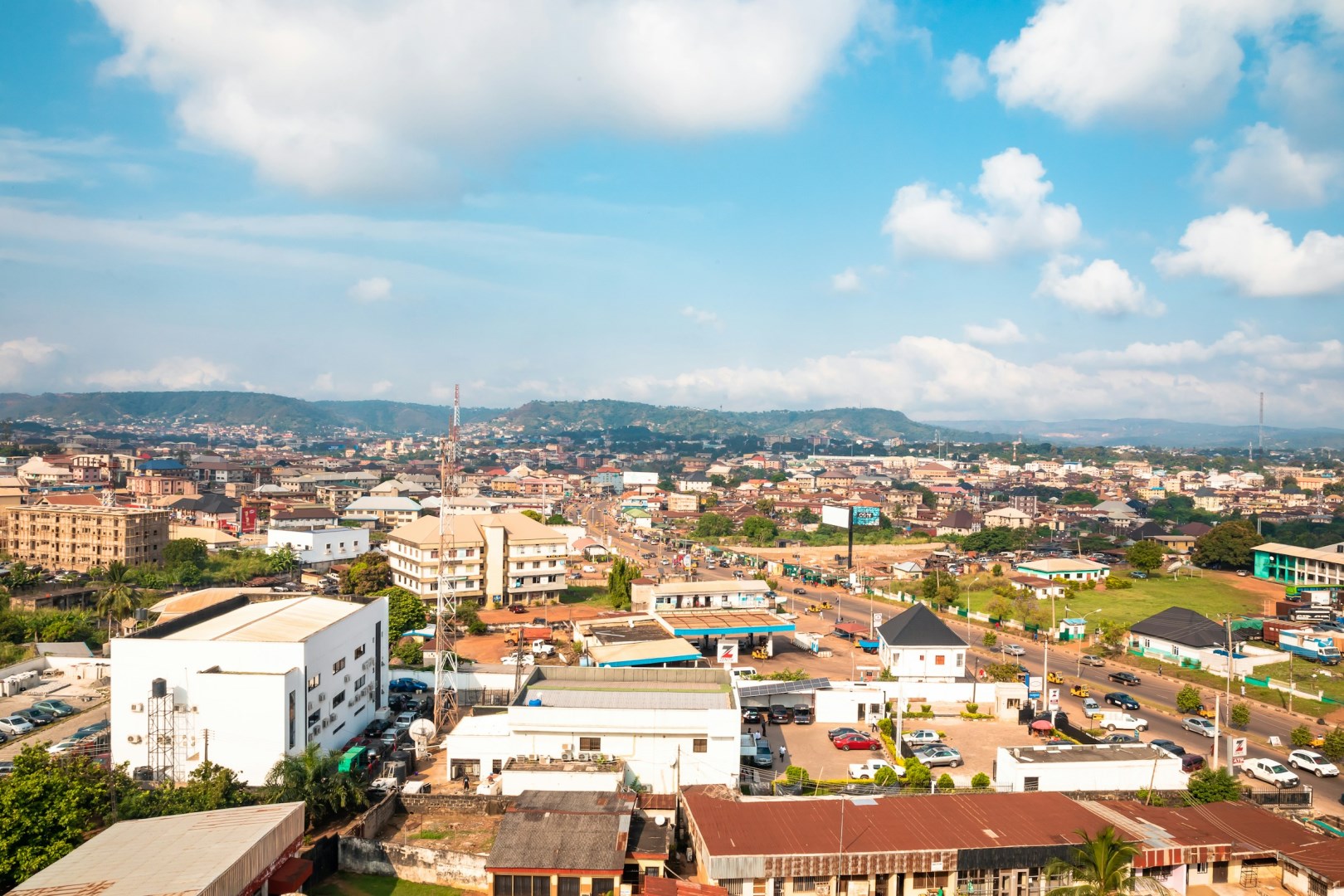
New Jersey often surprises first-time visitors. It’s not just the gateway to New York or Philadelphia but a destination in its own right with deep Revolutionary War history, beach towns full of character, and some of the most diverse food offerings on the East Coast. Cities like Trenton and Morristown still carry the echoes of pivotal battles, while monuments and preserved buildings tell stories of George Washington’s winter encampments and early American resilience.
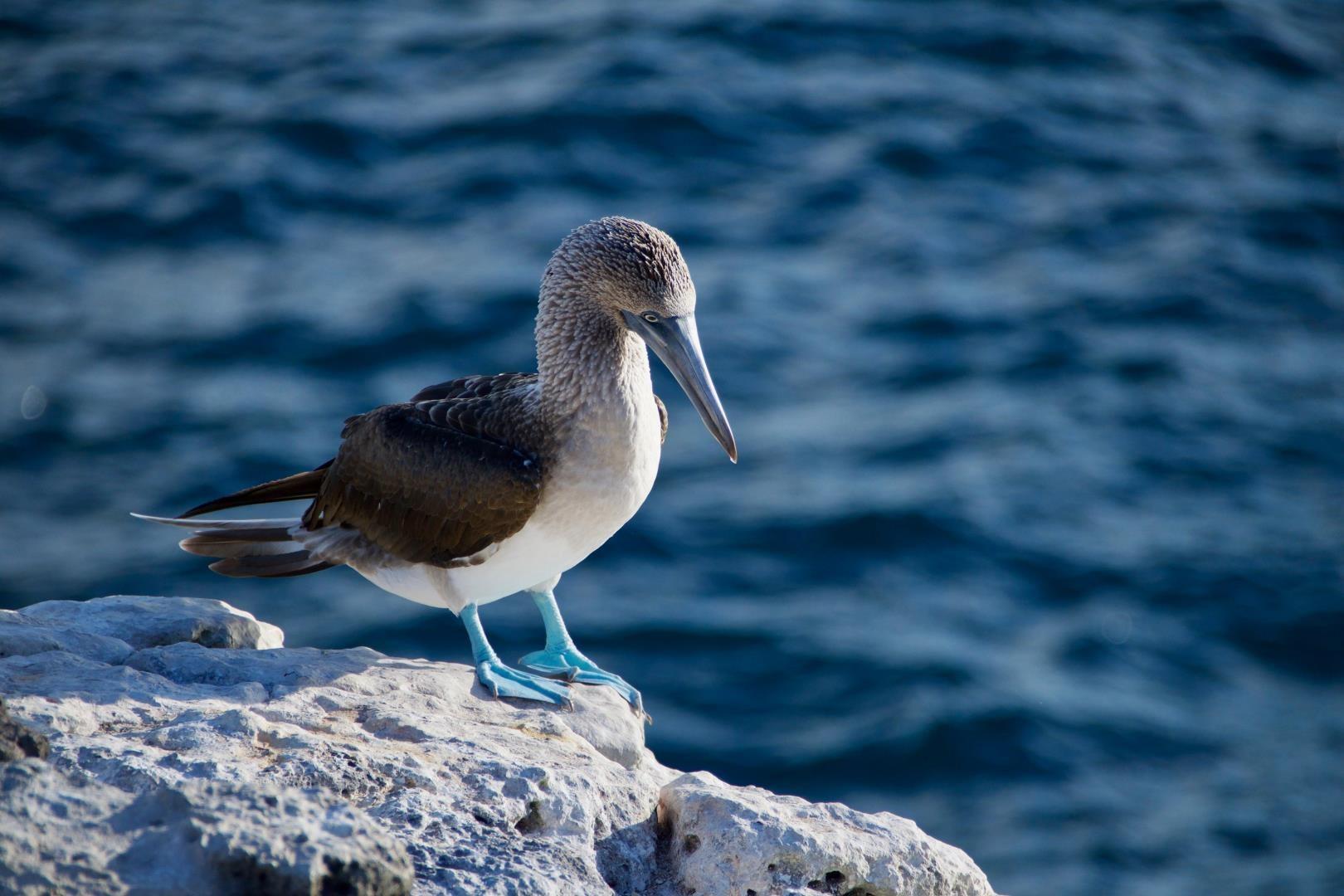
Photo Credit: Photo by Bjarn Bronsveld on Unsplash
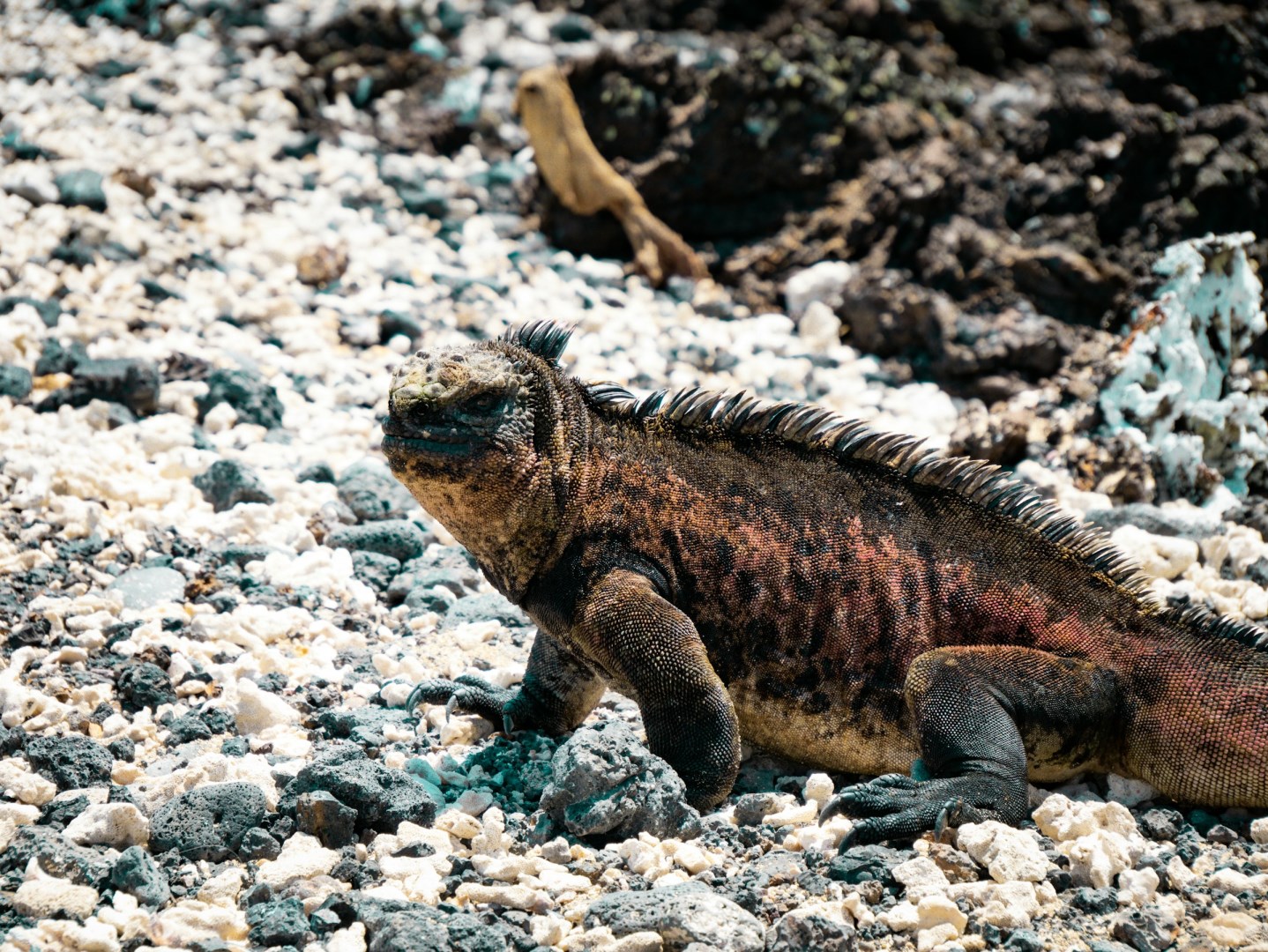
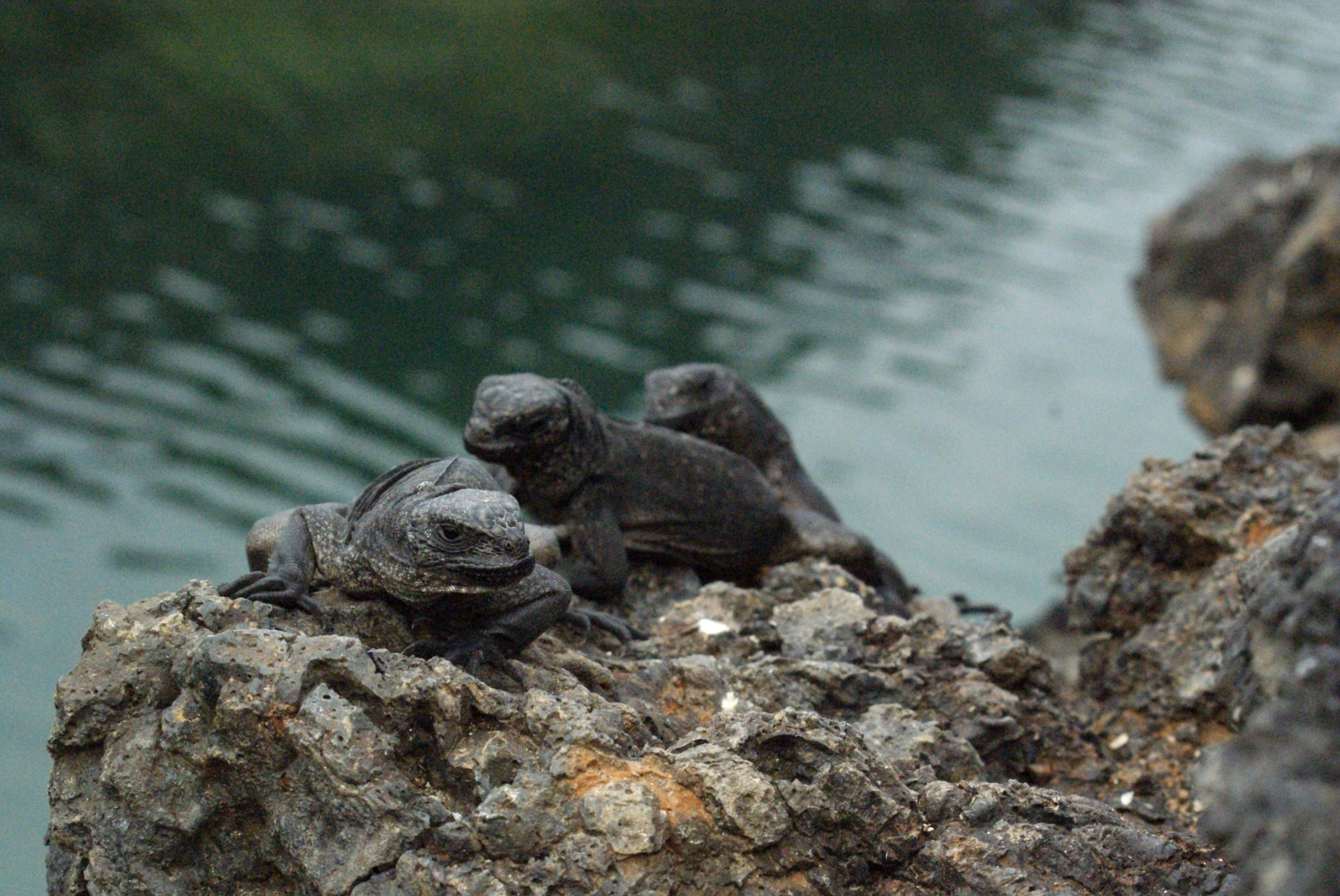
Marine iguana
Photo Credit: Photo by Bjarn Bronsveld on Unsplash
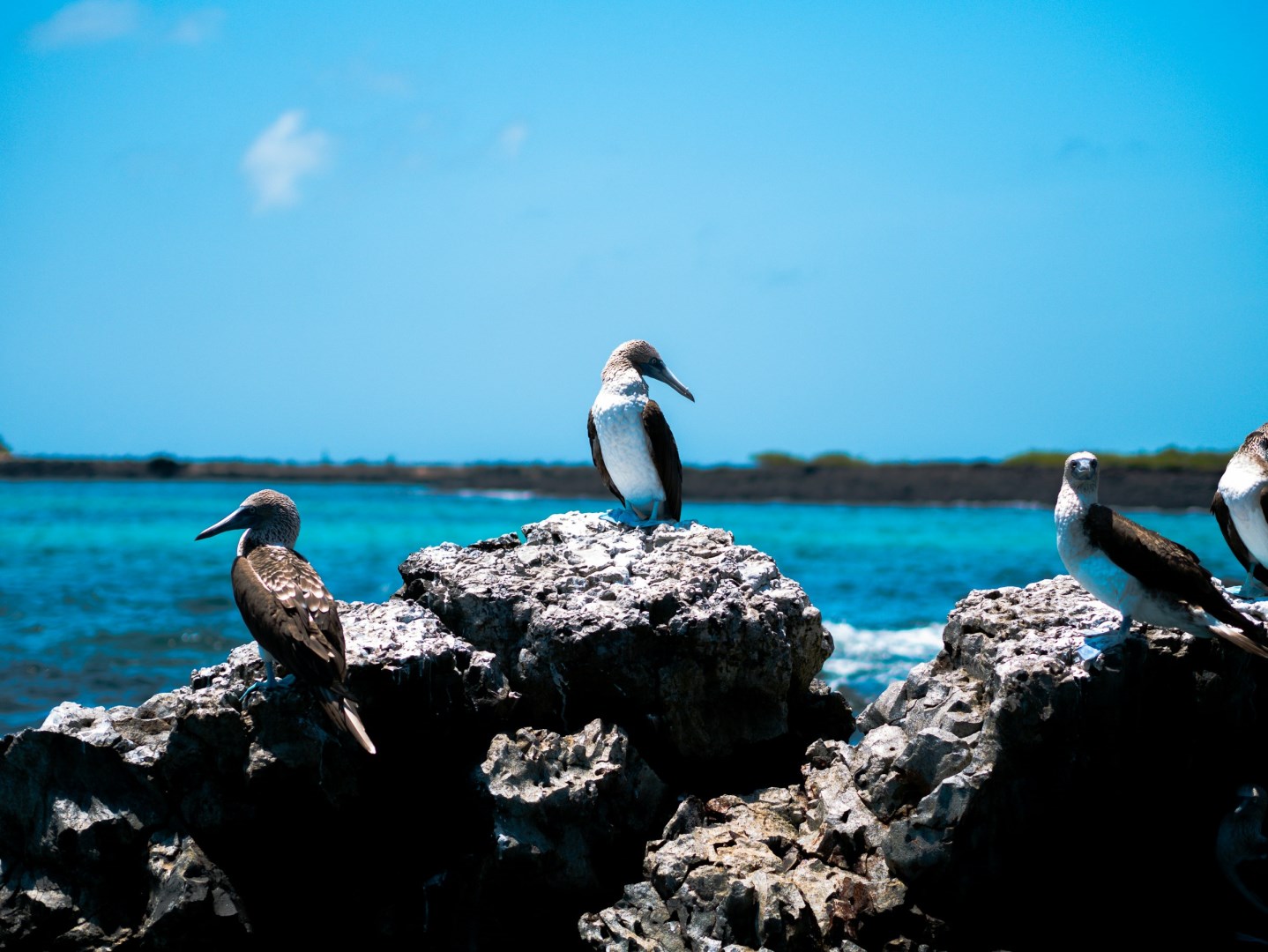
Blue Footed Boobies
Photo Credit: Photo by Bjarn Bronsveld on Unsplash
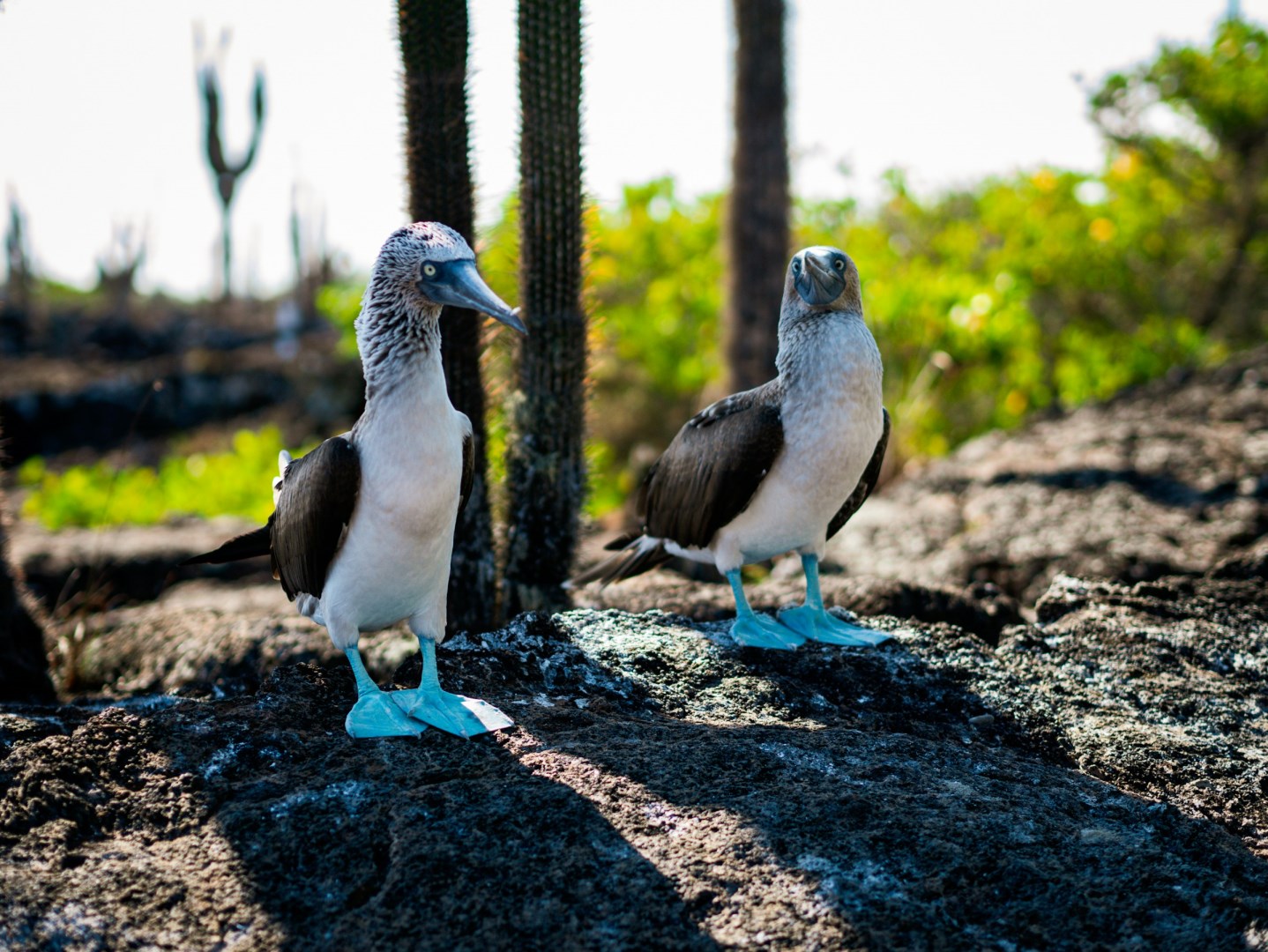
Blue Footed Boobies
Photo Credit: Photo by Bjarn Bronsveld on Unsplash
Photo Credit: Photo by Rein Ketelaars on Unsplash
Photo Credit: Photo by Sofia on Unsplash
Photo Credit: Photo by Dallas Krentzel Wikimedia
Photo Credit: Photo by Dallas Krentzel from Wikimedia
Isabela Island is the largest of the Galapagos islands, on the western end of the archipelago. Shaped like a seahorse when viewed from above, Isabela is home to more wild tortoises than any other island, as well as a wide variety of other animal, bird and marine life.
On Isabela's west coast lies Tagus Cove, a natural protected harbor where centuries ago whalers safely spent the night and left their ships' signatures painted on the rocks. Near Elizabeth Bay, Moreno Point is a birdwatcher's delight. Further inland, visitors will find six volcanoes, five of which are still active and two that sit directly on the Equator. At the base of Alcedo Volcano is Urbina Bay, a perfect spot for snorkeling and home to the biggest land iguanas in the Galapagos.
To the north, located at the "mouth" of the island, is Punta Vicente Roca. Although it's a marine-only site (meaning it can only be accessed via dinghy or SCUBA diving), the formation nonetheless draws plenty of visitors eager to see its spectacular sea life - penguins, seahorses, sea turtles, sunfish, and more.
Other Popular Destinations in Ecuador
Guayaquil
Guayaquil, Ecuador, is a vibrant port city and a frequent starting point for cruises to the Galapagos Islands.
Galapagos Islands
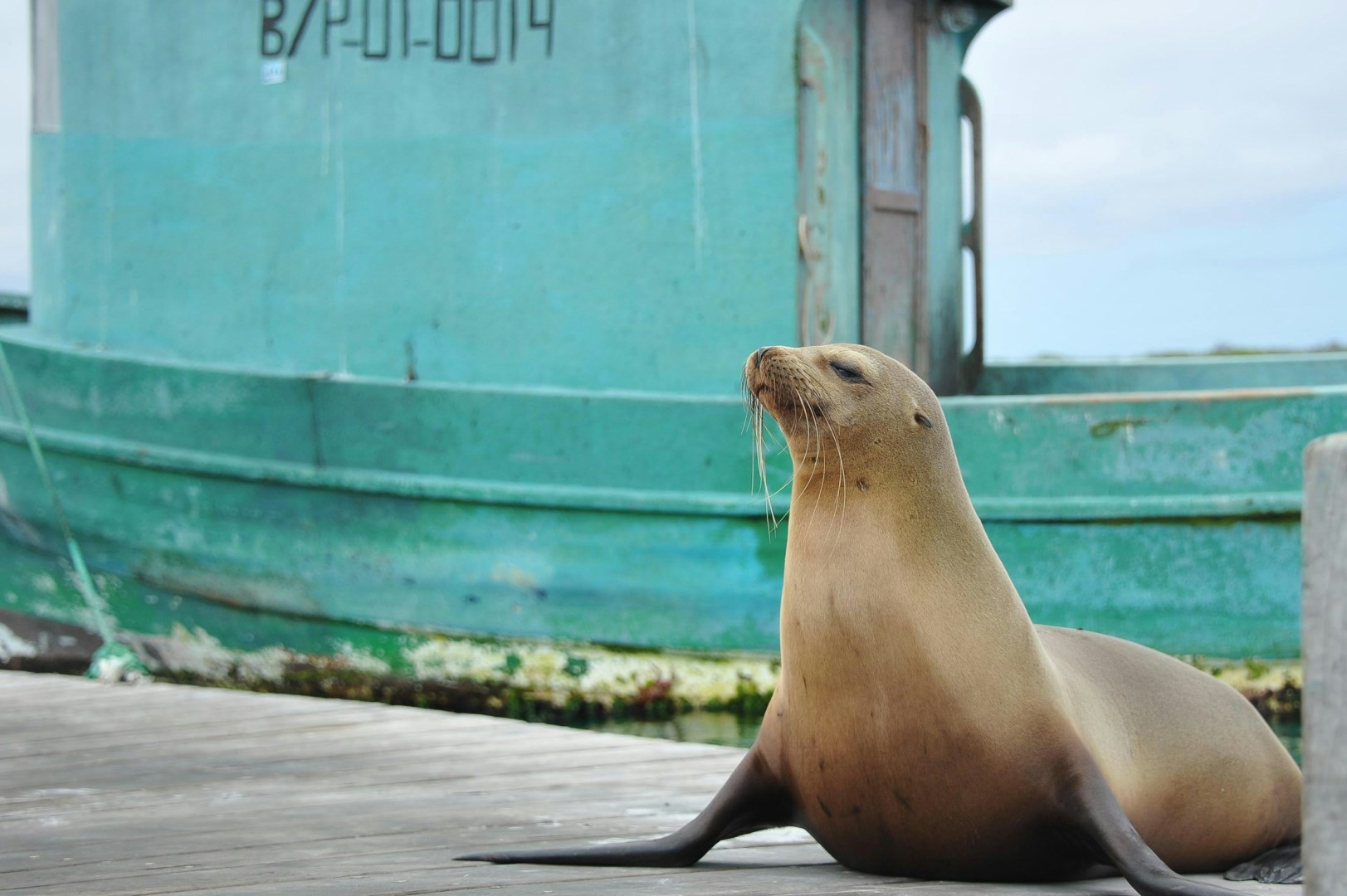
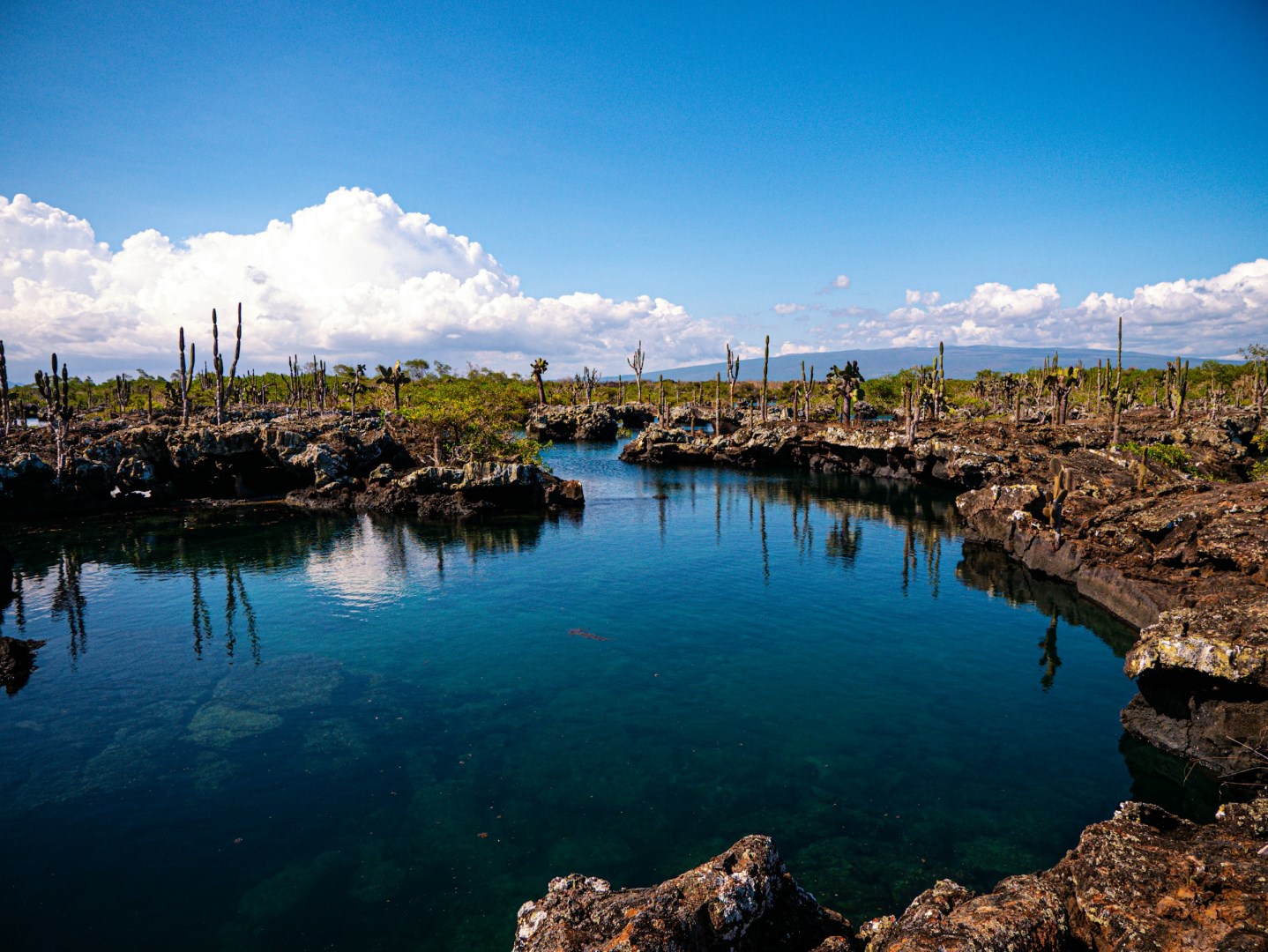
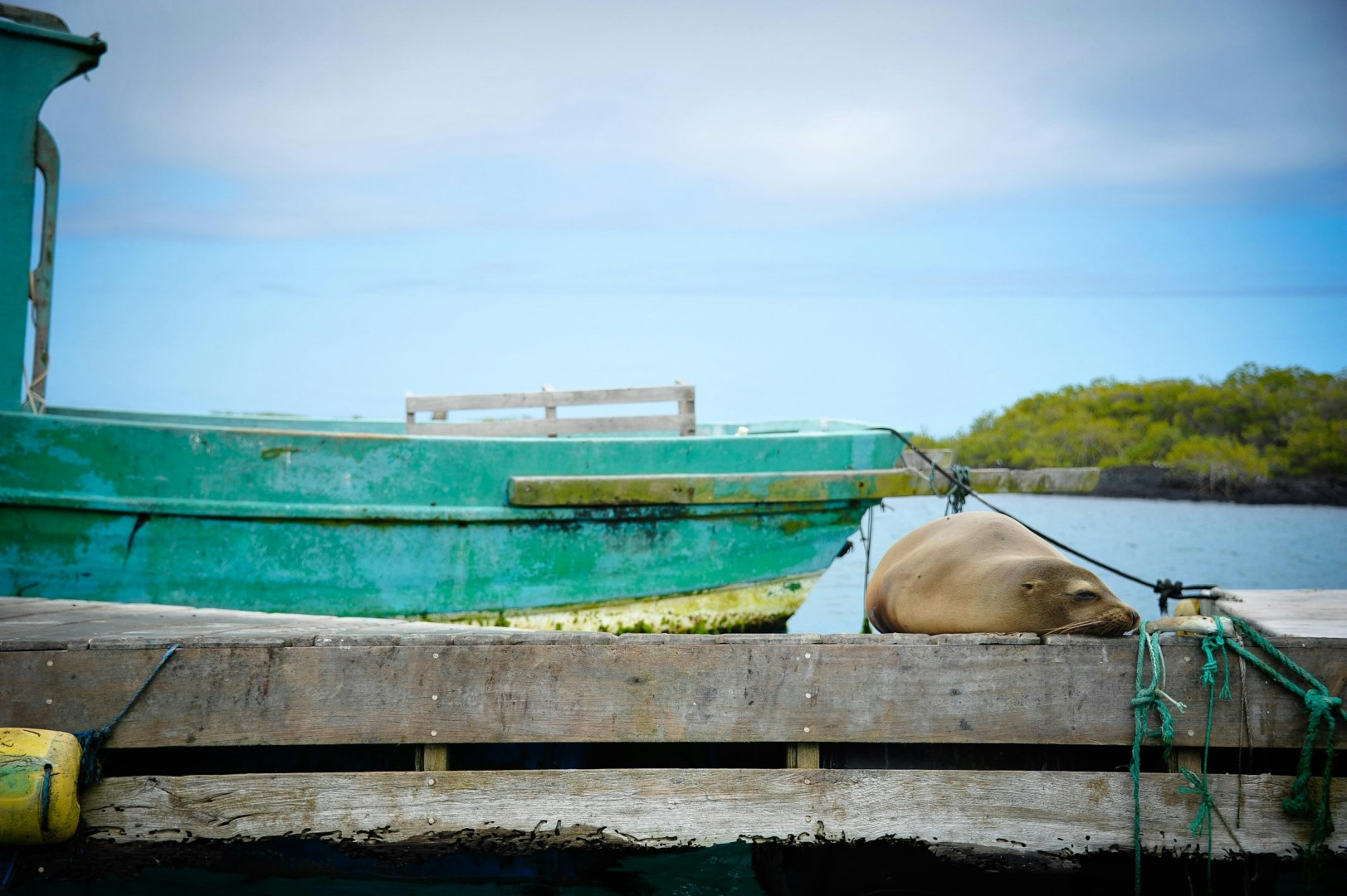
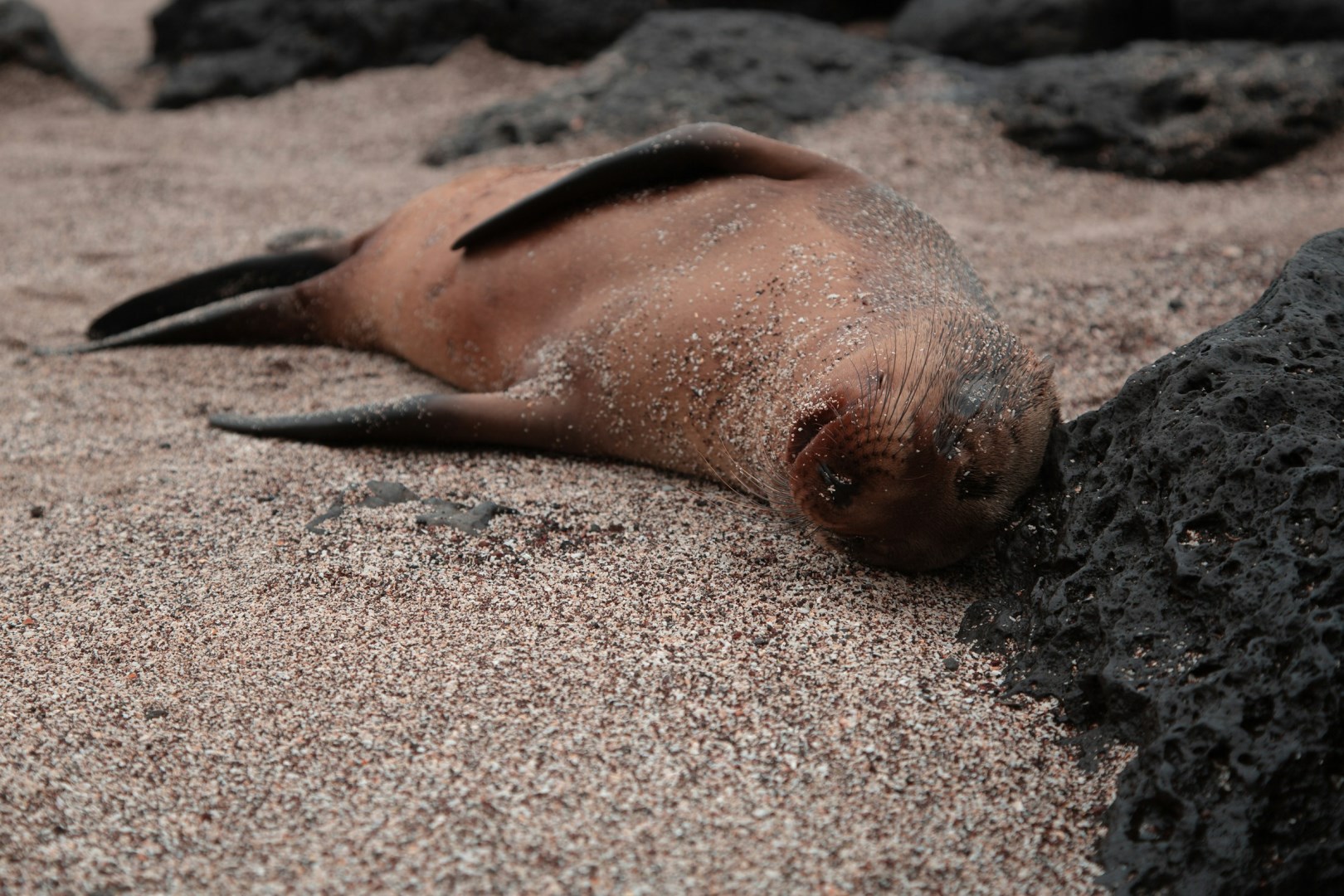
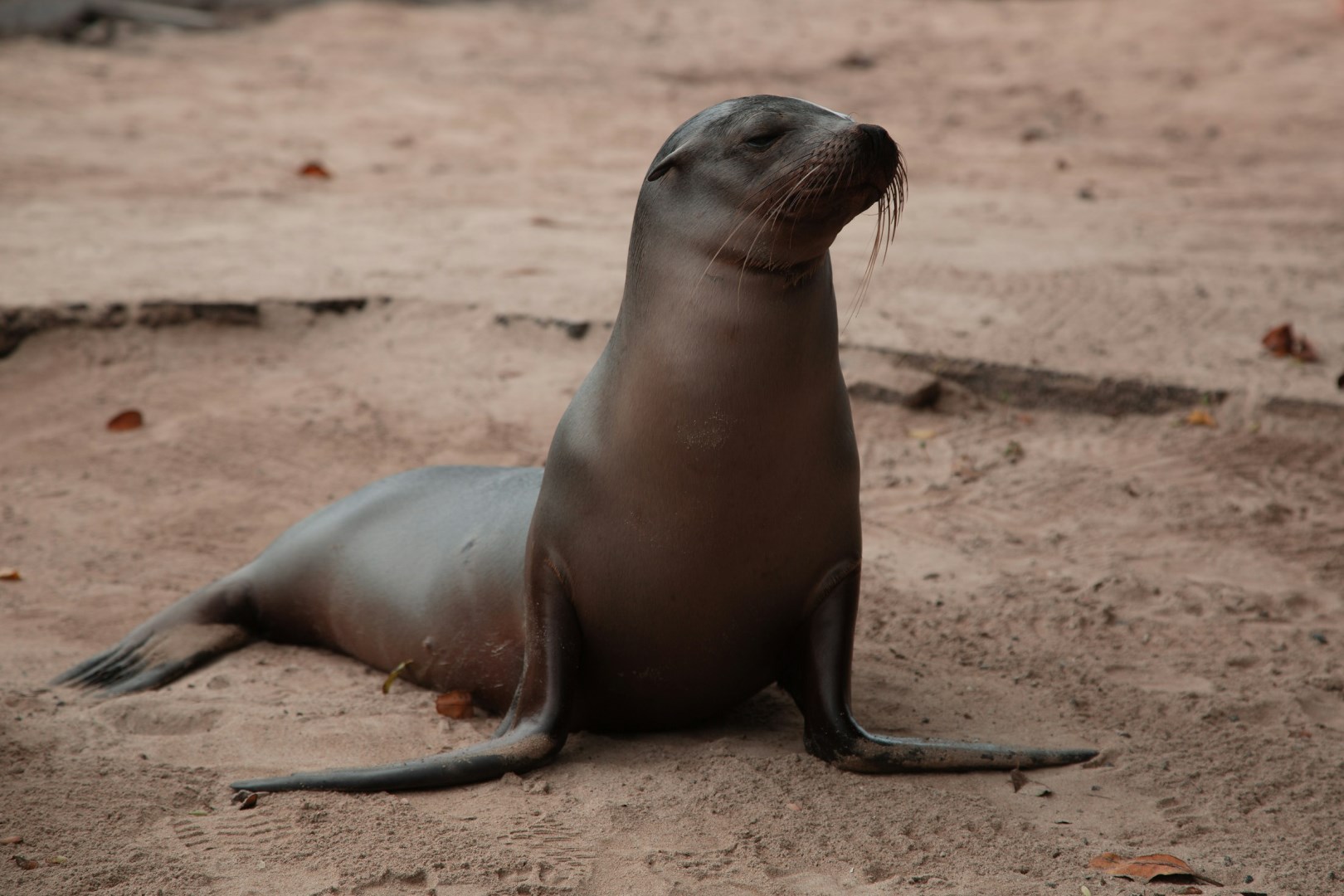
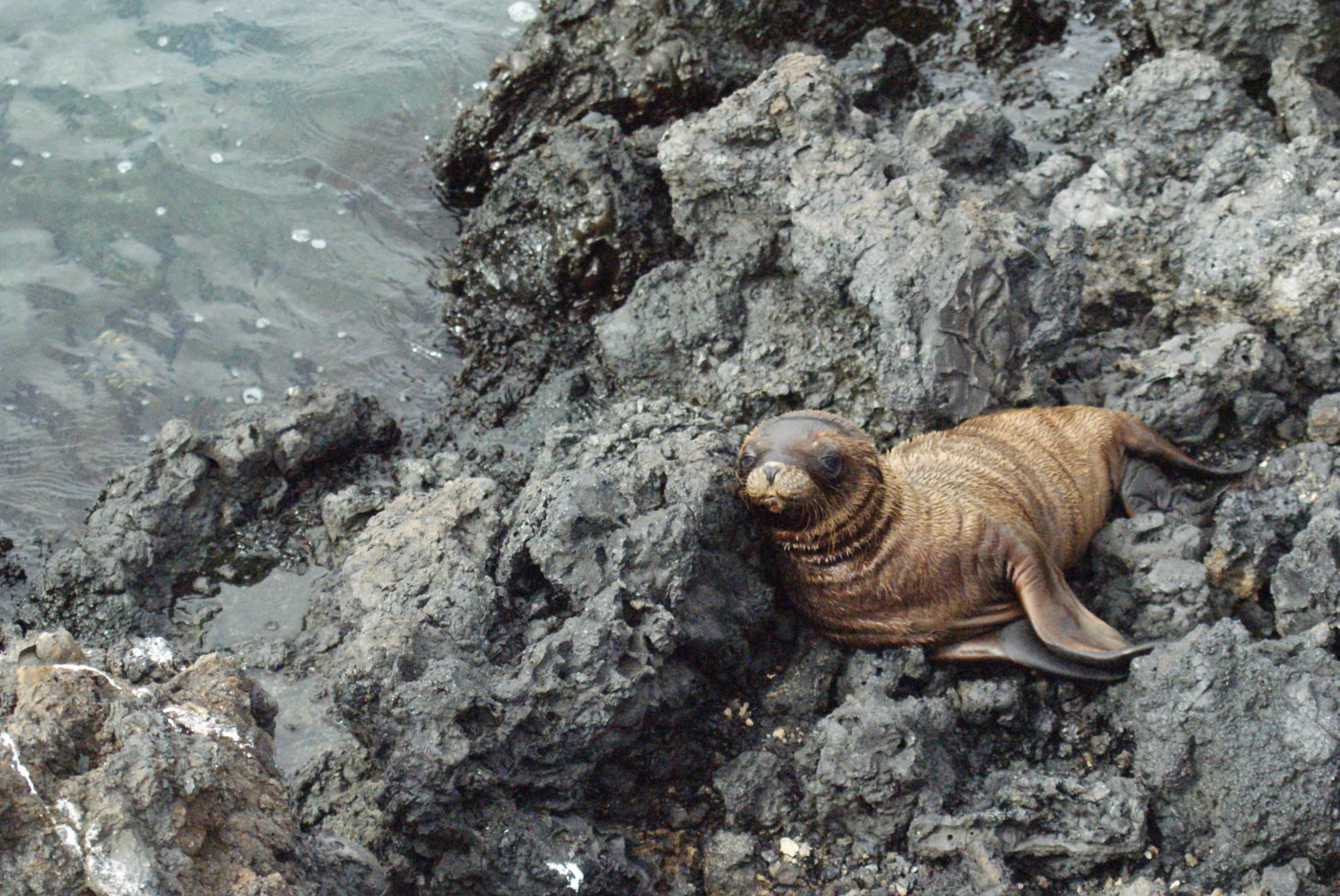
Off the coast of Ecuador, the iconic and biodiverse Galápagos Islands, made famous by Charles Darwin’s nineteenth-century research expeditions on HMS Beagle, beckon you. This glittering archipelago, surrounded by vivid turquoise waves, abounds with stunning beaches and spectacular wildlife, perfect for the adventurous traveler.