Baiona is a coastal town in Galicia, Spain, located along the Atlantic Ocean in the province of Pontevedra. It sits at the entrance of the Ría de Vigo, with a historic harbor that has long connected it to maritime activity. The town is known for its seafront setting, where fishing traditions and tourism exist side by side.
Lake Nokoué is a large lagoon lake in southern Benin, stretching along the Atlantic coastal plain near the cities of Cotonou, Porto-Novo, and Abomey-Calavi. Covering a broad area of shallow water connected to rivers, marshes, and the sea, it plays an important role in transportation, fishing, and daily life for surrounding communities.
Olbia, located on the northeast coast of Sardinia, offers a blend of history and modernity. The city is known for its well-preserved ruins and historical sites, such as the Basilica di San Simplicio, an 11th-century Romanesque church built from local granite.
Karlstad, Sweden, is a city that elegantly combines natural beauty with cultural charm. Situated on the banks of Lake Vänern, Sweden’s largest lake, Karlstad is renowned for its picturesque waterfront and abundant sunshine. The city’s Värmlands Museum provides an enriching experience with its exhibits on local history, art, and the region's unique cultural heritage.
Uluru-Kata Tjuta National Park, national park in the Northern Territory, Australia, in the arid center of the continent, southwest of Alice Springs. The area was established as Ayers Rock/Mount Olga National Park in 1958 and renamed Uluru National Park in 1977.
Photo Credit: Photo by Bjarn Bronsveld on Unsplash
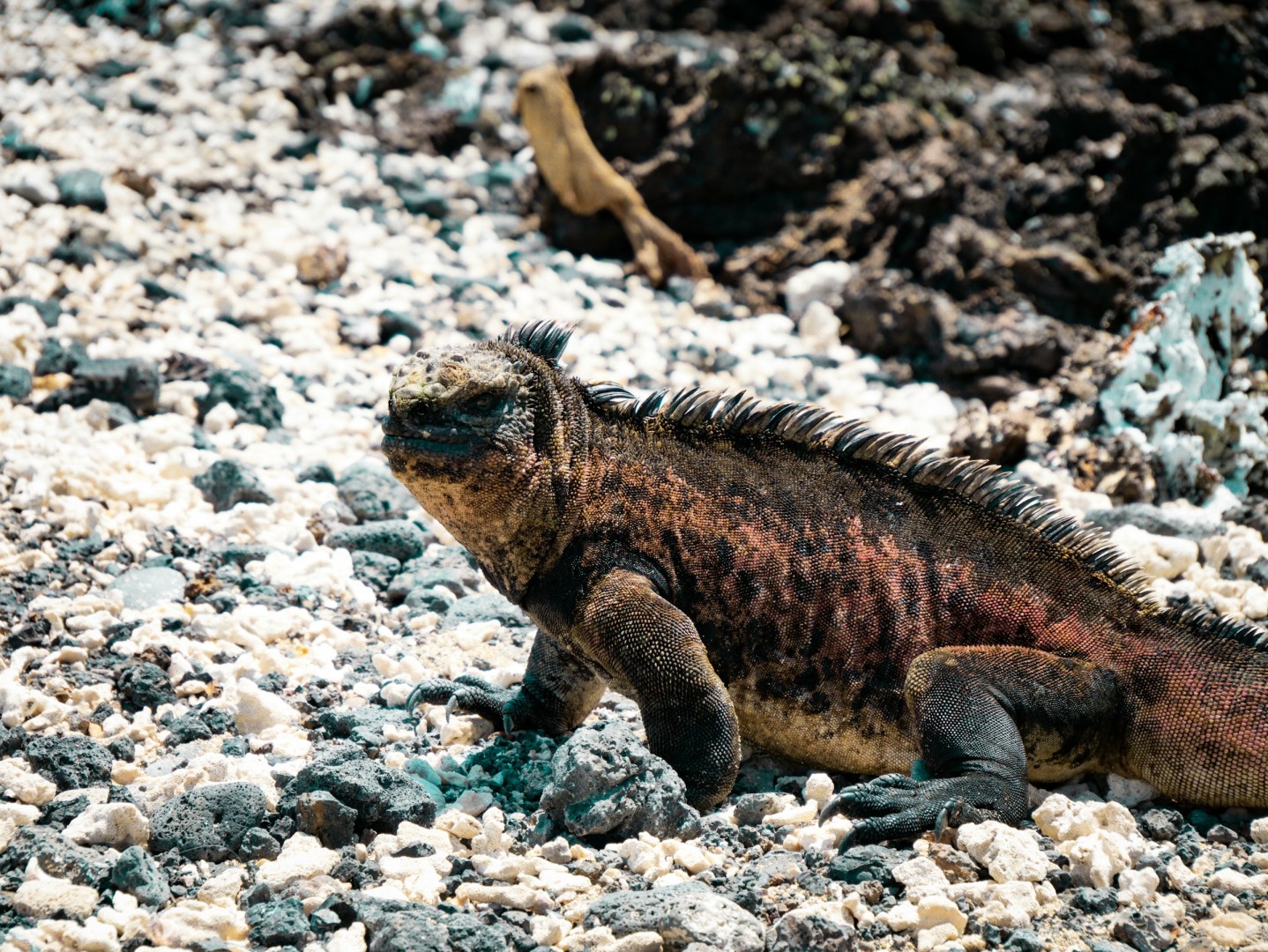
Marine iguana
Photo Credit: Photo by Bjarn Bronsveld on Unsplash
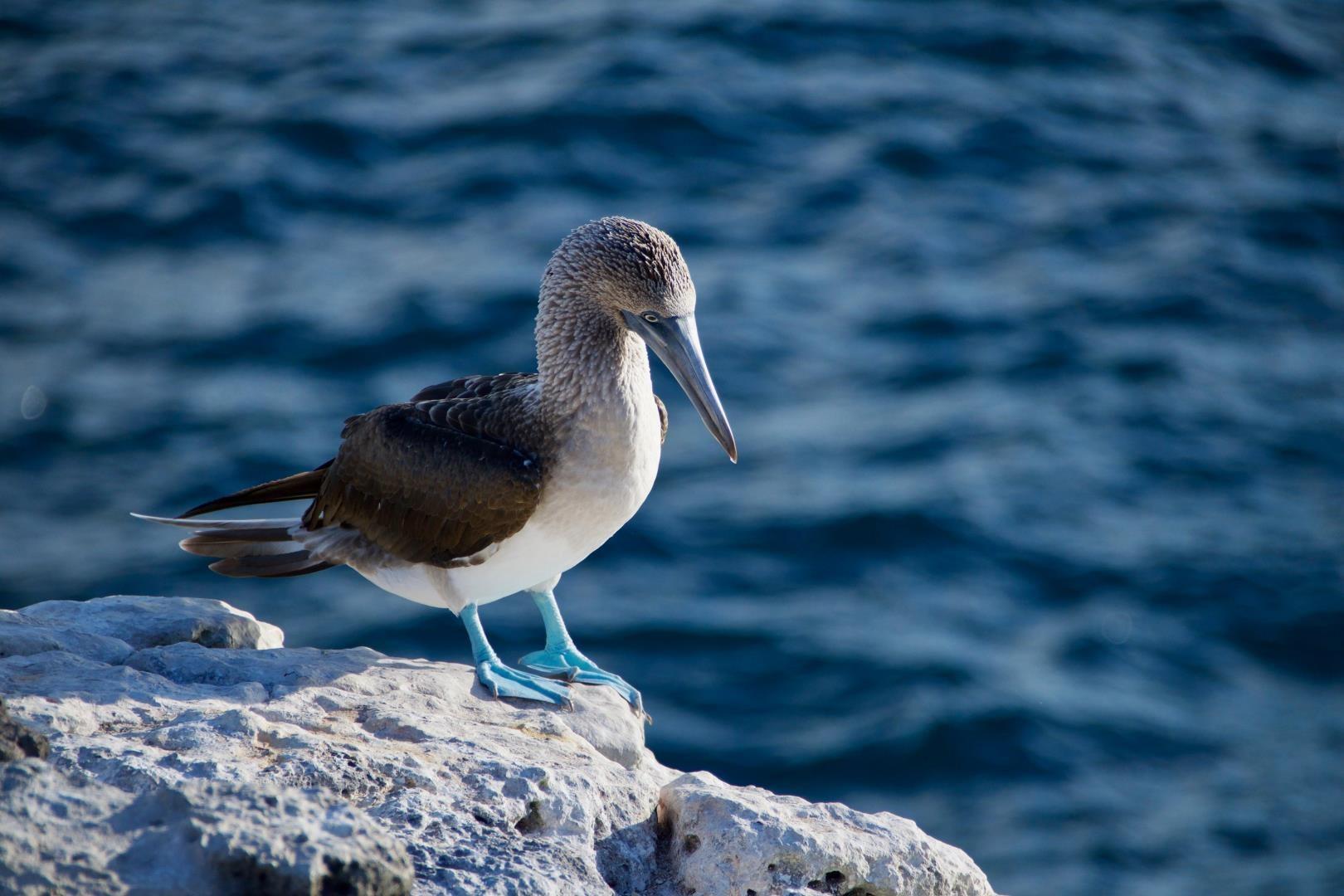
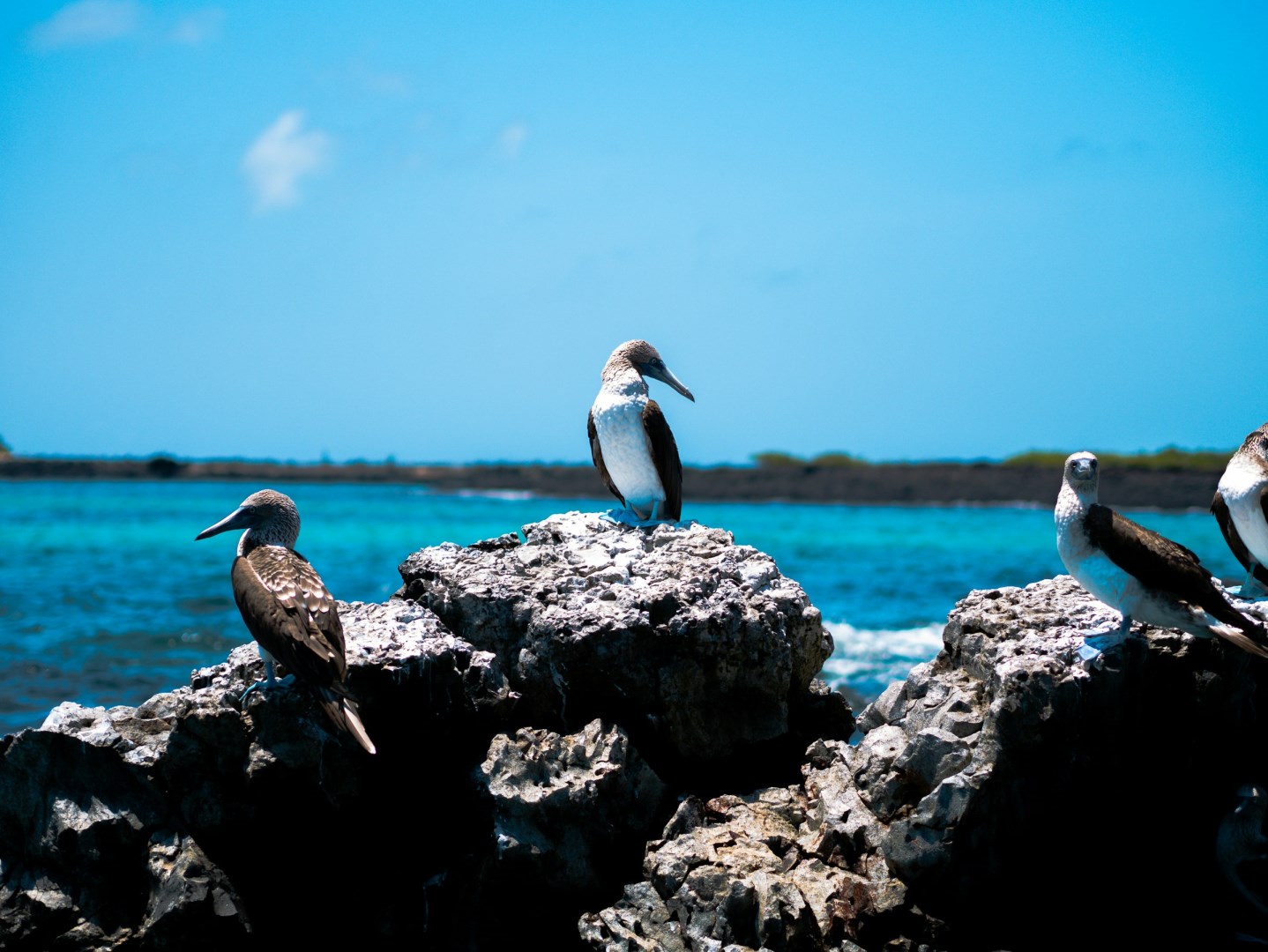
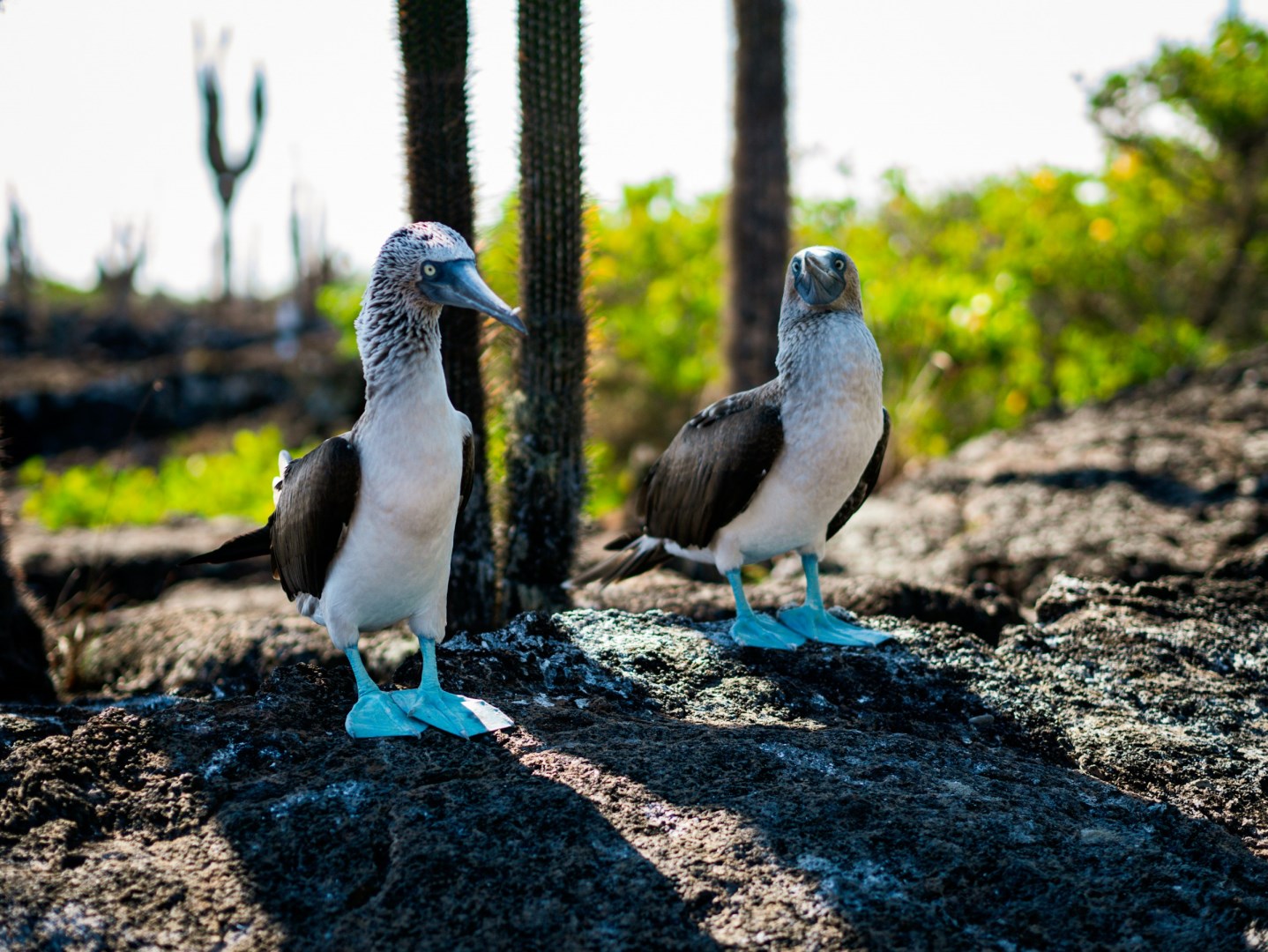
Blue Footed Boobies
Photo Credit: Photo by Bjarn Bronsveld on Unsplash
Blue Footed Boobies
Photo Credit: Photo by Bjarn Bronsveld on Unsplash
Photo Credit: Photo by Rein Ketelaars on Unsplash
Photo Credit: Photo by Sofia on Unsplash
Photo Credit: Photo by Dallas Krentzel Wikimedia
Photo Credit: Photo by Dallas Krentzel from Wikimedia
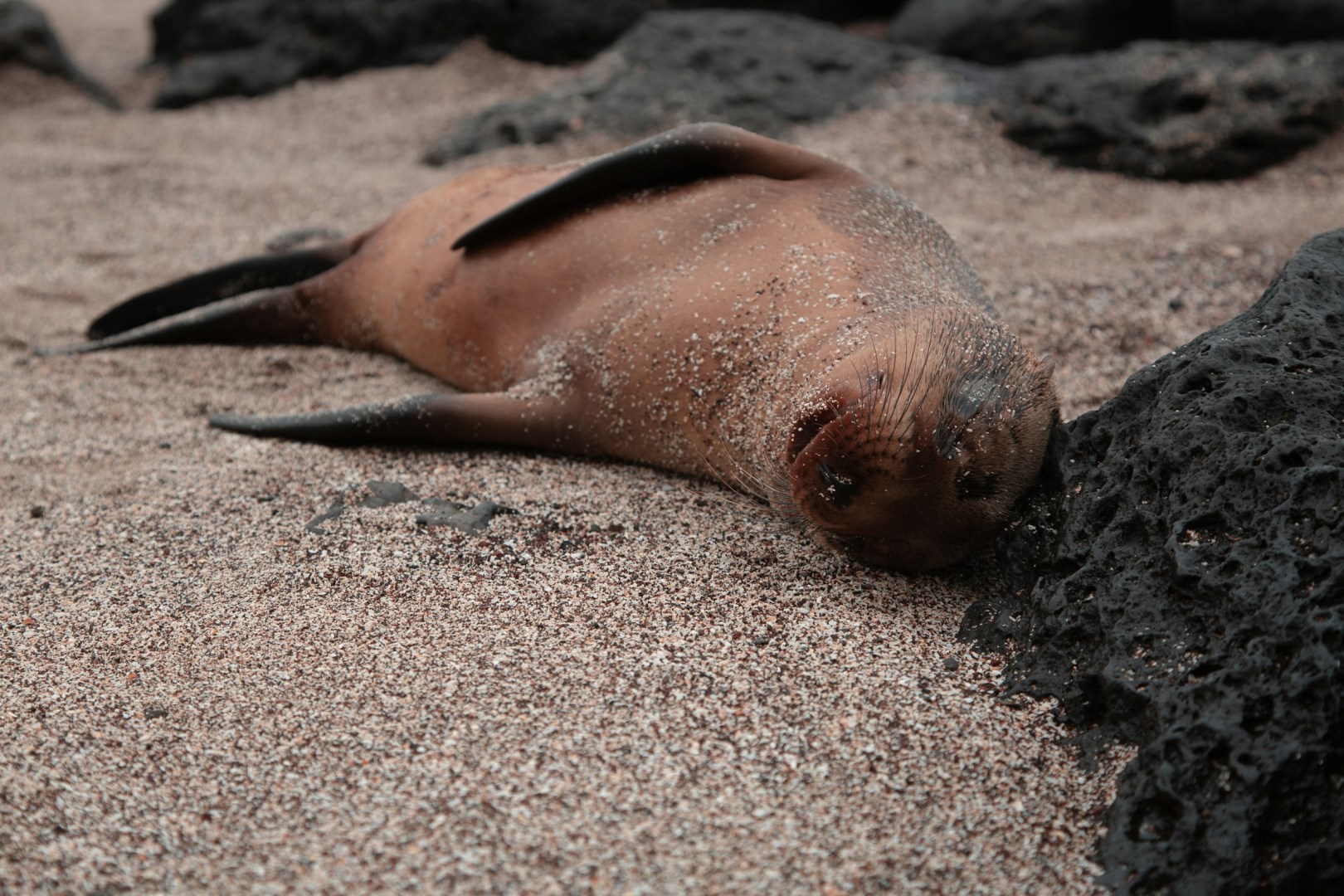
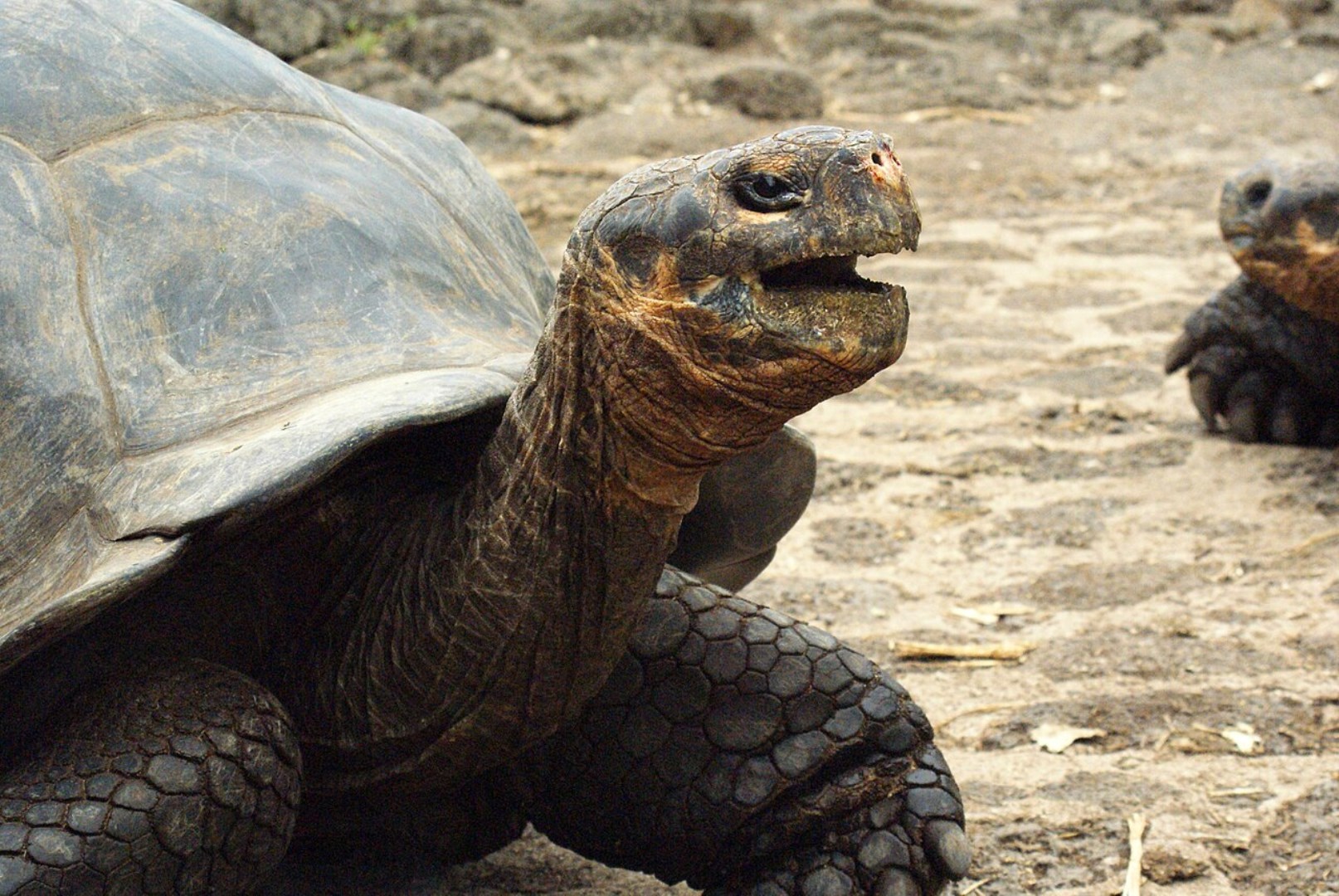
Isabela Island is the largest of the Galapagos islands, on the western end of the archipelago. Shaped like a seahorse when viewed from above, Isabela is home to more wild tortoises than any other island, as well as a wide variety of other animal, bird and marine life.
On Isabela's west coast lies Tagus Cove, a natural protected harbor where centuries ago whalers safely spent the night and left their ships' signatures painted on the rocks. Near Elizabeth Bay, Moreno Point is a birdwatcher's delight. Further inland, visitors will find six volcanoes, five of which are still active and two that sit directly on the Equator. At the base of Alcedo Volcano is Urbina Bay, a perfect spot for snorkeling and home to the biggest land iguanas in the Galapagos.
To the north, located at the "mouth" of the island, is Punta Vicente Roca. Although it's a marine-only site (meaning it can only be accessed via dinghy or SCUBA diving), the formation nonetheless draws plenty of visitors eager to see its spectacular sea life - penguins, seahorses, sea turtles, sunfish, and more.
Other Popular Destinations in Ecuador
Quito
Situated on the equator and nestled beneath an imposing volcano, the rugged, sprawling, and vibrant city of Quito offers adventure galore. A South American gem and Ecuador’s capital, Quito combines the best of its Incan and Spanish influences in fascinating cultural attractions, and the city’s surrounding natural beauty will surely astound you.
Santa Cruz Island
Santa Cruz Island is the beating heart of the Galápagos and is home to the largest town in the archipelago, Puerto Ayora, and a key access point for travelers exploring this unique region. But beyond its small port and shops, the island reveals a surprising range of ecosystems, from black lava shores to lush highlands where giant tortoises roam freely.