Cairns is the majestic entrance to Australia's Great Barrier Reef. This warm, tropical destination is located in Far North Queensland. Must-see attractions in Cairns include the Tjapukai Aboriginal Cultural Park, which educates tourists about indigenous peoples, and restaurant and bar-dotted Cairns Esplanade, which has a lagoon for swimming.
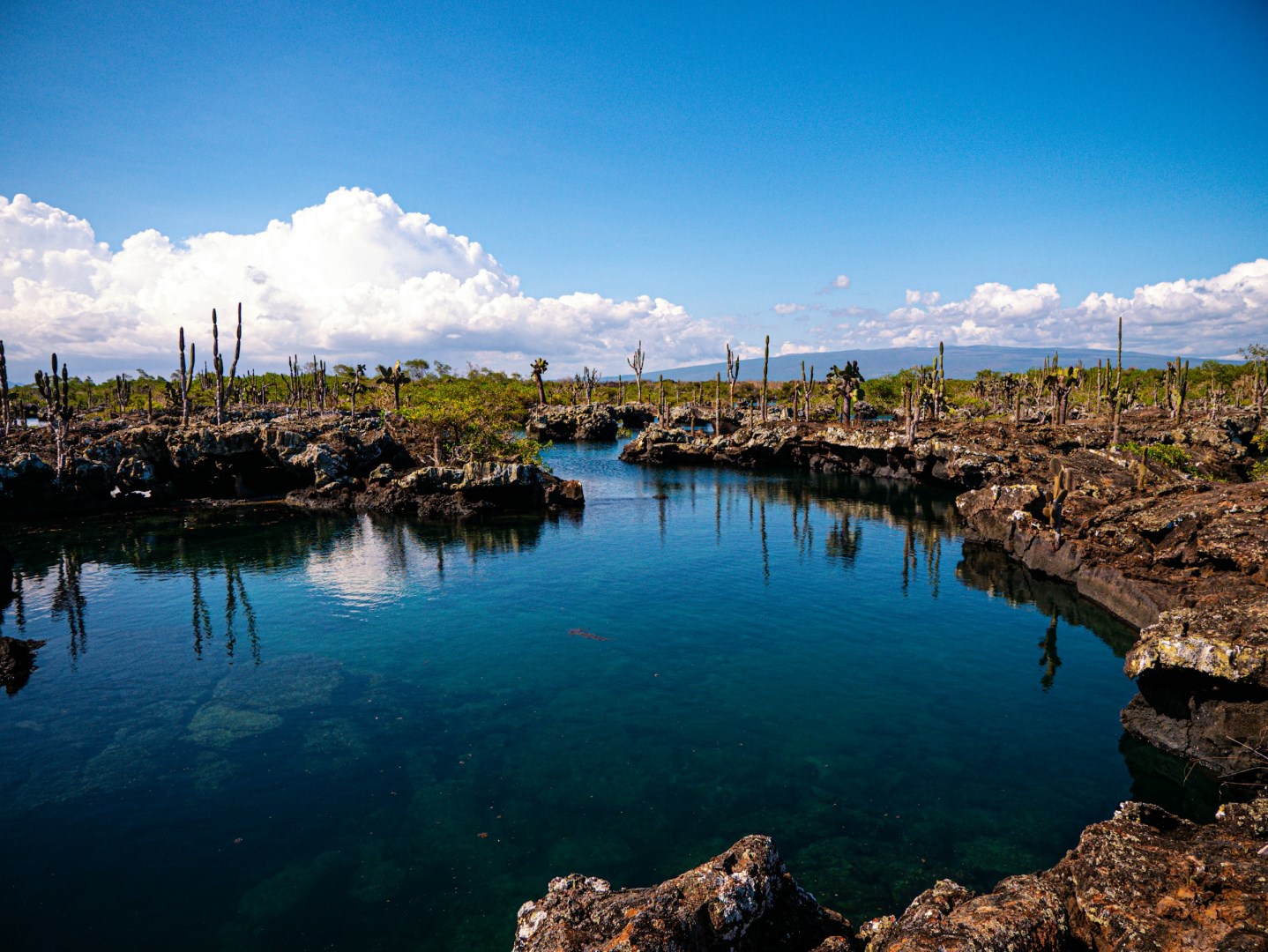
Eden Islet is a small volcanic tuff cone rising from the clear waters off the northwest coast of Santa Cruz Island. Though visitors cannot set foot on the rocks, the islet’s dramatic shapes and steep cliffs offer striking views as boats circle its perimeter. Guides often point out coastal mangroves and lava formations that hint at the volcanic forces that shaped this part of the archipelago.
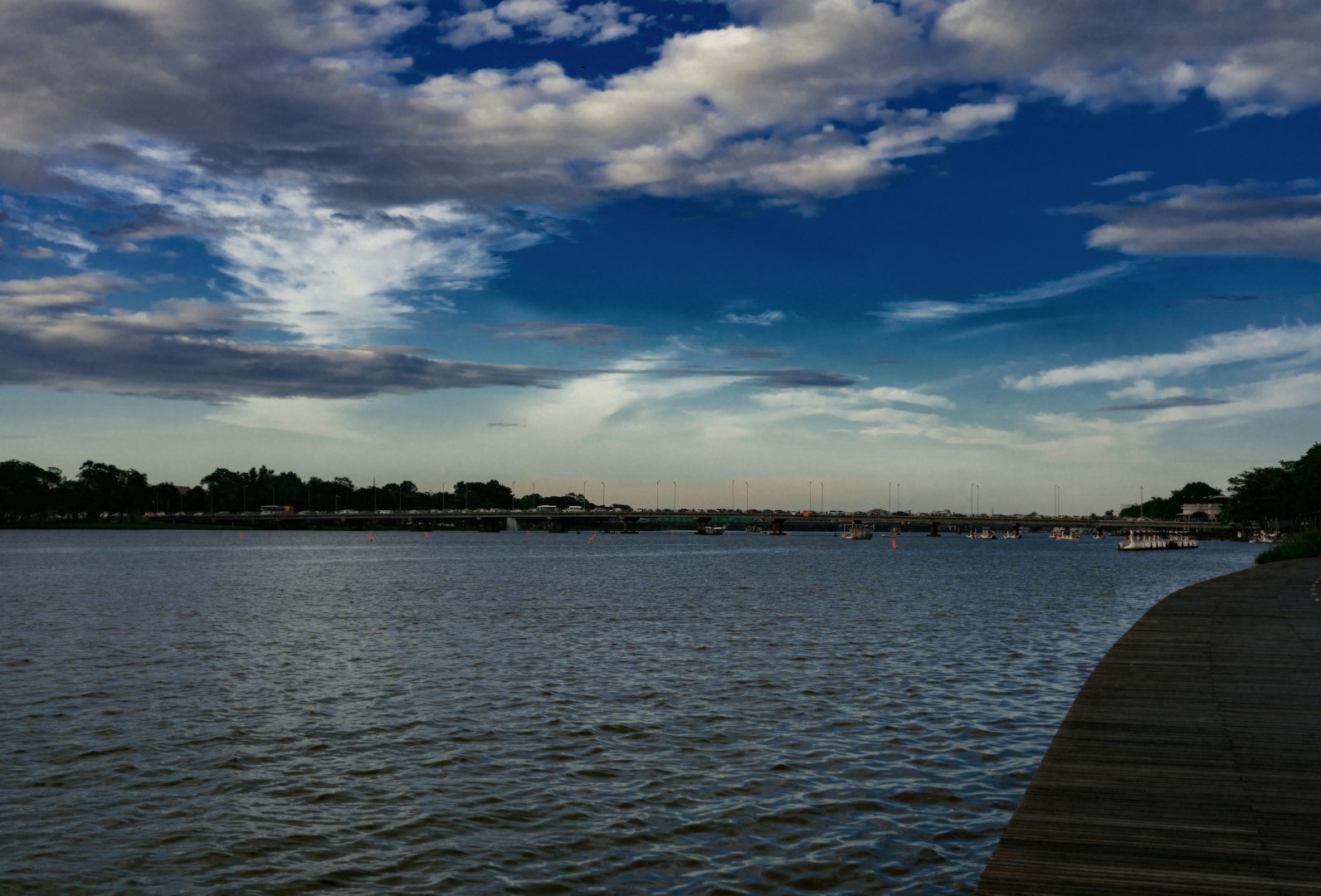
The Perfume River flows through Hue in central Vietnam, linking the city's historic districts with the surrounding countryside before reaching the Tam Giang–Cau Hai lagoon system. The river is a defining feature of Hue's landscape, passing beneath bridges, alongside gardens, and past important imperial and religious landmarks.
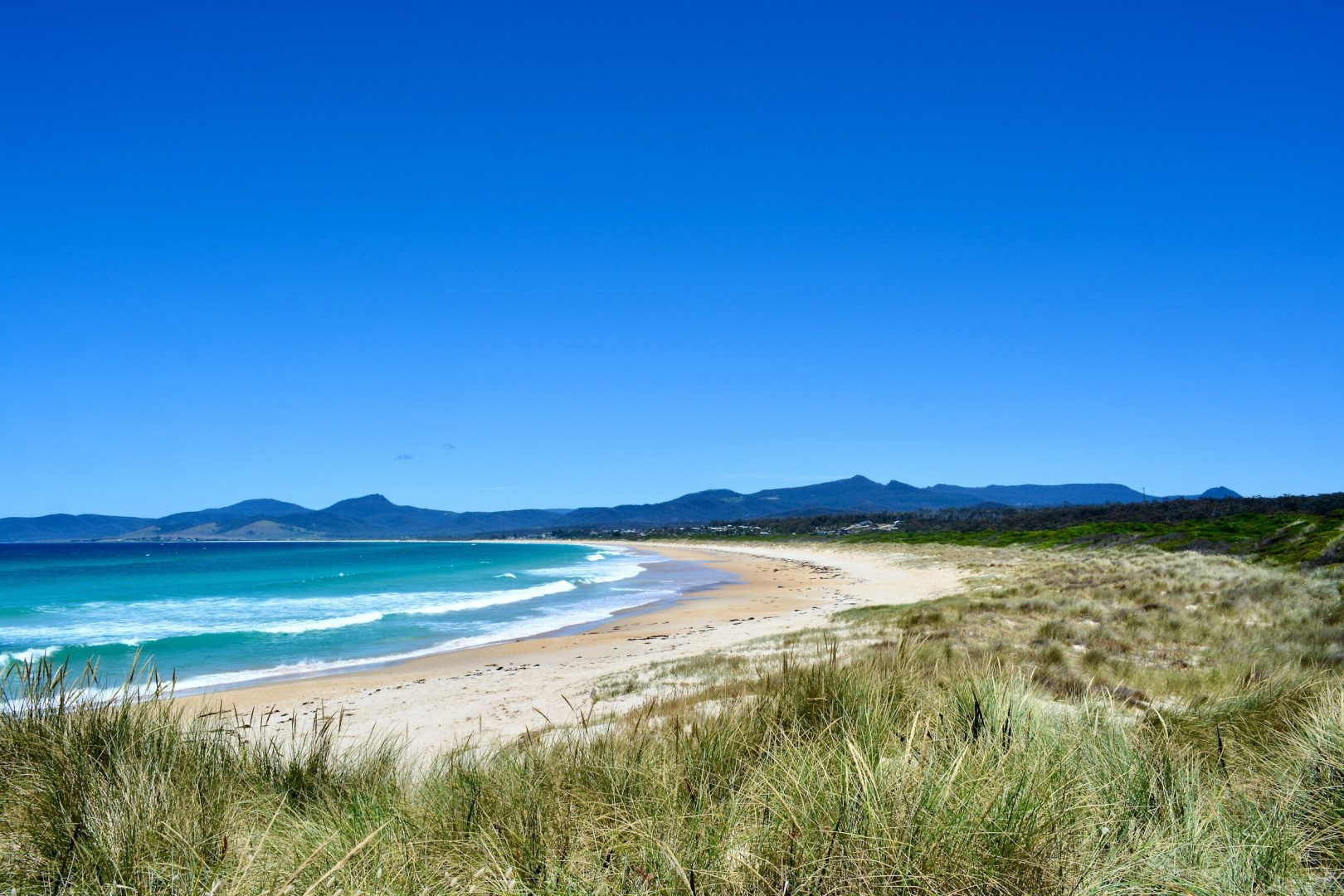
Bay of Fires is a coastal region on Tasmania’s north-east coast, extending from Binalong Bay in the south to larapuna/Eddystone Point in the north. It is recognized for white sandy beaches, clear blue water, and granite rocks marked by orange lichen. The Bay of Fires Conservation Area includes beaches, rocky headlands, coastal heath, dry forest, and sheltered bays
Photo Credit: Photo by Bjarn Bronsveld on Unsplash
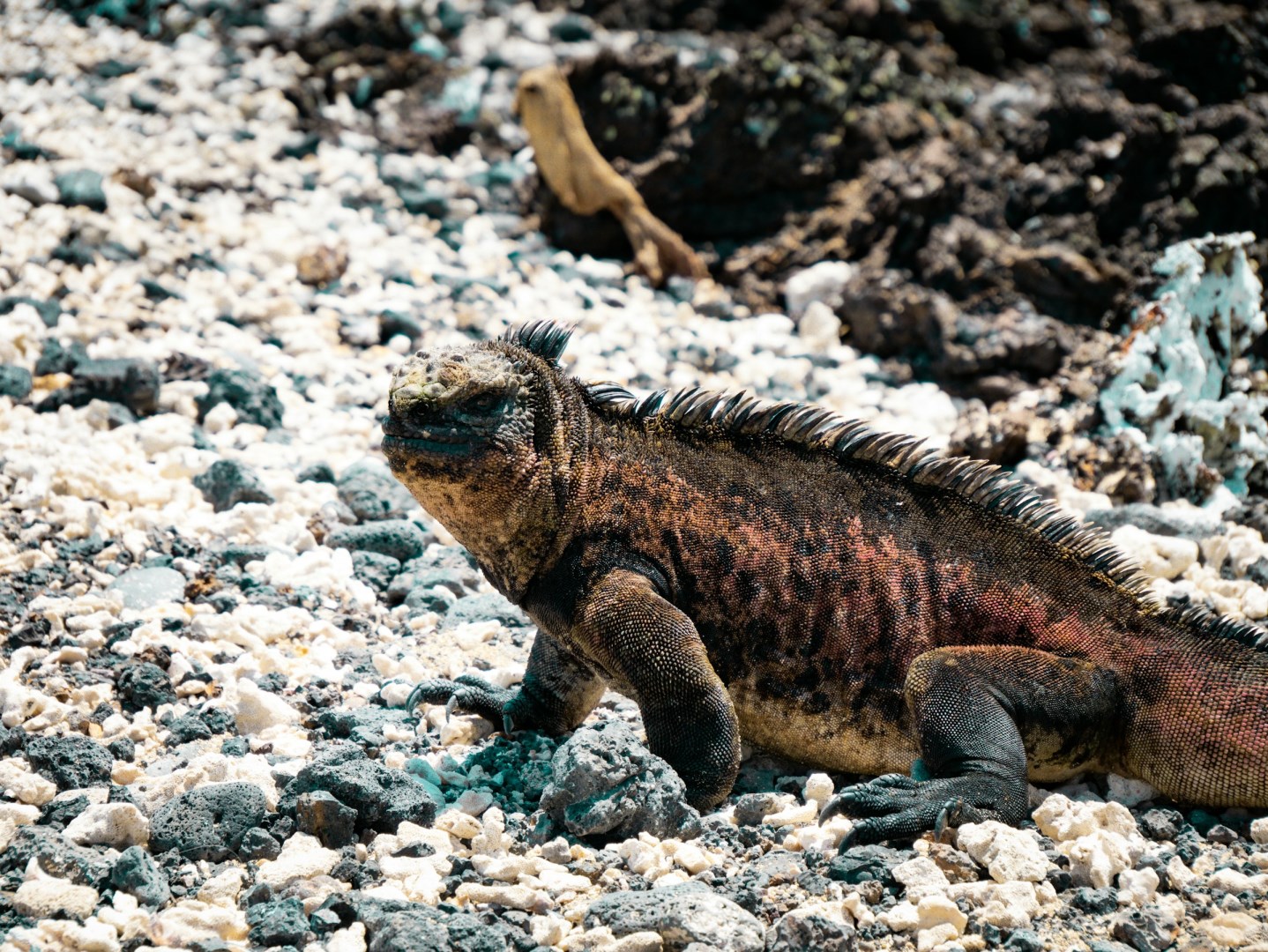
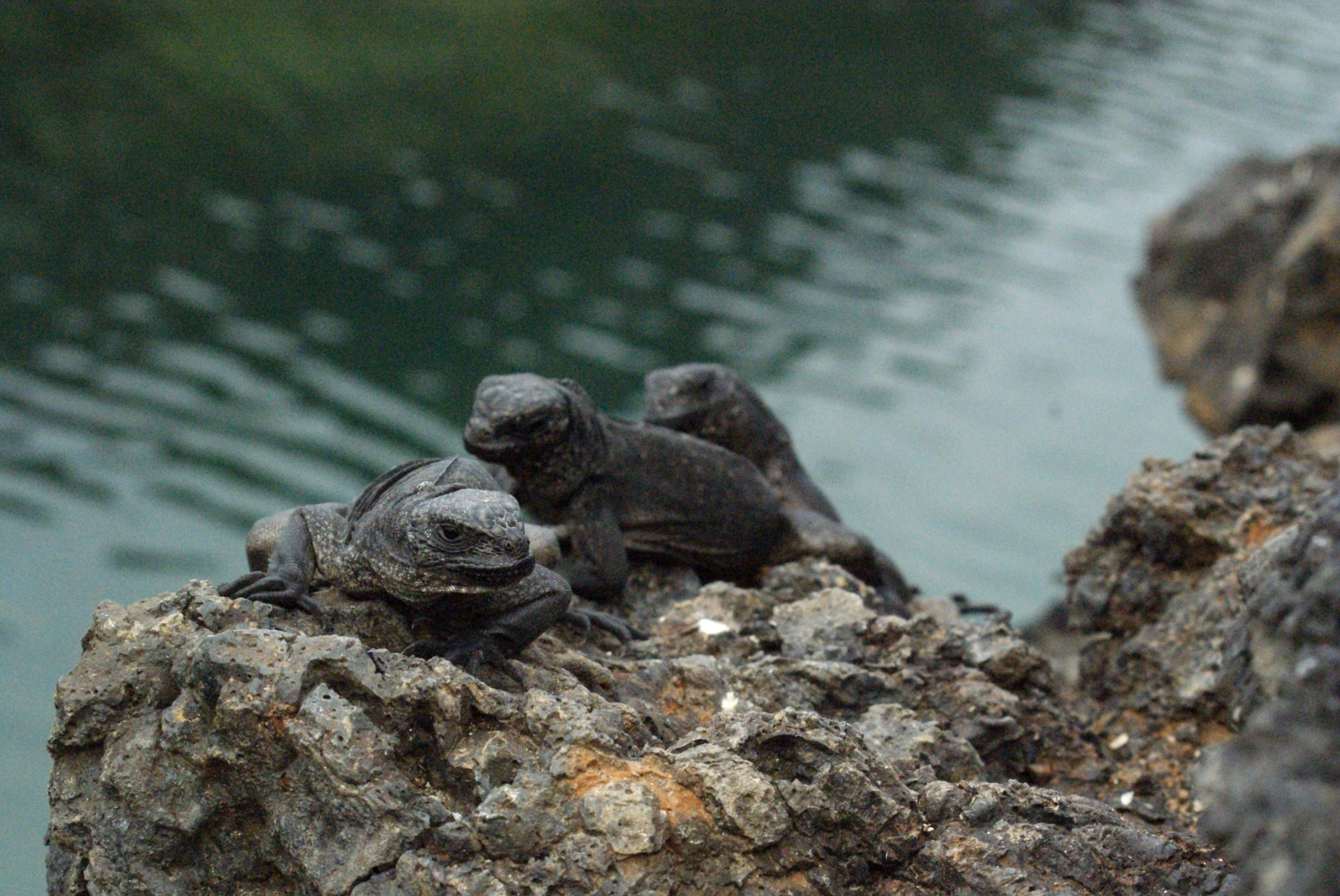
Marine iguana
Photo Credit: Photo by Bjarn Bronsveld on Unsplash
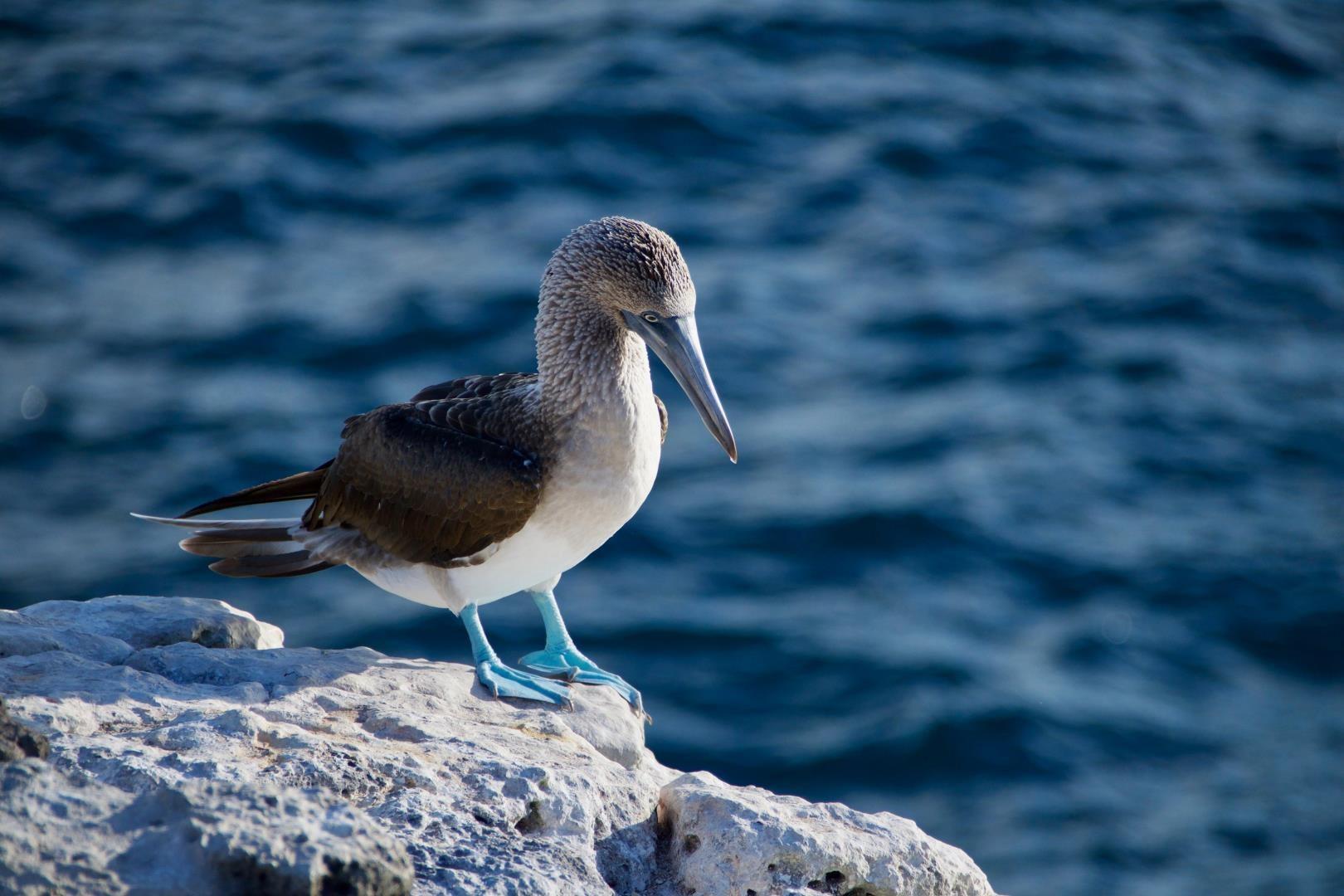
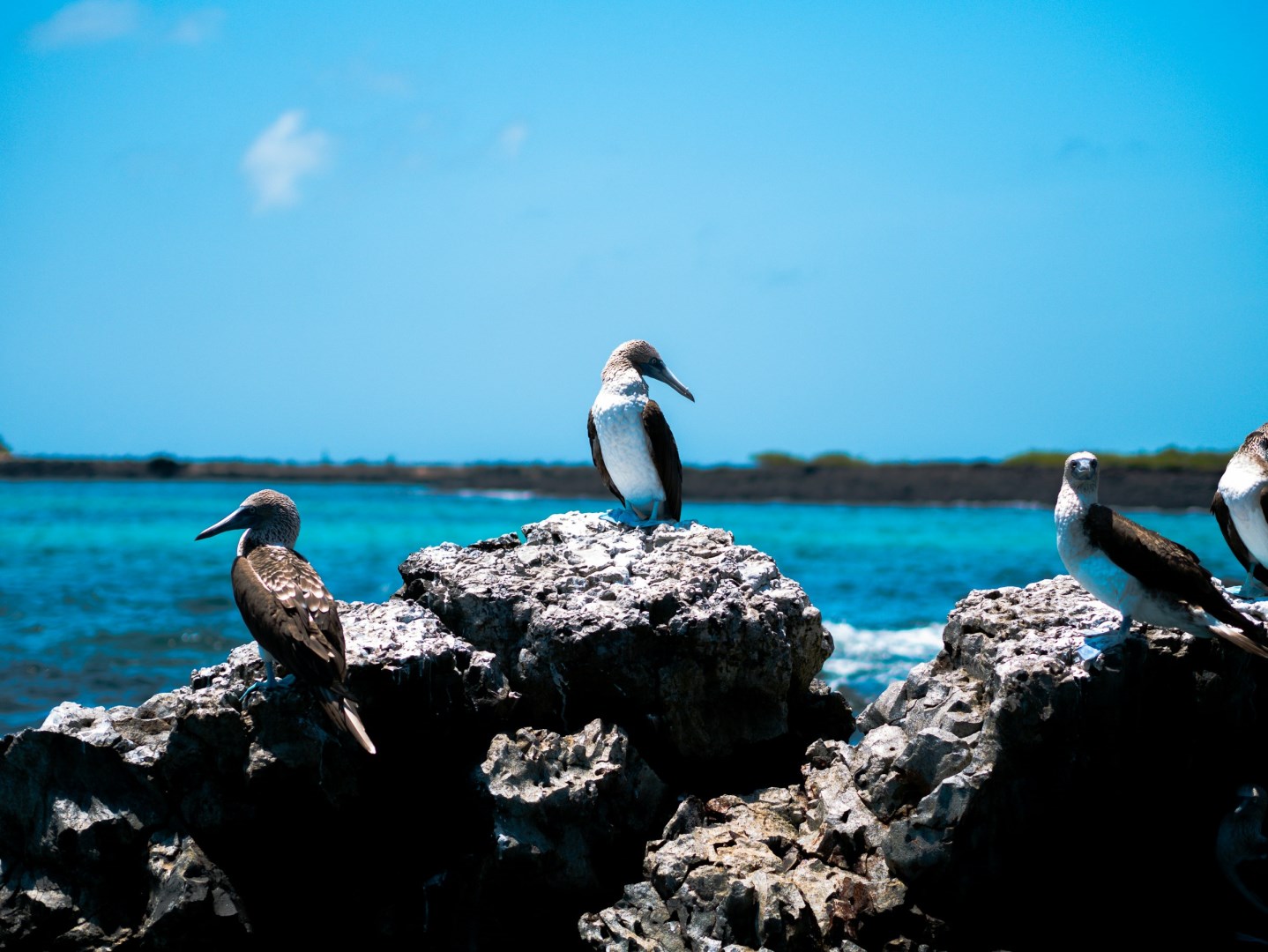
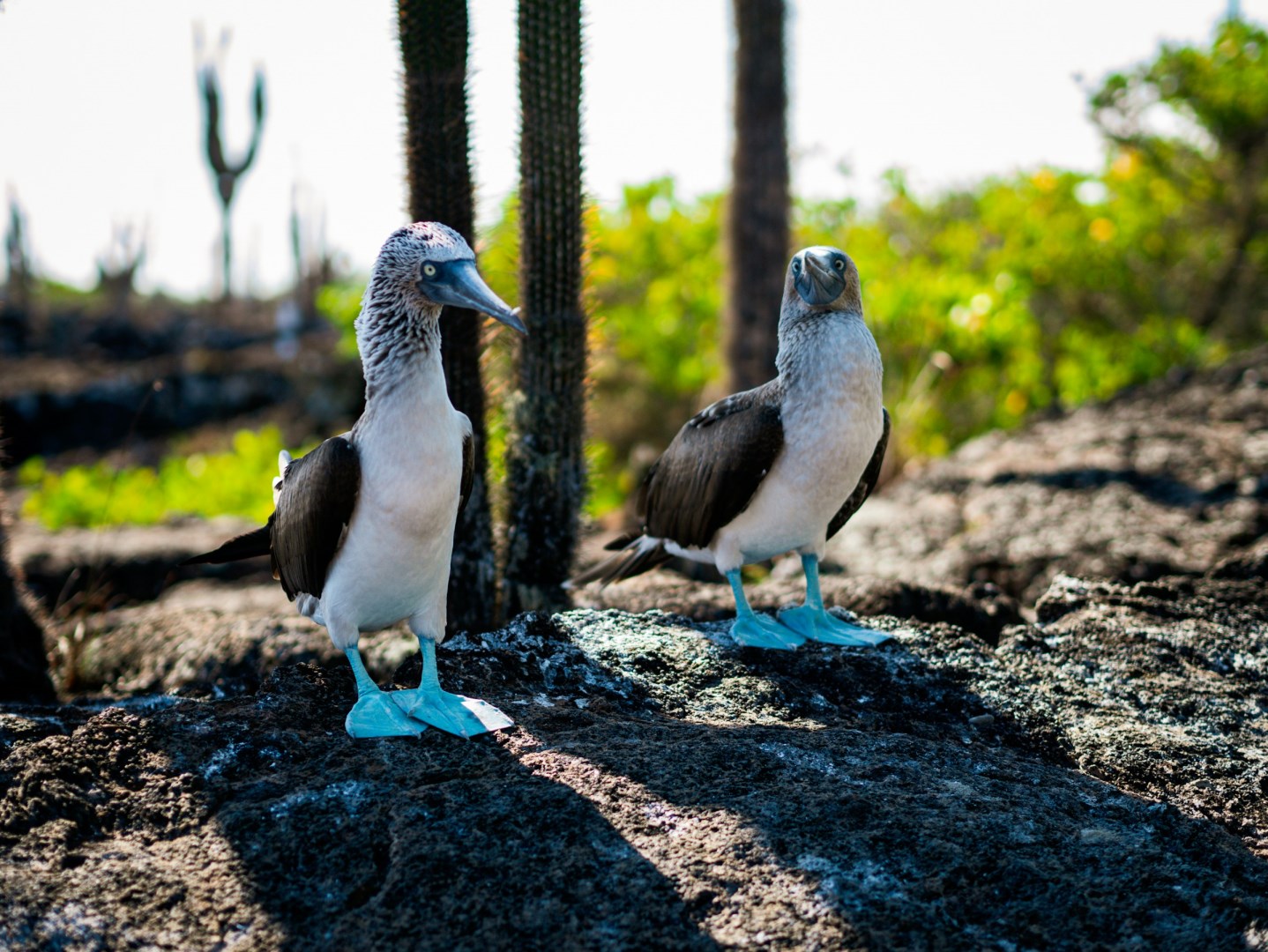
Blue Footed Boobies
Photo Credit: Photo by Bjarn Bronsveld on Unsplash
Blue Footed Boobies
Photo Credit: Photo by Bjarn Bronsveld on Unsplash
Photo Credit: Photo by Rein Ketelaars on Unsplash
Photo Credit: Photo by Sofia on Unsplash
Photo Credit: Photo by Dallas Krentzel Wikimedia
Photo Credit: Photo by Dallas Krentzel from Wikimedia
Isabela Island is the largest of the Galapagos islands, on the western end of the archipelago. Shaped like a seahorse when viewed from above, Isabela is home to more wild tortoises than any other island, as well as a wide variety of other animal, bird and marine life.
On Isabela's west coast lies Tagus Cove, a natural protected harbor where centuries ago whalers safely spent the night and left their ships' signatures painted on the rocks. Near Elizabeth Bay, Moreno Point is a birdwatcher's delight. Further inland, visitors will find six volcanoes, five of which are still active and two that sit directly on the Equator. At the base of Alcedo Volcano is Urbina Bay, a perfect spot for snorkeling and home to the biggest land iguanas in the Galapagos.
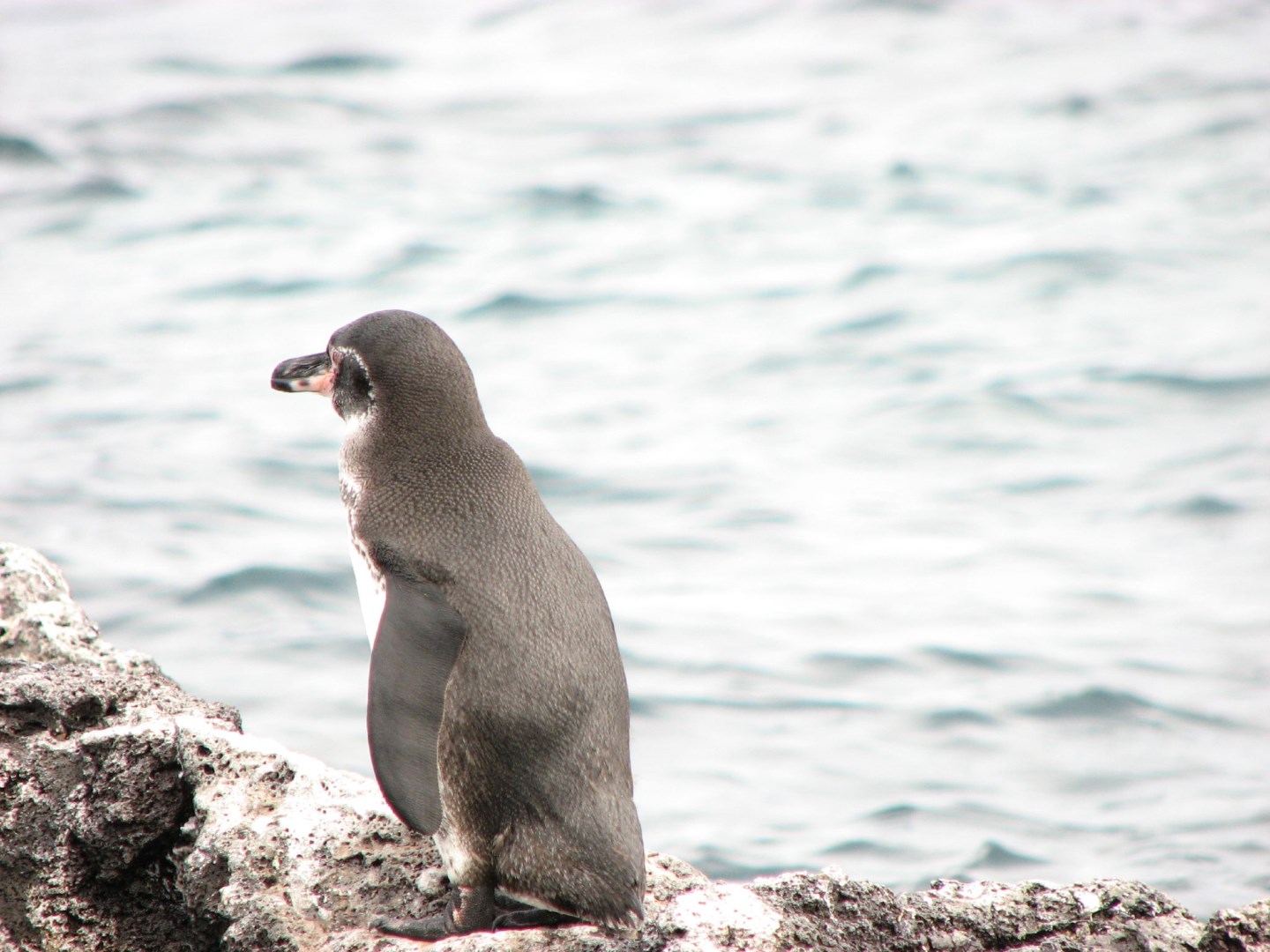
To the north, located at the "mouth" of the island, is Punta Vicente Roca. Although it's a marine-only site (meaning it can only be accessed via dinghy or SCUBA diving), the formation nonetheless draws plenty of visitors eager to see its spectacular sea life - penguins, seahorses, sea turtles, sunfish, and more.
Other Popular Destinations in Ecuador
Quito
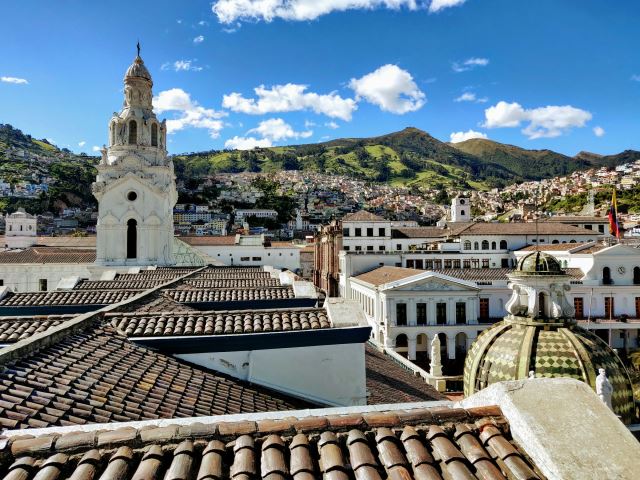
Situated on the equator and nestled beneath an imposing volcano, the rugged, sprawling, and vibrant city of Quito offers adventure galore. A South American gem and Ecuador’s capital, Quito combines the best of its Incan and Spanish influences in fascinating cultural attractions, and the city’s surrounding natural beauty will surely astound you.
Santa Cruz Island
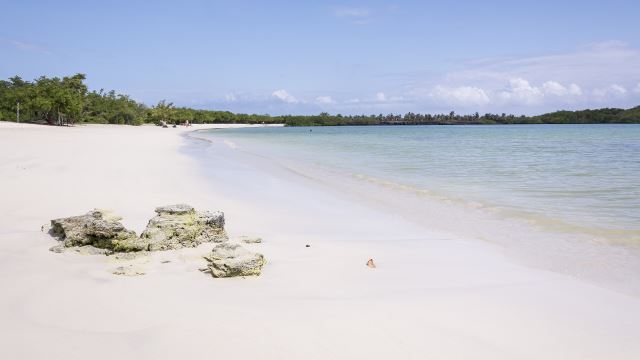
Santa Cruz Island is the beating heart of the Galápagos and is home to the largest town in the archipelago, Puerto Ayora, and a key access point for travelers exploring this unique region. But beyond its small port and shops, the island reveals a surprising range of ecosystems, from black lava shores to lush highlands where giant tortoises roam freely.