Buenos Aires
Buenos Aires, the vibrant political and cultural capital of Argentina, has become an enticing destination for many travelers and a must-see destination in South America. Founded in the sixteenth century by Spanish explorers, Buenos Aires has since developed its own unique flair.

Belize
Belize, tucked between Mexico, Guatemala, and the Caribbean Sea, is a country where ancient history and untamed nature meet. Once the heartland of the Maya civilization, Belize is dotted with impressive archaeological sites such as Caracol and Xunantunich, where towering pyramids rise above jungle canopies.
Evora
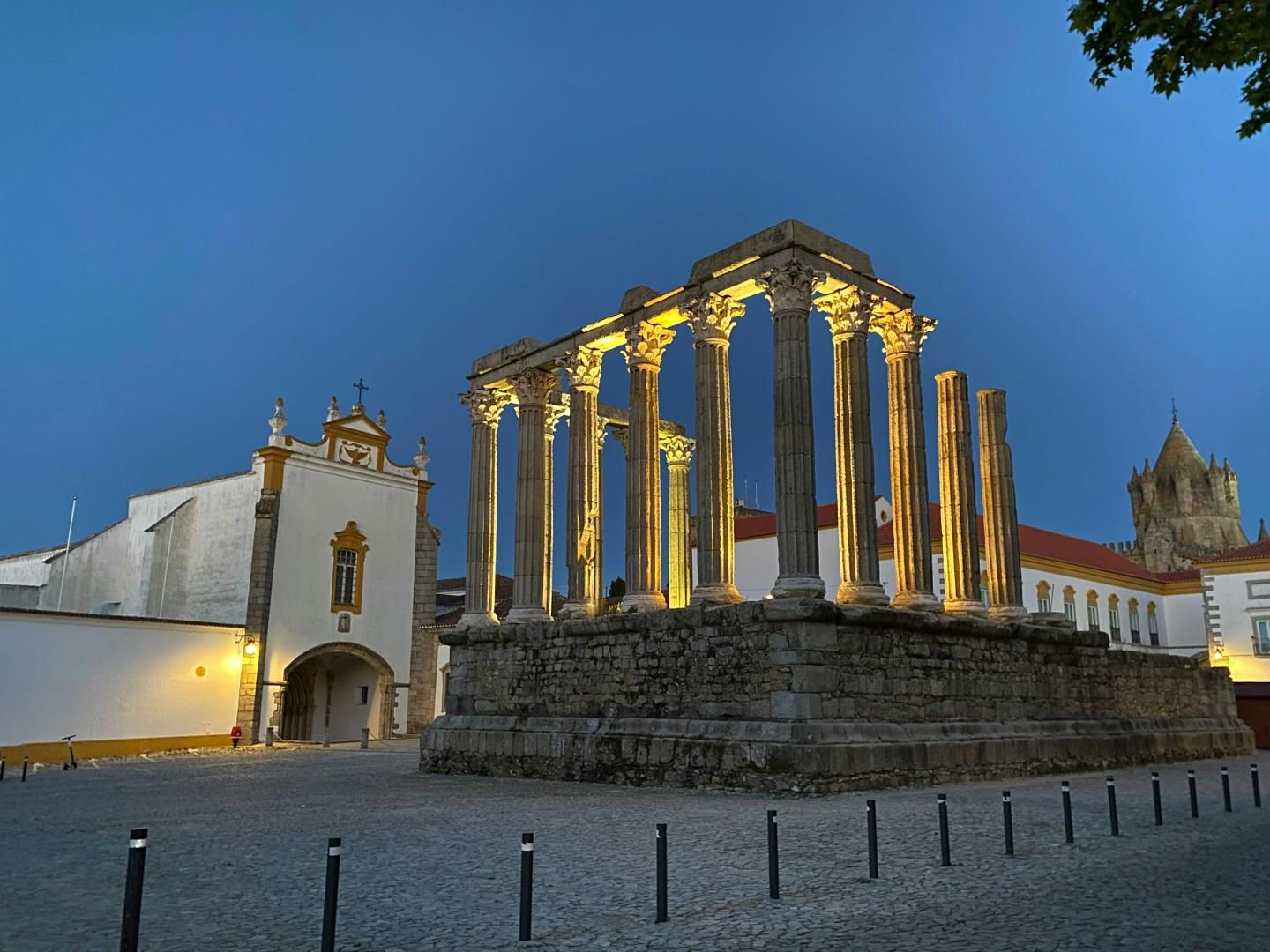
Évora, in Portugal’s Alentejo region, feels like stepping into a story that spans more than two thousand years. Its Historic Centre was named a UNESCO World Heritage Site for good reason with its ancient walls, homes with wrought-iron balconies, and narrow streets quietly preserve traces of Roman, Moorish, and medieval life. Beyond architecture and monuments, Évora reveals lesser-known treasures that reward exploration.
Little Rock
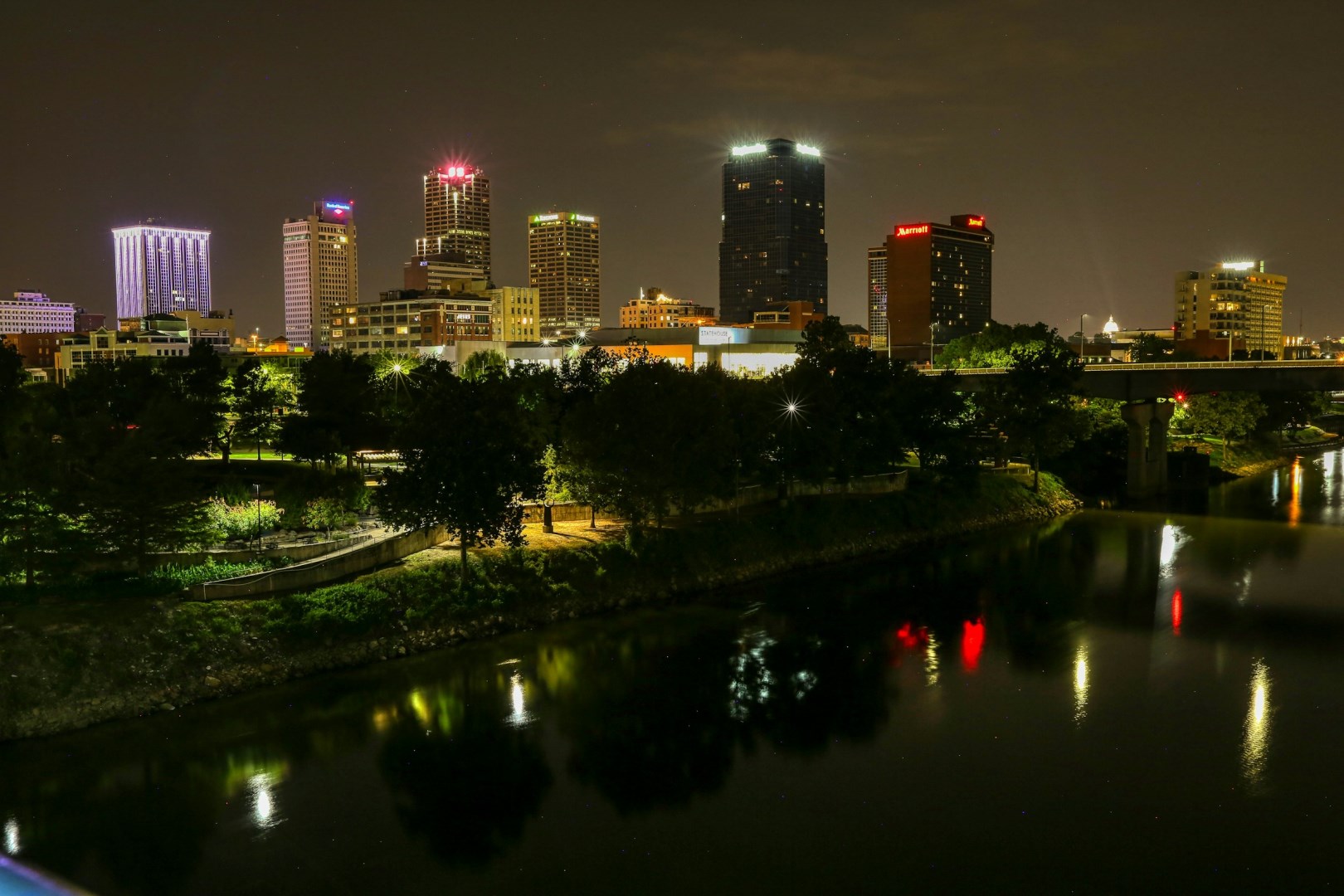
Little Rock, capital and largest city of Arkansas, a port of entry on the Arkansas River opposite North Little Rock, in the central part of the state. Among the attractions in Little Rock are the State Capitol (1911); the Governor's Mansion; Quapaw Quarter, a district of restored buildings that includes the Old State House; the Arkansas Territorial Restoration, a group of restored homes dating from the early 19th century; and MacArthur Park, containing the Arkansas Arts Center, and much more!
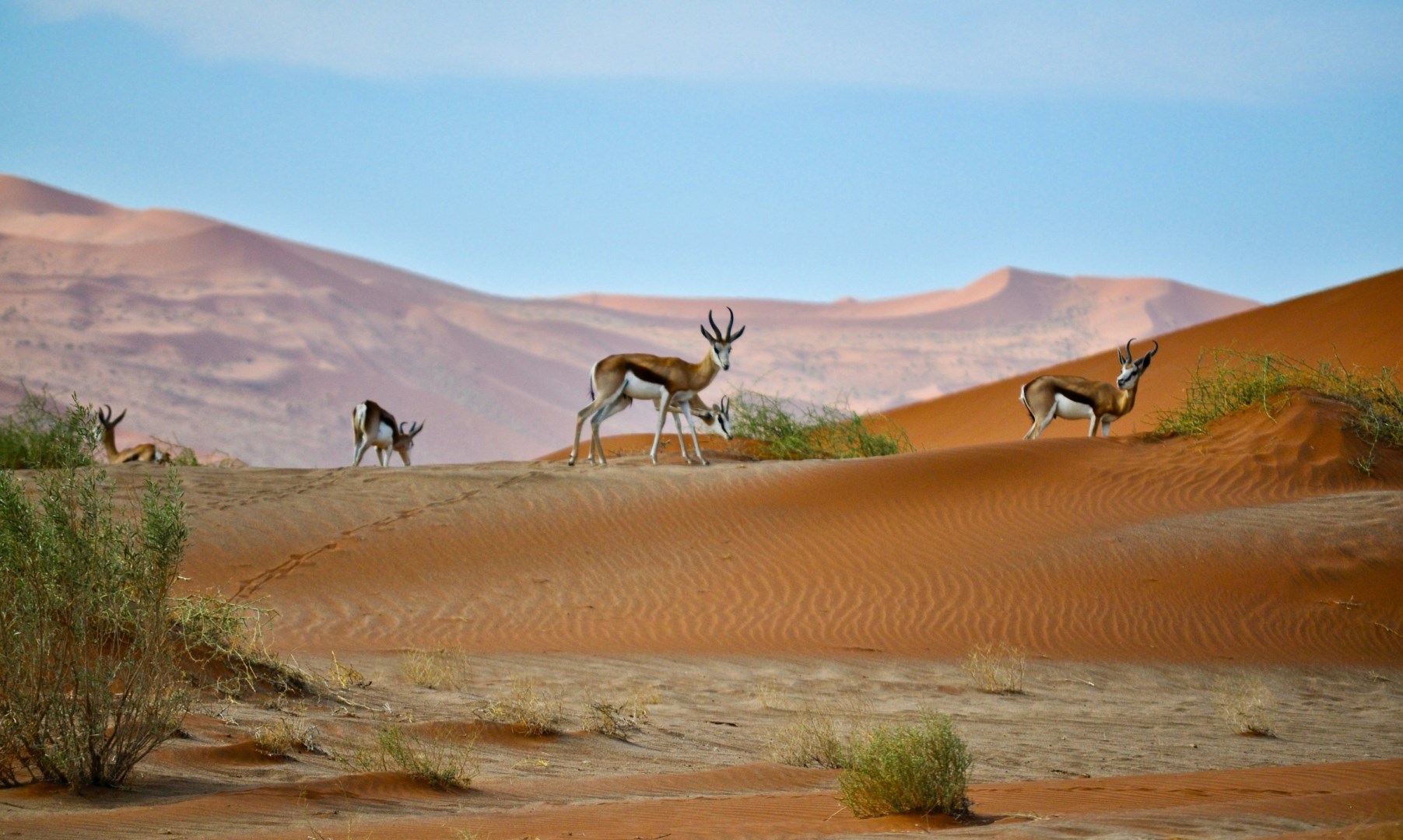
Sesriem
Sesriem, located in the heart of Namibia’s Namib Desert, serves as the gateway to the world-famous Sossusvlei and Deadvlei, two of Namibia’s most iconic landscapes. The dramatic red dunes of the Namib Desert, some of the highest in the world, are an awe-inspiring sight, particularly at sunrise when the light casts long shadows, creating an otherworldly contrast of colors.