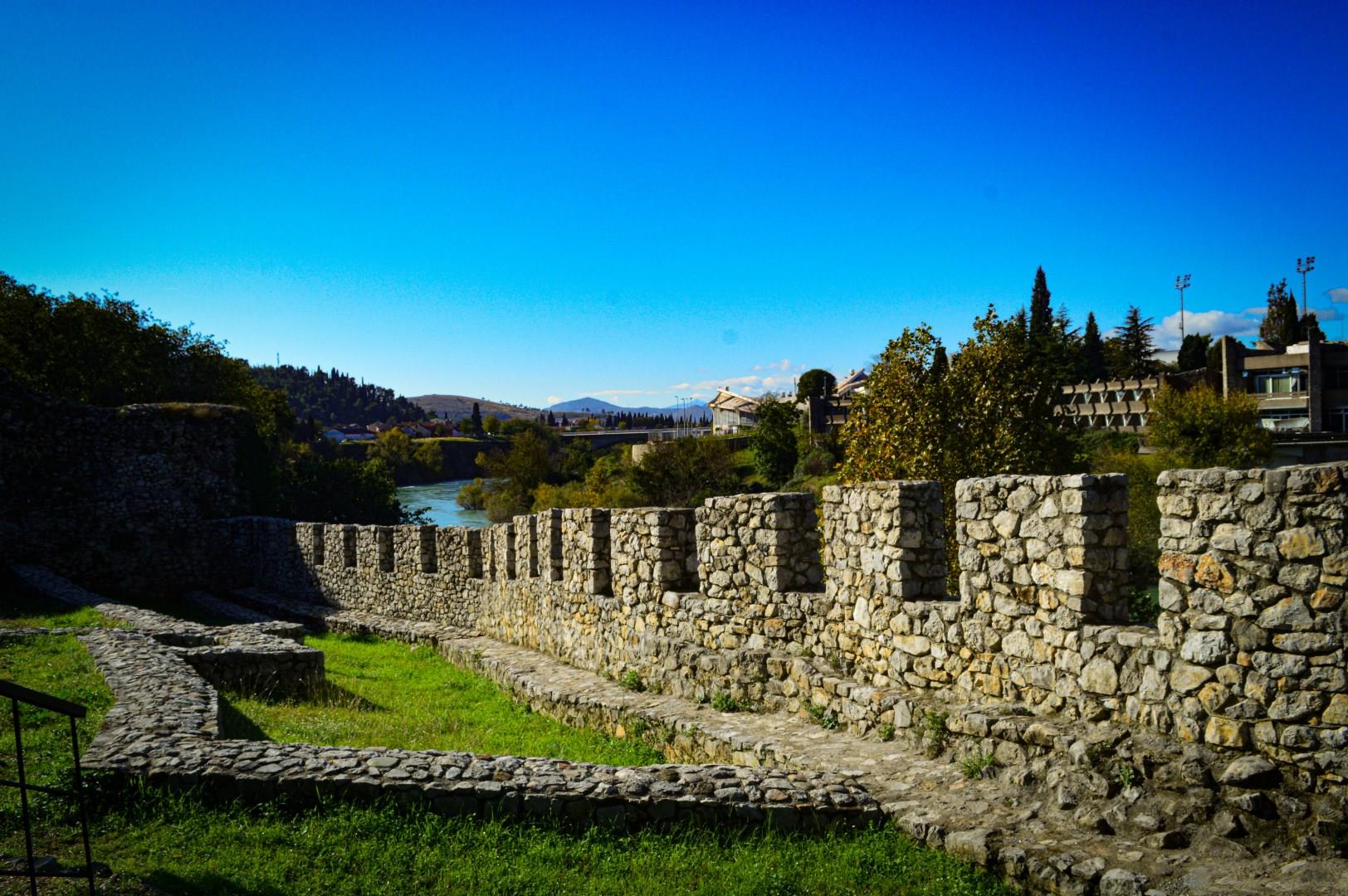
Podgorica
Podgorica, the capital of Montenegro, showcases the country’s contrasting landscapes and deep-rooted history. Although much of the city was rebuilt after World War II, traces of its Roman and Ottoman past still remain. Visitors can explore the ruins of Doclea, a Roman settlement just outside the city, where surviving columns and mosaics give a glimpse into life nearly two millennia ago.
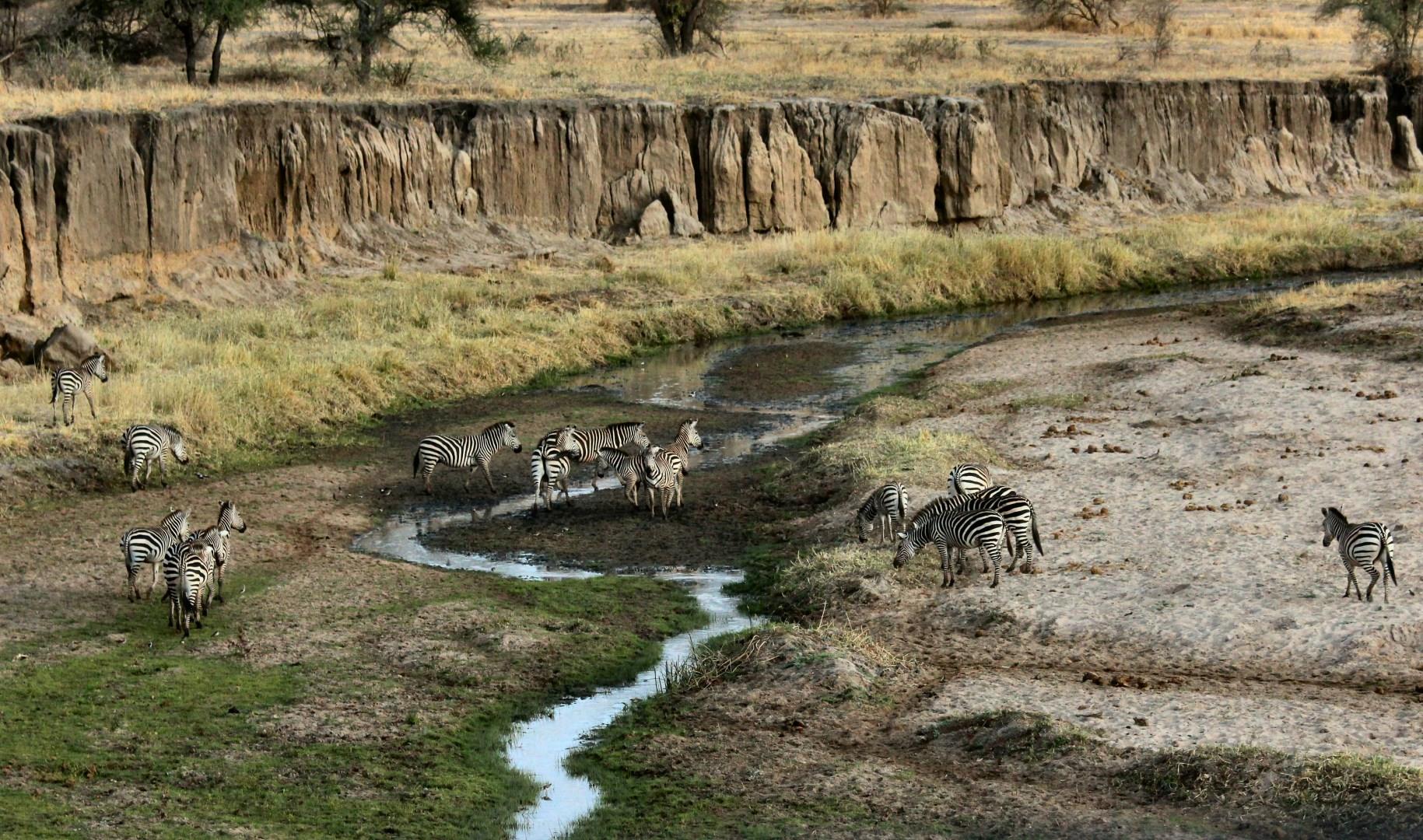
Tarangire National Park
Tarangire National Park, a stunning gem in northern Tanzania, offers an unparalleled safari experience amid its diverse landscapes and wildlife. Renowned for its dense population of elephants, the park's vast baobab-studded plains and swamps create a dramatic setting that brings you face-to-face with these magnificent creatures. The park is home to over 300 bird species, including the strikingly beautiful Lilac-breasted Roller and the majestic Secretary Bird.

Dominica
Dominica, known as the “Nature Island of the Caribbean,” is a haven for eco-tourists and adventure seekers. Nestled between the French islands of Guadeloupe and Martinique, this lush island boasts a remarkable landscape of volcanic mountains, dense rainforests, and stunning waterfalls. Dominica’s most iconic natural wonder is the Boiling Lake, the second-largest hot spring in the world.
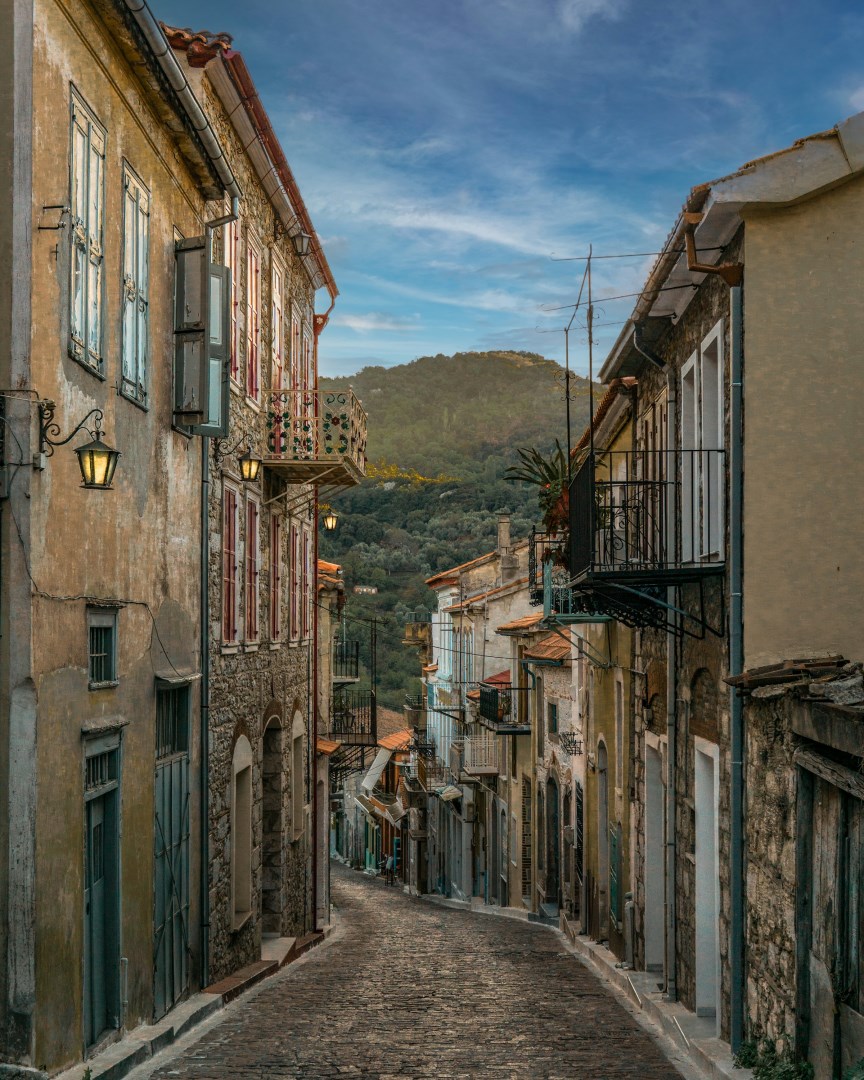
Mytilene
Mytilene, ancient Greek city, the capital of Lésvos (Lesbos), an island in the Aegean Sea. It was colonized in early times by the Aeolians and is known as the birthplace of the poet Sappho and the philosopher Theophrastus. The city became a great naval power and established colonies in Mysia and Thrace.
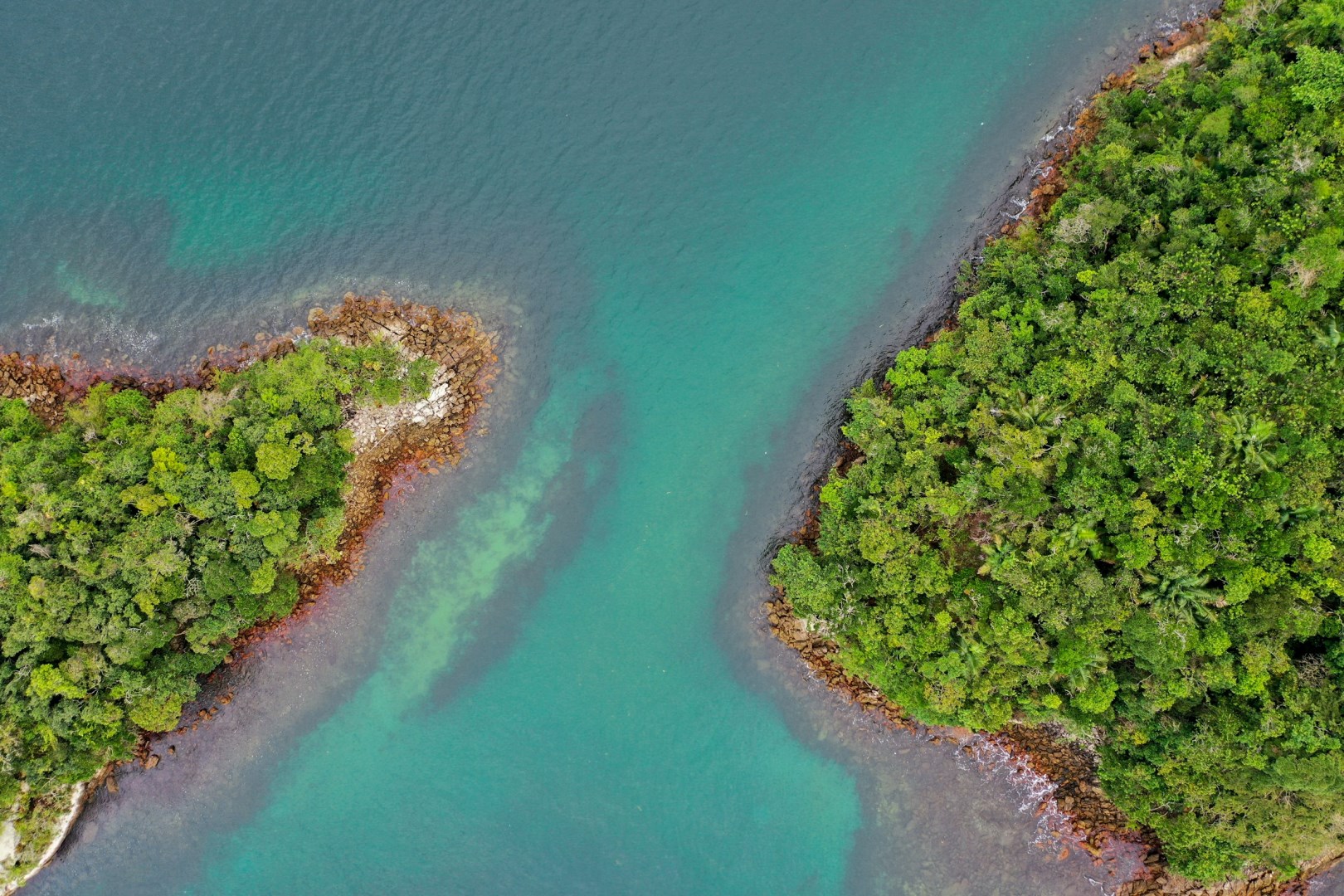
Angra dos Reis
Angra dos Reis is a great destination for nautical relaxation with thousands of beaches and 365 islands. This brilliant landscape is surrounded by the calm, crystal-clear waters. Angra is in the center of Costa Verde in the state of Rio de Janeiro, one of the most beautiful regions of the country.