Tikal National Park
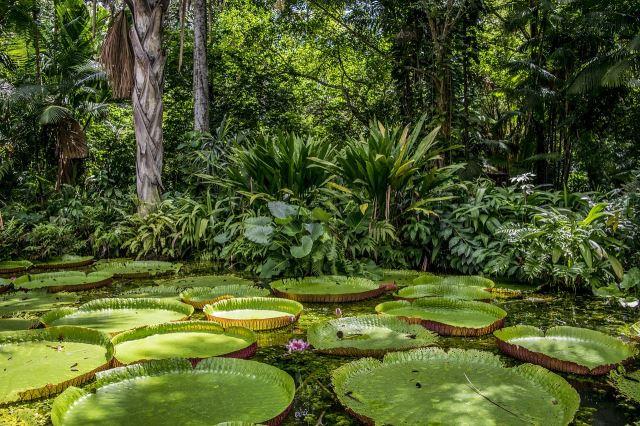
Tikal is one of the most extraordinary ancient cities in Guatemala, hidden deep in the Petén region’s tropical forests. Once called Yax Mutal by its Maya builders, these ruins reveal thousands of years of history in carved stone stelae and towering limestone structures, some of which rise more than 60 meters above the jungle floor. Today, visitors can walk among the Great Plaza and gaze up at the Temple of the Great Jaguar and the Temple of the Masks, reminders of the city’s long legacy.

Cienfuegos
Cienfuegos, located on Cuba’s south coast along a sheltered bay, stands apart from many other Cuban cities due to its distinct European origins. Founded in 1819 by French settlers, the city developed with a carefully planned layout, wide avenues, and neoclassical architecture that earned it the nickname “La Perla del Sur.”
Inveraray
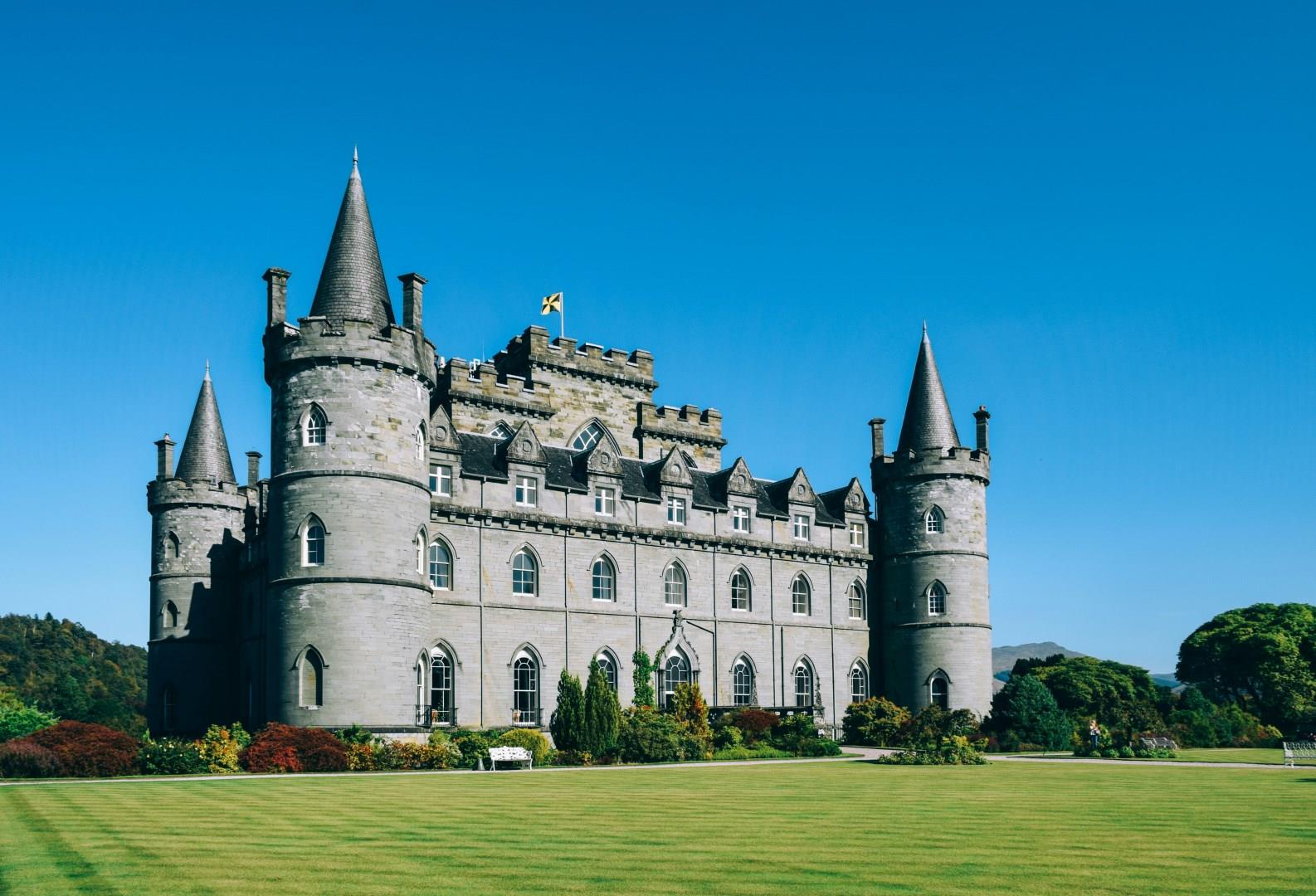
Inveraray, a small town on the western shore of Loch Fyne in Argyll and Bute, Scotland, offers visitors a glimpse into 18th-century planning and Highland heritage. Built largely in the mid-1700s under the direction of the 3rd Duke of Argyll, the town features Georgian architecture, wide streets, and an unusual level of symmetry for a rural Scottish settlement. The main street, lined with whitewashed buildings, leads down to the loch’s edge, where fishing boats and leisure vessels come and go.
Carcass Island
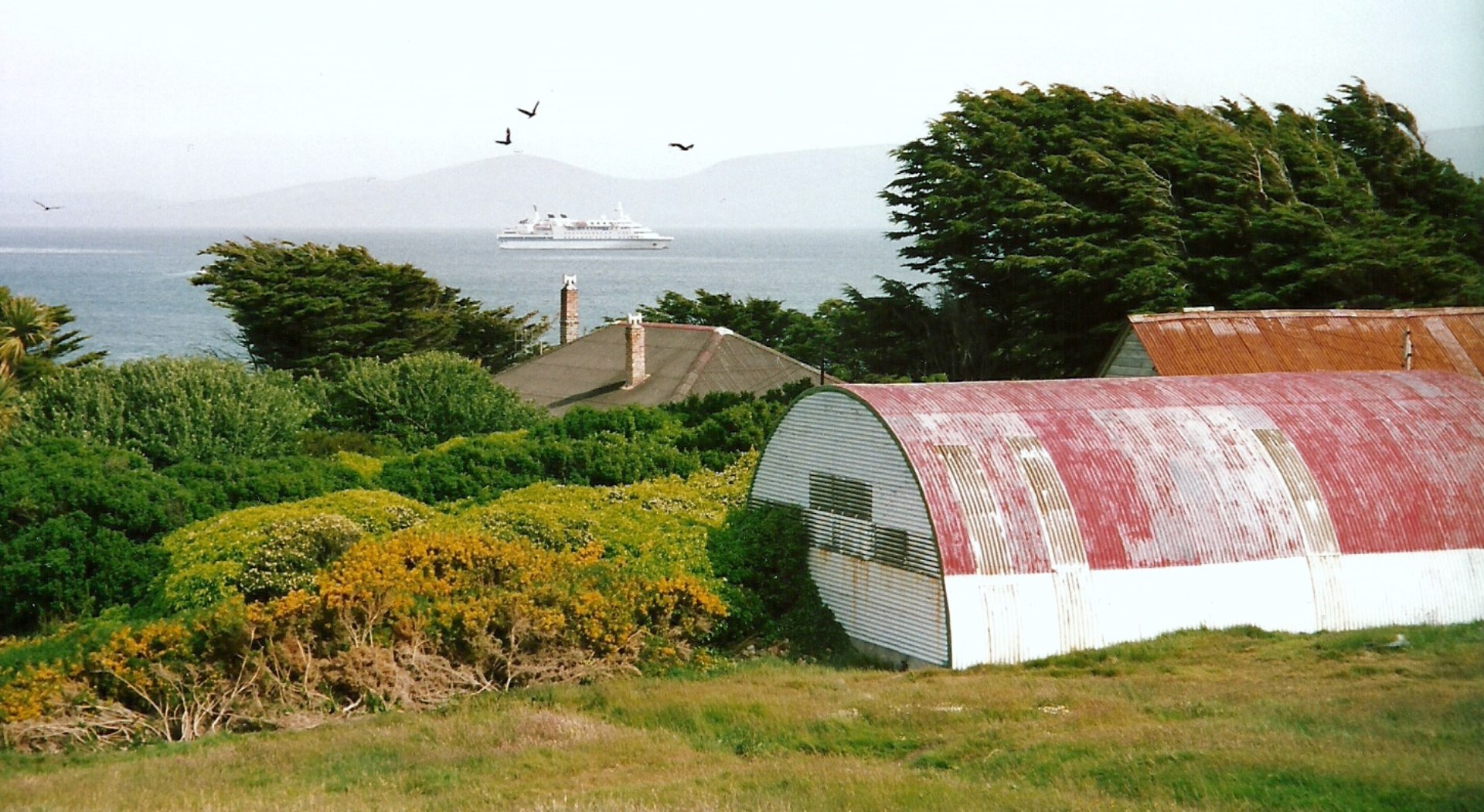
Adjoining the idyllic farm of the McGill family are miles of beaches, tussock grass, and wildflower meadows, the nesting grounds of hundreds of Magellanic and gentoo penguins, upland and kelp geese, crested and flightless steamer ducks, tussock birds, and night herons. After viewing the birds, take a spot of tea in Mrs. McGill's kitchen.

Ireland
Ireland, often referred to as the Emerald Isle, enchants visitors with its lush green landscapes, scenic coastlines, and a history that stretches back thousands of years. From the vibrant streets of Dublin to the quiet charm of its small villages, Ireland offers something for every traveler. Its warm hospitality, known as "the craic," ensures visitors feel welcome as they explore this unique island nation.