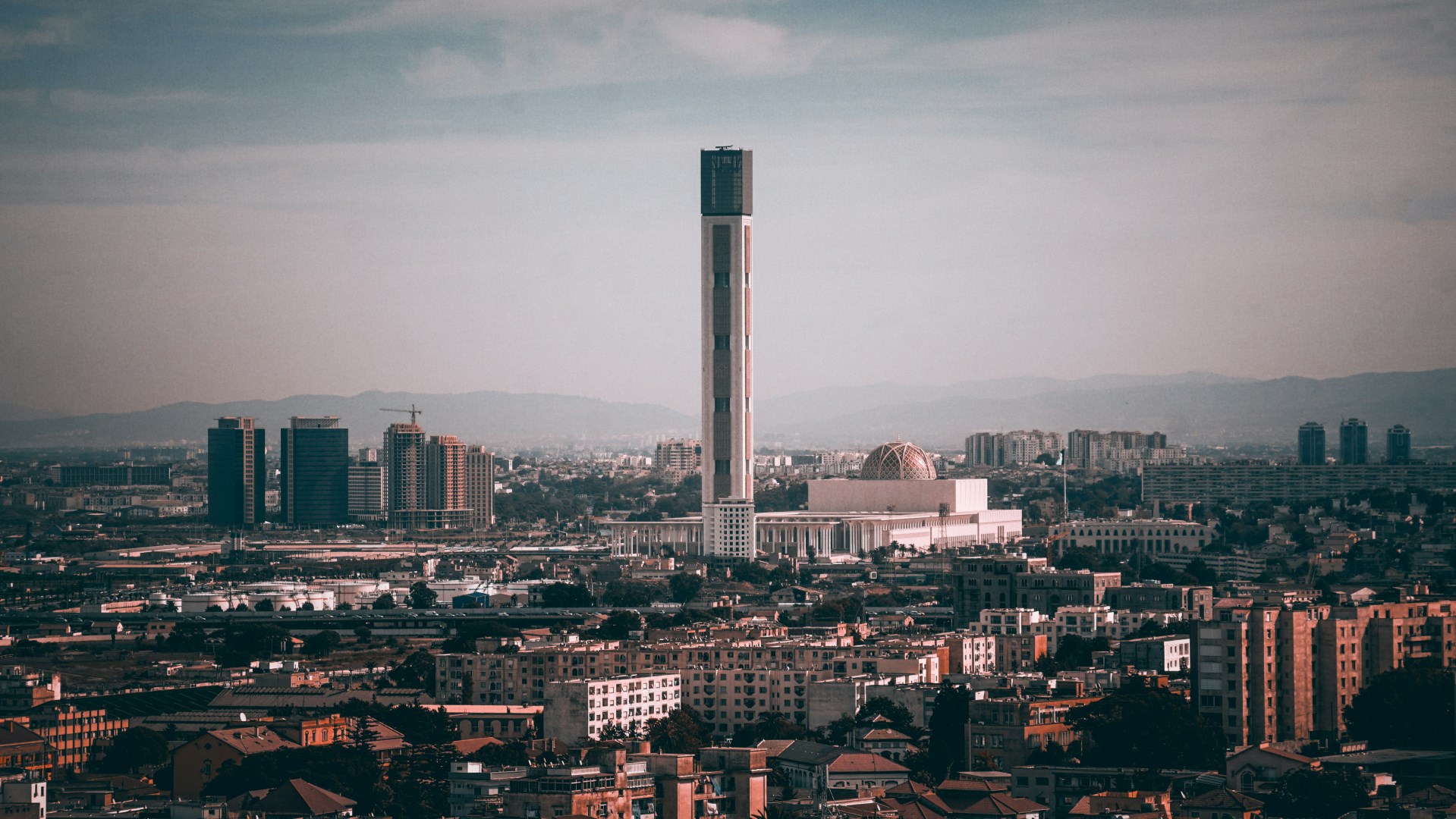
Algeria
Algeria, the largest country in Africa, offers a travel experience that’s both surprising and unforgettable. From the Mediterranean coastline to the vast expanse of the Sahara Desert, the country is full of contrast and color. In Algiers, visitors can wander the narrow lanes of the Casbah, a UNESCO World Heritage site filled with Ottoman palaces, secret stairways, and local life echoing centuries of history.
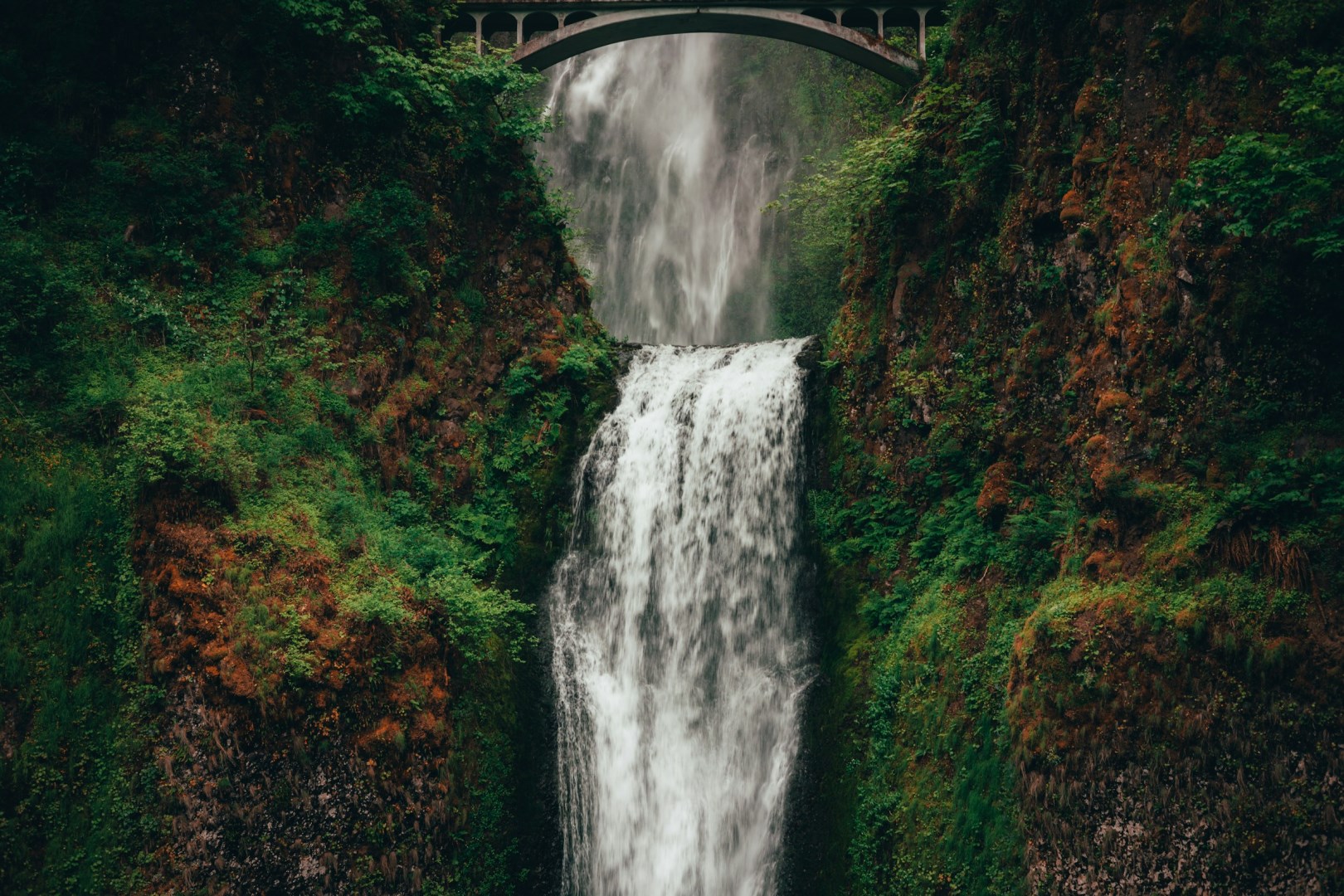
Multnomah Falls
Multnomah Falls, Oregon, stands as one of the most iconic natural wonders of the Pacific Northwest. This stunning 620-foot-tall waterfall, located in the Columbia River Gorge, captivates visitors with its dual cascades that tumble gracefully down rugged cliffs. The falls are easily accessible via a short walk from the parking area, making it a perfect stop for nature enthusiasts and casual hikers alike. For those seeking a bit more adventure, the Multnomah Falls Trail offers a picturesque hike t
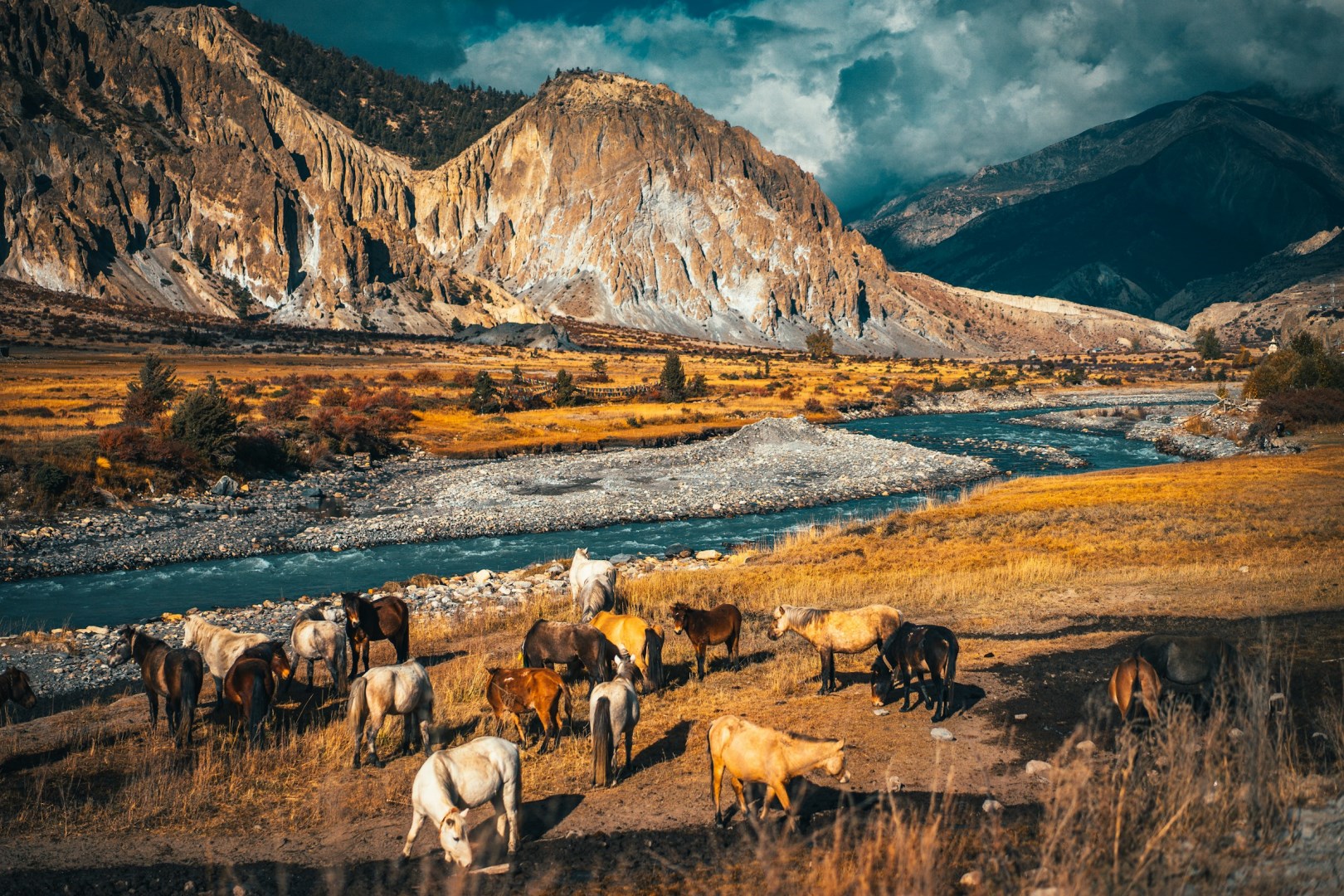
Nepal
Nepal, nestled in the heart of the Himalayas, is a land of dramatic landscapes, rich traditions, and spiritual depth. Known as the gateway to the world’s tallest peaks, including Mount Everest, it offers both breathtaking natural beauty and profound cultural heritage.
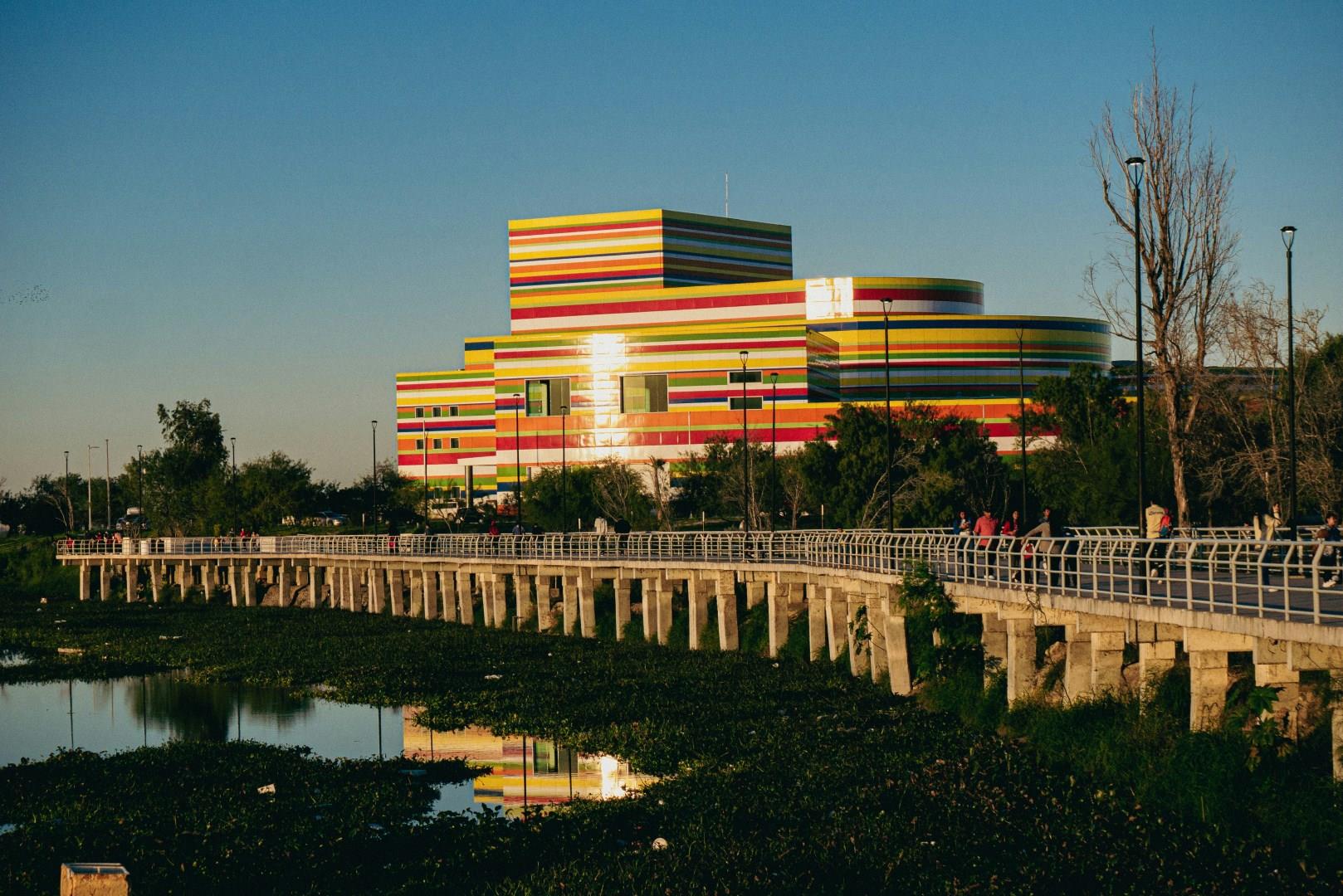
Reynosa
Reynosa, located along the northern border of Tamaulipas, is a city shaped by its position as a cultural and economic bridge between Mexico and the United States. Founded in 1749, Reynosa has grown into a vital manufacturing and trade center, but it also holds onto traditions that reflect both its regional roots and binational influences. The Plaza Principal is a popular gathering spot, often hosting live music and seasonal festivals.
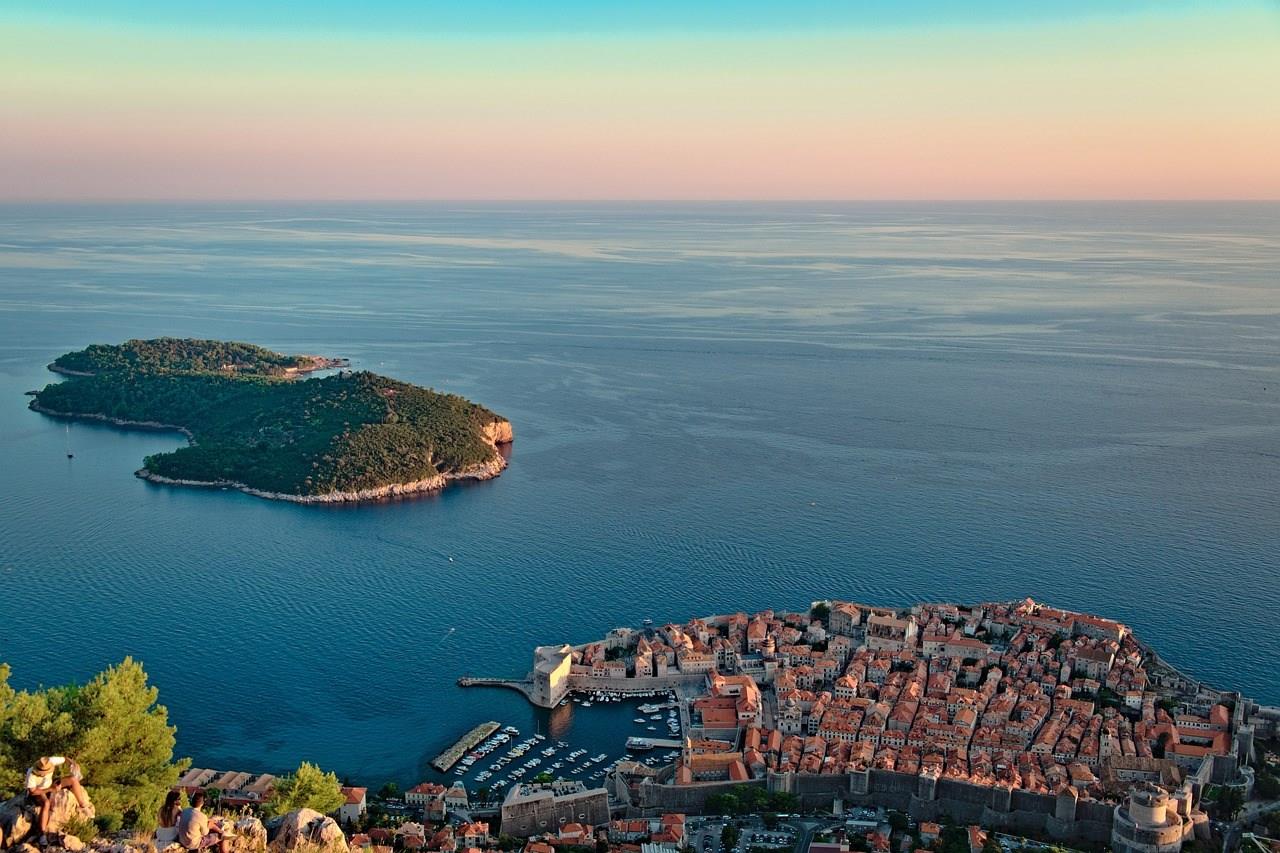
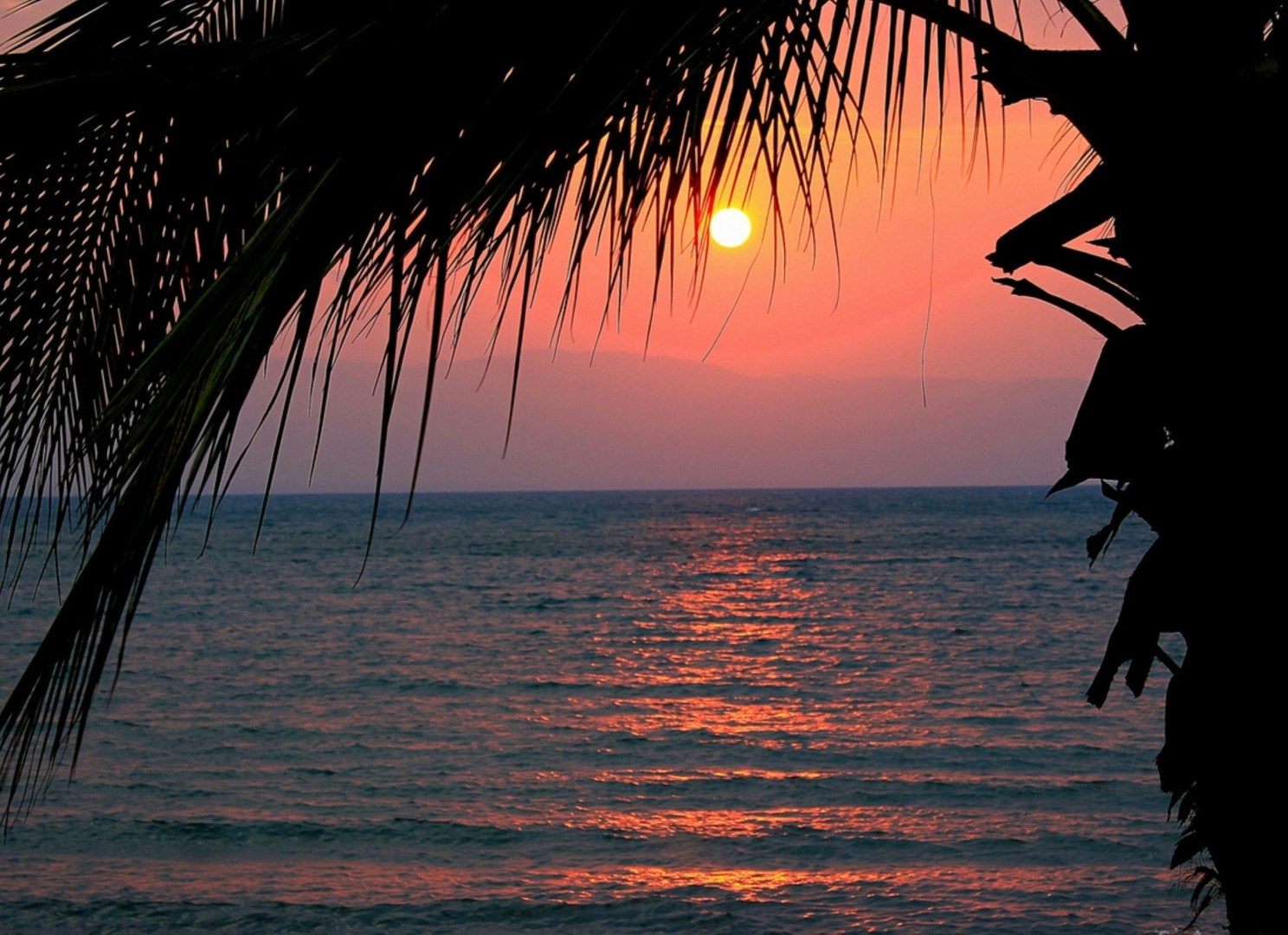
Mediterranean Sea
The Mediterranean Sea is more than a body of water, it’s a living crossroads of civilizations, flavors, and landscapes. Stretching across three continents and touching over 20 countries, it has been a stage for ancient empires, maritime trade, and cultural exchange for thousands of years. From the sun-drenched shores of southern Spain to the whitewashed villages of the Greek islands, each coastline tells a different story.