Los Glaciares National Park
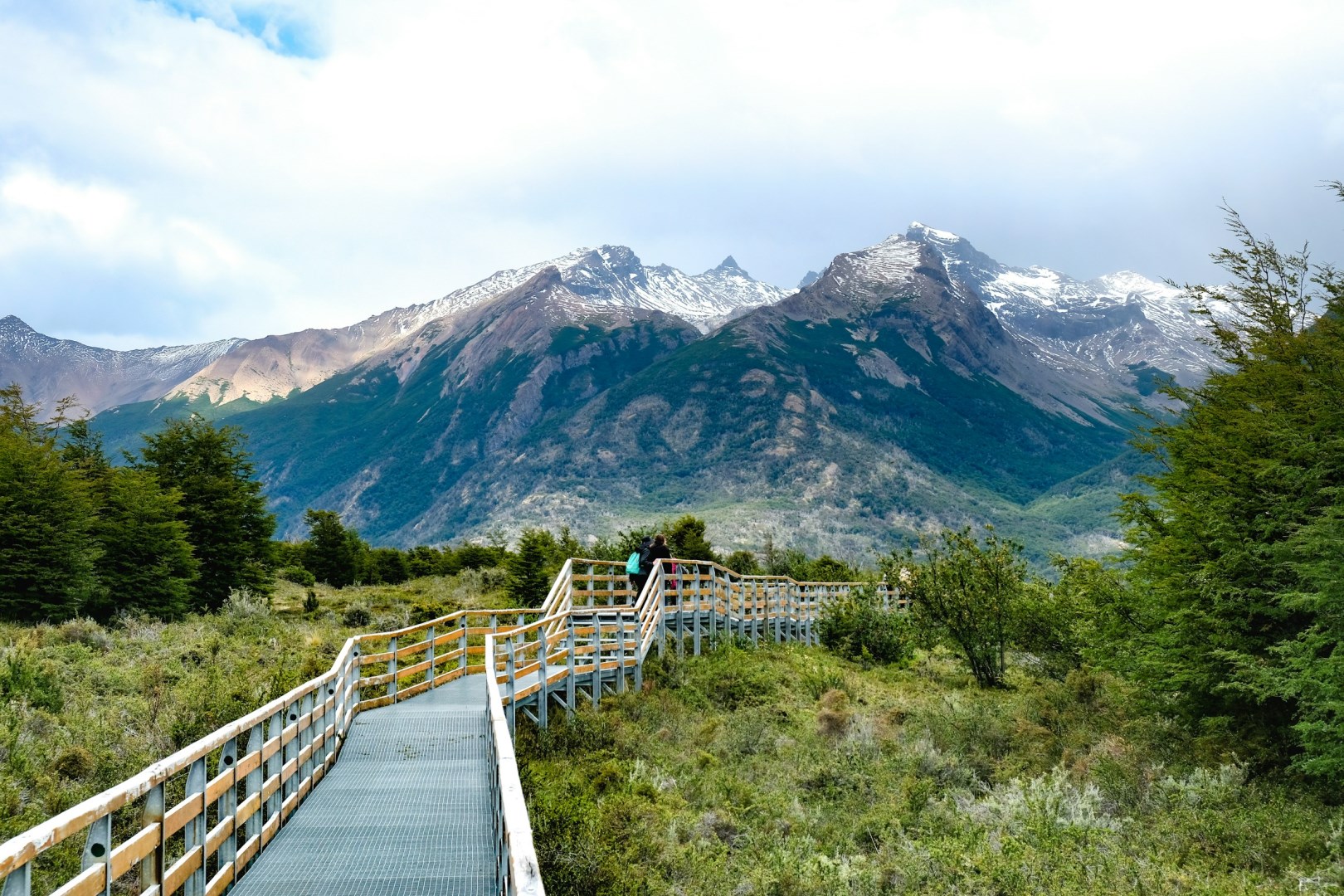
Los Glaciares National Park is the largest park in Argentina. It's located in the Austral Andes, southwest of Santa Cruz, on the border of Chile. With stunning views of glaciers, lakes, and mountains, it's no surprise that Los Glaciares National Park is included on the bucket list of so many.

Taiwan
Taiwan is an island nation that blends rich cultural traditions with modern innovation. Taipei, the capital, features landmarks such as Taipei 101, traditional temples, and night markets that offer a window into local life and culinary culture. Historic towns like Tainan preserve centuries-old temples and street art, reflecting Taiwan’s layered heritage.

Monteverde
Monteverde, located in the Tilarán Mountains of northwestern Costa Rica, is known for its cloud forests, winding trails, and biodiversity that has drawn researchers and travelers for decades. The area was settled in the 1950s by Quakers from the United States who were looking for a peaceful place to raise dairy cattle. They also played a major role in preserving the local ecosystem, helping to establish the Monteverde Cloud Forest Reserve in 1972.

Ålesund
Bright red Molja Lighthouse beckons you to explore Alesund, the tiny seaside town along the western fjords of Norway. A popular destination for Norwegian cruises, this coastal jewel will charm you with a colorful harbor, verdant natural beauty, and fresh seafood.

Aguas Calientes
Aguas Calientes, officially called Machupicchu Pueblo, sits in a narrow valley below the ruins of Machu Picchu, shaped almost entirely by geography and access. The town grew around the railway and hot springs that give it its name, becoming a necessary stopping point rather than a destination planned in advance. Its identity is closely tied to movement, with most people arriving on foot or by train and staying briefly before heading uphill.